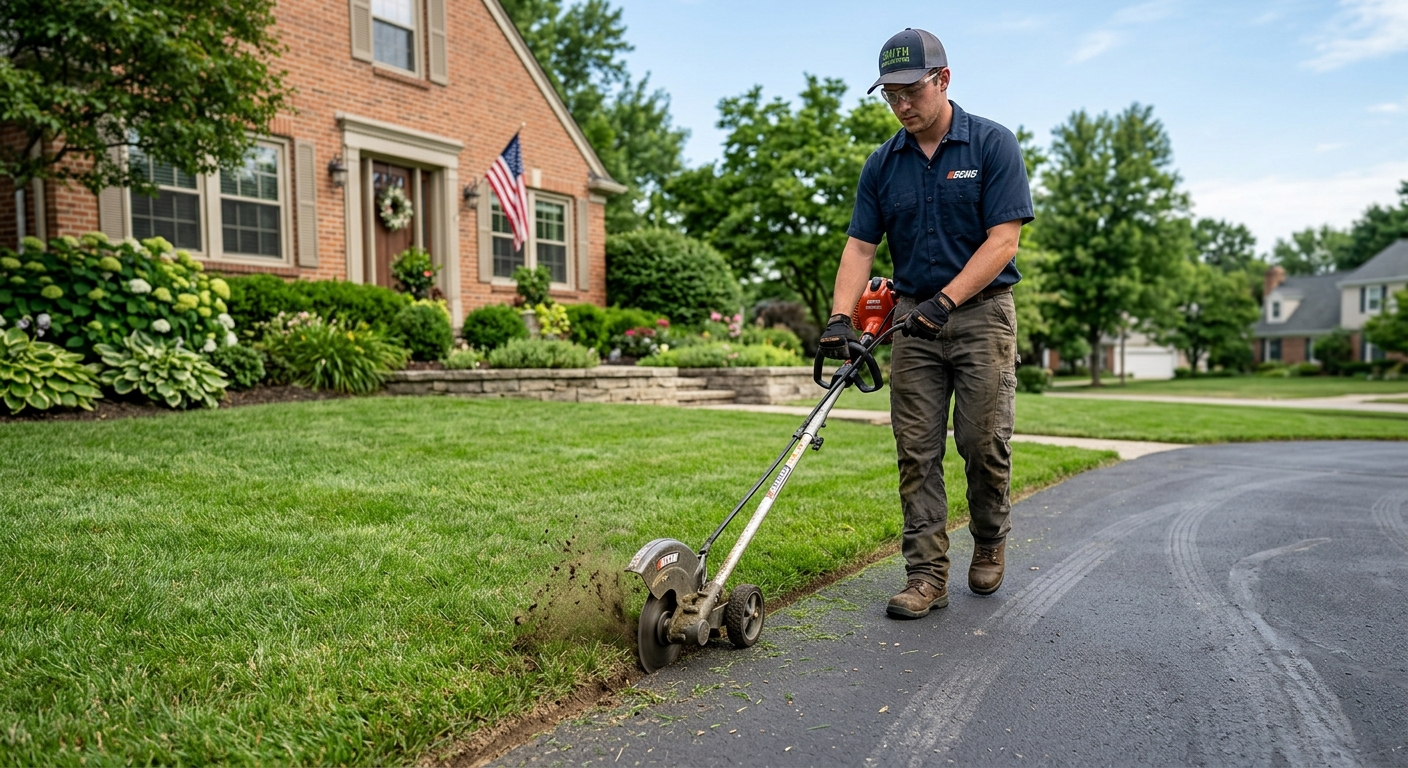
Landscaping options and costs in Willow Park
Willow Park is a great place to improve curb appeal, but landscaping here has to perform through prairie winters and freeze–thaw cycles. With a population of 5,050 (Statistics Canada, 2021 Census), the local market is smaller than Calgary’s core, which can tighten scheduling for busy crews—especially in spring grading windows. Many homeowners in Willow Park invest in their yards because most housing is single-detached, and that extra space encourages practical upgrades like patios, drainage, and planting beds. (Statistics Canada, 2021 Census)
In southern Alberta’s hardiness zone 3–4, late-spring frosts and early fall cold snaps affect both what survives and how quickly contractors can work on site. That’s why freeze-proof bases, well-compacted subgrades, and drainage design are major cost drivers in Willow Park—especially for walkways and retaining walls that can otherwise heave during thaw. Labour availability also shifts by weather; when chinooks come through, teams may push installation schedules forward, but cold snaps can pause work and add standby time.
Trade demand is particularly strong around the family-focused residential pockets near 162 Avenue SE and the commercial-adjacent edges where homeowners commonly add driveways, patios, and screened planting for wind protection. Below is a practical comparison of common landscaping projects and typical cost ranges, so you can align your expectations before you request quotes.
| Service |
Description |
Season |
Price Range |
| Full landscape design and installation |
Concept plan, grading/drainage coordination, hardscape, planting, and (where needed) irrigation design + installation |
Late April to October (best planting, sod, and hardscape windows) |
$12,000–$38,000 |
| Sod installation (supply, grade, lay, roll) |
Remove/prepare existing grade, add topsoil/seed mix base as needed, lay sod, roll, water schedule |
May to early October |
$2,500–$6,000 |
| Lawn seeding (grade, seed, starter fertilizer) |
Light grading, seed selection for prairie conditions, starter fertilizer, mulch/coverage where appropriate |
April to September (timed to avoid prolonged cold or heat stress) |
$1,500–$3,800 |
| Interlocking patio or walkway |
Excavation, geotextile, compacted base, paver installation, edging, final jointing |
May to October (weather-dependent for base compaction) |
$6,000–$22,000 |
| Retaining wall (interlocking block) |
Block system, drainage stone, weeping tile where required, proper compacted base |
May to October |
$12,000–$34,000 |
| Tree and shrub planting |
Soil improvement, hardy species selection, planting holes, staking if needed, mulch rings |
Late April to early June; September to October |
$2,000–$10,500 |
Prices are estimates only and vary by project scope, site access and material selection.
What affects the price of landscaping in Willow Park
In Willow Park and the wider Calgary region, two quotes for what looks like the “same” landscaping job can differ by 30–50% because costs aren’t only about materials—they’re driven by excavation depth, site access, and how much base prep is needed to resist Alberta’s freeze–thaw movement. When crews price work, they account for labour (often 40–60% of a full project), equipment time, and the risk of rework if drainage isn’t handled correctly.
Prairie plant hardiness zones 3–4 mean you need cold-hardy, drought-tolerant species and wind protection, and the working season is shorter due to late frosts and early cold snaps. Retaining wall and hardscape projects also require deep, well-compacted bases that extend below the frost line; that increases excavation and aggregate volume. In contrast, coastal BC’s longer season and lush broadleaf planting can reduce some schedule risk, but their heavy-rain drainage demands often push irrigation and base-building in different ways. Southern Ontario’s moderate zone still has summer dry spells, but Calgary’s semi-arid conditions and periodic watering limits commonly push homeowners toward zoned irrigation, soil improvement, and efficient controllers rather than high-water turf.
Concrete Willow Park examples: (1) If your yard slopes toward a foundation, drainage grading and subdrains can add thousands; (2) if you choose mature specimen trees for instant screening, planting labour and materials can move a project toward the upper end—often compared against a mid five-figure full landscape range; and (3) if you’re starting from compacted clay, soil amendment and topsoil hauling can raise costs even when the visible footprint seems small. As a reference point, sod installs often land around the mid range (about $2,500–$6,000), while full landscape projects with grading, patios, planting and irrigation commonly fall into the mid five-figure range once all components are included.
| Price Factor |
Why It Matters |
Cost Impact |
| Yard size in sq ft — the primary cost driver for softscape |
Softscape quantities (topsoil, seed/sod coverage, mulch, edging) scale directly with area |
Small yards can still cost disproportionately due to mobilization; large yards reduce per-sq-ft averages |
| Grading and drainage work — slope corrections add significant cost |
Proper slope away from foundations and correct run-off paths are essential to prevent pooling and moisture intrusion |
Can add thousands when excavation and regrading are required beyond cosmetic changes |
| Drainage bed or French drain installation |
Helps move water away during freeze–thaw and spring melt events |
Material + trenching time increases labour and equipment costs |
| Plant material tier — native shrubs vs. ornamental vs. mature specimen trees |
Hardiness, spacing, and root ball size impact both planting labour and plant pricing |
Mature specimens and specialty ornamentals can significantly raise the total |
| Hardscape vs. softscape ratio — walls and patios cost more per sq ft than lawn |
Pavers and retaining systems require deeper excavation, base material, and tighter tolerances |
A patio/walkway-heavy plan often shifts the project toward the higher end of the ranges |
| Irrigation system design and installation |
Zone layout, nozzle selection, freeze-protection considerations, and controller programming affect performance |
Can add cost compared to “sprinklers only,” but often prevents drought stress and waste |
| Soil amendment and topsoil required |
Improves structure for drainage and root establishment in prairie soils |
Hauling/placement time can elevate prices, especially on clay-heavy lots |
| Tree removal or stump grinding before new planting |
Clearing impacts schedule, safety planning, and disposal |
Unexpected removals can add substantial labour and equipment time |
Permits & regulations in Alberta
For most Willow Park landscaping, you typically do not need a permit for routine planting and softscape. In Alberta, jobs like sodding and installing seeded lawns, adding mulch beds, planting trees and shrubs, and building simple landscape borders are usually handled without permits. If you’re planning a retaining wall, the permit requirement is where homeowners need to pay attention: in most municipalities, retaining walls above a threshold—often around 1.0 m (3.3 ft)—may require a building permit and sometimes engineered drawings depending on height, location, and loading.
Another permit-trigger area is lot grading changes that could affect drainage direction. If your plan alters how water moves toward neighbouring properties or changes how runoff ties into storm systems, approvals may be required. Also, before any digging (planting holes, trenching for French drains, or wall footings), have utilities located so you don’t hit underground services.
To verify your contractor in Willow Park, do it in this order: (1) confirm they’re appropriately licensed for the work they claim to do (ask for their licence number and look it up in the Alberta online registry); (2) request a certificate of insurance showing general liability for landscaping activities; and (3) ensure they carry the required worker coverage (WSIB/WCB) for their employees—ask for the clearance letter or proof documents and verify the dates match the job period. A reputable contractor will provide these without pushback.
Planning a landscape that thrives in Willow Park's climate
Planning for Willow Park means working with Alberta’s freeze–thaw realities and zone 3–4 growing conditions, not fighting them. Start with plant selection: choose hardy, zone-appropriate trees, shrubs, and perennials that tolerate winter cold and summer dry periods. Then balance sod or seeding with realistic timelines—sod gives instant coverage, but winter establishment and drought stress can still show up if drainage or irrigation is off.
Drainage and grading are where Calgary projects succeed or fail. Pooling near foundations, uneven slopes, and compacted base layers can lead to moisture problems and heaving under hardscape. For patios and walkways, base preparation matters: excavate to the right depth, use geotextile and a well-compacted granular base, and keep edges supported so pavers don’t shift when ground freezes. Retaining walls also demand proper drainage behind the blocks (drainage stone and weeping tile when needed), otherwise freeze damage can accelerate.
Low-maintenance design strategies usually outperform “high effort” turf in Willow Park: use mulched shrub borders, groundcovers, and perennial drifts to reduce annual upkeep. For water-smart yards, consider xeriscape layouts—gravel paths, drought-tolerant beds, and mulch plus targeted irrigation rather than broad lawn watering. A rain-garden can be useful where you can safely manage overflow and infiltration.
Is sod always worth it? Not necessarily. If your goal is quick impact for a front entry, a sod install around $2,500–$6,000 can make sense. But if you’re comfortable waiting for establishment and want lower ongoing water and maintenance, seeding often comes in lower (for example $1,500–$3,800) and performs well when the grade is corrected and you use starter fertiliser and proper timing.
| Element |
Climate Consideration |
Maintenance Level |
Price Band |
| Sod lawn installation |
Quick coverage, but must root before early cold snaps; watering management is critical during establishment |
Medium (regular watering until established, then routine mowing) |
$2,500–$6,000 |
| Native perennial garden |
Better drought resilience and winter hardiness in zones 3–4; reduces stress from wind and freeze–thaw |
Low to medium (spring clean-up and occasional weeding) |
$2,000–$8,500 |
| Mulched shrub border |
Mulch buffers soil temperature swings and helps moisture retention through dry summers |
Low (top up mulch, prune as needed) |
$1,800–$7,200 |
| Interlocking stone patio |
Freeze protection depends on correct base depth, compaction, and drainage away from the house |
Low (periodic joint maintenance) |
$6,000–$22,000 |
| Retaining wall (block) |
Requires drainage behind the wall and a deep, compacted base to prevent movement/heaving |
Low (annual inspection for drainage/settlement) |
$12,000–$34,000 |
| Drip irrigation system |
Zoned, efficient watering supports xeriscape planting; helps manage restrictions and reduces evaporation |
Low to medium (seasonal tune-ups and winterisation) |
$2,000–$8,000 |
How to choose a landscaping contractor in Willow Park
Choosing the right contractor in Willow Park comes down to verification, clarity, and protection for your investment. First, confirm Alberta licensing for the scope you’re hiring for (ask for licence numbers and proof of standing, then check through Alberta’s online resources). Next, request liability insurance and make sure the certificate includes landscaping and property damage coverage. For labour coverage, ask for WSIB/WCB proof or a current clearance letter—don’t accept “we’ll cover it” statements without documentation.
Get 2–3 itemised written quotes. You want line items that separate labour and materials: excavation, base aggregate, geotextile, pavers/blocks, planting quantities, topsoil/soil amendments, disposal fees, and irrigation components if included. Avoid lump sums that hide assumptions. Read the scope carefully: is permit pulling included (where required), is disposal included, and what exactly happens if rock is encountered or drainage conditions require extra base depth?
Warranty matters, too. Ask for the workmanship warranty length for hardscape and drainage-related items, plus the manufacturer warranty for pavers/blocks, sod (if applicable), and plants. Clarify whether warranties are transferable if you sell your home.
Payment schedule: never pay more than 10–15% upfront. Hold back a portion until the final walkthrough and cleanup are complete. Finally, insist on a written timeline with a start date and realistic completion estimate—prairie weather can shift dates, but reputable contractors communicate updates early.
- They provide licence details and can explain what they are licensed for.
- They hand you a current certificate of insurance and you can read the coverage dates.
- They provide WSIB/WCB clearance or proof of coverage for their employees.
- Quotes are itemised (labour + materials), not just one total number.
- Base depth, drainage approach, and compaction method are described for hardscape.
- Drainage details are included for slopes and near-foundation work.
- Plant list includes quantities, sizes, and how they’ll be hardened off/established.
- Edging, geotextile use, and jointing material are specified.
- Disposal/hauling is clearly included or clearly excluded.
- Winterisation steps for irrigation (if installed) are included in the scope.
- Warranty terms are written down (what’s covered, duration, and process).
- Payment terms are reasonable (10–15% upfront maximum) with final holdback.
Red flags in Willow Park: (1) a contractor won’t show insurance or WSIB/WCB proof; (2) they propose shallow base prep for patios/walkways to cut costs; (3) they skip drainage behind retaining walls; (4) they won’t provide a detailed itemised quote; and (5) they ask for large upfront payments or pressure you to sign quickly without a written scope.
Frequently asked questions — landscaping in Willow Park
What trees grow best in Willow Park's climate zone?
In Willow Park (Alberta) you’ll want trees that handle winter cold, wind, and prairie dryness in hardiness zone 3–4. Commonly successful options include hardy species like Amur chokecherry, Saskatoon serviceberry, and several cold-tolerant conifers that don’t mind Alberta chinooks and cold snaps when established. For a more private yard, many homeowners also use fast-establishing small-to-medium trees with strong root systems that perform after freeze–thaw cycles. Your site conditions matter as much as the species—north vs. south exposure, soil drainage, and proximity to downspouts can change how well a tree settles in. When you book a planting plan, ask for a list tailored to your lot’s sun and drainage, and make sure the planting depth and watering schedule are included—especially if you’re also adding grading.
How much does sodding a yard cost in Willow Park?
Sodding in Willow Park typically lands in the mid range once grading and preparation are included. For most residential jobs, homeowners commonly see totals around $2,500–$6,000, depending on lawn size, how much base work is needed, and whether you’re starting from compacted soil or removing old turf. Sod is usually installed in May through early October so the roots can establish before Alberta’s early cold snaps. If drainage is poor—common on slight slopes toward foundations—the prep phase (topsoil, grading correction, and sometimes drainage adjustments) can raise the price, but it prevents future lifting and patch failure from freeze–thaw movement. Ask your contractor how many inches of prepared base and topsoil you’re getting, and whether disposal is included.
How do I prevent weeds in my Willow Park garden?
Weed prevention in Willow Park is mostly about preparation and long-term mulching, not just pulling. Start with solid soil prep: remove existing weeds, address compaction, and correct drainage so plants establish strongly—healthy, dense plantings outcompete weeds. Then use a weed-suppressing approach appropriate for the area: landscape fabric can help under certain mulch beds, but I prefer breathable ground-cover strategies where practical, because freeze–thaw and moisture can make fabric maintenance tricky if it’s installed incorrectly. Apply a consistent mulch layer (not too thin) and refresh it seasonally. For beds near walkways and patios, edging is important so grass doesn’t creep in. If you have gravel or xeriscape zones, use proper weed barrier plus decorative rock depth. Finally, budget for a spring and early-summer weeding pass—catching weeds early prevents spread.
How do I design a low-water yard in Willow Park?
A low-water yard in Willow Park (Alberta) works best when you combine efficient irrigation with planting choices that can handle dry prairie summers and winter cold. Choose drought-tolerant, zone-appropriate plants, group them by water needs, and avoid “one-size-fits-all” watering schedules. Instead of watering turf broadly, many homeowners switch to mulched shrub borders, perennial drifts, and xeriscape-style groundcovers to reduce evaporation. If you want reliable results, consider drip irrigation with zoning and smart controls so watering happens early and only where plants need it. This also helps manage periods of tighter water use that can show up across the region. If you’re comparing options, seeded lawns (often around $1,500–$3,800) or small sod upgrades can be more water-efficient overall than converting every square foot to turf. In Calgary-area yards, drainage and soil amendment are the hidden win—good soil reduces required watering by improving infiltration.
How do I find a licensed landscaper in Willow Park?
To find a reliable landscaping contractor in Willow Park, verify three things before you sign anything. First, request the contractor’s Alberta licence details for the type of work you’re hiring; then cross-check the information through Alberta’s online registry tools using the licence number they provide. Second, ask for a certificate of insurance that clearly shows general liability coverage for landscaping work and confirm the policy dates cover your project timeline. Third, request proof of WSIB/WCB coverage (often provided as clearance documentation or proof letters) so you’re not exposed if a worker is injured. After verification, get 2–3 itemised written quotes that break down labour and materials, including drainage and base prep details for patios or walls. Finally, confirm warranty terms in writing, including workmanship coverage for hardscape.
How much does landscaping cost in Willow Park?
Landscaping costs in Willow Park depend on how much you’re changing: softscape only (seed or sod), hardscape only (patios/walkways), or a full plan that includes grading, drainage, planting, and sometimes irrigation. For a general homeowner scale, sod projects often land around $2,500–$6,000, while patios and walkways commonly start higher because of deep, well-compacted bases needed for freeze–thaw. Full landscape design and installation packages—when grading, hardscape, planting, and irrigation are bundled—often fall into the mid five-figure range, commonly aligning with $12,000–$38,000 depending on scope and site access. If you’re working in an older neighbourhood lot with established trees or uneven drainage, expect the prep and drainage lines to influence the final total. The best approach is to request itemised quotes and confirm what’s included for drainage, disposal, and any permit requirements (especially for taller retaining walls).