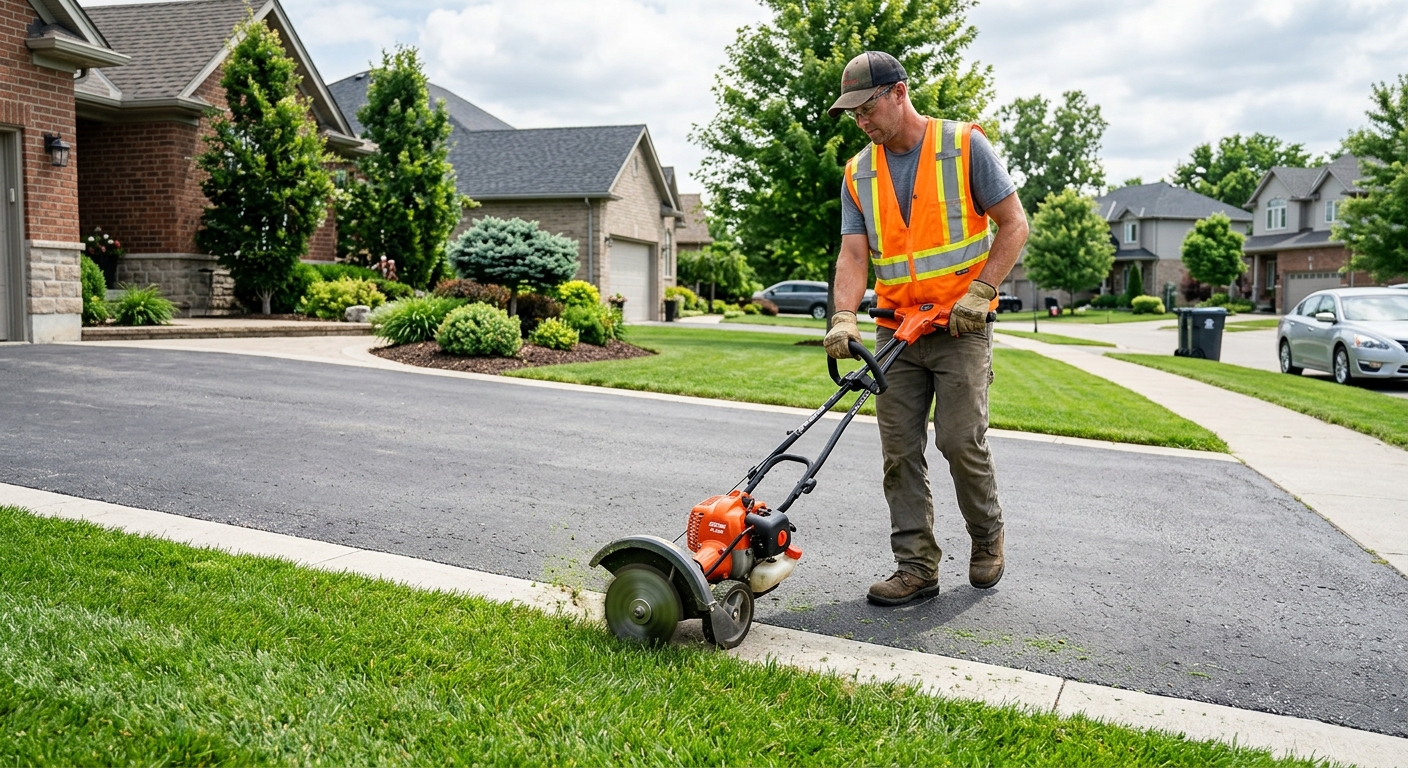
Landscaping options and costs in Oakridge
Oakridge homeowners typically see landscaping work as an extension of their home—partly because many properties here have the kind of yard space that makes improvements worth investing in. In Oakridge, the housing profile includes a significant share of detached homes (Statistics Canada, 2021 Census), which usually means more front/back frontage and more ground to grade, top-dress, and plant. With more surface area comes more opportunities for ROI—patios, walkways, drainage upgrades, and planting beds—so the range of scope you’ll see in quotes is wide.
Toronto-area landscaping costs are shaped by zone-tough plants and by seasonal construction limits. The GTA sits in hardiness zones 6a–7a, with winter lows often near –23 to –18°C and frequent freeze–thaw cycles. That combination drives higher hardscape base requirements and more careful drainage design for patios, steps, and retaining walls. It also influences plant selection: contractors prioritize woody structure and perennials that can reliably overwinter in southern Ontario conditions, which helps long-term value but can raise material costs compared with low-stakes, annual-only planting.
In Oakridge, demand for quality installation is especially noticeable around established residential pockets where older homes meet changing lot grades—many homeowners in the area near the downtown-core commute corridor want curb appeal upgrades and driveway-to-garden transitions. From there, the question becomes: what’s the right option for your yard and budget? Use the table below as a practical starting point.
| Service |
Description |
Season |
Price Range |
| Full landscape design and installation |
Site walk, concept/design, grading plan, plant + hardscape layout, soil/topsoil, planting, and softscape/hardscape install |
Late April to October |
$8,000–$40,000 |
| Sod installation (supply, grade, lay, roll) |
Minor grading, soil prep, starter fertilizer, sod supply and installation; rolling and watering instructions |
April to June and early September (best recovery window) |
$2,500–$8,000 |
| Lawn seeding (grade, seed, starter fertilizer) |
Top-dress/grade, seed selection, starter fertilizer, rake-in and initial watering plan |
May to mid-June and early fall |
$1,200–$5,000 |
| Interlocking patio or walkway |
Excavate, granular base with compaction, geotextile if needed, edging, interlock/stone pavers and joint sand |
May to October |
$6,000–$30,000 |
| Retaining wall (interlocking block) |
Wall layout, excavate to footing depth, base/gravel, drainage layer, block install and backfill |
May to October |
$6,000–$30,000 |
| Tree and shrub planting |
Soil conditioning, planting holes, amendments, staking (as required), mulch and initial watering setup |
Spring and fall planting windows |
$800–$6,000 |
Prices are estimates only and vary by project scope, site access and material selection.
What affects the price of landscaping in Oakridge
In Oakridge and across the Toronto region, it’s common to see quotes for the “same” project swing by 30–50%. The biggest reason is that landscaping scope is rarely identical: one contractor may include soil excavation and drainage correction, while another may treat those as add-ons later. Labour rates, crew size, equipment needs (skid-steer, compactors), and material tier also shift the final number—especially around high-demand periods when many homeowners start renovations after winter.
Climate and soil conditions drive what can be done when, and what must be done correctly to survive. With hardiness zones 6a–7a, plant selection in Oakridge must tolerate winter lows around –23 to –18°C, and installation schedules are tied to frost-free conditions (roughly May to October). Prairie regions (Zone 2–4) often require simpler, drought-tolerant plant palettes and deeper planning for shorter growing seasons; retaining wall base work there needs to be robust too because frost penetration is intense and seasons are tighter. Coastal BC (Zone 7–8) can support lush growth longer, but heavy-rainfall drainage design still matters. In contrast, Oakridge sits in Southern Ontario (Zone 5–6), so you typically see summer dry spells where irrigation becomes essential to establish seed or newly installed beds.
Concrete examples from local jobs: if your clay or filled soil needs excavation and soil amendment before sod, the sod line can move from “surface repair” into a full base-prep exercise. Similarly, adding a proper drainage bed or French drain behind a retaining wall often pushes the hardscaping portion toward the upper end of the $6,000–$30,000 band because it requires additional excavation, wrapped stone, and outlets. Newer homes also affect cost—if your landscaping is going in on tighter lots after recent construction, access limitations and geotextile/base requirements can add labour, even when the visible square footage looks modest.
| Price Factor |
Why It Matters |
Cost Impact |
| Yard size in sq ft — the primary cost driver for softscape |
More area means more labour for grading, edging, topsoil, and either sod or seed coverage |
Can shift an overall project by thousands when moving from small repairs to full-yard installs |
| Grading and drainage work — slope corrections add significant cost |
Toronto soils and freeze–thaw make correct slope critical to prevent pooling near foundations |
Often adds substantial labour and hauling; may be the difference between mid and high price bands |
| Drainage bed or French drain installation |
Controls water movement where downspouts or surface runoff concentrate |
Raises hardscape/softscape costs due to excavation depth, stone, and outlet routing |
| Plant material tier — native shrubs vs. ornamental vs. mature specimen trees |
Hardy, zone-appropriate natives cost less to maintain; mature trees cost more to supply and handle |
Can move the planting portion within the $800–$6,000 range quickly |
| Hardscape vs. softscape ratio — walls and patios cost more per sq ft than lawn |
Concrete/stone pavers, base compaction, and edging drive material + equipment costs |
Small hardscape additions can lift the project toward the $8,000–$40,000 design-install tier |
| Irrigation system design and installation |
Establishment needs consistent watering; zone timing matters for seed vs. sod vs. beds |
Adds material and labour, especially with multiple zones and backflow protection requirements |
| Soil amendment and topsoil required |
Clay and compacted fill often need structure-building amendments for roots to thrive |
Increases haul-away, import quantities, and labour; can be a major swing factor for sod/seed |
| Tree removal or stump grinding before new planting |
Root flare work, debris handling, and access can take extra time and disposal |
May add to both planting and softscape prep timelines |
Permits & regulations in Ontario
In Ontario, most planting, sodding, and typical softscape work does not require a permit. That said, there are specific scenarios in Oakridge where approvals are commonly triggered. Retaining walls above the typical municipal threshold—often around 1.0 m (3.3 ft)—usually require a building permit, and some projects may call for engineered drawings depending on height, soil conditions, and proximity to structures. Similarly, changes to lot grading that alter drainage patterns (for example, directing water toward a neighbour or toward a storm connection) may require review, because poorly planned drainage can create disputes and foundation/moisture issues.
Before digging in Oakridge, always arrange utility locates. Even for small planting holes or wall footings, buried services can exist near edges, downspout routes, and driveway corridors. Locates are a key safety step and help avoid costly service interruptions.
To verify a contractor’s Ontario readiness, have them provide: (1) their Ontario business/contractor registration details (many contractors publish this online), (2) a current certificate of insurance showing liability coverage, and (3) WSIB coverage where applicable for their trade operations. Step-by-step, you can ask for documents first, confirm dates, then cross-check licensing/registry information on the relevant online platforms. If they can’t provide certificates clearly or their coverage is inconsistent, that’s a red flag.
Planning a landscape that thrives in Oakridge's climate
Planning in Oakridge is about working with zone 6a–7a realities: winter stress, freeze–thaw movement, and seasonal rain patterns that swing from spring wet to summer dry spells. Start with plant selection—choose native and zone-appropriate shrubs and perennials that can handle Ontario winters without elaborate protection. In many yards, this means better survival and fewer repeat costs than chasing “pretty but borderline” species. Next, think about sod versus seed. Sod gives instant visual results, but it costs roughly 3–4x more per square foot than seeding because you’re paying for the living turf and installation. If you want to move quickly, sod can be worth it; if your goal is cost control and you can wait for establishment, seeding is often the smarter budget play.
Toronto clay and fill soils also make drainage non-negotiable. Pooling near foundations leads to moisture issues, and frozen water expands—so grade correction and base prep for interlocking patios and retaining walls must be built for the frost line and proper compaction. For hardscape, invest in granular bases and drainage layers; cutting corners here is how you end up with settling and heaving within a few winters.
For low-maintenance curb appeal, use mulched shrub borders, perennial “repeat” groupings, and groundcovers that suppress weeds and reduce bare-soil splash. Consider a rain garden or xeriscape-inspired zones with deep-rooting plants where feasible. Even with Toronto’s moderate summers, a well-placed rain garden can reduce runoff volumes and make irrigation needs more manageable.
A quick dollar reality check: a sod refresh might land in the $2,500–$8,000 range for many Oakridge yards, while seeding plus top-dress could sit closer to the lower end of the lawn line items. If your lawn area is large and you can accept a shorter “green-up” timeline, seeding can justify the savings; if you need immediate curb appeal for resale, sod can be the justified premium.
| Element |
Climate Consideration |
Maintenance Level |
Price Band |
| Sod lawn installation |
Requires proper base prep before summer dry spells and winter transition; best installed during spring/fall windows |
Low to moderate (initial watering, then routine mow) |
$2,500–$8,000 |
| Native perennial garden |
Hardy selection improves winter survival around –23 to –18°C lows; benefits from spring mulching and established root structure |
Moderate (seasonal weeding and trimming) |
$1,500–$6,500 |
| Mulched shrub border |
Helps buffer soil temperature swings and reduces freeze–thaw stress at the surface |
Low (mulch refresh and occasional pruning) |
$1,800–$7,200 |
| Interlocking stone patio |
Needs thick, well-compacted base to resist frost movement and heaving |
Low (sweeping, occasional joint sand) |
$6,000–$30,000 |
| Retaining wall (block) |
Wall stability depends on drainage layer and correct footing depth below frost influence |
Low (inspection and minor tuck-pointing as needed) |
$6,000–$30,000 |
| Drip irrigation system |
Zones help manage watering during establishment and summer dry spells; reduces waste vs. broad spray |
Low to moderate (seasonal adjustments) |
$1,200–$6,000 |
How to choose a landscaping contractor in Oakridge
Choosing the right contractor in Oakridge starts with verification, not brochures. In Ontario, ask for: (1) proof of Ontario registration/business details (as applicable to their structure), (2) liability insurance—your certificate of insurance should show active coverage and adequate limits, and (3) WSIB coverage where the contractor’s operations require it. If they’re a direct employer for crew members, they should be able to provide current WSIB clearance or confirm their status. You can also cross-check the contractor name and document dates against the issuing sources online and by calling the number on the certificate if anything looks inconsistent.
Next, get 2–3 itemised written quotes. A good quote breaks labour and materials separately—base prep, excavation, stone supply, geotextile, edging, soil/topsoil quantities, and planting numbers. Watch for scope exclusions such as permits (if required), disposal/hauling, tree removal, utility locates, or how excavation is handled around existing foundations.
Warranty matters: request the workmanship warranty length and what it covers (settlement, heaving, plant replacement policy). Also confirm whether product/manufacturer warranties apply and whether they’re transferable if you sell your home. For payments, never pay more than about 10–15% upfront; hold back a portion until completion and closeout items are done. Finally, require a start date and completion estimate in writing, tied to weather conditions typical for Oakridge.
- They provide a written scope with quantities (sq ft, linear ft, number of trees/shrubs).
- They specify base depth and compaction method for patios/walkways and retaining walls.
- They include drainage details (slope, outlets, and any French drain plan).
- They list disposal/haul-away and confirm whether it’s included.
- They state whether topsoil is imported, amended, and how much per sq ft.
- They identify sod/seed type and seeding rates (not just “quality seed”).
- They confirm plant sources and whether substitutions are allowed.
- They explain irrigation responsibilities (staging, zoning, and winter shutoff planning if applicable).
- They provide both workmanship and product warranty terms in writing.
- They include a clear schedule for inspections and final cleanup.
- They offer a realistic timeline that respects late frost/early fall planting windows.
- They avoid vague “allowances” that can quietly expand your bill at the end.
Concrete red flags in Oakridge: a contractor who won’t provide an insurance certificate or WSIB/coverage confirmation, quotes that use broad lump sums without base/drainage specs, promises of “guaranteed no settling” without engineering or compaction details, refusal to list disposal and site protection responsibilities, and last-minute change orders because they didn’t inspect drainage or access first.
Frequently asked questions — landscaping in Oakridge
How do I compare landscaping quotes?
In Oakridge, compare quotes the way you’d compare a building estimate: by scope and unit pricing, not just the bottom line. Ask each contractor to itemise labour and materials—excavation, base stone, geotextile (if included), edging, soil/topsoil quantities, and how drainage will be handled. For lawn work, confirm whether sod is installed after grading, what turf type is being supplied, and whether starter fertiliser and watering instructions are included. For example, sod often lands in the $2,500–$8,000 band depending on yard size and prep; a quote in that range should still specify the amount of topsoil, roller use, and how edges are cut. Also compare timelines, warranty terms, and what disposal/hauling covers so you’re not surprised later.
How long does a landscaping project take in Oakridge?
Timelines depend on weather, crew size, and how much excavation or drainage correction is required. In Oakridge’s late spring to fall window, small refreshes (mulch, trimming, minor bed planting) can take a day or two, while a sod installation often needs only a short build window after grading and soil prep. A full patio or walkway project with proper base preparation typically takes multiple days to a week for excavation, compaction, stone installation, edging, and joint sand finishing. Retaining walls can take longer due to footing depth considerations and drainage layer installation. If your project also includes planting, the total timeline usually stretches across the same season, but final plant care steps and watering schedules affect when it’s considered “complete.”
What is the best grass type for a Oakridge lawn?
For Ontario lawns in the Oakridge area, homeowners usually do best with cool-season turf mixes designed for our winters and humid summers. In practice, that means a blend approach (fine fescues plus perennial rye depending on sun/shade), because it helps with shade tolerance and recovery after summer stress. If you’re choosing between sod and seed, remember that sod gives instant coverage but still depends on proper grade and base prep to prevent winter pooling. If you’re reseeding, choose seed that matches your light conditions (sun vs. partial shade) and the level of foot traffic. A contractor who discusses your yard’s exposure and drainage before recommending turf is giving you the right advice for long-term success in Oakridge’s freeze–thaw environment.
When should I aerate and overseed my lawn in Oakridge?
In Oakridge, timing is about balancing soil temperature and recovery before winter. For many lawns, spring aeration and overseeding works when grass is actively growing and you can keep seed consistently moist—often after mid-spring, depending on frost conditions. Late summer into early fall is also a strong window because the lawn can recover from thinning and establish before colder weather. Aeration should be followed immediately by overseeding and a light top-dress if your lawn is compacted or patchy. If your lawn is currently struggling with drainage (common on older lots), seed will underperform unless you address grading and water movement first. Your contractor should also advise whether to use starter fertiliser and how often to water during germination.
What trees grow best in Oakridge's climate zone?
Oakridge falls within southern Ontario’s zone range where many hardy deciduous trees perform well, especially when planted with proper drainage and spacing. Common choices in the GTA include serviceberry (Amelanchier) for structure and seasonal interest, small to medium ornamental and shade options like Japanese tree lilac (Syringa reticulata) depending on site conditions, and larger hardy trees such as red maple (Acer rubrum) where soil and drainage are suitable. If you have wind exposure or compacted clay, your best results come from choosing plants proven for Ontario conditions and pairing them with soil amendment and adequate initial watering. A qualified contractor should also match mature size to your lot so future roots don’t create issues near foundation, walkways, or downspouts.
How much does sodding a yard cost in Oakridge?
Sod pricing in Oakridge typically depends on lawn square footage, how much grading/topsoil work is needed, and whether you’re replacing existing turf fully or just patching. For many residential lots, full sod installation commonly falls within the $2,500–$8,000 band. The same turf area can cost more when the site is compacted, uneven, or has drainage concerns—because sod won’t mask those problems for long in our freeze–thaw winters. If you need significant topsoil import and regrading, expect the price to move toward the higher end. Ask your contractor to specify unit quantities, include starter fertiliser, and confirm watering expectations for the first few weeks after installation.