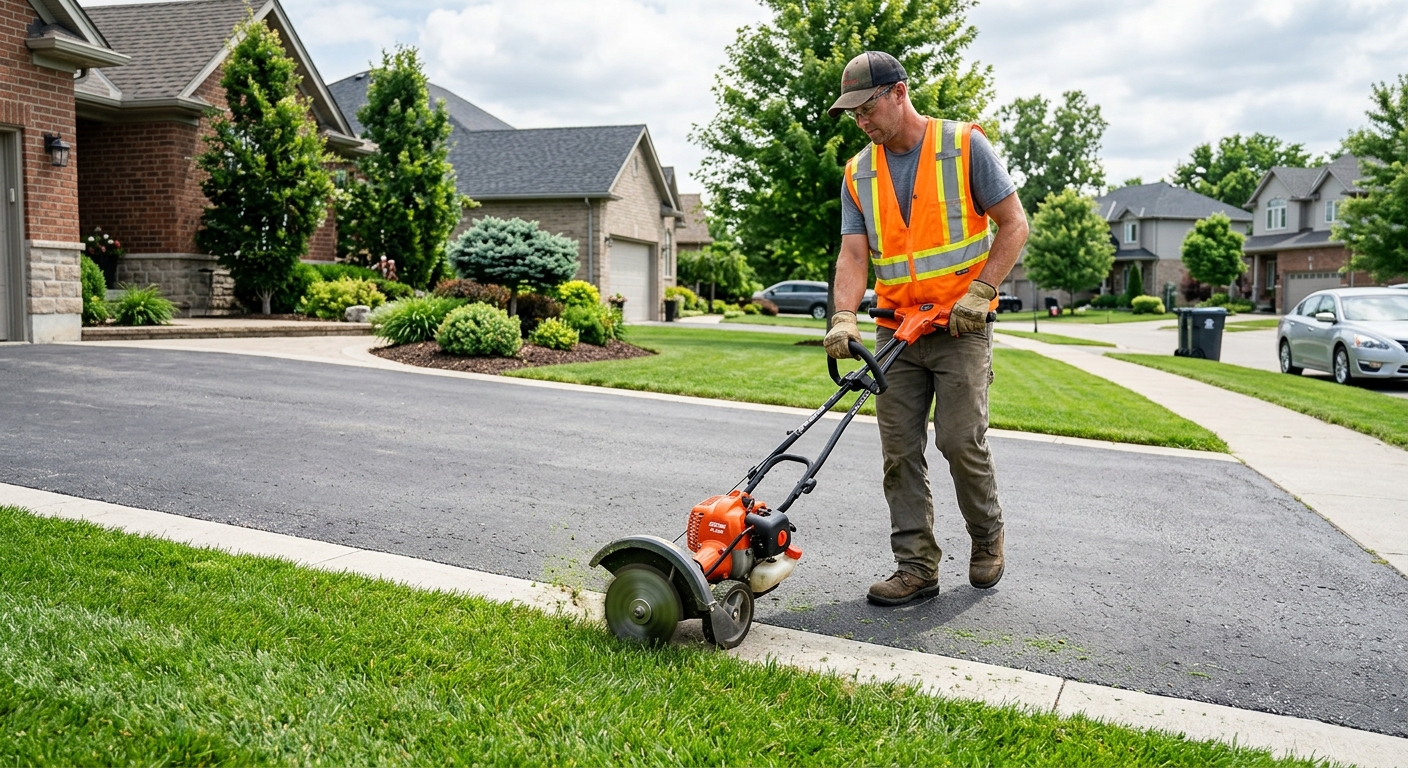
Landscaping options and costs in Crescent Heights
In Crescent Heights, Alberta, homeowners usually invest in landscaping early—right after a reno, when they move in, or when they want to refresh curb appeal for busy street-facing yards. With a population of 6,240 in 2021 (Statistics Canada, 2021 Census), the local market has enough demand to keep crews booked, especially in spring and early fall. Most residents also live in single-detached housing with yard space and a strong incentive to protect landscaping investment over time. Because Calgary sits in Prairie hardiness zones 3–4, late-spring frosts and early cold snaps shape both plant choice and when we can safely excavate, compact bases, and lay sod.
Costs in Crescent Heights are commonly driven by freeze–thaw severity. That means deeper, well-compacted bases for patios and walkways, and proper drainage behind retaining walls to reduce heaving and failures. It also means contractors plan around soil conditions: if the ground is too wet or frozen, work pauses, which can shift scheduling and crew rates.
In Crescent Heights, this trade is especially in demand in the older, more established blocks near 10 Street NW and the surrounding residential corridors, where yards often have original soils, mature trees, and occasional grade concerns. Once we confirm access, grading, and drainage needs, we can narrow options and budget expectations before you compare packages and price ranges below.
| Service |
Description |
Season |
Price Range |
| Full landscape design and installation |
Concept + layout, grading plan, base prep, hardscape, planting, mulch, and irrigation where required |
Apr–Nov (best results May–Oct) |
$12,000–$35,000 |
| Sod installation (supply, grade, lay, roll) |
Soil prep, compacted base, sod delivery, layout/rolling, starter watering setup |
Apr–Jun; Sep–Oct (weather-dependent) |
$2,000–$5,800 |
| Lawn seeding (grade, seed, starter fertilizer) |
Fine grading, seed + fertilizer, light topdressing (as needed) and establishing plan |
Apr–Jun; Sep |
$1,500–$4,000 |
| Interlocking patio or walkway |
Excavation, geotextile, granular base, compaction, border restraint, pavers, and edging |
May–Oct |
$8,500–$24,000 |
| Retaining wall (interlocking block) |
Reinforced wall base, block install, drainage gravel, weep system where needed |
May–Sep |
$10,000–$32,000 |
| Tree and shrub planting |
Soil amendment, planting pits, staking as required, mulching, watering plan |
Apr–Jun; Sep–Oct |
$1,000–$12,000 |
Prices are estimates only and vary by project scope, site access and material selection.
What affects the price of landscaping in Crescent Heights
In Crescent Heights, the same “standard” landscaping project can land 30–50% apart from one quote to another across Calgary and the broader Alberta region. The biggest reason is that yards almost never start at the same baseline: some have already-sound topsoil and drainage, while others need regrading, deeper compaction, or additional drainage layers to survive Calgary’s freeze–thaw cycles.
Prairie plant hardiness zones 3–4 also affect both what grows and how long crews can work. Late frosts limit when we can install sod and plant root systems without risk, and deep freeze pushes us to finish hardscape base preparation before the ground sets up. Compared to coastal BC’s zone 7–8 long season, Calgary’s shorter window requires cold-hardy, wind-tolerant, drought-resilient species—often with more planning and soil improvement rather than “quick lush” planting. In dry Alberta winters and periodic summer moisture limits, irrigation design matters too: zoned systems and smart controllers can add cost upfront but reduce costly rework and plant loss.
Two concrete examples we see frequently in Crescent Heights: (1) upgrading a patio base from a shallow lift to a properly compacted deeper base can move a job toward the interlocking patio range of $8,500–$24,000 because compaction and granular volume increase; (2) correcting slope drainage toward a foundation or neighbouring area often adds significant excavation and granular drainage bed work, pushing a retaining wall project toward $10,000–$32,000 due to wall base depth and drainage provision.
Housing-stock age also plays a role. Older lots often have compacted subsoil, buried debris, or deteriorated drainage patterns—when that needs removal and replacement, you’re effectively buying more excavation hours and more soil volume, which is why labour can be a large share of total cost in the Calgary market.
| Price Factor |
Why It Matters |
Cost Impact |
| Yard size in sq ft — the primary cost driver for softscape |
More area means more labour for prep, more mulch/soil, and more plant or turf materials |
Often shifts total by 20–40% |
| Grading and drainage work — slope corrections add significant cost |
Freeze–thaw heaving risk increases if water pools near foundations |
Can add 10–25% |
| Drainage bed or French drain installation |
Provides a reliable pathway for water and reduces wall/foundation moisture |
Commonly adds 5–20% |
| Plant material tier — native shrubs vs. ornamental vs. mature specimen trees |
Container size, hardiness, and root-ball labour requirements vary a lot |
Mature trees can double this line item |
| Hardscape vs. softscape ratio — walls and patios cost more per sq ft than lawn |
Hardscape requires deeper excavation, base, pavers/blocks, and compaction |
Can change total by 15–30% |
| Irrigation system design and installation |
Zoning, lines, valves, and controller setup are sensitive to layout and plant needs |
Often adds 8–18% |
| Soil amendment and topsoil required |
Improves root establishment in Prairie soils and helps turf/plant performance |
Can add 5–15% |
| Tree removal or stump grinding before new planting |
Clearing work impacts disposal, access, and remaining planting options |
Can add 5–25% |
Permits & regulations in Alberta
For most typical backyard work in Alberta—including planting beds, sodding, seeding, mulching, and most softscape installation—homeowners generally do not need a special permit. However, retaining walls are where requirements often change. In many municipalities across Alberta, retaining walls above a height threshold (commonly around 1.0 m or 3.3 ft) can require a building permit and sometimes supporting details such as engineering depending on the wall design. Because rule application can vary by exact location and engineering factors, the safest approach in Crescent Heights is to confirm with the City’s permitting channel before construction begins.
What may trigger approval or additional checks includes: changing lot grading in a way that alters drainage patterns toward a neighbour’s property or toward storm connections, building a retaining structure near property lines, and any excavation that could affect drainage routes. Always call for utility locates before digging planting holes or wall footings. That single step protects your budget—utility strikes are expensive and can halt timelines.
Step-by-step contractor verification for Crescent Heights homeowners: (1) Ask the contractor for their Alberta business licence/registration and verify it through the applicable online registry; (2) Request a certificate of insurance showing general liability (and ensure it lists you as an additional insured when available); (3) Confirm WSIB/WCB coverage for workers—get the clearance letter or account confirmation rather than relying on verbal assurances. When you collect quotes, attach these documents to your decision so you can compare apples to apples.
Planning a landscape that thrives in Crescent Heights's climate
To make your Crescent Heights yard thrive, design with Alberta’s zone 3–4 reality: plants must handle cold snaps, wind, and severe freeze–thaw cycles, and your layout must manage water so it doesn’t pool near foundations. Start with plant selection—choose zone-appropriate, cold-hardy species and group them by microclimate (sun vs. shade, sheltered vs. wind-exposed). Native and hardy shrubs with thicker root systems typically need less replacement and less supplemental watering once established.
For lawns, sod vs. seed is largely a timing and budget decision. Sod delivers instant coverage, but in Calgary conditions it costs about 3–4× more per sq ft than seeding when you factor in labour and logistics. Seeding is slower to “fill in,” yet it’s often the best choice when you want lower upfront cost and you can manage early establishment.
Drainage and grading are non-negotiable here. Ensure slopes shed water away from the house and that hardscape bases are built for winter. For patios and walkways, we use deep, well-compacted granular bases and proper edge restraints to resist heaving. Retaining walls need drainage gravel and a functional weep system to protect the structure through temperature swings.
For low-maintenance design, lean into mulched beds, durable groundcovers, and perennials that return reliably—this reduces annual upkeep without sacrificing curb appeal. In Calgary’s semi-arid climate, xeriscape and rain-garden approaches can work well: they pair drought-tolerant plant palettes with smart irrigation and infiltration where appropriate.
Where cost differences make sense: if you’re working with a tighter budget, seeding may be justified—many homeowners spend closer to $1,500–$4,000 for lawn seeding, rather than jumping to the sod range of $2,000–$5,800. But if you need quick, uniform coverage for a spring inspection or you’re converting a worn-out lawn area, sod can be worth the premium.
| Element |
Climate Consideration |
Maintenance Level |
Price Band |
| Sod lawn installation |
Needs timely install windows to root before cold; freeze–thaw demands solid base compaction |
Medium (watering and early mowing) |
$2,000–$5,800 |
| Native perennial garden |
Cold-hardy selections reduce winter loss; mulching supports moisture retention |
Low to Medium |
$3,500–$10,500 |
| Mulched shrub border |
Wind-tolerant shrubs and mulch help limit evaporation; bed edging reduces weed creep |
Low |
$2,800–$8,000 |
| Interlocking stone patio |
Requires deep base and restraint to withstand Prairie freeze cycles and heavy temperature swings |
Low |
$8,500–$24,000 |
| Retaining wall (block) |
Foundation protection depends on proper drainage and base depth below frost influences |
Low |
$10,000–$32,000 |
| Drip irrigation system |
Zoned drip helps manage semi-arid moisture and supports drought-tolerant plantings |
Low (seasonal winterization checks) |
$2,500–$9,500 |
How to choose a landscaping contractor in Crescent Heights
Choosing the right contractor in Crescent Heights is mostly about verification and clarity. First, verify Alberta licensing/registration status using the online registry relevant to the business type, and require a real certificate of insurance before work starts. For coverage, ask for your contractor’s general liability certificate and check the effective dates and policy limits. Next, confirm WSIB/WCB coverage for their workers. The best practice is to ask for a clearance letter or account confirmation—don’t accept vague statements.
Then, get 2–3 itemised written quotes with a labour + materials breakdown, not a single lump sum. Make sure the scope includes: excavation limits, base depth, geotextile/granular layers, edging, soil amendment type and thickness, and disposal. Confirm whether permits are handled by the contractor where required (especially for retaining walls) and whether traffic protection or utility locates are included.
Warranty matters in Alberta’s freeze–thaw environment. Ask for a workmanship warranty length (commonly for hardscape and installation), the product/manufacturer warranty details for plants, sod seed blends, and irrigation components, and whether any warranty is transferable to you if you sell the home. For payment schedules, never pay more than 10–15% upfront—hold back a portion until key milestones are complete (base/rough-in, then final cleanup). Get a start date and completion estimate in writing; spring projects can stall if crews are waiting for frost-out or weather windows.
- Provide a written scope that states what’s included/excluded (topsoil depth, disposal, compaction specs).
- Show base build details for patios/walkways (granular lifts, geotextile, edge restraint).
- Confirm drainage provisions behind walls (drainage gravel and weep pathway where required).
- Ask for a list of plant substitutions approved for zone 3–4 hardiness.
- Verify insurance with your name/address on the certificate when possible.
- Confirm WSIB/WCB clearance or coverage documentation before signing.
- Request the irrigation design (zoning, controller type, freeze protection approach).
- Check that utility locates are booked before digging.
- Confirm cleanup and disposal plan (who hauls, where materials go, dust control).
- Ensure warranty terms are written and specific about what they cover.
- Use progressive payments tied to milestones—not long deposits.
- Ask for references from Calgary-area residential projects with similar scope.
Red flags I see in Crescent Heights include: quotes that don’t mention base depth/compaction for hardscape, “retaining wall” proposals that skip drainage gravel and weep provisions, contractors who won’t provide insurance/WSIB clearance in writing, vague warranty language like “best effort,” and payment requests that exceed 10–15% before any work begins.
Frequently asked questions — landscaping in Crescent Heights
How much does a retaining wall cost in Crescent Heights?
In Crescent Heights, a typical interlocking block retaining wall often comes in around $10,000–$32,000, depending on wall height, total linear feet, and how much excavation and drainage work is required. The Calgary-area freeze–thaw cycle is tough on walls, so contractors usually factor in a properly reinforced base and drainage gravel to manage water pressure behind the wall. If your yard grade is also being corrected—especially if water needs to be directed away from the foundation—costs can rise quickly. To tighten the budget, ask your contractor to itemize: excavation, base build, block/material tier, drainage bed/weeps, and any related yard grading or topsoil/seed restoration after the wall is complete.
When is the best time to landscape in Crescent Heights?
For Crescent Heights, the best window is generally late spring through early fall. Sod and lawn establishment usually perform best in the periods when the soil is workable and frost risk is lower—typically late April through June, and again in September. Planting can often extend a bit longer, but early freezes can still surprise schedules. Hardscape work (patios, walkway stone, block walls) is usually most reliable from May to October because base compaction needs stable ground conditions. If you’re planning a full landscape, we typically aim to schedule grading and base prep early in the season so subsequent planting and finishing steps don’t get delayed by weather or frozen subgrade.
Do I need a permit for a retaining wall in Alberta?
Often, yes—especially when the retaining wall exceeds a municipal height threshold. In Alberta, planting and most softscape work generally do not require a permit, but retaining walls commonly do once they reach around 1.0 m (3.3 ft) in many municipalities, and additional documentation may be required depending on design and location. For Crescent Heights homeowners, the practical step is to confirm the wall height and proximity to property lines with the permitting channel before you start. Your contractor should also know whether engineering drawings are required for your specific wall plan. Because rules can vary by municipality and site conditions, don’t rely on a generic “no permit” answer—get it clarified up front so you don’t lose weeks mid-project.
How do I improve drainage in my yard?
Drainage improvements in Crescent Heights usually start with understanding where water is going during thaw and after rain. The most reliable fixes are grading corrections and a functional drainage system such as a drainage bed or French drain installed in the right location and depth. Because Calgary’s freeze–thaw cycles are severe, pooling water near foundations increases risk of heaving and foundation moisture issues, so drainage can’t be “band-aided.” For many yards, the best approach includes: adjusting slopes to shed water away from the house, creating a gravel drainage pathway, and tying drainage outlets appropriately. Before excavating, call for utility locates. A well-designed drainage bed can also protect retaining walls by reducing hydrostatic pressure behind them.
What is xeriscaping and does it suit Crescent Heights?
Xeriscaping is a landscaping approach that uses drought-tolerant plants, efficient irrigation, soil improvement, and smart mulching to reduce water use. In Crescent Heights, it suits the local semi-arid conditions and the need for cold-hardy choices in Prairie zones 3–4. That said, “xeriscape” isn’t just decorative rocks—it should still support healthy root systems with the right soil amendments and planting layout. Many Calgary homeowners pair xeriscape beds with drip irrigation and zoned controllers, which helps manage watering during establishment while respecting typical summer restrictions. If you’re replacing high-water turf, you can often save by switching to native perennials and mulched shrub borders, while still maintaining curb appeal.
How do I plan a low-maintenance yard?
A low-maintenance yard in Crescent Heights focuses on structure and resilience: mulched beds, groundcovers/perennials that return reliably, and spacing that reduces weeding. Start by designing around drainage and soil quality so plants don’t struggle—because struggling plants cost more in replacement and rework. Choose cold-hardy, wind-tolerant species for zone 3–4 conditions and group plants by sun exposure. For turf, seeding can be a lower-cost way to establish a lawn, while sod provides instant coverage when timing is right; for example, lawn seeding often lands around $1,500–$4,000, while sod is commonly higher at about $2,000–$5,800. Add efficient irrigation (often drip) and use mulch to cut evaporation and suppress weeds. Finally, plan simple seasonal upkeep: one or two mulch refreshes, light pruning, and scheduled irrigation checks.