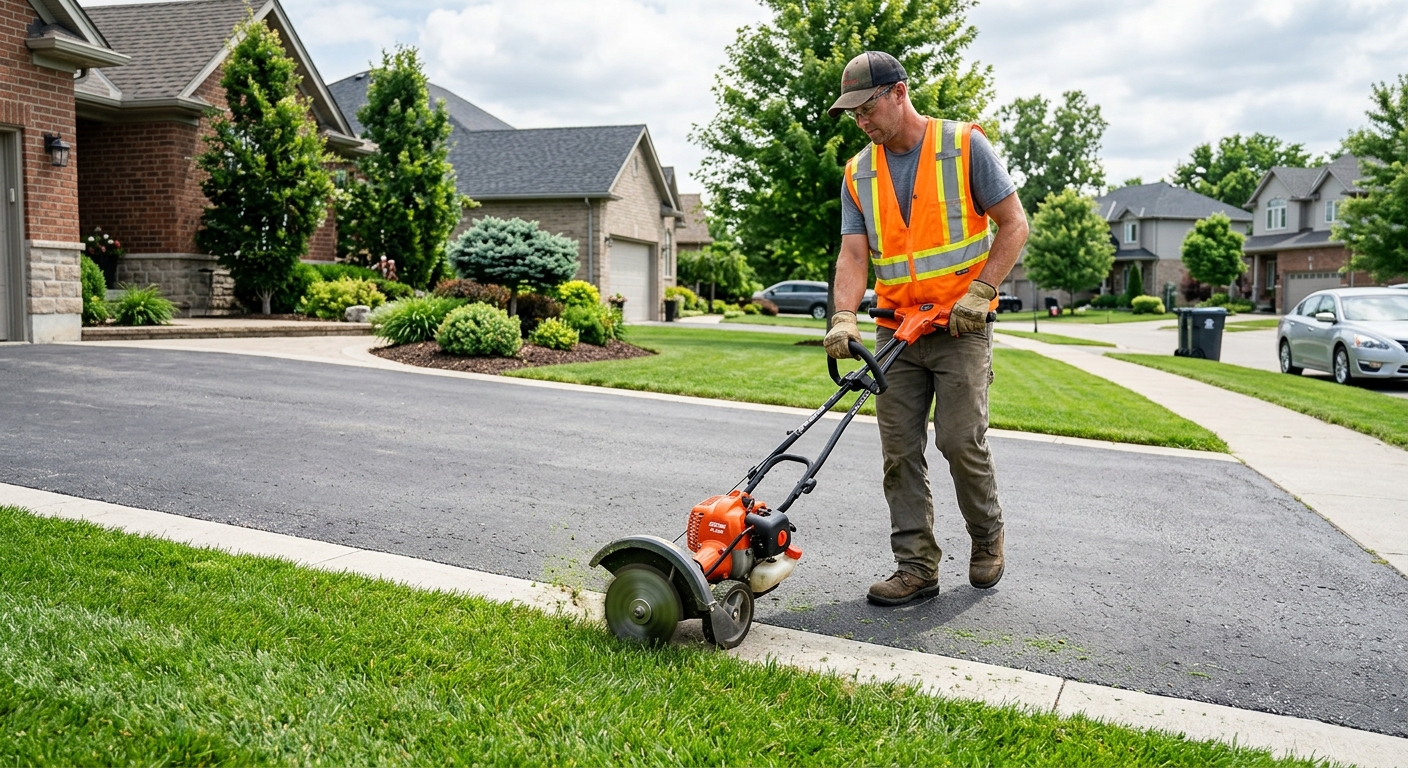
Landscaping options and costs in Taber
Taber, Alberta is a town where most homeowners can see the payoff from landscaping quickly—especially because 92.6% of homes in the area are single-detached, and each property typically has the yard space needed for upgrades that improve curb appeal and everyday comfort. With 77.4% of households owning their homes, many projects are planned as “long-term savings” moves: better drainage, hardy planting, and outdoor living that stands up to prairie wind and freeze–thaw cycles. That matters for cost.
In the Lethbridge–Medicine Hat region (hardiness zone 4b), average annual minimums can drop to roughly −31.7°C to −28.9°C, and the frost window compresses the working season to about May–September. Contractors in Taber price accordingly: materials must be prairie-hardy, irrigation is designed for efficient delivery, and construction bases for patios and retaining walls often need deeper, well-compacted aggregate to reduce heaving and movement. You’ll also notice higher labour pressure for work in areas where demand is concentrated—generally in established neighbourhoods with older housing stock (53.3% of homes built before 1981), where yards are more likely to need regrading, new topsoil, and drainage corrections.
Below are typical cost bands homeowners in Taber can expect, depending on whether you’re starting with design, upgrading lawn cover, or adding hardscape and planting for a full “ready-for-every-season” yard. Use this table as a baseline before you request itemised quotes.
| Service |
Description |
Season |
Price Range |
| Full landscape design and installation |
Site assessment, concept + planting plan, grading/drainage coordination, supply and install of softscape and hardscape as scoped |
May–September |
$8,000–$35,000 |
| Sod installation (supply, grade, lay, roll) |
Light grading, soil prep, sod delivery/laying, rolling, and starter fertilizer as included in the scope |
Late April–August (best results when soil temps support establishment) |
$4–$8 |
| Lawn seeding (grade, seed, starter fertilizer) |
Grading and raking, seed selection for prairie conditions, starter fertilizer, and initial care |
May–June or late August (weather-dependent) |
$3–$6 |
| Interlocking patio or walkway |
Excavation, compacted base, edge restraints, interlocking pavers, and jointing sand |
May–September |
$20–$55 |
| Retaining wall (interlocking block) |
Block wall build with geotextile, compacted base, drainage gravel, and proper backfill |
May–September |
$120–$300 |
| Tree and shrub planting |
Plant supply plus labour for planting, staking (if needed), mulch rings, and initial watering plan |
May–September (or early spring before full leaf-out) |
$500–$8,000 |
Prices are estimates only and vary by project scope, site access and material selection.
What affects the price of landscaping in Taber
In Taber and across the Lethbridge–Medicine Hat region, two quotes for “the same” landscaping can realistically differ by 30–50% because the scope is rarely identical once you account for grading, base preparation, plant size, and how quickly the crew can work within the short prairie season. The most important drivers are tied to hardiness zone 4b and the local frost calendar: what can survive winter and what can be installed before spring heat and late-season frosts. Prairie conditions also mean wind exposure and dry spells, so contractors often design around drought-tolerant, wind-hardy plants rather than large, thirsty varieties.
By contrast, coastal BC (zone 7–8) can support a longer growing season and lush palettes, but their costs can shift toward drainage and water management during heavy rainfall. In the dry interior BC areas, water restrictions push irrigation design costs higher and make drip systems and smart controllers more common. Southern Ontario (zone 5–6) typically has a moderate season—still needing irrigation during dry spells—but the winter freeze depth and frost movement are usually less punishing than in southern Alberta. In Taber, retaining walls, paving, and base aggregates often must be built with deeper, well-compacted foundations to reduce heaving risk, which increases excavation and material quantities. That’s why hardscape can escalate quickly compared to softer, surface-level upgrades.
Concrete examples from local pricing: (1) regrading a backyard so water stops running toward the house can add significant labour and topsoil/aggregate costs, even if you’re only “planting shrubs”; (2) moving from sod to seeding can reduce lawn budget substantially—where sod is often in the $4–$8 per sq ft band, seeding is typically lower per sq ft but takes longer to establish; and (3) adding an interlocking patio often shifts you toward the $20–$55 per sq ft range because the base is the work, not just the pavers. If your home is older (many yards were developed before modern drainage practices), you may also need more soil amendment or drainage bed work to reach stable grade.
| Price Factor |
Why It Matters |
Cost Impact |
| Yard size in sq ft — the primary cost driver for softscape |
More surface area means more soil prep, mulch, seed/sod, and edging |
Low to very high (can swing a project by thousands) |
| Grading and drainage work — slope corrections add significant cost |
Proper drainage reduces pooling and foundation moisture; it requires excavation and material movement |
Medium to high |
| Drainage bed or French drain installation |
Captures and routes water; needs trenching, gravel, and outlets sized to the site |
Medium to high |
| Plant material tier — native shrubs vs. ornamental vs. mature specimen trees |
Mature sizes cost more and require careful planting, staking, and watering support |
Low to very high |
| Hardscape vs. softscape ratio — walls and patios cost more per sq ft than lawn |
Base build (excavation + compaction) drives hardscape pricing; lawns are mostly surface prep |
High (especially if you add patios or block walls) |
| Irrigation system design and installation |
Drip zones, lines, pressure requirements, and controllers add cost but protect investment |
Medium |
| Soil amendment and topsoil required |
Improves root establishment and helps turf/plant performance in prairie soils |
Low to medium |
| Tree removal or stump grinding before new planting |
Removal adds equipment time and disposal; roots can complicate base prep |
Medium to high |
Permits & regulations in Alberta
For most landscaping in Alberta, you typically don’t need a permit for planting, sodding, and the majority of softscape work (mulching, seeding, shrub beds, and general garden bed installation). Where permits commonly come up is with retaining walls and any work that materially changes grading and drainage patterns. In most municipalities, retaining walls above a threshold—often 1.0 m (3.3 ft)—require a building permit and sometimes engineered drawings. If you’re planning a larger block wall, you’ll want your contractor to confirm requirements before excavation starts.
Also, changes to lot grading that alter how water drains toward neighbouring properties or storm sewer connections may trigger approval requirements. In all cases, call Alberta 811 for utility locates before digging planting holes, trenching for drains, or setting wall footings—hitting a utility line is an expensive mistake and can delay the schedule.
To verify your contractor in Taber, ask for three things before you sign: (1) proof of a relevant Alberta licence/registration if their scope requires it (your contractor should be comfortable providing details); (2) current liability insurance (request an original Certificate of Insurance); and (3) WSIB/WCB coverage confirmation (or clearance, depending on their business structure). A reputable crew will provide documents promptly and will align their insurance with the exact work they’re contracted to do. For irrigation and water-use specifics, confirm local water-use bylaws—these can tighten during drought conditions even in prairie communities.
Planning a landscape that thrives in Taber's climate
Designing for Taber means working with hardiness zone 4b, wind, and the freeze–thaw cycle—rather than planning a “southern” look that only survives one or two winters. Start with plant selection: choose native and prairie-hardy species that can handle dry, windy summers and cold snaps without heavy winter protection. When planning your lawn, decide early whether you want sod or seeding. Sod gives instant curb appeal and faster coverage, but it typically costs far more per sq ft than seeding and is more sensitive to improper installation timing and soil prep. In Taber, sod is usually priced in the $4–$8 per sq ft band, while seeding generally comes in lower.
Drainage and grading are critical here. Even if your yard “looks level,” subtle slope issues can create pooling and raise foundation moisture risk. Budget for correct base preparation: patios, walkways and block walls need deeper, well-compacted aggregates to reduce heaving from frost movement. That’s where hardscape often costs more per sq ft than you expect—because the base is doing the heavy lifting.
For low-maintenance design, use mulch, groundcovers, and perennial structures that don’t demand constant mowing or watering. Xeriscaping (efficient planting with mulch and drought-tolerant perennials) and rain-garden concepts can also work well where you manage runoff intentionally instead of trying to fight it with excess irrigation. As a dollars-and-sense example: if you’re upgrading a small front lawn strip, spending on seeding can be the smarter value if you’re ready to wait for establishment; but if you need full coverage for curb appeal during the first summer, sod can be justified by the time saved—then you protect the investment with proper grade and efficient watering.
| Element |
Climate Consideration |
Maintenance Level |
Price Band |
| Sod lawn installation |
Requires correct installation timing and moisture management during May–September; prairie winds can dry exposed edges quickly |
Low after establishment; medium during the first 4–6 weeks |
$4–$8 (per sq ft) |
| Native perennial garden |
Zone-appropriate plants handle winter cold and summer dryness; mulch helps insulate roots through freeze–thaw |
Low to medium (spring tidy-up and occasional weeding) |
$1,500–$6,000 (project typical) |
| Mulched shrub border |
Wind-tolerant shrubs plus mulch rings improve moisture retention and protect roots near the soil surface |
Low (replenish mulch annually as needed) |
$500–$8,000 (depends on plant sizes) |
| Interlocking stone patio |
Base compaction must resist frost heave; proper drainage keeps joints from washing out |
Low (occasional joint sand top-up and weed control) |
$20–$55 (per sq ft) |
| Retaining wall (block) |
Deep base and drainage gravel are essential in freeze–thaw to prevent movement |
Low to medium (visual checks; keep drainage clear) |
$120–$300 (per sq ft equivalent / installed) |
| Drip irrigation system |
Efficient watering supports drought-tolerant planting; designed for short season and wind losses |
Low (controller scheduling; seasonal shut-off) |
$2,000–$7,500 (typical small to mid systems) |
How to choose a landscaping contractor in Taber
Choosing the right contractor in Taber starts with verification. First, confirm they have the appropriate Alberta licensing/registration for their work scope (if applicable) and request liability insurance—ask for a current Certificate of Insurance showing they’re covered for landscaping/hardscape activities. Next, verify WSIB/WCB coverage (or the applicable clearance documentation for their business). Don’t rely on verbal reassurance; request documents before work begins so you’re not stuck if something goes wrong.
Then get 2–3 itemised written quotes. Look for a breakdown that separates labour from materials (base rock, pavers, soil/topsoil, mulch, plants, seed/sod, drainage components, and irrigation items). Make sure exclusions are explicit: for example, disposal of excess soil, cutting/repairing existing sod, site regrading scope, utility locate costs, and whether permit applications are included (where required for retaining walls or drainage-related grading approvals).
Warranty matters in southern Alberta. Ask for the workmanship warranty length (how long they stand behind installation), plus the manufacturer warranty for materials (plants and hardscape components). Also confirm if warranties are transferable if you sell your home. Payment should stay controlled: never pay more than 10–15% upfront, and hold back a final portion until the job is complete and cleaned up. Finally, require a written timeline: the start date, expected completion, and what weather-related delays could affect scheduling.
- Provide a Certificate of Insurance and confirm liability limits cover your property
- Show WSIB/WCB clearance or coverage documentation in writing
- List licences/registrations relevant to their scope (if applicable)
- Use itemised quotes with labour and material line items
- Clarify what’s included in grading, drainage, and topsoil/aggregate depth
- State whether Alberta 811 locates are included or billed separately
- Confirm disposal haul-away is included (or included up to a defined amount)
- Specify plant sizes and varieties (and whether “starter” vs larger stock is used)
- Detail irrigation scope: zones, controller type, dripline routing, and coverage
- Ask for a written workmanship warranty period and what it covers
- Agree on a payment schedule: ≤10–15% deposit, then staged payments
- Get a written start date, milestones, and completion estimate
Red flags to watch for in Taber: (1) only a “lump sum” without an itemised breakdown of base prep and materials; (2) no proof of insurance/WSIB/WCB documentation; (3) unclear excavation/grading responsibilities (especially for drainage); (4) vague warranty terms (“we stand by it”) without a duration; and (5) requests for large upfront payments beyond 10–15% or refusal to put timelines and scope in writing.
Frequently asked questions — landscaping in Taber
How do I plan a low-maintenance yard?
Start by matching the plant palette to Taber’s prairie conditions in zone 4b—choose drought-tolerant, wind-hardy shrubs and perennials so you’re not constantly replacing winter-damaged growth. Build a yard that reduces labour: use mulched beds (mulch suppresses weeds and stabilizes soil), add groundcovers where turf struggles, and design clear mowing edges. For lawn, consider seeding if you can plan for establishment time; sod is typically in the $4–$8 per sq ft band, so it’s better when you truly need faster coverage. Drainage is also “maintenance prevention”: correcting grade so water doesn’t pool near foundations reduces future erosion and rework. Work with a contractor to confirm irrigation layout and efficient drip zoning.
How deep should a retaining-wall base be for local frost?
In Taber, you plan for frost movement by building the retaining-wall base with proper excavation and compacted aggregate that extends below the active freeze zone as required by the site conditions and the wall system. A one-size number is risky because wall height, soil type, and drainage detailing change the needed foundation depth and backfill specs. What matters is that the contractor designs the base with drainage gravel, compaction, and geotextile separation where appropriate—because freeze–thaw and poor drainage lead to movement over time. As a budgeting guide, installed interlocking block retaining walls often land in the $120–$300 range depending on height and complexity. Ask the contractor to describe the base depth, base materials, and drainage outlet plan in writing.
How much does professional landscape design cost?
In the Lethbridge–Medicine Hat region, professional design is often priced as part of a larger design-and-install package or as a stand-alone design fee depending on the contractor. For many Taber homeowners, the most practical approach is bundling design with installation—typical full landscape design and installation budgets often fall within $8,000–$35,000 depending on scope. If you already know you’ll be adding hardscape and drainage corrections, having a design plan prevents expensive rework later, especially with freeze–thaw base requirements. If you only need a concept/planting plan, ask for a quote that clearly separates design time from construction line items. Make sure the design includes site drainage considerations, not just “pretty” layouts.
How do I compare landscaping quotes?
Compare quotes line-by-line, not just by total price. Ask each contractor for an itemised breakdown of labour and materials: base rock/aggregate quantities and depth, soil/topsoil amount, mulch, edging, plant types/sizes, and whether irrigation components are included. Clarify drainage scope (grading corrections, French drain beds, and any outlets) because that’s a major cost driver in Taber where pooling can cause foundation moisture issues. Confirm what’s excluded: disposal/haul-away, utility locate charges, permit handling (where a retaining wall above the local threshold may require a permit), and repairs to existing edges. Finally, ensure warranty terms and payment schedules match. If one quote includes interlocking patio base work while another only quotes pavers, the difference can easily justify the higher price.
How long does a landscaping project take in Taber?
Most Taber landscaping is planned for the May–September window because frost limits what can be installed safely and effectively. Typical timelines depend on complexity: a focused planting update or mulch refresh can take a few days, while a full design-and-install with grading, drainage adjustments, and hardscape (like an interlocking patio or block wall) often takes multiple weeks. Weather can add delays—rain can affect excavation and base compaction schedules, and late freezes can push planting timing. If your project includes sod installation (often in the $4–$8 per sq ft range), contractors also need ideal soil conditions for establishment. Ask for a written schedule with milestones and confirm how they handle weather-related pauses so there’s no confusion mid-project.
What is the best grass type for a Taber lawn?
For Taber lawns, you generally want a grass blend or cultivar suited to prairie climates with cold winters and hot, dry summers—your local supplier can recommend appropriate sod/seed mixes, and a contractor can match species to sun exposure and traffic. In practice, contractors often recommend hardy seed options over tender varieties because they establish better in zone 4b and tolerate wind stress. The “best” choice also depends on whether you’re doing sod (instant coverage but priced more, commonly $4–$8 per sq ft) or seeding (more budget-friendly per sq ft, but requires correct grading and establishment time). If your yard gets harsh afternoon sun or dries quickly, prioritise efficient watering design (drip where feasible) and consider overseeding in early fall if your contractor recommends it.