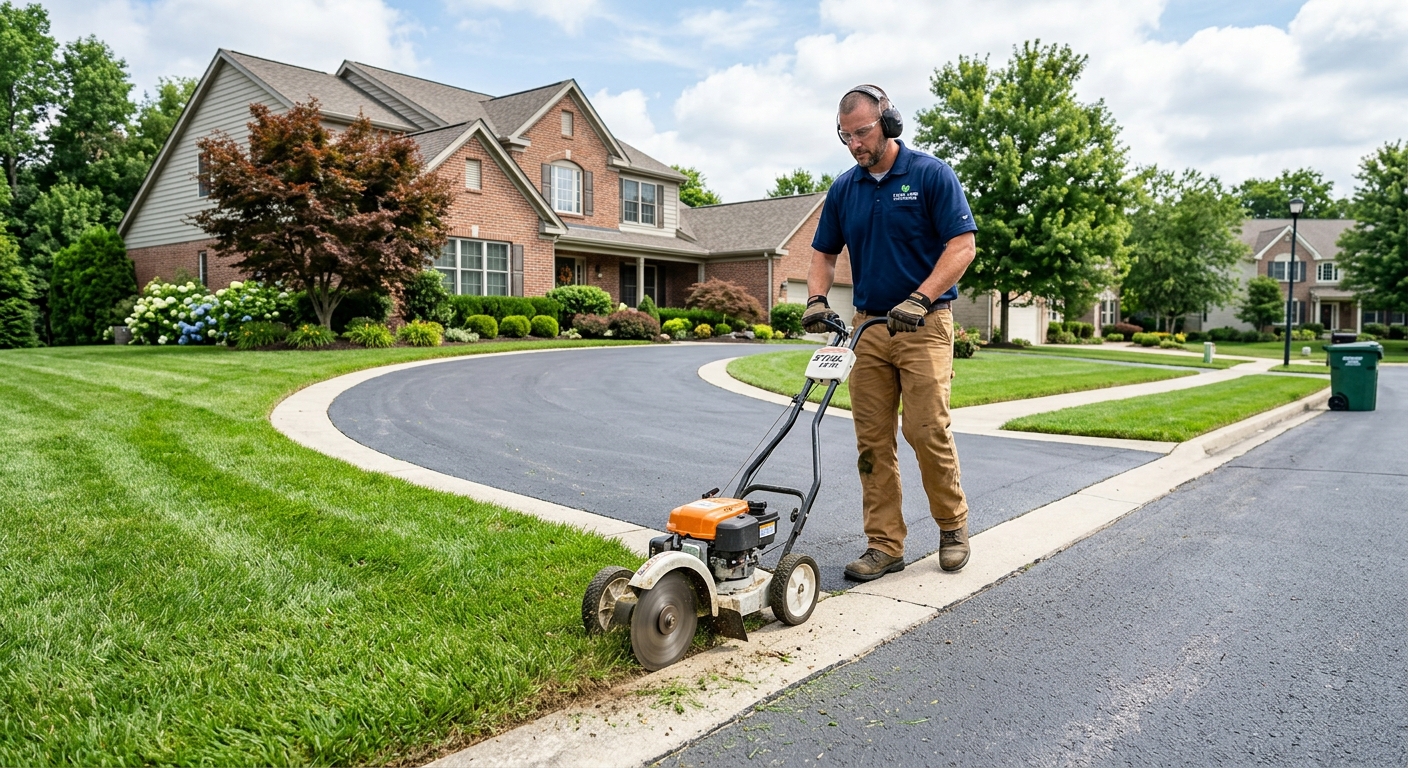
Landscaping options and costs in Tamarack
Tamarack is a growing community in southern Alberta where homeowners often want a yard that looks great right away—but also stands up to chinooks, hail, and severe freeze–thaw cycles. With a small community population of 2,348 (Statistics Canada, 2021 Census), contractor availability and scheduling can vary month to month, especially for comprehensive projects that include grading, hardscape, planting, and irrigation. In Tamarack, many households invest in their outdoor spaces because the local housing mix tends to favour single-family lots, and each detached property has the yard area that makes curb appeal upgrades feel worthwhile.
In the Calgary economic region, landscaping pricing is shaped by Prairie hardiness zones 3–4, late-spring frosts, and early fall cold snaps. That shorter season affects what can be planted (and how fast sod and seed establish), while Alberta’s freeze–thaw risk means patios, walkways, and retaining wall bases need deep, well-compacted construction with proper drainage. Labour typically represents about 40–60% of a full project in Calgary-area work, and once you add robust bases, drainage, and cold-hardy plantings, most mid-to-full scope builds land in the mid five-figure range. This demand is especially noticeable around newer developments and show-home strips in Tamarack, where neighbours compare finishes and want comparable results quickly.
Below is a practical comparison of common options and realistic price bands to help you translate your wish-list into a budget.
| Service |
Description |
Season |
Price Range |
| Full landscape design and installation |
Site walk, concept + layout, grading/drainage plan, hardscape base prep, patio/walks, planting plan, soil amendment, and irrigation coordination |
Late spring to early fall (allow time for base prep before freezes) |
$12,000–$45,000 |
| Sod installation (supply, grade, lay, roll) |
Grade correction, topsoil and levelling, supply and install sod, rolling, starter fertilizer, and first watering guidance |
Mid spring to early September |
$1,800–$5,500 |
| Lawn seeding (grade, seed, starter fertilizer) |
Light regrading, seed selection for zone 3–4, starter fertilizer, mulching/coverage, and fall/winter preparation |
Spring seeding (then re-seed if needed) or early fall |
$1,200–$3,800 |
| Interlocking patio or walkway |
Excavate, compacted base (often deeper in freeze–thaw areas), polymeric sand, edging, and proper slope away from house |
Late spring to fall |
$8,000–$28,000 |
| Retaining wall (interlocking block) |
Excavation, engineered-style drainage approach (weeper/drainage gravel where required), block installation, and backfill compaction |
Late spring to early fall |
$15,000–$38,000 |
| Tree and shrub planting |
Soil improvement, planting layout, cold-hardy species selection, staking, mulch rings, and seasonal follow-up watering plan |
Spring and early fall for best establishment |
$1,200–$10,000 |
Prices are estimates only and vary by project scope, site access and material selection.
What affects the price of landscaping in Tamarack
Even when two neighbours request the “same” landscaping job in Tamarack, quotes can swing by 30–50% across the Calgary area. The difference usually comes down to site conditions and how deep the contractor must build for Alberta’s freeze–thaw cycles. In Prairie hardiness zones 3–4, late spring frosts and early fall cold snaps shorten the window for base curing, planting establishment, and drainage verification—so labour gets scheduled tightly, and crews may need to stage equipment differently. That scheduling reality, plus the fact that freeze-resistant construction demands deeper, well-compacted bases and better drainage, drives cost up fast when scope is underestimated.
Here’s how local conditions in Tamarack raise or lower pricing. First, the shorter growing season means planting lists skew toward drought-tolerant, wind-hardy shrubs and perennials; if you want a faster “finished look” with larger specimens, the tree and shrub planting band can move toward the upper end (for example, $1,200–$10,000 depending on sizes and counts). Second, grading mistakes are expensive—correcting slope so stormwater drains away from foundations can add major excavation and base material. Third, severe freeze–thaw affects hardscape foundations: a walkway base built too shallow can heave, so contractors often go deeper and spend more time on compaction quality.
You’ll also see price movement based on the hardscape/softscape mix. Patios and retaining walls generally cost more per square foot because they require deeper excavation, more granular base, and heavier materials than lawn work. That’s why a full project can land anywhere from a targeted lawn/planting refresh to a comprehensive install closer to $12,000–$45,000 once drainage, grading, and irrigation are included. Market availability matters too: newer pockets of Tamarack can pull crew time toward show-home and repeat client builds, tightening schedules for remaining lots.
| Price Factor |
Why It Matters |
Cost Impact |
| Yard size in sq ft — the primary cost driver for softscape |
More area means more labour hours, more soil/topsoil/seed or sod, and more edging and cleanup |
Often changes pricing the most; larger lawns can add thousands even with the same finish level |
| Grading and drainage work — slope corrections add significant cost |
Pooling and foundation moisture risk require re-shaping grades and ensuring flow paths |
Commonly adds major excavation, haul-away, and re-compaction; can swing quotes by 15–30%+ |
| Drainage bed or French drain installation |
Freeze-safe drainage reduces future settlement and prevents frost heave damage |
Material + labour heavy; typically a noticeable add-on for low spots or wet downspout areas |
| Plant material tier — native shrubs vs. ornamental vs. mature specimen trees |
Larger stock and premium cultivars cost more and take more labour to plant and stake |
Can move tree/shrub planting from “budget refresh” to “statement” plantings quickly |
| Hardscape vs. softscape ratio — walls and patios cost more per sq ft than lawn |
Hardscape needs deeper bases, heavier material, and tighter tolerances |
Higher hardscape ratio can push projects into mid five-figure territory even with modest yard size |
| Irrigation system design and installation |
Zoned delivery and winter-ready installation helps establishment and reduces water waste |
Typically increases upfront cost but can prevent plant loss and reduce follow-up repairs |
| Soil amendment and topsoil required |
Poor native soils demand amendment for roots, especially in clay-leaning areas |
Can be the difference between “roots take” and “patchy growth,” raising costs for heavy amendments |
| Tree removal or stump grinding before new planting |
Stumps and roots interfere with grading and planting depths; removal adds equipment time |
Often a clear cost add-on; can also affect access and scheduling |
Permits & regulations in Alberta
In Alberta, most typical landscaping activities—like planting, sodding, and most softscape work—generally do not require a permit. That said, retaining walls are where homeowners need to pay attention. In most municipalities, retaining walls above a height threshold (commonly 1.0 m or 3.3 ft) typically require a building permit and sometimes engineered drawings, especially when structural considerations come into play. Also be careful with any work that changes lot grading: if drainage patterns shift and water is directed toward neighbouring properties or toward storm sewer connections in a way that could affect runoff, approval requirements can be triggered.
Before digging, always request utility locates. Even for planting holes, irrigation trenches, or wall footings, striking underground services is a real risk in Calgary-area communities, and locates protect both homeowners and contractors.
To verify a contractor’s credentials in Tamarack, a practical homeowner checklist looks like this:
- Confirm the contractor is licensed/registered where required for the specific scope (ask directly and request proof).
- Request a current certificate of insurance and verify the coverage reflects the job size and includes liability.
- Ask for proof of WSIB/WCB coverage (clearance letter or current proof of account coverage).
- Check that the insurance names your project address or that the policy covers the contractor’s operations at your site.
- Ensure any subcontractors are also insured for their portion of the work.
Finally, confirm irrigation and water-use expectations for your area and season. While Alberta is not BC’s interior, water restrictions and watering-window practices still influence how smart controllers and zoned irrigation are designed for compliance and efficient establishment.
Planning a landscape that thrives in Tamarack's climate
Designing for Tamarack’s climate (Prairie zones 3–4) is about working with frost timing, wind exposure, and the freeze–thaw pattern—not fighting it. Start with plant selection: choose zone-appropriate native and cold-hardy species that can handle wind and periodic dry spells. In southern Alberta, winter protection matters for new plantings; mulch depth and proper watering during establishment often determine whether shrubs and perennials come back strong. Next, decide between sod and seeding. Sod gives instant visual impact, but it costs more because it includes production and delivery, and you’re paying for fast coverage. Seeding is slower to mature but can be a smart budget move if your goal is long-term lawn density.
Drainage and grading are the make-or-break items in Calgary-area yards. Pooling near foundations leads to foundation moisture risk, while poor drainage around patios and retaining walls increases frost-heave chances. That means your contractor should plan slope away from the house and build hardscape bases deep enough for the local frost environment. For the most reliable low-maintenance results, use a layered xeriscape approach: mulch, groundcovers, perennials, and strategically placed shrubs instead of relying on water-hungry turf as the whole yard.
Here’s a dollar example you can use when comparing options. If sod and grading costs come in around $1,800–$5,500 for your lawn area, seeding may be closer to $1,200–$3,800. If you have pets or need immediate usability, sod can be justified. If you’re flexible on timing and willing to babysit establishment the first season, seeding typically stretches your budget and lets you invest the saved dollars into drainage correction or a stronger planting layout.
When possible, add a rain-garden style low point or a drip irrigation zone for beds. In Calgary’s semi-arid conditions, efficient irrigation design helps plants establish with less water and better consistency during dry periods.
| Element |
Climate Consideration |
Maintenance Level |
Price Band |
| Sod lawn installation |
Best in warmer window; roots need consistent moisture before deep freezes |
Medium first season (watering schedule, weed watch, roller check) |
$1,800–$5,500 |
| Native perennial garden |
Cold-hardy roots handle winter; choose species suited to zone 3–4 and wind exposure |
Low to medium (mulch refresh, occasional weeding) |
$1,200–$6,500 |
| Mulched shrub border |
Mulch buffers freeze impact and reduces moisture loss during Chinook dry spells |
Low (seasonal pruning, mulch top-ups) |
$1,000–$7,000 |
| Interlocking stone patio |
Freeze–thaw-safe base preparation is critical to prevent heaving and settling |
Low (occasional sand top-up, cleaning) |
$8,000–$28,000 |
| Retaining wall (block) |
Deep, well-compacted base and proper drainage reduce movement through winter cycles |
Low (visual inspections and drain maintenance checks) |
$15,000–$38,000 |
| Drip irrigation system |
Zoned, frost-aware installation improves bed establishment without overwatering turf areas |
Medium (seasonal start-up/shut-down and controller settings) |
$2,000–$7,500 |
How to choose a landscaping contractor in Tamarack
Choosing a contractor in Tamarack gets easier when you verify three things: licensing/authorization (where applicable), liability insurance, and WSIB/WCB coverage. Ask for proof before any work starts. For Alberta, confirm the contractor can legally perform your scope; then request a certificate of insurance showing current general liability coverage. For WSIB/WCB, look for a clearance letter or current proof of account coverage—don’t accept verbal reassurance. If the contractor uses subcontractors for excavation, drainage, or hardscape finishing, ask for evidence that those subcontractors are insured as well.
Next, get 2–3 itemised written quotes rather than a single lump sum. Itemisation should separate labour and materials (and specify items like topsoil type, base depth approach, drain media if included, sod/seed quantities, and plant sizes). Read the exclusions carefully: is permit pulling included for retaining walls if needed, is disposal included (haul-away), and are utility locates covered? In Alberta, these details affect both schedule and final cost.
Warranty matters too. Ask for the workmanship warranty length (and what it covers), and confirm the manufacturer or supplier warranty for products like irrigation components or plant materials where applicable. Also ask whether warranties are transferable if you sell your home.
Payment schedule should be cautious: never pay more than 10–15% upfront. Hold back a portion until the job is complete and you’ve accepted deliverables. Finally, insist on a timeline in writing with a start date, key milestones, and a completion estimate—especially important in Calgary’s late-spring and early-fall windows.
- Proof of insurance (certificate) and WSIB/WCB coverage before signing.
- Clear scope: base prep depth and drainage responsibilities for hardscape.
- Itemised quote showing quantities (sq ft of sod/seed, patio sq ft, wall linear ft, plant count and sizes).
- Explicit inclusions/exclusions (permit pull, disposal/haul-away, utility locates).
- Warranty terms in writing for workmanship and materials.
- Material specs (block type, edging system, soil amendment level, seed mix type).
- Site protection plan (fencing, turf protection during grading, vehicle access path).
- Schedule plan that respects frost dates and curing times for bases.
- Communication expectations (who to call, response time, daily updates during critical stages).
- No-pressure change-order process—document changes in writing with pricing.
- Reasonable deposit (10–15% max) and staged payments tied to milestones.
- Post-install follow-up plan (watering schedule, re-check window for seed/sod).
Red flags I see in Tamarack include: quotes that don’t explain drainage and base depth (especially for patios and walkways), missing or expired insurance/coverage documentation, deposits that exceed 10–15% with no contract milestones, vague scopes that bundle everything without quantities, and crews starting excavation without confirming utility locates or confirming permit requirements for retaining walls.
Frequently asked questions — landscaping in Tamarack
How long does a landscaping project take in Tamarack?
Project timelines in Tamarack depend heavily on freeze–thaw risk, access, and whether drainage/grading is included. A focused job like planting shrubs and laying a small border can take 1–3 days, while sod or seeding plus preparation may take about 2–5 days total. Hardscape projects need more time because base preparation and compaction come first, and weather affects curing and surface readiness—so patios and walkways often take 3–10 working days depending on patio size and thickness/base depth. Retaining walls can take longer due to excavation, backfill compaction, and drainage media setup. For full landscaping (design + grading + planting + irrigation coordination), expect mid-five-figure projects like $12,000–$45,000 to commonly take several weeks of calendar time, even if the crew work is shorter, to protect establishment and staging.
What is the best grass type for a Tamarack lawn?
For Alberta’s zone 3–4 conditions around Tamarack, the best lawns are usually cool-season, drought-tolerant types that tolerate both winter and periodic summer dry spells. In practice, many homeowners choose a mix formulated for southern Alberta that focuses on density and wear tolerance rather than purely fast germination. If you’re aiming for a uniform look, seeding mixes tailored for Calgary-area conditions typically include blends designed for cold hardiness and recovery. If you want an instant green cover, sod is often the faster route, but it still needs correct watering through establishment—especially before deep freezes. Pricing varies by size, and sod projects commonly fall in the $1,800–$5,500 band for typical Tamarack lots, while seeding is often less upfront. A local contractor can recommend the exact cultivar mix based on sun exposure and traffic patterns in your yard.
When should I aerate and overseed my lawn in Tamarack?
In Tamarack and the broader Calgary region, the safest approach is to plan around temperature swings and frost. Aeration and overseeding are usually best in spring once the ground is workable (and you can keep seed moist) or in early fall when temperatures cool but the soil remains active enough for germination. Avoid aerating right before a hard frost or during periods when the lawn will go dormant quickly—germination depends on consistent moisture and soil warmth. After overseeding, keep traffic off the area and water lightly and frequently until seedlings establish, then transition to deeper, less frequent watering. If your lawn is thin from summer stress, overseeding plus soil amendment often outperforms “seed only.” If you’re doing major lawn work, many homeowners start from a clean baseline rather than repeated aeration, especially when planning hardscape and drainage changes.
What trees grow best in Tamarack's climate zone?
For Tamarack’s Calgary-area zone 3–4 conditions, the “best” trees are the ones proven for cold hardiness, wind tolerance, and Alberta winter survival. Commonly chosen options include species like Norway Spruce (great screening, but requires site fit), Alberta Spruce (often used for hedging), and small-to-medium shade trees that are selected for cold resistance. Some homeowners also like fruiting or ornamental trees if they’re sited where wind is reduced and the yard has good drainage. The key is matching the tree’s mature size to your yard and keeping root zones from being waterlogged—especially if you’ve had grading changes or downspout drainage redirected. A strong planting program usually includes correct planting depth, soil amendment, mulch ring placement (not against the trunk), and staking only if required. If you’re budgeting tree and shrub planting, typical packages in Tamarack often land within $1,200–$10,000 depending on tree sizes and quantity.
How much does sodding a yard cost in Tamarack?
Sodding cost in Tamarack depends on lawn area, how much grading/levelling is required, and whether you need new topsoil and soil amendment. Sod itself is only part of the expense: contractors spend time preparing the base so it doesn’t settle unevenly in future freeze–thaw cycles. For typical lots, sodding (supply, grade, lay, and roll) often falls in the $1,800–$5,500 range, with higher costs when access is tight or when significant drainage correction is needed. If your goal is immediate usability for kids or pets, sod is frequently worth the premium versus seeding. If you’re flexible on timing, seeding can be more budget-friendly—often closer to $1,200–$3,800—and you can allocate the difference toward drainage or a more robust planting bed.
How do I prevent weeds in my Tamarack garden?
Weed prevention in Tamarack is mostly about reducing bare soil and improving the installation quality before plants mature. Start with good soil prep: remove established weeds and roots, then add a proper soil amendment where needed. Use mulch in beds—apply a consistent thickness and keep it slightly pulled back from plant crowns to prevent rot. A weed barrier can help in certain areas, but it’s not a substitute for good plant spacing; if plants are too far apart, weeds still invade. For tougher areas, install groundcovers and perennial clusters instead of leaving the soil open. If you’re also working on hardscape, edging matters: clean edges prevent grass encroachment into beds, which often gets misidentified as “weeds.” Finally, water correctly: overwatering can encourage weed flushes. During Alberta’s shorter season, a tight early-season maintenance routine prevents weeds from setting seed.