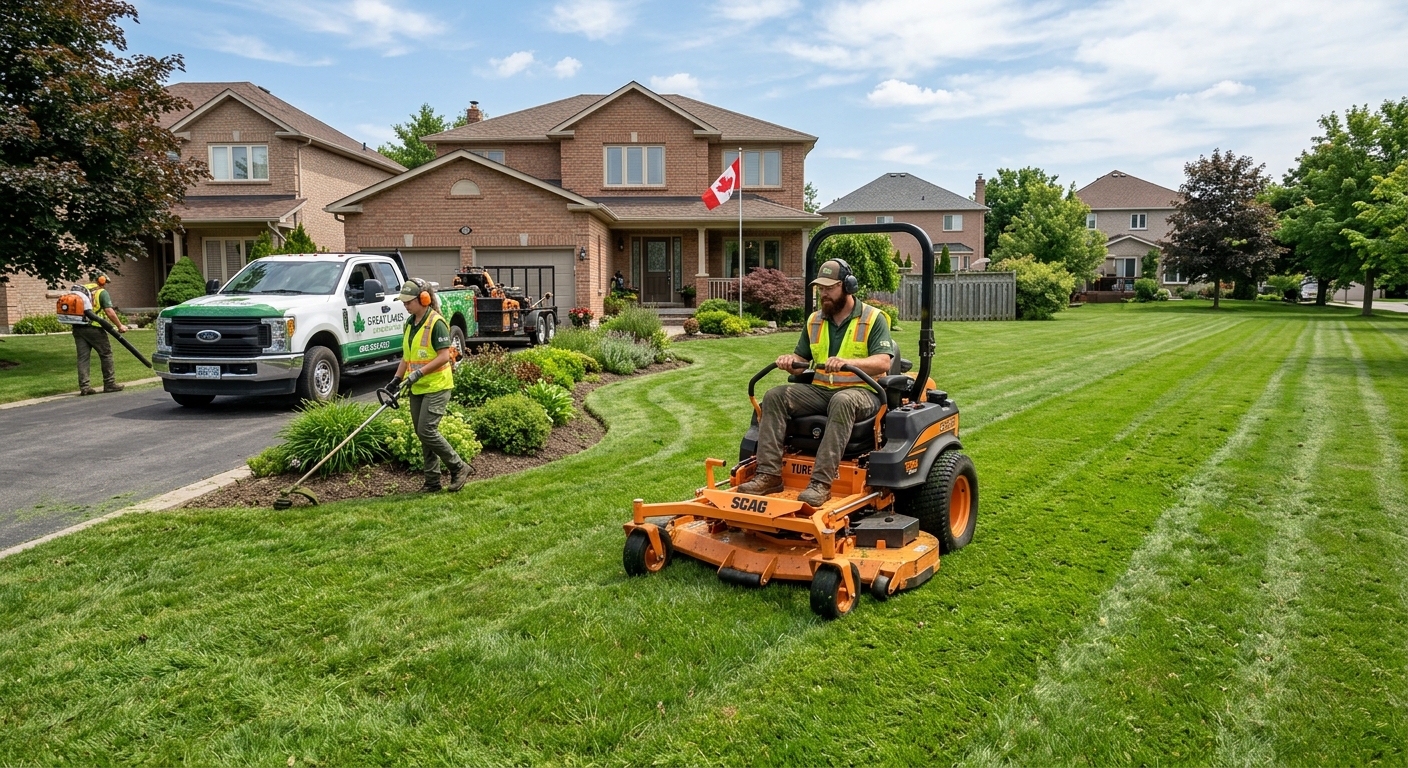
Landscaping options and costs in Indian River
Landscaping in Indian River is typically easier to plan than in much of Canada because the yard-friendly Lower Mainland–Southwest climate supports plant growth for longer stretches. With a population of 3,684 (Statistics Canada, 2021 Census), the market is smaller and many homeowners in the area prioritise curb appeal when planning changes to detached home yards and front entries. That translates into steady demand in neighbourhoods and shopping-adjacent areas where driveways, walkways and entry landscaping get upgraded first—often around the Indian River core and nearby residential pockets where access for trucks and delivery is more straightforward.
In this region, typical plant hardiness aligns to Zone 7–8, with mild, wet winters and long, cool summers. Labour is available more consistently than in short-season regions, but pricing still reflects wet-week scheduling, soil preparation, and the need to design around freeze–thaw cycles for any patios, steps or retaining walls. Even though winter damage risk is lower than many parts of Canada, heavy rain can soak the ground for days, so contractors price drainage and compaction carefully to protect foundations and prevent pooling.
To help you compare like-for-like scope, use the table below as a realistic starting point for budgeting in Indian River.
| Service |
Description |
Season |
Price Range |
| Full landscape design and installation |
Site visit, grading/drainage plan, plant palette, softscape + hardscape build (typical includes topsoil/soil amendment and cleanup) |
Almost year-round; best in spring–fall (avoid the wettest stretches) |
$15,000–$45,000 |
| Sod installation (supply, grade, lay, roll) |
Remove old turf, fine-grade, compact, soil amendments, sod install and initial watering guidance |
Spring through early fall (best before persistent fall rains) |
$2,500–$7,500 |
| Lawn seeding (grade, seed, starter fertilizer) |
Soil prep, seeding, starter fertilizer, light rake/roll; follow-up care to establish density |
Late spring through summer; early fall in drier windows |
$2,000–$5,500 |
| Interlocking patio or walkway |
Excavation, base (crushed stone), edging, levelling sand, pavers/brick, jointing stone and finishing |
Spring–early winter (skip the worst freeze–thaw windows) |
$10,000–$35,000 |
| Retaining wall (interlocking block) |
Block wall build with proper base depth, drainage behind wall, backfill and compaction |
Spring–fall; plan footings around wet ground conditions |
$15,000–$55,000 |
| Tree and shrub planting |
Soil amendment, planting holes, staking (if needed), mulching, first-season establishment plan |
Spring–fall (wet winter weeks avoided) |
$2,000–$12,000 |
Prices are estimates only and vary by project scope, site access and material selection.
What affects the price of landscaping in Indian River
In Indian River and across the Lower Mainland–Southwest, two homeowners can receive quotes for the “same” landscape that differ by 30–50% because the drivers are rarely identical: how much grading is required, what drainage is added, how much hand-labour goes into excavation, and how premium the plant and hardscape selections are. In British Columbia generally, the climate lets you install and plant longer than in Prairie cities, but it also means wet soils, temporary access issues, and drainage details that contractors must build into every estimate.
Cost swings also come from how Zone 7–8 and the frost calendar shape both the growing palette and the construction window. In coastal BC, lush, layered designs are achievable because winter injury risk is lower, so more landscaping looks “finished” sooner. However, retaining wall and patio work still must account for freeze–thaw cycles: bases need to reach deeper and drainage must be designed so water doesn’t sit under slabs or behind walls. By comparison, Prairie regions (Zones 2–4) often require drought-tolerant, wind-hardy plants and deeper frost-proofing, while southern Ontario (Zone 5–6) has a moderate season but often needs irrigation planning for dry summer spells. The dry BC interior and Alberta also push irrigation design choices because water constraints can reduce when and how you water.
Concrete examples that raise cost in Indian River: (1) a sloped front yard that needs regrading to prevent foundation moisture can move a project from mid-band to upper-band fast; (2) adding a French drain or drainage bed behind a block wall increases excavation and material quantities. On the other hand, if your site is relatively level and the soil is already workable, you can keep costs closer to the lower end of the $10,000–$80,000 hardscaping band and the $1,000–$15,000 planting band. Housing age can matter too—older properties with compacted fill or poorly draining edges often require more soil amendment and drainage corrections, sometimes adding thousands even when the visible “landscape” is small.
| Price Factor |
Why It Matters |
Cost Impact |
| Yard size in sq ft — the primary cost driver for softscape |
More area means more excavation, soil, plants, labour hours, and materials (topsoil/seed/sod) |
Can change the quote by 20–60% |
| Grading and drainage work — slope corrections add significant cost |
Correcting pitch away from foundations and reshaping swales requires more dig/excavate and re-compaction |
Often adds $3,000–$15,000 depending on site complexity |
| Drainage bed or French drain installation |
Subsurface drainage controls pooling and protects walls, patios and planting roots |
Commonly adds $2,500–$12,000 |
| Plant material tier — native shrubs vs. ornamental vs. mature specimen trees |
Specimen size increases cost, labour to handle, and sometimes engineering for stability/staking |
Mature trees can add $1,000–$8,000 per specimen |
| Hardscape vs. softscape ratio — walls and patios cost more per sq ft than lawn |
Paver/base/edging and compaction are labour and material intensive |
Shifts the budget toward the upper hardscape band quickly |
| Irrigation system design and installation |
Efficient layouts (drip/zoning/smart controllers) cost more upfront but reduce water waste and call-backs |
Can add $1,500–$8,000+ |
| Soil amendment and topsoil required |
Heavy rainfall can wash fine soil; poor native soil often needs amendment for healthy root development |
Frequently adds $500–$6,000 |
| Tree removal or stump grinding before new planting |
Access, disposal, and the amount of grinding directly affect time and equipment costs |
Often adds $600–$5,000+ |
Permits & regulations in British Columbia
In British Columbia, most planting and routine softscape work—such as planting new shrubs and trees, laying sod, installing mulch beds, and building paths with minimal grading—typically does not require a permit. Retaining walls are the big exception: if a wall is above the local height threshold (commonly around 1.0 m in many municipalities), a building permit is typically required and you may sometimes need engineered drawings depending on conditions and height.
Also watch grading approvals. If your project changes lot grading in a way that affects drainage to neighbouring properties or directs water toward storm sewer connections, approvals may be triggered. Because Indian River-area soils can stay wet for stretches, contractors often need to re-shape grades to prevent pooling and protect foundations; that’s where the paperwork question comes up most.
Before any digging for planting holes or wall footings, ensure proper utility locates are completed. Even a small drainage trench can hit buried services.
How to verify a contractor in Indian River, BC, step-by-step:
- Licence/registration: check the provincial business/contractor registry listing for the company name and confirm the trade category aligns with the work.
- Certificate of insurance: ask for a COI showing general liability and the correct job address listed.
- Workers’ coverage: request proof of WCB coverage (or the contractor’s clearance letter), then confirm the coverage is active.
- Ask for it before site prep: you should see these documents early, before excavation begins.
Planning a landscape that thrives in Indian River's climate
Planning a yard that thrives in Indian River starts with working with the local frost calendar and Zone 7–8 conditions, not fighting them. Spring planting can begin as soils dry in the cool early-season window, and fall planting often stays feasible into November, but the wettest winter weeks can slow down softscape installation. For best results, aim for plant choices that suit coastal BC conditions—healthy root zones, good drainage, and species that tolerate mild winters with consistent moisture.
Plant selection is your first lever. Choose native and zone-appropriate shrubs, groundcovers and perennials to reduce winter protection needs and limit constant replanting. For lawns, decide between sod and seeding based on budget and how quickly you need coverage: sod gives instant results but typically costs about 3–4x more per sq ft than seeding in labour-and-material terms. In contrast, seeding is usually a better value if you can wait for density and maintain watering during establishment.
Drainage and grading matter most in the Lower Mainland–Southwest. If you have any slope toward a foundation, plan for regrading and, when needed, a drainage bed or French drain so water doesn’t pool. For hardscape—patios, steps and retaining walls—base preparation must account for freeze–thaw cycles: deeper bases, proper compaction and correct slope to drains prevent movement and cracking.
For low-maintenance design, layer groundcovers, apply mulch to suppress weeds, and use perennials that repeat reliably. If you want a water-smart upgrade, pair rain gardens or swales with hardy plants in the wet-to-dry transition areas—often a strong fit for periods of heavy rainfall. As a dollar example: if your lawn is a small area, spending the additional budget to keep to the sod band (often around $2,500–$7,500 for a typical job size) can be justified for immediate curb appeal; but for budget stability, seeding in the $2,000–$5,500 range can deliver solid results when you commit to establishment care.
| Element |
Climate Consideration |
Maintenance Level |
Price Band |
| Sod lawn installation |
Zone 7–8 growth; best when the ground is workable and establishment watering is manageable |
Low to medium (establishment watering first season) |
$2,500–$7,500 |
| Native perennial garden |
Handles coastal moisture swings; long growing season supports layered bloom |
Low (mulch refresh and seasonal weeding) |
$3,000–$12,000 |
| Mulched shrub border |
Wet winters benefit from proper drainage and well-amended planting beds |
Low (annual mulch/top-up) |
$2,500–$9,500 |
| Interlocking stone patio |
Freeze–thaw protection via deeper bases and correct grading for runoff |
Low (occasional joint re-stone, seasonal sweep) |
$10,000–$35,000 |
| Retaining wall (block) |
Base depth and drainage behind wall prevent movement and water build-up |
Low (periodic inspection of drainage and weep paths) |
$15,000–$55,000 |
| Drip irrigation system |
Efficient watering supports plant health during occasional restrictions or high-cost water periods |
Medium (seasonal settings/maintenance) |
$1,500–$8,000+ |
How to choose a landscaping contractor in Indian River
Start with verification. In British Columbia, ask for proof of general liability insurance and confirm the job address is listed on the certificate. For workers, request evidence of WCB coverage (or a clearance letter) before work begins—this protects you and the contractor. Also confirm the company is properly registered to operate and matches the scope (design/build, hardscape, irrigation, etc.). If they hesitate or won’t provide documents quickly, that’s usually a sign you’ll pay later through change orders.
Then get 2–3 itemised written quotes. You want labour and materials broken out: excavation and base materials for hardscape, topsoil and amendment amounts for beds, and per-item line pricing for trees/shrubs. A lump sum can hide what’s excluded—like disposal, haul-away, site protection, or temporary fencing. Ensure the quote states whether a permit pull is included (where required), and whether turf removal, grading adjustments, and cleanup are part of the base scope.
Look closely at warranty. Ask for a workmanship warranty length (how long they stand behind settling, drainage performance, and paver alignment) and the product/manufacturer warranty on items like irrigation controllers, pumps, and tree stock. Confirm if warranties are transferable to you as the homeowner.
Payment schedule matters: never pay more than 10–15% upfront for materials and setup, and hold back a portion until the job is complete and cleaned. Finally, insist on a start date and completion estimate in writing—especially important in Indian River where wet ground can delay excavation and base preparation.
- Request insurance COI and check the job address is correct.
- Ask for WCB clearance letter (or active coverage proof) before any digging.
- Use itemised quotes with quantities (sq ft of sod/seeding, patio area, wall length/height).
- Confirm what’s included in grading and drainage—topsoil depths, base thickness and compaction notes.
- Verify disposal/haul-away is included (old sod, rock, excess soil).
- Clarify permit responsibility for retaining walls above the typical threshold.
- Ask who calls utility locates before digging planting holes or footings.
- Check the warranty: workmanship duration, what it covers, and claim process.
- Confirm product warranties and whether they transfer to the homeowner.
- Inspect sample work photos taken near similar soil conditions and drainage needs.
- Ensure a realistic timeline includes wet-week scheduling buffer.
- Confirm payment terms: 10–15% upfront maximum and final holdback at completion.
Red flags I see too often in Indian River: contractors who won’t provide a COI or WCB proof; quotes that aren’t itemised and omit disposal/haul-away; “complete the job” promises without dates; vague scope language for grading/drainage (“we’ll fix it later”); and asking for most payment upfront or refusing a warranty discussion.
Frequently asked questions — landscaping in Indian River
How much does sodding a yard cost in Indian River?
Sodding in Indian River commonly lands in the $2,500–$7,500 estimate range for a typical homeowner-sized yard, depending on how much prep is required (old turf removal, fine grading, soil amendment) and whether there’s edging and top-up around existing beds or walkways. In the Lower Mainland–Southwest (Zone 7–8), sod often establishes quickly because the growing season is long, but contractors still budget for careful base prep and timely watering guidance during establishment. If your yard has drainage issues or needs regrading away from a foundation, expect the quote to move toward the higher end. Always ask whether the price includes labour for haul-away and compacting, not just the sod roll and laying.
How do I prevent weeds in my Indian River garden?
Weed prevention in Indian River is mostly about reducing light to weed seeds and improving the planting bed structure. A good approach is a properly edged mulch bed (no grass contact) with a weed-control fabric only when it matches your plant types—then topped with enough mulch depth to block light. If you’re currently battling quack grass or persistent roots, mechanical removal and spot treatment before mulching matters more than relying on fabric alone. For shrubs and perennials in coastal BC’s wet winters, focus on drainage too—waterlogged beds can thin plants and open gaps where weeds move in. For best results, choose a dense plant palette (groundcovers and repeating perennials) so there’s less bare soil to colonise.
How do I design a low-water yard in Indian River?
In Indian River and the broader Lower Mainland–Southwest, low-water doesn’t mean “no watering,” but it does mean efficient watering and drought-tolerant planting where possible. Use a layered design: native shrubs and perennials, groundcovers, and mulch to reduce evaporation. Then install drip irrigation with zoning and a smart controller so you water only where plants need it. This matters because even in coastal BC (Zone 7–8), water costs and occasional restrictions can affect schedules. If you’re starting from sod, consider reducing lawn area first; lawn has higher long-term irrigation demand than beds. A budget example: moving from a sod-heavy plan (often $2,500–$7,500 for typical jobs) toward a seeded or smaller lawn area can free budget for irrigation upgrades and more resilient beds.
How do I find a licensed landscaper in Indian River?
To find a reliable landscaper in Indian River, start by requesting proof of appropriate registration/licence for the work they’ll do, plus a certificate of insurance (general liability) that lists your address. Next, ask for WCB coverage evidence or a clearance letter—don’t wait until after work starts. You can also verify the business presence through provincial online registries and then compare the documents to the contractor name on your quote. When you meet them, ask what happens to warranties and who handles drainage issues if pooling occurs after install. Get 2–3 itemised written quotes so you can compare labour, materials, and whether disposal and any permit-related requirements (common with taller retaining walls) are included.
How much does landscaping cost in Indian River?
Landscaping costs in Indian River vary widely based on whether you’re doing softscape only (plants and lawn) or a full design/build with hardscape and drainage. As a rough budget anchor, many typical full projects fall within the $5,000–$50,000 band, depending on scope and site conditions like regrading. For example, sod installation commonly sits around $2,500–$7,500 for a typical yard size, while tree and shrub planting often ranges about $2,000–$12,000 for fuller installations with soil amendment and mulch. Hardscaping (patios and retaining walls) is where costs climb faster because excavation, base materials, and drainage behind walls are labour intensive—patios and walkways often start around $10,000 and retaining walls frequently land in the $15,000–$55,000 area. Always compare quotes based on the same quantities and included scope.
What plants thrive in Indian River's climate zone?
Indian River aligns well with the Lower Mainland–Southwest growing conditions in plant hardiness zones 7–8, so you can use a broader mix of shrubs, evergreen structure, and long-blooming perennials than colder parts of Canada. Thrive strategies focus on drainage and root health: choose native or zone-appropriate plants that handle coastal moisture and cool summers. In practice, that often means evergreen shrubs for year-round structure, perennials that bloom through spring and into summer, and groundcovers to reduce weeds and conserve moisture under mulch. If you’re planning a low-water yard, pair those plants with drip irrigation and mulch. A contractor can fine-tune selections by checking sun exposure (front versus shaded side) and whether your yard holds water after winter rains.