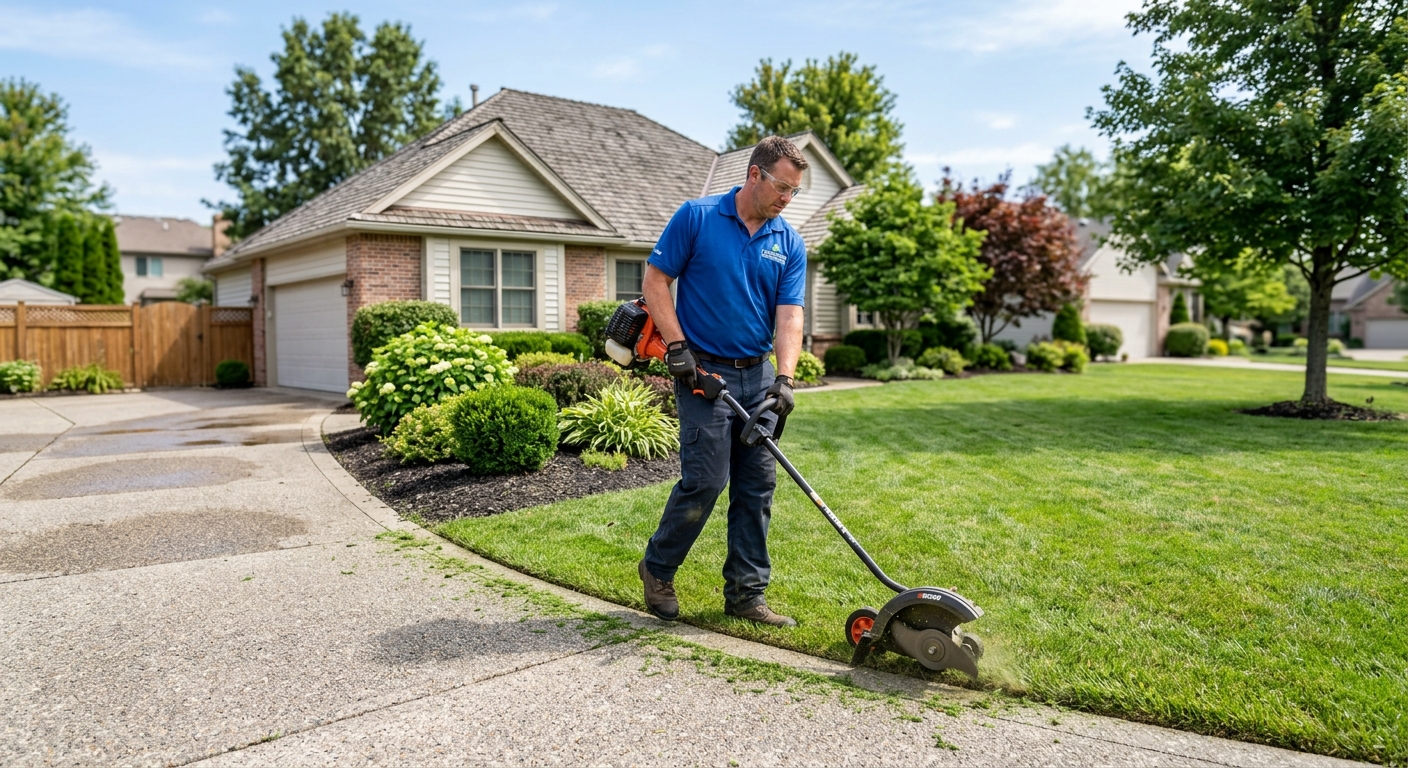
Landscaping options and costs in Kaleden
In Kaleden, landscaping decisions are shaped by the fact that the community is small—there are 1,186 residents in the area (Statistics Canada, 2021 Census)—and that most homeowners with yards have the room to invest in softscape and year-round structure. While Kaleden’s housing mix varies, the key practical point is that a detached yard typically gives you better opportunities for layered planting, drainage correction, and outdoor living additions. In the Lower Mainland–Southwest, the climate cost equation is different than much of the rest of British Columbia: plant hardiness zones 7–8 and long, cool growing seasons allow contractors to stage more work across spring to late fall, which can keep labour availability tighter but schedules more predictable. Winters are usually mild and wet, so soil rarely stays frozen for long—yet freeze–thaw cycles still matter for patios and retaining walls, where drainage and compaction are essential to prevent frost heave on sloped sites common in the region.
For residents looking for the most reliable demand, the trade tends to be especially active around the village core and along the valley roads where driveways, walkways, and drainage upgrades are frequent add-ons to curb appeal work. With that in mind, the pricing below outlines the typical service ranges contractors quote for Kaleden projects, from full landscape installs to irrigation and planting packages. Use it as a backbone when comparing bids.
| Service |
Description |
Season |
Price Range |
| Full landscape design and installation |
On-site assessment, concept + planting plan, grading/drainage coordination, hardscape and softscape install, and finishing (mulch, topsoil, edging) |
Spring to late fall (often staged across the wettest winter weeks) |
$12,000–$48,000 |
| Sod installation (supply, grade, lay, roll) |
Soil prep, grading for slope, starter fertilizer, sod delivery/laying, rolling, and initial watering guidance |
Best late spring through early fall |
$3,200–$7,500 |
| Lawn seeding (grade, seed, starter fertilizer) |
Light grading, seed + starter fertilizer, seed-to-soil contact, and early maintenance schedule |
Spring and early fall |
$1,800–$4,800 |
| Interlocking patio or walkway |
Base excavation, compacted granular base, edging, interlocking stone/pavers, jointing sand, and drainage-aware grade |
Spring to fall (allowing cure time before heavy rain) |
$8,500–$32,000 |
| Retaining wall (interlocking block) |
Excavation and drainage gravel, geotextile, reinforced base preparation, block install, cap stone, and backfill |
Spring to fall |
$14,000–$65,000 |
| Tree and shrub planting |
Soil amendment, planting, staking (as needed), mulch rings, and watering plan for establishment |
Most of the planting window in mild seasons |
$2,500–$12,000 |
Prices are estimates only and vary by project scope, site access and material selection.
What affects the price of landscaping in Kaleden
In Kaleden and across Lower Mainland–Southwest, you can see the same landscaping scope come in 30–50% apart between quotes. The gap usually isn’t just “markup”—it’s the difference between a simple surface refresh and a design-backed install that includes proper grading, drainage correction, soil conditioning, and long-term plant establishment. Labour availability and scheduling also play a role because the working and growing season is long in coastal BC, so crews can be booked for other installs when homeowners want the best turnaround. When contractors plan around the local frost dates and long wet winters, they often adjust excavation depth, base preparation, and irrigation efficiency—those decisions can add cost but reduce failures later.
Plant hardiness zone and frost timing define what grows and how long crews can work. In Lower Mainland–Southwest (zones 7–8), you can use broader palettes and lush layering, but you still need drainage detail because wet winters can keep soil saturated. Coastal BC soil rarely freezes deeply, yet patios and retaining walls must still be built for freeze–thaw cycles, with bases dug deeper and compacted to reduce frost heave. By contrast, Prairie regions (zone 2–4) often require drought-tolerant, wind-hardy planting and deeper frost-line considerations for walls. The dry BC interior and Alberta climates drive irrigation design choices and can affect material selections; Southern Ontario (zone 5–6) often brings a moderate season with summer dry spells where supplemental watering is needed.
Two concrete Kaleden examples: (1) If your yard has a slope that sends runoff toward a foundation, adding grading + drainage can move a project into the retaining-wall & hardscaping band (for example, $10,000–$80,000) because excavation and gravel trenches multiply labour hours. (2) If you replace sod with seeding, you may shift closer to the lawn seeding range ($2,000–$8,000 for sod vs. lower seeding budgets) because seed establishment is cheaper but takes longer to fully “fill in.” Even the age of the housing stock matters—older homes often have outdated drainage patterns and compacted soils, which can require extra topsoil and soil amendment to support newer planting.
| Price Factor |
Why It Matters |
Cost Impact |
| Yard size in sq ft — the primary cost driver for softscape |
More area means more excavation, topsoil, amendment, mulch, seed/sod, and labour time |
Can swing pricing by 20–60% |
| Grading and drainage work — slope corrections add significant cost |
Correcting runoff direction and establishing proper fall for patios/bed edges takes more excavation and re-compaction |
Often adds 10–25% |
| Drainage bed or French drain installation |
Perforated pipe, gravel, geotextile, and tie-ins increase material and labour; benefits are high on saturated sites |
Commonly adds 5–30% |
| Plant material tier — native shrubs vs. ornamental vs. mature specimen trees |
Size and maturity change labour (handling/staking) and the cost of stock |
Can add 15–45% |
| Hardscape vs. softscape ratio — walls and patios cost more per sq ft than lawn |
Pavers and blocks require bases, compaction, edging, and more precise labour |
Can double per-sq-ft cost vs lawn |
| Irrigation system design and installation |
Drip lines, valves, controller wiring, and zone layouts cost more upfront but reduce water stress during establishment |
Often adds 8–25% |
| Soil amendment and topsoil required |
Heavy clay/compacted fill needs amendment quantities and sometimes increased depth to support root growth |
Typically adds 5–20% |
| Tree removal or stump grinding before new planting |
Access, stump volume, and disposal/haul impacts equipment time |
Often adds 10–35% |
Permits & regulations in British Columbia
In British Columbia, most typical homeowner landscaping work—planting, sodding, and the majority of softscape installations—generally does not require a building permit. That usually includes tasks like laying sod, installing mulch beds, seeding lawns, building garden edging, and planting shrubs/trees (as long as you’re not altering protected services or disturbing regulated drainage in a way that triggers approvals). Retaining walls are where permits commonly come into play: retaining walls above a height threshold (often 1.0 m / 3.3 ft in many BC municipalities) may require a building permit and sometimes engineered drawings, especially if the wall is designed to retain significant surcharge or has complex site conditions.
Also confirm approval needs if you plan lot grading changes that affect drainage toward neighbouring lots or storm sewer connections. Before digging any planting holes, trenching for drains, or installing wall footings, arrange utility locates—this is critical for avoiding buried services (and delays). Finally, check irrigation and water-use bylaws. While Kaleden sits in the coastal BC context with fewer extreme summer bans than the dry BC interior, rules can still tighten during drought-like periods across BC.
To verify a contractor is properly covered in British Columbia, ask for three items in writing: (1) licence/registration details listed online (from the relevant BC registry for landscape contractors where applicable), (2) liability insurance certificate naming you as an additional insured where possible, and (3) proof of workers’ compensation coverage (WCB/clearance details). If they hesitate or can’t provide documents, treat it as a major risk.
Planning a landscape that thrives in Kaleden's climate
To plan a landscape that thrives in Kaleden, design around Lower Mainland–Southwest conditions: hardiness zones 7–8, mild winters, wet seasons, and freeze–thaw impacts on built structures. Start with plant selection. Choose zone-appropriate, often native or well-adapted species that handle cool, wet winters and don’t require constant winter protection. For lawn, the choice between sod and seed is the biggest early-cost lever. Sod gives instant curb appeal but typically costs about 3–4x per sq ft versus seeding once you factor in labour and logistics; seeding takes longer to fill in but is more forgiving on budgets.
Drainage and grading are next. In Kaleden, it’s common to see pooling near foundations or water-loving weeds in low spots after heavy rains. A well-graded yard prevents foundation moisture and keeps roots healthier. For hardscape like patios and retaining walls, base preparation must account for the local frost regime: compact granular layers, proper drainage behind walls, and excavation depth that supports stability through freeze–thaw cycles on slopes.
For low maintenance without sacrificing appearance, build in strategies that reduce annual effort: mulched shrub borders, long-blooming perennials, groundcovers to suppress weeds, and clean edging to keep beds from creeping into turf. If you want to reduce watering and hedge against occasional water restrictions, consider rain-garden pockets or a xeriscape approach in the driest micro-areas of your yard (for example, near south-facing walls or areas that dry quickly after rain), while still using more moisture-friendly plants elsewhere.
Budget example: if your goal is 600 sq ft of lawn, sod installation may land in the $3,200–$7,500 band, while seeding and establishment often comes in lower within the $1,800–$4,800 range. That extra up-front cost is justified when you need fast visual results (selling timelines or kids/pets using the space) or when a poor soil base would otherwise make seed take longer to establish.
| Element |
Climate Consideration |
Maintenance Level |
Price Band |
| Sod lawn installation |
Instant cover helps manage wet winters and reduces weed invasion while roots establish in cool seasons |
Low during establishment; moderate after (mowing + occasional feeding) |
$3,200–$7,500 |
| Native perennial garden |
Well-adapted plants handle coastal moisture and shoulder-season growth; better resilience in zones 7–8 |
Low to moderate (spring tidy, occasional weeding first year) |
$2,500–$10,000 |
| Mulched shrub border |
Mulch improves soil moisture stability through wet spells and reduces splash during heavy rain |
Low (mulch refresh as needed, pruning) |
$1,500–$8,500 |
| Interlocking stone patio |
Must be built with a compacted base to survive freeze–thaw cycles and heavy rainfall runoff |
Low (occasional joint sand top-up and cleaning) |
$8,500–$32,000 |
| Retaining wall (block) |
Wall drainage design (gravel + weep paths) is critical to prevent saturation behind the wall |
Low (visual inspections and minor cap/edge upkeep) |
$14,000–$65,000 |
| Drip irrigation system |
Efficient watering during establishment; useful if water costs rise or seasonal restrictions occur |
Low (spring start-up checks; winter blowout if using pressurized lines) |
$2,000–$9,000 |
How to choose a landscaping contractor in Kaleden
Choosing a contractor the right way protects your budget and reduces the chance of drainage or plant failures. In British Columbia, ask for proof of coverage before anyone digs: (1) liability insurance—request a certificate of insurance and confirm coverage limits; (2) workers’ compensation coverage (WCB) details—this is typically shown via a clearance or account confirmation; and (3) any relevant BC registration/licensing evidence the contractor holds for landscaping and any specialty trades they may perform (for example, if they’re coordinating electrical irrigation components, they should have appropriate coverage and qualified personnel). If the contractor can’t provide certificates right away, pause and request them in writing.
Get 2–3 itemised quotes—ideally with labour and materials separated (pavers vs. base gravel vs. geotextile, plant sizes, and irrigation components). A common Kaleden issue is a quote that looks similar in total price but hides differences in drainage depth, soil amendment quantity, or disposal fees. Read exclusions: disposal of excavated material, permit pulls (if required), utility locate costs, and whether topsoil is screened/free of debris. Warranty matters too: confirm workmanship warranty length (for example, settling, drainage performance at patio joints, and plant replacement policies) and whether product/manufacturer warranties apply and are transferable to you.
Keep payment sensible. Never pay more than 10–15% upfront; use a holdback until the job is complete and cleanup is verified. Demand a written timeline with a start date and completion estimate, including key dependencies like ordering sod/stone and allowing base curing before final surfacing.
- Ask for a site visit and written scope (not just a sketch or “we’ll figure it out” call).
- Confirm liability insurance and workers’ compensation clearance before scheduling excavation.
- Get utility locate confirmation in writing prior to digging planting holes, drain trenches, or wall footings.
- Require itemised line items for soil, base materials, geotextile, stone/gravel sizes, and disposal.
- Verify plant sizes and quantities (e.g., # sizes / height where applicable) and whether substitutions require approval.
- Check how drainage and grading will be measured (slope targets, tie-in points, low-spot corrections).
- Clarify irrigation: whether it includes controller, valves, zones, trenching, and starter flush/testing.
- Request photos/examples of recent Kaleden-area work, especially similar slopes and heavy-rain sites.
- Confirm cleanup standards: sediment control, driveway protection, and bed-edge finishing.
- Get a written warranty for workmanship and a separate policy for plant replacement (conditions apply).
- Use a contract payment schedule with a holdback for final inspection and completion.
- Make sure timelines include weather contingencies for wet weeks and curing time for hardscape bases.
Red flags in Kaleden: vague scopes that omit drainage details; refusing to provide insurance/WCB documentation; quoting “one price for everything” with no itemised base/soil quantities; demanding large upfront payments (over 15%); and promising installation dates without accounting for base cure time or utility locates.
Frequently asked questions — landscaping in Kaleden
What is xeriscaping and does it suit Kaleden?
Xeriscaping is a landscape approach that reduces water use by using drought-tolerant plants, efficient groundcovers, mulch, and smart irrigation where needed. In Kaleden and across the Lower Mainland–Southwest, it can still work—especially in the driest micro-sites like south-facing edges, areas that dry quickly after rain, or spots where irrigation is hardest to maintain. However, because the region is generally in zones 7–8 with wet winters, I usually treat xeriscape as “selective drought-smart zones,” not the whole yard. That lets you pair moisture-friendly plants in lower areas with xeriscape pockets elsewhere. If you’re building budget flexibility, it’s often cheaper than a full re-lawn project—especially compared to large sod installs that typically sit around the mid-range bands (for example, sod work commonly falls in the $3,200–$7,500 range depending on yard size).
How do I plan a low-maintenance yard?
A low-maintenance yard in British Columbia starts with soil and drainage, not just plants. First, correct grading so water doesn’t pool near foundations—this reduces weed pressure and helps plants tolerate wet winters. Next, build “weed-resistant structure”: mulched shrub borders, groundcovers, and layered perennials rather than bare soil. Use edging to keep beds from migrating into turf, and plan for maintenance windows in spring (tidy-ups) and late fall (leaf management). For turf, decide between sod and seeding based on how quickly you need coverage—sod is faster but costs more per sq ft, while seeding is slower but lighter on the budget. If you’re pricing options, a typical sod project can land around $3,200–$7,500, while lawn seeding often comes in lower depending on preparation and seed rate.
How deep should a retaining-wall base be for local frost?
For retaining walls in the Kaleden area, depth depends on wall height, block system requirements, and soil conditions, but freeze–thaw cycles still matter even though coastal BC doesn’t typically stay frozen for months. The correct approach is to follow the block manufacturer’s engineered guidance where applicable and dig to a stable, well-compacted base that’s below the zone most likely to heave. In practice, that often means a deeper base than homeowners expect, plus proper drainage backfill and a geotextile/gravel layer to prevent saturation behind the wall. Because permit triggers can apply for higher walls (commonly around 1.0 m / 3.3 ft in many municipalities), you should also ensure any required engineering is completed. If you want, share your wall height and whether your site is sloped—I can help translate that into what to expect in the excavation scope.
How much does professional landscape design cost?
In Kaleden and the Lower Mainland–Southwest, design fees vary by whether you’re buying full design+build or design-only. When design is bundled into installation, the total project often falls within the broader landscape design & installation range ($5,000–$50,000). If you’re comparing options, look for a written planting palette, hardscape concept, and grading/drainage notes—not just a “mood board.” For many homeowners, spending on design is justified because it prevents costly redo work—especially around drainage tie-ins and patio/retaining-wall elevations that must survive freeze–thaw cycles. A “good” quote should also specify plant quantities and sizes, so you can compare like-for-like. If you only need a smaller plan (for example, planting layout around an existing patio), ask whether the contractor offers partial-scope design rather than full design and installation.
How do I compare landscaping quotes?
To compare quotes fairly in British Columbia, insist on itemised pricing. Compare the scope line-by-line: base depth for patios, type and amount of granular materials, geotextile usage, drainage provisions (French drain vs. gravel trench), soil amendment quantities, and whether disposal is included. For lawns, confirm whether sod includes grading, rolling, fertilizer, and how topsoil depth is handled; for seeding, confirm seed type/rate, starter fertilizer, and whether a post-install maintenance schedule is included. When you see two quotes with similar totals, differences often hide in the details. Also check project staging and weather contingencies—Lower Mainland–Southwest crews work across a long season, but wet stretches can affect timelines. Finally, validate coverage: ensure the contractor provides liability insurance and workers’ compensation clearance before excavation begins.
How long does a landscaping project take in Kaleden?
Timelines in Kaleden depend on scope, drainage complexity, and material lead times. For example, planting-only projects can often be completed in a few days once soil prep is ready. Sod installation and small grading jobs can be relatively quick, but weather and base preparation still matter; a bigger lawn conversion with soil work may take a week or more when you include preparation and establishment steps. Hardscape like patios and retaining walls require excavation, compaction, base curing, and sometimes drainage tie-ins, so these commonly take longer—often multiple days of work plus cure windows. In the Lower Mainland–Southwest, you may be able to work nearly year-round in mild periods, but the wettest winter weeks can slow down foundation-proximate work. When you request a quote, ask for a start date, completion estimate, and a written plan for rain delays and ordering materials.