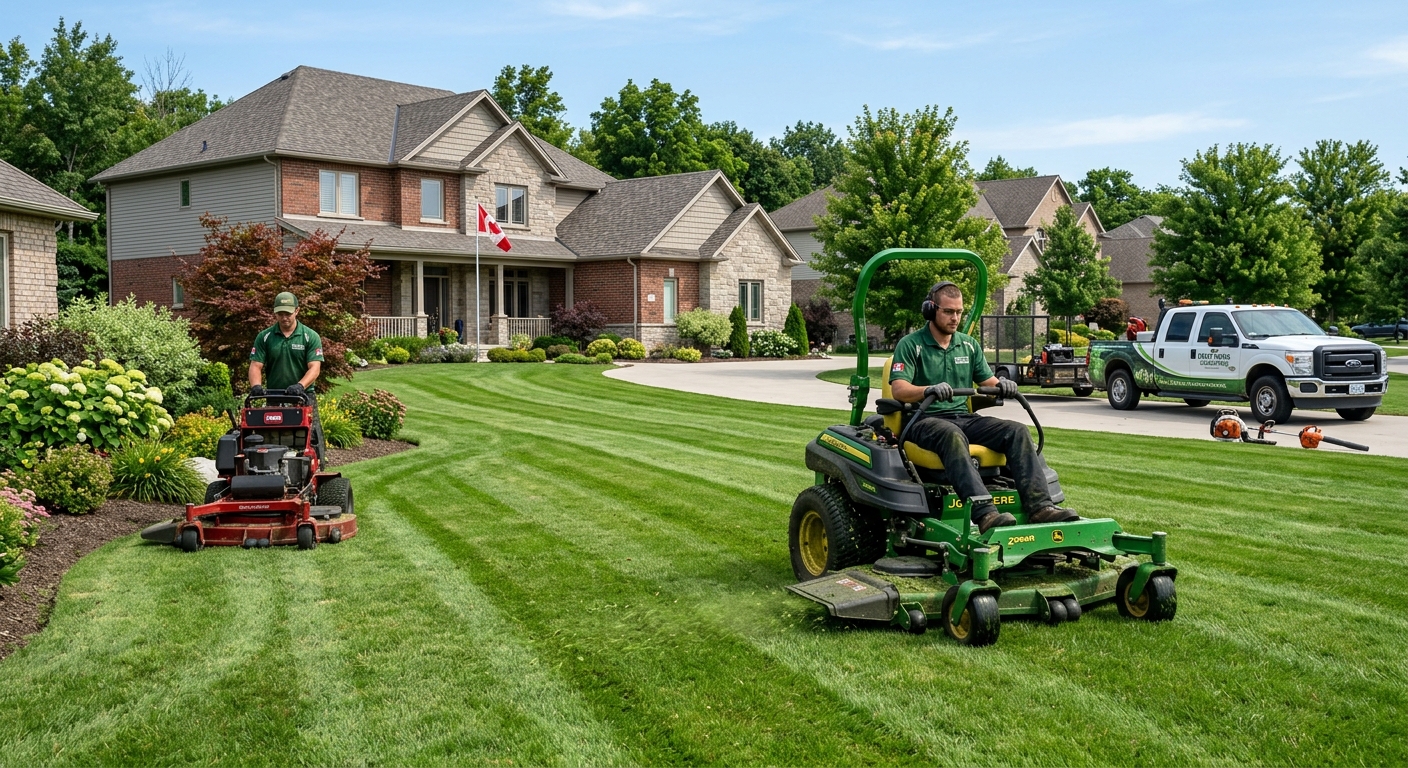
Landscaping options and costs in Fiddlesticks
In Fiddlesticks, landscaping choices often start with how much yard space you have and how long you can enjoy it before winter. With 17,576 residents in the area (Statistics Canada, 2021 Census), the GTA’s mix of family housing means many lots are designed for outdoor living—so improvements like patios, walkways, and planted borders tend to get planned for the usable May-to-October season. Property owners also invest more when they feel their outdoor spaces add value and comfort; in many neighbourhoods, detached and larger-lot homes create the yard footprint contractors need for full design-and-install work.
Cost in the Toronto area is shaped by the local climate and soil. Most yards sit in hardiness zones 6a–7a, with winter lows around –23 to –18°C, plus frequent freeze–thaw cycles. That matters because hardscape and retaining features need deeper, compacted granular bases, proper drainage, and (in clay/fill areas) sometimes subdrains to keep patios, steps, and wall footings stable over time. Contractor availability also follows the frost-free period—when spring comes, crews book quickly for grading, sod/seed, and early planting windows.
Demand is especially high in family-focused pockets near the core services—where curb appeal and weekend-ready outdoor space are priorities and where driveways, walkways, and retaining features are common. As a result, quotes can differ significantly depending on how much excavation, drainage, and soil amendment your site needs. Below is a practical comparison of common landscape options to help you move from “ideas” to a realistic budget.
| Service |
Description |
Season |
Price Range |
| Full landscape design and installation |
Site walk, concept/layout, plant palette, grading plan, and installation of softscape and/or hardscape (e.g., patio/walk + planting beds + topsoil + mulch) |
May to October (sometimes spring or early fall planting) |
$8,000–$40,000 |
| Sod installation (supply, grade, lay, roll) |
Minor grading/leveling, soil prep, sod delivery, layout, cutting, rolling, and initial watering setup |
Late April to early July; best recovery in spring |
$2,500–$8,000 |
| Lawn seeding (grade, seed, starter fertilizer) |
Light grading, seeding mix selection, starter fertilizer, rake-in, and initial watering guidance |
Late April to early July; also early fall in many cases |
$1,500–$5,500 |
| Interlocking patio or walkway |
Base excavation, compacted granular base, geotextile, edging, pavers, leveling sand, and jointing |
Late spring through September (weather-dependent) |
$6,000–$25,000 |
| Retaining wall (interlocking block) |
Wall layout, excavation, base/gravel bedding, reinforcement as needed, block installation, drainage layer and weeping provisions |
May to October |
$6,000–$30,000 |
| Tree and shrub planting |
Soil amendment, planting holes, backfill, staking (if needed), mulching, and initial watering plan |
Spring and fall planting windows |
$800–$6,000 |
Prices are estimates only and vary by project scope, site access and material selection.
What affects the price of landscaping in Fiddlesticks
In Toronto-area markets like Fiddlesticks, two homeowners can get quotes that differ by 30–50% for the same-looking project because the “hidden work” is rarely identical. Design complexity (how many plan changes and plant varieties), how much excavation and grading is needed, and whether drainage is being solved or just covered up can swing costs fast. Labour availability also compresses into the same frost-free window contractors rely on, so urgent spring scheduling can raise pricing compared with a planned early-season install.
Climate and hardiness drive both plant selection and scheduling. In zones 6a–7a, we design around winter lows near –23 to –18°C, then we schedule installation when soil is workable in spring. That operating window is shorter and more weather-sensitive than in milder regions, so projects with more labour-heavy tasks (like drainage prep and heavy base work for patios) tend to cost more. Prairie regions (Zone 2–4) often need ultra-hardier, drought-tolerant species and very simple palettes due to shorter seasons and harsher cold; meanwhile, retaining walls must still be built with a base that reaches below the local frost line. Coastal BC (Zone 7–8) can support lush palettes and longer growing seasons, but heavy-rain drainage still needs attention. Dry BC interior areas often face water restrictions that push irrigation design toward drip and low-precipitation heads; Southern Ontario typically has a moderate season, but we still plan irrigation for summer dry spells.
Two concrete examples for Fiddlesticks: (1) clay/fill soils that hold water may require subdrains or a French drain system before we install pavers or sod—this can add several thousand dollars even if the patio footprint is unchanged. (2) A larger yard size can double softscape costs because sod and topsoil scale quickly; sod installs often land in the $2,500–$8,000 band, while full design-and-install projects commonly move into the $8,000–$40,000 range once hardscape and drainage are added.
| Price Factor |
Why It Matters |
Cost Impact |
| Yard size in sq ft — the primary cost driver for softscape |
Larger areas require more topsoil/seed or sod, more labour hours for prep and laying, and often more mulch and watering time |
Higher material + labour totals; can swing the project by thousands |
| Grading and drainage work — slope corrections add significant cost |
Even small slope changes can involve excavation, hauling, re-compaction, and reworking beds or lawn areas |
Commonly adds a major line item before any surface finishing |
| Drainage bed or French drain installation |
Clays and fill can trap water; proper drainage protects foundations, wall stability, and paver bases |
Typically increases hardscape/softscape cost substantially |
| Plant material tier — native shrubs vs. ornamental vs. mature specimen trees |
Mature specimens cost more to purchase, transport, and install, and may need staking or root-planning |
Can raise planting budgets quickly into the upper range |
| Hardscape vs. softscape ratio — walls and patios cost more per sq ft than lawn |
Patios, steps, and retaining walls require deeper bases, compaction, and often more crew time |
Shifts budgets upward versus seeding or basic planting |
| Irrigation system design and installation |
Sprinkler layout depends on soil, grading, sun exposure, and water pressure; add-ons raise labour and parts |
Can be a significant add-on, especially for multi-zone yards |
| Soil amendment and topsoil required |
Toronto-area soils often need improvement for drainage and root health; depth and quantity vary by yard |
Bulk haul costs and labour for prep can add thousands |
| Tree removal or stump grinding before new planting |
Roots can interfere with drainage and bases; stump grinding includes equipment and disposal considerations |
Adds cost and schedule time; may change the scope |
Permits & regulations in Ontario
In Ontario, most landscaping activities—like planting new trees and shrubs, sodding, lawn seeding, mulch installation, and typical softscape grading within your property—generally do not require a permit. Homeowners in Fiddlesticks can usually proceed without special approvals for replacing sod, creating planting beds, or building garden borders, as long as drainage isn’t being redirected in a way that affects neighbours or municipal infrastructure.
Where permits often do come into play is with retaining structures and certain drainage/grading changes. Retaining walls above a height threshold—commonly around 1.0 m (3.3 ft) in many Ontario municipalities—typically require a building permit and sometimes engineered drawings depending on height and conditions. Also, significant changes to lot grading that alter how water flows toward neighbouring properties, a storm sewer connection, or a municipal right-of-way can trigger approval requirements. Before any digging for planting holes, footings, or drains, arrange utility locates so you don’t hit buried services.
To verify a contractor in Ontario, take these steps: (1) confirm the contractor’s Ontario business information and trades affiliation where applicable via online business registries; (2) request a certificate of insurance showing liability coverage (and ask to see it before work starts); (3) ask for WSIB/WCB coverage confirmation for workers on site; (4) if the job needs permits, ensure the contractor clearly states who pulls permits and includes it in the written scope; (5) verify they’ll protect utilities during excavation. If anything is unclear, ask for it in writing.
Planning a landscape that thrives in Fiddlesticks's climate
For a yard that performs in Fiddlesticks, you design around the frost-free rhythm and the freeze–thaw reality, not against it. With Toronto-area hardiness around zones 6a–7a, we choose native and zone-appropriate plants that tolerate winter lows near –23 to –18°C and rebound well in spring. That means less replanting and fewer “winter kill” surprises. A well-chosen planting plan can also reduce watering needs: native perennials and shrubs typically establish faster and require less ongoing fuss than delicate ornamentals.
When deciding sod vs. seed, consider both cost and timing. Sod gives instant curb appeal, but it usually costs about 3–4x more per sq ft than seeding once you include prep and materials. If your priority is getting a family-ready lawn quickly, sod is often worth it; if you can wait and want to minimize upfront spend, seeding is usually the smarter value. For drainage and grading, Toronto yards often need corrected slopes so water doesn’t pool near foundations. For hardscape like patios and retaining walls, base preparation must account for frost depth and movement: proper excavation, compacted granular layers, and drainage outlets help prevent heaving and settlement.
Low-maintenance strategies that still look great include mulch (weed suppression and moisture retention), long-bloom perennials, and groundcovers in challenging shade or bed edges. If you want water-smart options, add a rain garden in low spots and use xeriscape-style planting principles in drier zones—typically fewer high-water species and targeted irrigation where it’s actually needed. As a dollar example: a 500 sq ft sod area can land in the $2,500–$8,000 range depending on prep and lawn condition, while a comparable seeding approach may reduce material costs substantially—then you invest in drainage and smart bed planting to keep the landscape stable for years.
| Element |
Climate Consideration |
Maintenance Level |
Price Band |
| Sod lawn installation |
Fast establishment during May-to-July; prepare for freeze–thaw by ensuring proper grading and soil contact |
Medium (watering during establishment, occasional edging and mowing) |
$2,500–$8,000 |
| Native perennial garden |
Hardy winter structure and seasonal interest; choose plants suited to zone 6a–7a lows near –23 to –18°C |
Low-to-medium (spring cleanup, periodic weeding, mulch refresh) |
$1,500–$6,000 |
| Mulched shrub border |
Improves bed moisture stability and reduces temperature swings around roots in clay/fill soils |
Low (mulch top-ups and light pruning) |
$1,200–$5,500 |
| Interlocking stone patio |
Requires frost-aware base prep and drainage so pavers don’t settle or heave |
Low (occasional cleaning and joint maintenance) |
$6,000–$25,000 |
| Retaining wall (block) |
Freeze–thaw stability depends on compacted base and drainage layer behind the wall |
Low (visual inspections; keep drainage outlets clear) |
$6,000–$30,000 |
| Drip irrigation system |
Targets water to plant roots and supports water-efficient planting; adjust for humid summers and dry spells |
Medium (seasonal checks and occasional part replacement) |
$1,800–$7,000 |
How to choose a landscaping contractor in Fiddlesticks
Choosing the right contractor in Fiddlesticks is less about who has the lowest number and more about who can prove they’re properly covered, properly licensed where required, and able to build to spec in freeze–thaw conditions. Start by verifying Ontario licensing or business registration details (where applicable), then confirm liability insurance—ask for the certificate of insurance and ensure the coverage is active for the project dates. Next, request documentation for WSIB/WCB coverage for workers on site. If the contractor can’t provide clear proof, that’s a major risk for you.
Get 2–3 itemised written quotes instead of lump sums. A solid quote breaks out labour and materials (excavation/hauling, base materials, geotextile, pavers/block, topsoil/compost, and plant quantities). Ask what’s included for disposal, whether permit fees are included or excluded, and who handles utility locates. For hardscape and retaining walls, make sure the scope mentions base thickness, drainage provisions, and compaction—these are the items that protect your investment through winter.
Warranty matters too: ask for workmanship warranty length (often covering installation issues), product/manufacturer warranty terms for materials, and whether warranties are transferable if you sell the home. For payment, avoid large upfront deposits—generally keep it to 10–15% maximum, and hold back a portion until the job is completed and reviewed. Finally, get the start date and an estimated completion timeline in writing, including any weather-dependent contingencies for grading, sod, or interlocking.
- Confirm insurance certificate is valid for the job period and matches the project address.
- Ask for WSIB/WCB coverage proof (not just “we’re insured”).
- Require an itemised breakdown: labour, materials, and equipment/haul costs.
- Check that the quote lists exact quantities (sq ft of sod/pavers, wall length/height, number of plants).
- Verify who provides and where topsoil/compost is sourced from (and approximate depth).
- Make sure base prep specs are stated for patios/walkways (excavation depth, granular layers, compaction).
- For retaining walls, confirm drainage layer and weeping provisions are included.
- Ask whether geotextile and proper edging are included (they prevent migration and settlement).
- Confirm disposal/hauling is included for excavated soil and waste.
- Clarify if permit pull (when required) is included and who submits paperwork.
- Agree on a payment schedule that keeps upfront at 10–15% and includes a holdback.
- Get a written start date, milestones, and completion estimate with weather contingencies.
Red flags to watch for in Fiddlesticks: (1) no insurance/WSIB proof when asked; (2) quotes that don’t specify base thickness, drainage provisions, or compaction; (3) pressure to pay most of the job upfront; (4) vague scopes with no quantities for pavers, topsoil, or plants; and (5) “we can do everything” claims without explaining timelines for utility locates and permit needs.
Frequently asked questions — landscaping in Fiddlesticks
How deep should a retaining-wall base be for local frost?
For Fiddlesticks and the broader GTA (zones 6a–7a), the key is building on a stable, frost-resistant foundation—typically by installing the wall base and granular layers below the frost-affected zone and ensuring proper compaction and drainage behind the wall. In practice, contractors size the excavation depth based on wall height, soil conditions (clay/fill is common), and drainage requirements rather than using a one-size number. A properly built base usually includes excavating to solid subgrade, placing a well-compacted granular base, and adding a drainage layer (often gravel) with provisions for water to move safely away from the wall. If your wall is near a driveway, patio, or foundation, the spec should be tighter. Ask your contractor to describe their base depth, base materials, and drainage plan in the written proposal.
How much does professional landscape design cost?
Professional landscape design in the Toronto-area market typically starts in the mid-range and can vary depending on how detailed the plan is (concept only vs. full drawings and plant quantities). For many homeowners in Ontario, design is packaged with installation under a larger project—so the total often aligns with common full landscape design and installation budgets of $8,000–$40,000 depending on scope. If you’re only seeking design guidance (without installation), expect it to be less than a full build, but still requires a site visit, concept iterations, and a workable planting/hardscape layout. In Fiddlesticks, design also helps prevent costly rework after freeze–thaw issues—especially for drainage and slopes where foundations or low spots are involved. When comparing quotes, ask whether design fees are included, applied as a credit, or billed separately.
How do I compare landscaping quotes?
When you compare quotes in Fiddlesticks, don’t just look at the total—compare the scope line by line. Start by asking for an itemised breakdown: excavation/hauling, base materials (and depth), drainage provisions, disposal, soil amendments/topsoil depth, plant counts and sizes, and irrigation items if included. For example, sod can fall around $2,500–$8,000 for supply, grade, and install, but that number changes dramatically if the contractor must correct heavy clay or add drainage. For hardscape, similar-looking patios can vary widely because base preparation and compaction aren’t always included consistently. Confirm whether permits (where required), utility locates, and warranty coverage are included. Also check payment schedules and whether the timeline accounts for spring installation windows in the GTA’s frost-free period.
How long does a landscaping project take in Fiddlesticks?
The timeline in Fiddlesticks depends on the components and site conditions, but most GTA landscaping work is designed around the workable spring to early fall window. Softscape-only projects (planting beds, mulch, and planting) are often quicker—commonly a few days to a week depending on bed size and plant quantities. Sod installation can typically be completed in 1–3 days once prep is ready, but scheduling may be delayed if soil is too wet in early spring. Hardscape and retaining-wall work often takes longer because excavation, base construction, compaction, and curing time (for certain steps) require multiple stages. If drainage work is included—like a French drain—plan for additional days because the trenching and base layers need proper sequencing. Your contractor should provide a written start date and completion estimate, including weather contingencies, since freeze–thaw conditions and spring rainfall can slow grading and base work.
What is the best grass type for a Fiddlesticks lawn?
For lawns in Fiddlesticks and the Toronto area, the “best” choice usually comes down to durability and how you’ll manage maintenance (mowing height, watering habits, and sun exposure). Many homeowners use cool-season turf because it performs well in Southern Ontario’s seasonal swings. A reputable contractor will match seed blends to your light conditions (full sun vs. partial shade) and to your soil drainage. If you want faster results, sod is often chosen, and sod varieties are selected for recovery and consistency across the GTA. If budget is tighter, seeding is a common approach—often less expensive than sod—while still achieving a quality lawn when the grade, seed rate, and initial fertilizing are correct. For planning, remember that winter freeze–thaw and spring conditions in Ontario can stress weak lawns, so drainage and proper prep matter as much as the grass type itself.
When should I aerate and overseed my lawn in Fiddlesticks?
In Fiddlesticks, the best time to aerate and overseed is typically when the grass can recover quickly without being smothered by summer heat or hit by early winter. Many homeowners do aeration and overseeding in early fall, when temperatures cool and soil moisture is more reliable—this supports stronger germination and rooting before winter. Spring can work too, but early spring can be wetter and colder, and heavy clay sites may not be ideal until the ground dries and the lawn is actively growing. If you aerate, it should be followed by proper seeding, light top-dressing if recommended, and consistent watering until establishment. Compare this to sod budgets such as $2,500–$8,000—aeration and overseeding can be a lower-cost strategy to thicken an existing lawn, but it won’t replace major drainage or grading problems. If puddling or thinning concentrates in the same spots, address drainage first for the best long-term results.