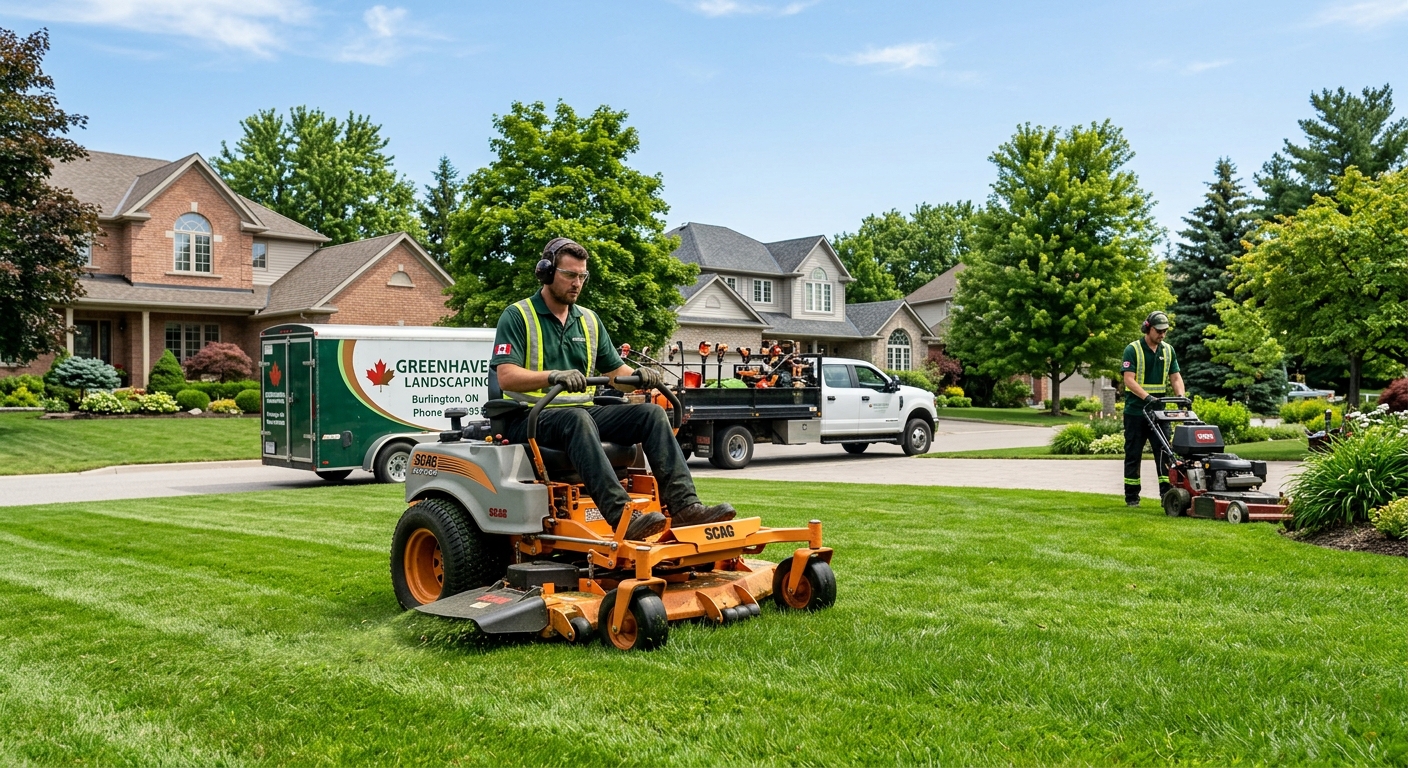
Landscaping options and costs in Lynnwood
Lynnwood, Alberta is the kind of community where homeowners invest in their yards because a well-planned landscape protects foundations, improves drainage, and boosts curb appeal for detached properties. With a population of 3,289 (Statistics Canada, 2021 Census), contractor capacity can be tight at peak season, so getting early estimates matters. Also, because the broader Calgary area is dominated by single-detached neighbourhood patterns, many lots have enough outdoor space to justify a full “backyard plus front curb” improvement rather than just cosmetic updates.
In Calgary’s Prairie plant hardiness zones 3–4, late-spring frosts and early fall cold snaps shape both what survives and how long we can work on site. Severe freeze–thaw cycles mean retaining walls, patios, and walkways need deep, well-compacted bases and properly graded drainage to avoid heaving and eventual settlement. That base preparation adds labour hours, and it’s a common reason the same-looking scope can land in different price tiers across southern Alberta.
Demand is especially steady in established residential pockets like the areas near the main collector roads where driveways, front steps, and walkways often need upgrades together with garden refreshes. If you’re comparing options for Lynnwood, the fastest way is to understand typical scope ranges—then match the scope to your site conditions and timeline.
Below is a practical comparison table to anchor budget conversations before we refine design and drainage details for your property.
| Service |
Description |
Season |
Price Range |
| Full landscape design and installation |
Site grading, drainage plan, hardscape build (where needed), planting design, soil prep, and installation coordination |
May–October (site prep in shoulder weeks when conditions allow) |
$10,000–$35,000 |
| Sod installation (supply, grade, lay, roll) |
Minor grading, topsoil/topdressing, soil conditioning, sod placement and rolling |
Late April–June and August–September |
$2,000–$6,000 |
| Lawn seeding (grade, seed, starter fertilizer) |
Fine grading, seed selection for Prairie climates, starter fertilizer, light raking and rolling |
May and late August (best germination windows) |
$1,500–$4,000 |
| Interlocking patio or walkway |
Base excavation, compacted granular base, edge restraints, and pavers with slope and drainage details |
May–October |
$8,000–$25,000 |
| Retaining wall (interlocking block) |
Excavate and compacted base, geotextile, drainage gravel/weep provisions, block installation, backfill and soil restoration |
May–October |
$12,000–$40,000 |
| Tree and shrub planting |
Plant selection for zones 3–4, planting holes, amendments, mulch ring, staking (as needed), initial watering plan |
Spring and early fall |
$1,000–$12,000 |
Prices are estimates only and vary by project scope, site access and material selection.
What affects the price of landscaping in Lynnwood
Two quotes for the same general landscaping idea can differ by 30–50% in the Calgary area because the “invisible work” is often where costs change: excavation depth, drainage strategy, base compaction, disposal, and the quality/tier of plant material. In a frost-prone Prairie climate, contractors also protect projects against freeze–thaw movement—so your retaining-wall footing depth, patio slope, and walk base thickness drive labour and material quantities.
Plant hardiness zones and frost dates matter for both survivability and schedule. In Prairie regions like Lynnwood (zones 3–4), the working window is shorter than coastal BC (zone 7–8), and we often need drought-tolerant, wind-hardy choices plus winter protection planning. Retaining wall base depth needs to reach below the frost line, and drainage beds must be sized correctly. Coastal BC can support a long growing season and broadleaf palettes, but that market still demands good drainage in heavy-rainfall areas; by comparison, southern Alberta’s semi-arid conditions mean we lean on soil improvement and efficient irrigation design rather than water-hungry lawns.
In Alberta, even irrigation can swing price: a simple hose-tap setup is one thing, while zoning, drip lines, and controller programming increase the total—but they also reduce ongoing water stress and plant loss. For example, a seeded lawn might land around $1,500–$4,000, while sod with grade/topsoil prep can be closer to $2,000–$6,000. On older Lynnwood properties, established trees and aged soil often require more amendment and sometimes stump work, which raises the softscape budget but protects the long-term result.
| Price Factor |
Why It Matters |
Cost Impact |
| Yard size in sq ft — the primary cost driver for softscape |
More area means more soil prep, seed/sod, mulch, and labour hours |
Low to high swing depending on lawn/planting footprint |
| Grading and drainage work — slope corrections add significant cost |
Pooling or foundation-facing slopes can lead to water problems and winter heave risk |
Often one of the largest uplifts to a “flat yard” estimate |
| Drainage bed or French drain installation |
Prevents saturation where freeze–thaw and thawing water can damage bases and plants |
Increases material and excavation scope measurably |
| Plant material tier — native shrubs vs. ornamental vs. mature specimen trees |
Hardy species last longer here; mature specimens cost more up front but reduce years of growth waiting |
Can change the planting line item by a wide margin |
| Hardscape vs. softscape ratio — walls and patios cost more per sq ft than lawn |
Hardscape requires base excavation, compacted granular layers, edging, and paver/block materials |
High for patios/walkways and especially retaining walls |
| Irrigation system design and installation |
Zoning, drip placement, and controller programming affect plant survival in heat and wind |
Moderate to high depending on complexity and zones |
| Soil amendment and topsoil required |
Clay-heavy or disturbed soils need conditioning so roots establish before winter |
Can meaningfully increase trucking, labour and materials |
| Tree removal or stump grinding before new planting |
Clearing impacts excavation access and how deep we can build planting beds and drainage |
Often adds a separate cost line and affects scheduling |
Permits & regulations in Alberta
In Alberta, most day-to-day soft landscaping work—like planting beds, sodding, lawn seeding, mulching, and typical walk/path installation—usually does not require a building permit. Where permits often enter the picture is retaining-wall construction above a height threshold (commonly around 1.0 m or 3.3 ft in many municipalities), particularly if the wall needs engineering for stability. Also, changes to lot grading that affect drainage direction—especially if you’re steering runoff toward neighbouring lots or tying into a storm sewer connection—can trigger approvals.
Before digging, always arrange utility locates so you don’t hit buried services when setting paver bases, installing French drains, or placing irrigation lines. As a homeowner in Lynnwood, you can keep it practical with a simple verification routine: confirm the contractor has the right business licensing for trade work they claim, ensure they carry liability insurance, and verify coverage for workers through WSIB/WCB. Then ask for the insurance certificate and clearance details before any excavation starts.
Step-by-step, here’s what to look for: (1) request their liability insurance certificate and check the coverage limits and expiry date; (2) ask for their WSIB/WCB clearance or account confirmation; (3) verify their business registration/licence through the provincial online registry; and (4) confirm in writing which permit responsibilities they handle—if a retaining wall needs a permit, you want that noted in the contract, not added mid-job.
Finally, confirm watering rules and local water-use bylaws before ordering irrigation components. Prairie climates still face drought restrictions at times, and smart zoning and efficient scheduling help you stay compliant while protecting plant health.
Planning a landscape that thrives in Lynnwood's climate
To design a yard that thrives in Lynnwood, plan around the reality of zones 3–4: late frosts, early cold snaps, and freeze–thaw cycles that punish poorly built bases. Start with plant selection—choose zone-appropriate, native or adapted species that can handle wind and short growing seasons. Avoid relying on plants that need long frost-free stretches or frequent watering to stay healthy.
Next, decide sod versus seed based on your timeline and budget. Sod gives instant visual coverage and can reduce erosion on newly graded areas, but it costs more—often about 3–4x per square foot versus seeding once you factor in grade/topsoil prep and labour. A lot of homeowners choose seeding where they can tolerate a slower “green-up” phase, because the savings can be redirected into drainage corrections or irrigation zoning.
Drainage and grading are non-negotiable in Calgary’s clay-and-chalk soils and winter thaw cycles. Pooling water can swell soils and create heaving under patios and walkways. For hardscape, base preparation needs to be built for frost exposure: proper excavation depth, compacted granular layers, correct slopes away from foundations, and functioning edge restraints.
Finally, use low-maintenance strategies that still look finished: mulch rings, groundcovers, and perennials chosen for local conditions. Xeriscape concepts work well here—think drought-tolerant groupings, efficient drip irrigation where needed, and soil improvement instead of blanket water-demand.
One practical money example: if you’re debating between sod and seeding for a lawn area, spending the extra sod budget can be justified when it protects a slope or newly regraded zone from erosion. If not, seeding is often the smarter move because the climate will reward soil prep and correct drainage more than sheer grass quantity.
| Element |
Climate Consideration |
Maintenance Level |
Price Band |
| Sod lawn installation |
Short Prairie season means sod needs good establishment moisture before freeze; frost heave risk if base is weak |
Low to moderate (weekly watering early on, periodic rolling/checks) |
$2,000–$6,000 |
| Native perennial garden |
Zone-appropriate plants handle wind and cold snaps with less watering; mulch helps winter protection |
Moderate (spring cleanup and light weeding) |
$1,500–$6,500 |
| Mulched shrub border |
Protects roots through freeze–thaw; reduces weed pressure in semi-arid dry spells |
Low (seasonal prune/refresh mulch) |
$1,200–$5,500 |
| Interlocking stone patio |
Needs deep, well-compacted base and correct slope to prevent pooling and movement |
Low (occasional joint sand top-up) |
$8,000–$25,000 |
| Retaining wall (block) |
Below-frost-line base and proper drainage gravel reduce winter heaving and wall failure |
Low (inspection for drainage; minimal seasonal work) |
$12,000–$40,000 |
| Drip irrigation system |
Efficient water delivery supports drought tolerance; zoning helps during restrictions |
Moderate (winter blowout/seasonal checks) |
$1,800–$7,500 |
How to choose a landscaping contractor in Lynnwood
Choosing the right contractor in Lynnwood is mostly about verifying the basics—then matching quotes to scope. Start with Alberta coverage checks: ask for their liability insurance certificate and confirm it’s current (expiry date) and that it lists your project as an insured interest if available. Next, verify WSIB/WCB clearance or account standing—this protects you if a worker is injured on site. Finally, confirm the business licence/registration through the provincial online registry so you know you’re dealing with a legitimate contractor for the type of work being quoted.
Then collect 2–3 itemised written quotes. You want a labour + materials breakdown, not one lump-sum number. Ask for what each price includes: excavation depth, base thickness, disposal, soil/topsoil amounts, geotextile usage, edging restraints, and whether edging or drainage bed components are included. Also confirm if the contractor pulls any permits where required for retaining walls and grading changes—if it’s required, it should be clearly assigned before work begins.
For warranty, ask for workmanship warranty length and whether product/manufacturer warranties apply to specific materials (pavers, blocks, sod/seed blends, irrigation components). Confirm whether warranties are transferable to you as the homeowner. For payment schedule, don’t allow more than 10–15% upfront; hold back a portion until completion and final walkthrough are done. Timing should be in writing too: a start date, a realistic completion estimate, and clear notes on weather-dependent tasks.
- Request current liability insurance and check coverage limits and dates
- Ask for WSIB/WCB clearance (or account documentation) before the first shovel moves
- Get 2–3 itemised quotes with labour and materials clearly separated
- Confirm scope includes excavation depth, base compaction, and drainage slope details
- Verify disposal is included (or billed separately) for excess soil and old materials
- Make sure soil amendment and topsoil quantities are specified in writing
- Ask whether geotextile and drainage gravel are included where needed
- Request a plant list with quantities and cultivar/species, not just “assorted shrubs”
- Confirm irrigation scope: zones, drip lines, controller model (and winter shut-down procedure)
- Review warranty terms for workmanship and materials; ask if it’s transferable
- Never pay more than 10–15% upfront; set a holdback tied to final completion
- Get a written schedule with dependencies (drainage first, then base/hardscape, then planting)
In Lynnwood, common red flags include: missing insurance/WSIB documentation, quotes that don’t specify base thickness or drainage slope, “allowance” language that hides key material choices, adding disposal or excavation costs after work begins, and vague timelines that ignore frost dates or curing time for base materials.
Frequently asked questions — landscaping in Lynnwood
How do I plan a low-maintenance yard?
For Lynnwood, plan around durability first: zone-appropriate shrubs, deep mulch beds, and a simple hardscape layout that doesn’t rely on delicate plants to look good all summer. Use low-water groupings (native perennials and hardy shrubs) and reduce mowing by limiting turf to what you truly use. Because Calgary’s freeze–thaw cycles are severe, invest early in correct grading and drainage so you’re not redoing walkways or beds later. If your goal is a lawn, consider seeding for budget control; seeding plus proper topdressing often comes in around $1,500–$4,000, while sod will be higher but can help stabilize a newly graded slope.
How deep should a retaining-wall base be for local frost?
In southern Alberta, the exact depth depends on wall height, soil type, and drainage design, but the principle is consistent: the wall footing and structural base materials must sit below frost-affected movement zones to reduce heaving. That’s why good retaining-wall quotes in Lynnwood include detailed base excavation, geotextile separation, compacted granular layers, and a drainage gravel setup with proper weeping/weep paths. If the base is built too shallow, the freeze–thaw cycle can push or shift the block system over time. For most homeowners, this means the wall cost won’t look “cheap,” but it’s what separates a wall that lasts from one that needs rebuilding.
How much does professional landscape design cost?
Landscape design pricing varies by how much of the plan you need (concept-only vs. full design with planting quantities and a construction-ready layout). In Lynnwood and the broader Calgary market, many projects bundle design with installation, especially when drainage and hardscape are part of the scope. If you’re comparing options, consider design as part of the overall project cost rather than an isolated line item: full landscape design and installation commonly lands in the $10,000–$35,000 range depending on grading, hardscape, and irrigation complexity. The biggest value of a professional design is avoiding expensive rework—particularly for patios/walks and retaining walls where base thickness and drainage slope must be right.
How do I compare landscaping quotes?
Start by comparing apples to apples. Ask for itemised quotes that break out labour and materials, including excavation volume, base depth/thickness, drainage components (French drains/aggregate), disposal, and any geotextile usage. For softscape, ensure the quote lists plant quantities, sizes, and species/cultivars, and that soil amendments and topsoil amounts are specified. Also confirm seasonal timing—late-spring frost and early fall snaps can impact when seeding/sodding and planting can be safely completed. A good quote should also address irrigation design if you’re going beyond hand watering. As a budget anchor, sod projects often fall near $2,000–$6,000 for typical residential lawns, while interlocking patios and walkways can start around $8,000–$25,000 depending on area and base prep.
How long does a landscaping project take in Lynnwood?
Typical timelines in Lynnwood depend on whether you’re doing softscape only or combining grading, hardscape, and irrigation. For example, a straightforward planting-only scope can often be completed in a short window after soil is workable, while anything involving retaining walls or patio bases needs multiple steps: excavation, base compaction, drainage install, hardscape build, and then finishing with backfill, topsoil, and planting. During Calgary’s short workable periods, crew availability can tighten, so weather and frost dates become scheduling factors. As a practical expectation, many mid-size backyard/front yard updates are completed within several days to a couple of weeks once materials are staged—while larger drainage and retaining-wall jobs can take longer because they require careful build-up and inspection-level workmanship.
What is the best grass type for a Lynnwood lawn?
For Lynnwood, the “best” grass is usually a cold-hardy, Prairie-suited turf mix that establishes well in shorter growing seasons. Many homeowners do well with seeding mixes tailored for northern Alberta conditions (good cold tolerance and recovery) and then build strength with correct soil prep and starter fertilizer. If you want instant results, sod can work well when installation is timed correctly and the base is properly graded and compacted to prevent low spots and water pooling—those issues are magnified by freeze–thaw cycles. If your goal is cost-efficient establishment, seeding often makes sense; many residential seeding jobs in Calgary range around $1,500–$4,000. A contractor can recommend a specific mix after checking sunlight, traffic, and how your lawn area drains.