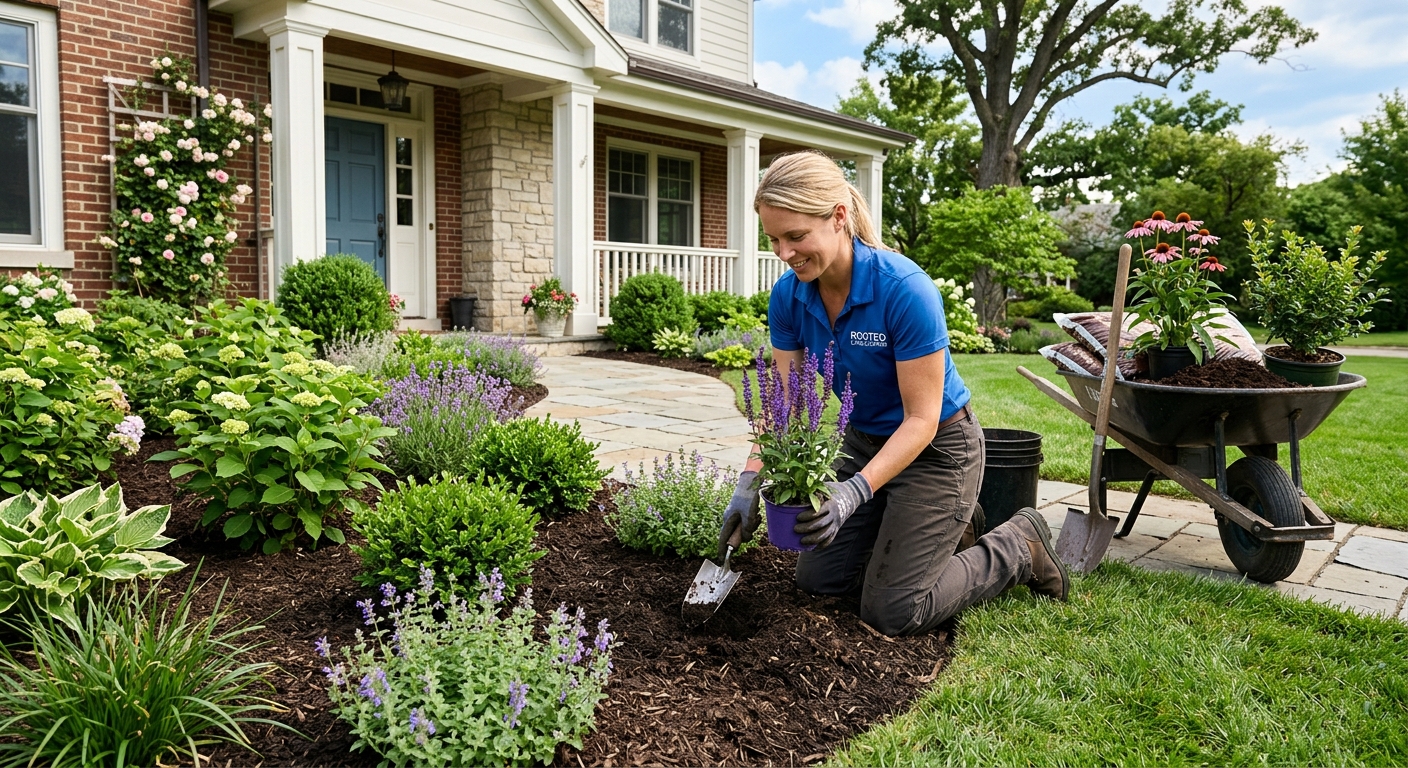
Landscaping options and costs in Patricia Heights
In Patricia Heights, Alberta, homeowners typically invest in landscaping because the neighbourhood’s mix of detached homes and yard space makes upgrades visible and worthwhile. In the 2021 Census, Calgary’s housing and community context matters at the local level: there are 1,749 people in Patricia Heights (Statistics Canada, 2021 Census), and that smaller community scale often means more referrals to a known set of local crews—so availability can tighten during peak spring and early fall. That supply-and-demand effect shows up in pricing when freeze–thaw cycles are severe and crews are booked to finish grading, drainage, and hardscape before cold snaps.
Because Patricia Heights sits in Prairie plant hardiness zones 3–4, late-spring frosts and early fall cold weather define what can be planted and when sod or seed can be established. Freeze–thaw also drives base-prep requirements for patios, walkways, and retaining walls: deep, well-compacted bases and proper drainage are non-negotiable to prevent heaving and failure. Compared with longer-season markets, Calgary installation costs tend to be labour- and base-prep heavy; materials must also be robust against UV, chinooks, and hail.
In practice, projects are especially in demand around northwest Calgary and the Patricia Heights/adjacent commuter corridors, where curb appeal upgrades are common for family homes and because walkability and drive access influence how much excavation is needed. Next, here’s a clear comparison of typical options and budget bands so you can align proposals before site visits.
| Service |
Description |
Season |
Price Range |
| Full landscape design and installation |
On-site layout + planting plan, grading/drainage allowances, hardscape, irrigation design if needed, soil amendment, and installation |
Late April to October (weather permitting) |
$12,000–$38,000 |
| Sod installation (supply, grade, lay, roll) |
Minor grading, weed control, compost/topsoil (where required), sod supply, lay/roll, and first watering guidance |
May to early September |
$2,500–$6,000 |
| Lawn seeding (grade, seed, starter fertilizer) |
Fine grading, soil prep/seed bed, seed mix, starter fertiliser, light raking/rolling |
May to mid-August |
$1,800–$4,200 |
| Interlocking patio or walkway |
Excavation, compacted base, edging, interlocking stone installation, and joint sand |
Late April to October |
$8,000–$30,000 |
| Retaining wall (interlocking block) |
Footing/base excavation, geotextile and drainage backfill (where required), block placement, cap/finishing |
May to September |
$10,000–$35,000 |
| Tree and shrub planting |
Layout, soil amendment, labour for planting and staking (as needed), mulch/finishing |
Spring or fall planting windows |
$2,000–$12,000 |
Prices are estimates only and vary by project scope, site access and material selection.
What affects the price of landscaping in Patricia Heights
In Patricia Heights, two homeowners can receive quotes for “the same” landscaping plan and see a difference of roughly 30–50% because the biggest cost drivers—base preparation, drainage, and excavation depth—aren’t always visible in photos. In Calgary and surrounding communities, labour demand also spikes when weather allows excavation and delivery, and that can shift the labour portion of a project.
Hardiness zones 3–4 in southern Alberta matter because the short working season limits how quickly contractors can complete soil prep, sod establishment, and planting before cold weather. Frost dates and freeze–thaw cycles also force a deeper, well-compacted base for hardscapes; if a patio or walkway isn’t built to the right depth with drainage, repairs later can cost as much as the original build. In coastal BC (zone 7–8), people can often plant longer and more broadly, but heavy-rainfall drainage details still drive costs. In BC’s dry interior and Alberta, water-wise irrigation design influences both material choice and controller/zoning complexity.
Concrete examples from this area: (1) If your slope requires regrading to direct meltwater away from foundations, that adds truckloads of material and compaction time—often enough to move a project from a “mid” band to a higher one. (2) Choosing a drought-tolerant, native shrub border is usually cheaper to maintain than a high-demand ornamental mix; a full installation typically sits in the $5,000–$50,000 design & build range, depending on planting density and grading. (3) A standard lawn replacement can range from seeding at the lower end to sod closer to the upper end, especially if soil prep is extensive.
Finally, housing-stock age affects cost: older yards may have compacted fill, missing drainage, or mature trees that need removal. If a stump or tree removal is required before planting, it can change your total by several thousand dollars and compress scheduling—especially when fall planting is approaching.
| Price Factor |
Why It Matters |
Cost Impact |
| Yard size in sq ft — the primary cost driver for softscape |
More area means more soil prep, more seed/sod, more mulch, and more labour hours |
Small yards may land near the low end; larger lots push projects into mid to upper bands |
| Grading and drainage work — slope corrections add significant cost |
Pooling water and foundation moisture risk require excavation, recontouring, and compaction |
Can add a large fraction of the total; often shifts quotes by 30%+ when substantial corrections are needed |
| Drainage bed or French drain installation |
Includes trenches, perforated pipe, gravel, geotextile, and outlet planning |
Material + labour heavy; commonly a major add-on for yards with wet corners or low spots |
| Plant material tier — native shrubs vs. ornamental vs. mature specimen trees |
Higher tiers cost more upfront and may require larger rootballs, extra staking, and longer installation |
Switching from nursery-sized stock to mature specimens can raise planting budgets by thousands |
| Hardscape vs. softscape ratio — walls and patios cost more per sq ft than lawn |
Hardscapes require deeper excavation, base materials, and more skilled placement |
A patio/walkway-heavy design typically increases project totals into the higher hardscape bands |
| Irrigation system design and installation |
Zoning, controller placement, and freeze-protection planning affect both materials and labour |
Well-designed drip or zoned sprinklers can add meaningful cost but reduce long-term water waste |
| Soil amendment and topsoil required |
Poor native soil often needs compost, topsoil, and proper grading to support rooting and reduce frost heave |
Can move a “minimal prep” job to a full soil rebuild plan, affecting total by several thousand |
| Tree removal or stump grinding before new planting |
Access, root mass removal, debris handling, and disposal increase time and equipment needs |
Commonly a budget swing item—especially when it delays planting or base work |
Permits & regulations in Alberta
In Alberta, most landscaping work—like planting, seeding, sodding, mulch placement, and typical softscape installations—usually does not require a permit. The most common permitting trigger homeowners run into is retaining wall construction: if your wall height is above the municipal threshold (often around 1.0 m (3.3 ft) in many places), you may need a building permit and sometimes engineering or additional documentation. Also pay attention to any work that changes lot grading patterns in a way that impacts drainage toward neighbouring properties or storm sewer connections.
Regardless of permitting, you should also plan for utility locates before digging. Before contractors excavate for planting holes or wall footings, they should confirm underground services locations to prevent damage and rework. And while water rules vary by season and by jurisdiction, check current local water-use requirements in Alberta before installing new irrigation or expanding watering schedules—especially if your plan includes automatic irrigation.
To verify a contractor for Patricia Heights, do this step-by-step: (1) Ask for their Alberta licence details and confirm them via the appropriate online registry; (2) request a certificate of liability insurance showing current coverage; (3) verify WSIB/WCB coverage for their workers (ask for the clearance letter or proof of account status). Then confirm the permit responsibility in the contract: if a permit is required, your quote should state who applies and what’s included.
Planning a landscape that thrives in Patricia Heights's climate
Planning in Patricia Heights means designing with southern Alberta’s hardiness zone 3–4 and its freeze–thaw reality, not fighting it. Start with plant selection: prioritise zone-appropriate, drought-tolerant and wind-hardy species, and group them by sun exposure and moisture level. Use native and hardy ornamentals so the yard can handle chinook-driven dry stretches and winter stress with less winter protection. For lawn, decide early whether you want speed or affordability: sod gives instant results, but it typically costs 3–4x more per sq ft than seeding—especially once soil prep and compaction are included.
Drainage and grading are the make-or-break elements in Calgary. When meltwater pools near foundations, it can increase foundation moisture risk and shorten the life of base materials. For patios and walkways, plan base prep that reaches below the frost line, with proper base depth and drainage layers to limit heaving. For low maintenance, use groundcovers, mulch beds, and perennials rather than high-water turf—then add efficient irrigation only where needed.
Here’s where the price difference can be justified (and where it isn’t): If you want a small “hero” area near a front step, investing in an interlocking patio base and proper drainage can prevent recurring settle-and-lift repairs. A typical interlocking patio or walkway often falls around $8,000–$30,000, but it’s usually worth it for the longevity and curb appeal. By contrast, spreading that same hardscape budget across a large lawn replacement usually isn’t cost-effective; in most Patricia Heights yards, lawn seeding around the lower band can deliver a practical, winter-hardy base for future planting upgrades.
| Element |
Climate Consideration |
Maintenance Level |
Price Band |
| Sod lawn installation |
Needs good soil contact and timely watering before heat and early fall cold snaps |
Medium (watering/rolling guidance first season) |
$2,500–$6,000 |
| Native perennial garden |
Better resilience in zones 3–4 with less watering and natural winter performance |
Low to medium (mulch refresh, seasonal pruning) |
$3,000–$10,000 |
| Mulched shrub border |
Mulch buffers temperature swings and reduces evaporation during dry chinook winds |
Low (weed control and targeted watering) |
$2,200–$8,500 |
| Interlocking stone patio |
Freeze–thaw demands deep, compacted base and drainage bedding for stability |
Low (occasional joint sand/top-up) |
$10,000–$30,000 |
| Retaining wall (block) |
Backfill and drainage placement reduce hydrostatic pressure during spring melt |
Low (visual checks and minor repairs if needed) |
$10,000–$35,000 |
| Drip irrigation system |
Freeze-protected, zone-based watering supports drought-tolerant beds |
Low once tuned (seasonal shutoff and monitoring) |
$1,200–$6,500 |
How to choose a landscaping contractor in Patricia Heights
Choosing the right contractor in Patricia Heights starts with verification and process. First, confirm they carry proper coverage: ask for their certificate of liability insurance (make sure it’s current), and verify WSIB/WCB coverage by requesting a clearance letter or proof of account status. Next, confirm the contractor’s Alberta licence details through the appropriate online registry. If they won’t provide proof promptly, treat that as a serious warning.
Then request 2–3 itemised written quotes, ideally with a line-by-line breakdown for labour and materials (not a single lump sum). Confirm whether excavation, base materials, drainage upgrades, topsoil/compost, and disposal are included. The scope should clearly state what’s excluded: for example, removing buried debris, relocating existing irrigation lines, or additional grading required after soil inspection.
Warranty matters too. Ask for a workmanship warranty length (for base/hardscape settling and planting establishment expectations) and whether product/manufacturer warranties apply to plant stock or only materials. If warranties are transferable, ask how that’s documented for future homeowners.
For payments, keep the upfront deposit to 10–15% and use a holdback until completion. Agree on a start date and a completion estimate in writing—weather permitting in Calgary usually means staging the work, so timelines should account for freeze days, delivery delays, and frost-safe base prep.
- Use an itemised quote: labour, equipment, materials, soil amendments, and haul-off/disposal
- Confirm who pulls any permits if a retaining wall or grading changes require approval
- Ask what the base depth and compaction standard is for patios/walkways
- Require a drainage plan in writing for low spots or near-foundation areas
- Check proof of liability insurance and current WSIB/WCB clearance letter
- Verify the contractor’s Alberta licence details before work starts
- Confirm plant sizes, varieties, and spacing in the contract (no “equivalent” ambiguity)
- Ask about irrigation freeze-protection and zoning—especially for drip systems
- Ensure a soil prep plan is included if you’re doing sod or seeding
- Clarify warranty coverage: workmanship duration and what triggers service
- Keep deposit within 10–15% and hold the remainder until final walkthrough
- Get a schedule that specifies start date, key milestones, and weather contingencies
Common red flags in Patricia Heights include: refusing to provide insurance/WSIB/WCB proof; quotes that don’t specify base depths or drainage bedding; vague plant selections without sizes or counts; payment terms requiring large upfront deposits; and contracts that omit disposal/haul-off or permit responsibility when retaining walls exceed typical thresholds.
Frequently asked questions — landscaping in Patricia Heights
How do I find a licensed landscaper in Patricia Heights?
Start locally in Patricia Heights by asking neighbours for the contractor name, then verify it before you sign anything. In Alberta, request the contractor’s Alberta licence details and confirm them through the appropriate online registry. Ask for a current certificate of liability insurance (and check the expiry date) and proof of WSIB/WCB coverage—often provided as a clearance letter or account proof. If they’re doing hardscape excavation, confirm they can provide documentation for site safety practices and utility-locate coordination. Then compare itemised quotes so you’re not paying for unspecified work. For many yards, a partial hardscape + planting package can fall into mid five figures—so verification isn’t optional when budgets are in that range.
How much does landscaping cost in Patricia Heights?
Landscaping costs in Patricia Heights depend mostly on excavation depth, drainage corrections, and how much hardscape you include. For planning and installation, many projects land in the $5,000–$50,000 spectrum, and comprehensive designs commonly land in the mid five-figure range in Calgary-area communities once grading, irrigation, planting, and hardscape are combined. A sod lawn replacement often falls around the $2,500–$6,000 band if soil prep is straightforward. If you’re adding an interlocking patio or walkway, budgeting closer to $8,000–$30,000 is common because base preparation and compaction are labour- and material-intensive. Get itemised quotes so you can see what’s included rather than comparing only the total.
What plants thrive in Patricia Heights's climate zone?
Patricia Heights is in Prairie plant hardiness zones 3–4, so thrive-plants are typically cold-hardy, wind-tolerant, and able to handle winter desiccation. Homeowners generally do best with native and zone-appropriate shrubs and perennials that don’t require heavy summer watering. Choose plants based on sun and moisture: dry, south-facing beds need drought-tolerant species; spots closer to downspouts may support more moisture-tolerant varieties if drainage is addressed. Mulch is important because Calgary’s temperature swings and freeze–thaw cycles can stress roots. For lawn edges and borders, a mulched shrub border often stays lower maintenance because evaporation is reduced and weeds are suppressed. A well-planned native perennial garden can also look full while supporting winter survival.
Sod vs seed — which is better for a Patricia Heights lawn?
For most Patricia Heights yards, sod is the “instant finish” option but it’s usually more expensive per area. Sod installation commonly falls in the $2,500–$6,000 range, while lawn seeding often comes in around $1,800–$4,200 depending on prep and seeding coverage. Sod gives immediate curb appeal and reduces erosion while the lawn establishes, but it needs excellent soil contact and consistent watering for establishment—especially in short-season conditions. Seeding is more forgiving on budget, but results depend on timing and moisture management; seeding that’s done too late can struggle with early fall cold snaps. If you have drainage issues or compacted soil, both approaches require good grading first—otherwise, seed/sod won’t root properly.
How much does a retaining wall cost in Patricia Heights?
Retaining walls in Patricia Heights often cost more than homeowners expect because freeze–thaw requires a proper footing/base and drainage backfill to relieve hydrostatic pressure during spring melt. Interlocking block retaining walls commonly land in the $10,000–$35,000 range depending on wall length, height, excavation, and whether drainage work is included. If your wall is above typical permitting thresholds (often around 1.0 m in many municipalities), you may need a building permit and possibly additional documentation. The contractor should also clarify whether drainage components like a French drain and geotextile are included. Always insist on a clear scope because skipping drainage details can lead to movement and costly repairs.
When is the best time to landscape in Patricia Heights?
The best window in Patricia Heights is late spring through early fall, when crews can excavate safely and soil temperatures support establishment. For sod, homeowners typically target May through early September so the lawn can root before early fall cold snaps. Seeding is usually done in a similar spring window and sometimes into mid-August if moisture is managed. Planting trees and shrubs is often best in spring or fall, when the ground is workable and plants can focus on root growth. Hardscape work—patios, walkways, and retaining walls—should be scheduled during stretches with stable temperatures so base materials can be properly compacted and settled. Because freeze–thaw cycles are severe in this region, reputable contractors stage work to avoid late-season frost risk and ensure proper drainage and base prep before cold sets in.