Landscaping options and costs in Wainwright
Wainwright homeowners usually start with one question: what can we realistically do within our budget? With 66.4% of dwellings being single-detached homes (Statistics Canada, 2021 Census), most properties have the yard space to justify real curb-appeal upgrades—whether that’s a clean front walk, a defined seating area, or a hardier planting plan that doesn’t struggle through prairie winters. And because 70.2% of households own their homes (Statistics Canada, 2021 Census), it’s common to see bigger projects planned around long-term durability rather than quick fixes.
In the Camrose–Drumheller economic region, landscaping costs are shaped by prairie conditions: most communities sit around Canadian plant hardiness zone 3b, with winter lows often in the -37°C to -34°C range. That translates into shorter working windows from spring thaw to early fall and higher scheduling pressure for excavation, grading, and planting. Freeze–thaw cycles are also hard on patios, steps, and retaining wall bases—so proper geotextile, deeper bases, and drainage detailing add material and labour costs, even when the final footprint looks similar. Contractor availability can tighten during peak season, which is another reason estimates can shift between “same scope” quotes.
In Wainwright, we see the strongest demand from the main streets and established residential blocks near downtown where homeowners often replace dated walkways, add low-maintenance planting beds, and improve drainage toward driveways. From there, costs typically land in the ranges shown in the comparison table below.
| Service |
Description |
Season |
Price Range |
| Full landscape design and installation |
Site walk, concept & layout, grading/drainage plan, hardscape + softscape build-out, planting, cleanup |
Spring–early fall |
$5,000–$50,000 |
| Sod installation (supply, grade, lay, roll) |
Topsoil check, compacted base, soil amendments, sod delivery, lay & roll, starter fertilizer, first watering guidance |
Late spring–summer |
$800–$8,000 |
| Lawn seeding (grade, seed, starter fertilizer) |
Light grading, seed mix, starter fertilizer, mulch/cover as needed, watering plan for establishment |
Spring or early fall |
$500–$4,500 |
| Interlocking patio or walkway |
Excavation, base (granular + compaction), geotextile, edge restraint, sand setting bed, paver installation |
Spring–early fall |
$3,000–$22,000 |
| Retaining wall (interlocking block) |
Block wall system with proper footing depth, geotextile/drainage, backfill, compaction, finishing |
Spring–early fall |
$4,500–$60,000 |
| Tree and shrub planting |
Hardy species selection, planting holes, soil amendments, staking (as needed), mulch ring, initial watering setup |
Spring–early fall |
$500–$15,000 |
Prices are estimates only and vary by project scope, site access and material selection.
What affects the price of landscaping in Wainwright
In Wainwright and across the Camrose–Drumheller region, two quotes for what looks like the same job can differ by 30–50% because prairie projects are less forgiving: labour is compressed into a shorter frost-free window and every missed detail (base prep, drainage, planting timing) shows up later as heaving, ponding, or winter die-back. On top of that, yard conditions vary—some lots need extensive grading, others have clean drainage and straightforward access.
Hardiness zone 3b and frost timing are the big drivers. In these conditions, you’re not just buying plants—you’re buying the working window to install them correctly. Prairie regions also demand drought-tolerant, wind-hardy species and tighter layout thinking because summer can swing hot and dry while winter exposes roots and structures to freeze–thaw. For hardscapes, retaining wall base depth must be set below frost impacts, which pushes wall and drainage costs toward the higher end of the retaining walls & hardscaping ($3,000–$60,000) band. Coastal BC (zone 7–8) typically allows longer planting and growth cycles, and the work season stretches more evenly, while the dry interior of BC pushes irrigation design and xeriscape detailing differently. Southern Ontario (zone 5–6) can have fewer extreme cold constraints than zone 3b, but it often still requires targeted summer irrigation planning during dry spells.
Concrete examples we see locally: (1) If your grade slopes toward the foundation or driveway, grading + re-routing surface water can add several thousand dollars because it may require sub-drains and extra topsoil hauling; (2) replacing a simple lawn edge with a proper interlocking walkway base adds cost because of deeper excavation and compaction; (3) choosing mature 7–9 ft evergreens or larger canopy trees moves tree planting toward the upper $500–$15,000 range because material and transplanting effort increase.
Also, the age of homes matters. With 47.3% of homes built before 1981 (Statistics Canada, 2021 Census), many yards have older drainage patterns, buried materials, or outdated grading that complicate both softscape and hardscape upgrades—and that’s where budgets often move from the middle of a band toward the high end.
| Price Factor |
Why It Matters |
Cost Impact |
| Yard size in sq ft |
Larger areas require more material, labour hours, and equipment time for excavation/placement |
Often the biggest driver of total softscape cost |
| Grading and drainage work |
Slope corrections and re-contouring prevent pooling and protect foundations during freeze–thaw |
Can raise costs by several thousand dollars on tight lots |
| Drainage bed or French drain installation |
Subsurface water control reduces heaving risk under patios/walks and helps plant survival |
Typically adds mid-project cost but prevents future failures |
| Plant material tier |
Native shrubs and standard sizes are less expensive than ornamental varieties or mature specimens |
Can swing total planting price widely |
| Hardscape vs. softscape ratio |
Patios, steps, and walls rely on granular bases, restraint systems, and deeper excavation |
Hardscape usually costs more per sq ft than lawn |
| Irrigation system design and installation |
Design complexity increases with zones, controls, trenching depth, and weather-protected components |
Can be a major variable if multi-zone drip is added |
| Soil amendment and topsoil required |
Prairie soils often need correction for compaction and drainage to support roots |
Costs rise if significant import is required |
| Tree removal or stump grinding before new planting |
Extra machinery, haul-off/disposal, and site preparation affect schedule and price |
Often adds a noticeable one-time chunk |
Permits & regulations in Alberta
In Alberta, most typical front- and back-yard landscaping work doesn’t require a permit. Planting, sodding, lawn installation, and most softscape tasks (like mulching, seeding, adding garden beds, and installing small-grade changes that don’t redirect drainage in a way that affects neighbours or services) are usually handled without a permit. The common exception is structural retaining work: retaining walls above the local threshold—typically around 1.0 m (3.3 ft) in many municipalities—often require a building permit and sometimes engineered details depending on the design and soil conditions.
Also pay attention to anything that alters drainage. If your grading changes direct water toward neighbouring properties or toward storm sewer connections, it may trigger review/approval. Before anyone digs, have utility locates completed (call before you dig) so contractor footings, trenching for drains, or irrigation lines won’t hit buried services.
To verify your contractor in Wainwright, ask for three items and confirm them yourself: (1) Alberta licence/registration information relevant to landscaping and any trade activities they perform (check the appropriate public registry where applicable); (2) liability insurance certificate showing coverage limits and the policyholder details match the business doing the work; and (3) WSIB/WCB clearance where required for the contractor’s workforce (request a clearance letter). If they can’t provide documents promptly, that’s a risk signal—especially for excavation, base prep, and hardscape where issues can be expensive to correct.
Planning a landscape that thrives in Wainwright's climate
Designing for Wainwright means partnering with prairie realities: plants must handle zone 3b winters, wind exposure, and freeze–thaw, and the yard layout must manage water quickly during spring melt. Start with plant selection. Prioritize native and zone-appropriate shrubs and perennials that establish quickly and require less watering, plus winter-hardy grasses and conifers that tolerate cold and drying winds. Avoid “looks great in spring” choices that are only marginally hardy—winter die-back is one of the most common reasons yards need expensive rework.
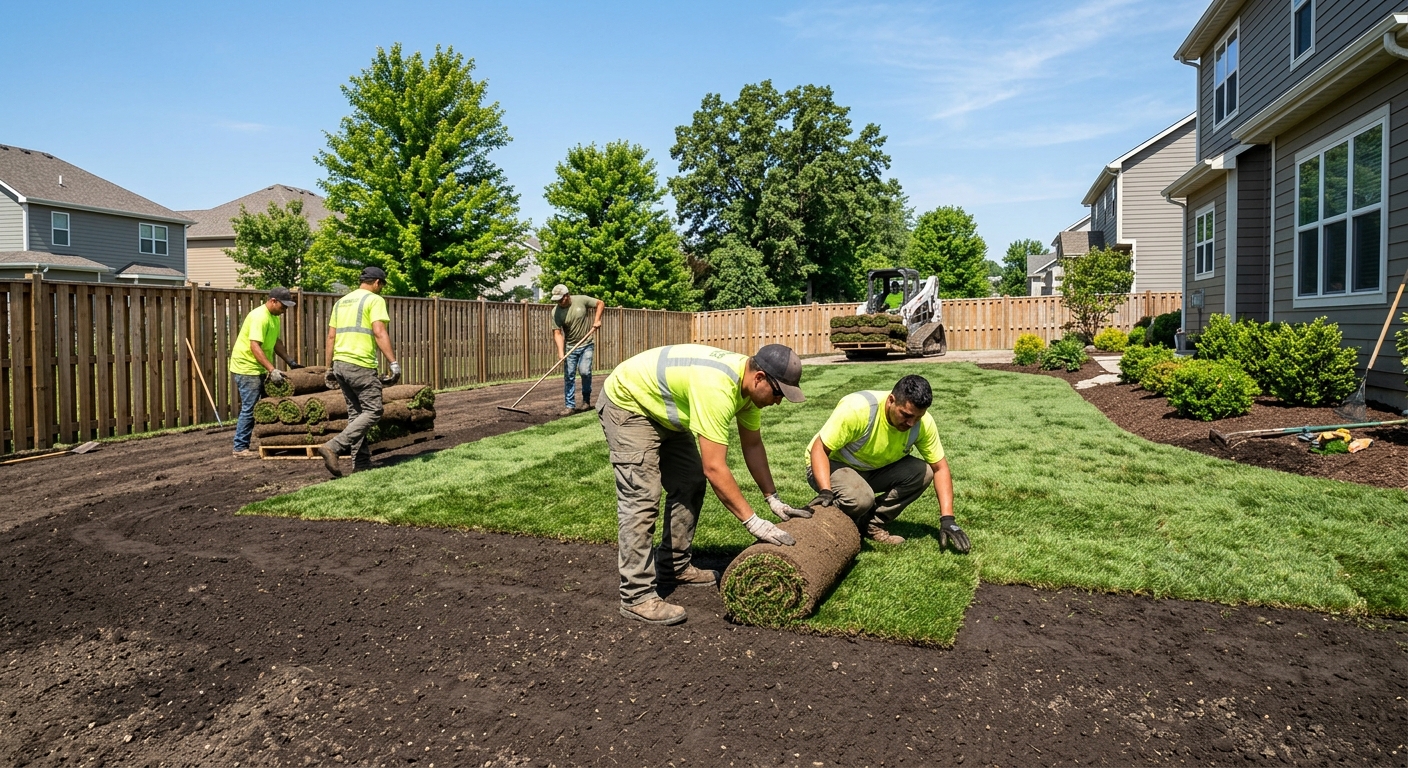
Sod vs. seed also needs local honesty. Sod gives instant curb appeal, but it costs roughly 3–4x more per sq ft than seeding in practice because you’re buying material and paying for delivery/roll-lay labour. In Wainwright, seeding can work very well in spring or early fall if grading is correct and the soil is prepped, while sod is best when you need fast coverage (kids/pets, erosion control, or limited time window).
Drainage and grading are non-negotiable. In the Camrose–Drumheller region, pooling near foundations can lead to soft ground and foundation moisture, and it can also stress turf. For patios and walkways, base preparation must be built for the local frost line—proper granular layers, compaction, and geotextile separation help prevent movement. For low maintenance, use mulch, groundcovers, and repeatable perennial groupings rather than many one-off plants.
If you want xeriscape benefits, consider drip irrigation for established beds and a small rain-garden swale in the lowest area to capture melt runoff. For a dollar example: if you’re choosing between seeding at about a few hundred to a couple thousand for a typical lawn patch versus sod that can sit closer to the $800–$8,000 band depending on area, spend the difference where it pays off—on proper drainage and soil amendments—rather than buying extra turf when the real issue is grade.
| Element |
Climate Consideration |
Maintenance Level |
Price Band |
| Sod lawn installation |
Needs consistent establishment watering during warm spells and must be installed after workable thaw |
Medium (early watering + weed control until rooted) |
$800–$8,000 |
| Native perennial garden |
Zone-appropriate plants handle cold and wind; mulch protects roots through freeze–thaw |
Low to medium (spring clean-up and occasional watering year 1) |
$1,500–$9,000 |
| Mulched shrub border |
Wind-tolerant shrubs reduce drying stress; good edging helps keep mulch in place |
Low (top up mulch and prune as needed) |
$1,200–$7,500 |
| Interlocking stone patio |
Requires deep base and freeze-friendly drainage detailing to prevent heaving |
Low (periodic brushing/sand refresh if needed) |
$3,000–$22,000 |
| Retaining wall (block) |
Footings must extend below frost influence; proper backfill and weeping/drainage reduces failure |
Low (inspection and minor maintenance) |
$4,500–$60,000 |
| Drip irrigation system |
Helps during short warm seasons and dry stretches; winterize lines to prevent freeze damage |
Medium (seasonal adjustments and winter shut-down) |
$1,000–$6,500 |
How to choose a landscaping contractor in Wainwright
Choosing the right contractor matters in Wainwright because prairie freeze–thaw failures are expensive to fix. First, verify Alberta coverage. Ask for a current certificate of liability insurance (make sure the business name matches the one quoting), and confirm WSIB/WCB clearance where applicable—request a clearance letter rather than accepting a verbal claim. If any crew members are performing regulated trade activities, make sure the contractor’s credentials align with what they’ll do on your site.
Next, get 2–3 itemised written quotes, not lump sums. You want a labour + materials breakdown (excavation, base materials, geotextile, drainage components, pavers/blocks, soil amendments, delivery, disposal). Itemisation helps you spot differences like whether the contractor includes proper compaction testing, edge restraints, and drainage bed design. Carefully read exclusions: is permit work included if a retaining wall crosses the local threshold? Is waste disposal (and dump fees) included? Are topsoil and amendments specified, or just “topsoil” as a line?
Warranty is another differentiator. Ask for a workmanship warranty length (and what “workmanship” covers), plus the product/manufacturer warranties for pavers/blocks and any irrigation components. Confirm whether warranties are transferable to future owners. Finally, payment schedule should be conservative: never more than 10–15% upfront, and use a holdback until completion and final grading/clean-up are done. Timeline matters too—get a written start date and a completion estimate, since spring thaw delays are common in zone 3b.
- Provides a site walk, measurements, and a written scope before quoting
- Includes base preparation details (depths, compaction approach, geotextile use)
- Lists drainage plan elements (slope direction, drain type, outlet)
- Specifies turf approach (seed mix or sod type) and expected establishment method
- Shows where materials are sourced and what’s included in delivery
- States who pulls permits (if required) and whether it’s included
- Includes disposal/haul-away fees in the quote
- Provides a written warranty and notes start date (date of completion)
- Includes product warranty documentation for hardscape/irrigation items
- Uses a sensible payment schedule (small deposit, holdback)
- Communicates scheduling realistically for Wainwright’s short season
- Has insurance and WSIB/WCB clearance paperwork available before work starts
Red flags we commonly see in Wainwright: vague “lump sum” proposals with no base/drainage details, refusal to share an insurance certificate or clearance letter, offering very large upfront deposits, promising sod/seed results without a watering or establishment plan, and starting excavation without confirmed utility locates.
Frequently asked questions — landscaping in Wainwright
How much does landscaping cost in Wainwright?
In Wainwright, typical landscaping budgets vary a lot based on yard size, drainage issues, and how much hardscape you add. For a full design and installation, many homeowners fall in the broader band of $5,000–$50,000 because that scope often includes grading, base work, planting, and build-outs. If you’re starting smaller, sod installation often lands around $800–$8,000 depending on area and site prep, while interlocking patios and walkways can move from a few thousand dollars upward once excavation and proper frost-tolerant bases are included. Because Wainwright is prairie climate zone 3b with freeze–thaw pressure, quotes that include proper drainage and deeper bases usually cost more up front but reduce failure risk later.
What plants thrive in Wainwright's climate zone?
For Wainwright (zone 3b conditions), plants need hardiness, wind tolerance, and reasonable drought resilience. In practice, we focus on native or proven hardy shrubs, hardy perennials, and conifers that can handle winter drying winds. Mulching is crucial for root protection through freeze–thaw, and grouping plants by their watering needs helps avoid “one-size-fits-all” failures. If you want low-maintenance curb appeal in an established residential area near downtown, durable foundation plantings—rather than tender ornamentals—tend to hold up better year after year. We also design for short, high-growth months between spring thaw and early fall, so plants establish before the next cold season hits.
Sod vs seed — which is better for a Wainwright lawn?
Sod is usually the better choice when you need instant coverage quickly, or where erosion control matters right away. In Wainwright, however, sod costs more than seeding—often roughly 3–4x per sq ft once you factor in supply and installation labour—so it’s not automatically the most cost-effective. Seeding can be excellent in Alberta when grading is correct and you use a seed mix that suits prairie conditions, because the lawn can establish across spring or early fall. If drainage is off, neither sod nor seed will fix the root problem. A well-prepped grade and soil amendments can make the cheaper option work beautifully, especially for homeowners budgeting around the $800–$8,000 sod range versus lower seed project costs.
How much does a retaining wall cost in Wainwright?
Retaining walls in Wainwright typically range from about $4,500–$60,000, depending on wall length, height, site access, and—most importantly—the drainage and base requirements needed for freeze–thaw conditions. Prairie soil performance varies, so contractors may need geotextile, properly compacted backfill, and a drainage system that safely directs water away from the wall. If your wall design exceeds the local height threshold (often around 1.0 m in many municipalities), you may also need a building permit and possibly engineered details, which can add time and cost. The cheapest quote is often the one that under-specifies drainage or footing depth—those are exactly the areas that protect the wall long term in zone 3b.
When is the best time to landscape in Wainwright?
For Wainwright, the safest planning window is late spring through early fall, when ground is workable and plants can establish. Spring thaw can be unpredictable, so we typically schedule excavation and hardscape once the soil can handle compaction without rutting. Tree and shrub planting is best in cooler periods within the season—before the hottest dry stretches—and sod is best installed when you can commit to early watering for establishment. Seeding often has great results in spring and can also work well in early fall. If you’re planning a retaining wall, wait for conditions that allow proper base prep and compaction; trying to rush when soils are unstable can create settlement problems later.
Do I need a permit for a retaining wall in Alberta?
Possibly, depending on the wall’s height and design in your municipality. In Alberta, planting and most softscape work generally doesn’t require a permit, but retaining walls above the typical threshold—often around 1.0 m (3.3 ft) in many municipalities—commonly require a building permit and sometimes engineered drawings. Because thresholds can vary, the best approach is to ask your contractor to confirm the requirement for your specific location before work starts. Also note that drainage and grading changes can trigger review if they affect how water flows toward neighbouring properties or service connections. For any digging (footings, trenches for drainage, irrigation lines), ensure utility locates are completed first.