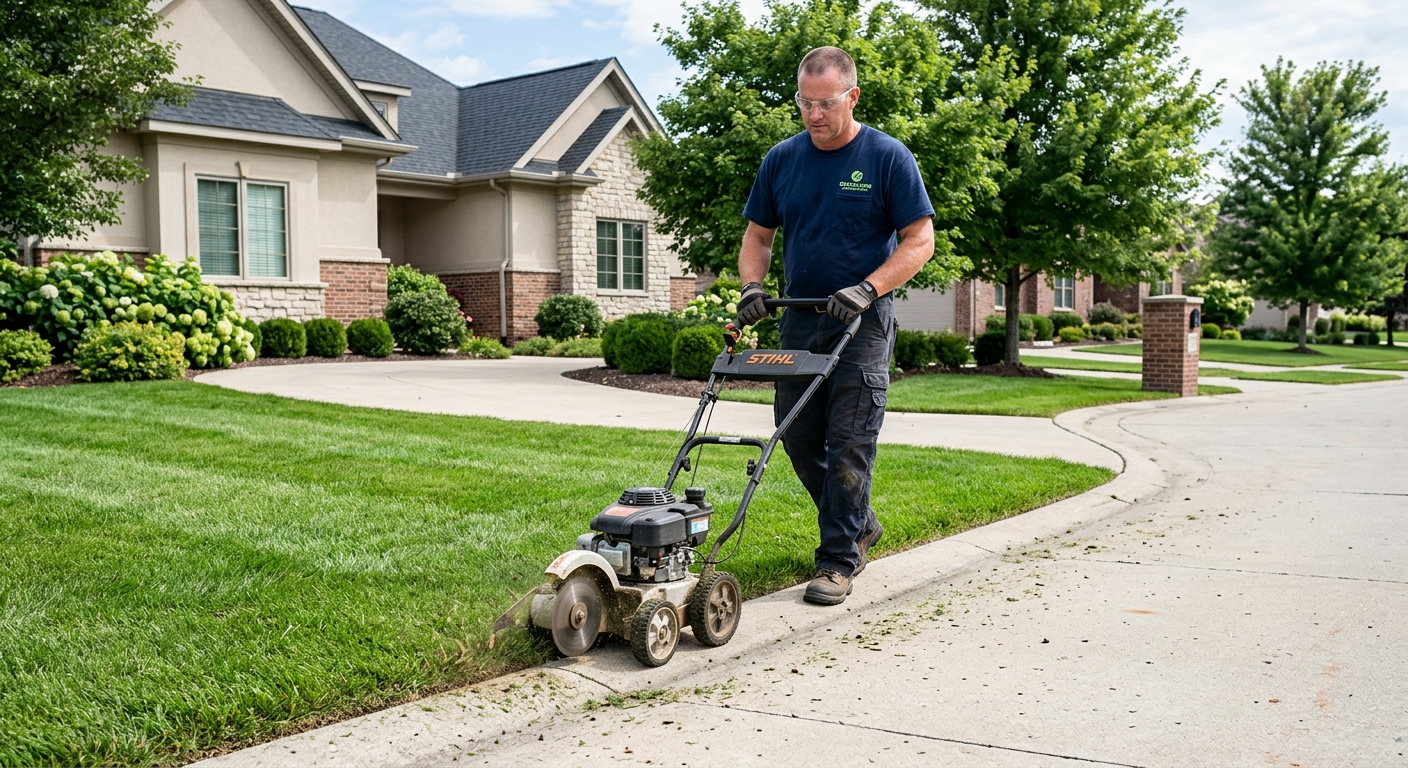
Landscaping options and costs in Chilliwack Mountain
Chilliwack Mountain is where homeowners start planning for curb appeal, comfort, and usable outdoor space, often with a longer view than a single-season update. With a 2021 population of 2,510 (Statistics Canada, 2021 Census), the local market is small enough that good trades can get booked quickly, especially around spring turnover. Most detached homes in the area create backyard “canvas,” so clients commonly invest in full builds—design through installation—rather than piecemeal updates. In the Lower Mainland–Southwest, plant hardiness zones 7–8 and mild, wet winters shape both what can be planted and how fast projects can move, which is one reason landscapers in Chilliwack Mountain can schedule foundation-style work and softscaping in a broader window than many parts of Canada.
That said, the Lower Mainland–Southwest still has freeze–thaw cycles that can affect patios, retaining walls, and drainage systems. As a result, pricing often reflects deeper bases, compaction, and well-planned drainage. Labour availability can also influence budgets: when multiple neighbourhood projects kick off, crews charge accordingly, and material lead times—especially for interlocking stone, block, and irrigation components—can shift final costs. If you’re comparing options, it helps to start with the “typical” ranges below for Chilliwack Mountain properties, whether you’re near the busier commercial pockets or planning a backyard refresh on a sloped residential lot.
Use the table to ballpark your scope, then align the design and drainage plan so the work lasts through wet winters and cool summers.
| Service |
Description |
Season |
Price Range |
| Full landscape design and installation |
On-site consult, layout, plant palette, grading/drainage coordination, installation of hardscape and softscape as specified |
Mar–Nov (and select winter conditions for drainage/planting) |
$5,000–$50,000 |
| Sod installation (supply, grade, lay, roll) |
Site prep, topsoil/leveling, sod supply and installation, starter fertilizer, and basic rolling/settling |
Mar–May, Aug–Oct (best establishment windows) |
$2,000–$8,000 |
| Lawn seeding (grade, seed, starter fertilizer) |
Grading touch-ups, seed blend, starter fertilizer, light raking, and establishment care |
Apr–Jun, Sep–Oct |
$1,500–$5,500 |
| Interlocking patio or walkway |
Excavation, base course, compaction, edging, sand setting, and jointing |
Apr–Nov (avoid the wettest weeks when possible) |
$10,000–$45,000 |
| Retaining wall (interlocking block) |
Block wall build with drainage weep system, base excavation, geotextile separation, and backfill |
Apr–Nov |
$15,000–$70,000 |
| Tree and shrub planting |
Soil prep, amended planting beds, staking for wind/settling, and initial watering plan |
Mar–Jun, Sep–Oct (weather dependent) |
$1,000–$15,000 |
Prices are estimates only and vary by project scope, site access and material selection.
What affects the price of landscaping in Chilliwack Mountain
In Chilliwack Mountain and across the Lower Mainland–Southwest, it’s normal to see quote-to-quote differences of 30–50% for what looks like the same job. One contractor may include full grading and drainage compensation; another may price it as “surface-level” work. Labour rates and crew scheduling also matter: when demand spikes in spring, crews are busier and overhead costs spread differently. Material availability and transport costs can add more variance too—especially for retaining wall block, interlocking stone, and irrigation controllers.
Climate and timing drive both plant and labour costs. Lower Mainland–Southwest sits in zones 7–8, so you can grow a lush palette with broadleaf evergreens and long-blooming perennials, which often increases the plant-cost portion of design. At the same time, freeze–thaw cycles mean bases for patios and walls can’t be “shallow and hope for the best.” Prairie regions (zone 2–4) deal with short growing seasons and colder ground, often pushing clients toward drought-tolerant, low-maintenance choices and tightening build schedules; that can compress or change pricing. Coastal BC allows a longer growing season, but the real requirement is correct drainage and compaction so heavy rainfall doesn’t create pooling and foundation moisture.
Two concrete local examples that move prices in Chilliwack Mountain: (1) slope correction—small grade changes can require significant excavation and trucking, which nudges a project toward the higher end of hardscape bands such as $10,000–$80,000 for retaining walls & hardscaping. (2) irrigation efficiency—adding drip lines and a smart controller costs more upfront, but it can prevent lawn failure during occasional water restrictions, protecting your investment in sod in the $2,000–$8,000 range. Finally, housing age matters: older yards often have compacted native soil, leaky perimeter drains, or buried services; fixing those before planting can add hundreds to thousands of dollars depending on scope.
| Price Factor |
Why It Matters |
Cost Impact |
| Yard size in sq ft — the primary cost driver for softscape |
More area means more labour time, topsoil, amendments, and materials like seed/sod and mulch |
Often the biggest swing; small yards may land closer to the low end |
| Grading and drainage work — slope corrections add significant cost |
Fixing pooling and directing runoff safely affects excavation, re-compaction, and finish topsoil |
Commonly increases overall softscape or hardscape by tens of percent |
| Drainage bed or French drain installation |
Creates a stable path for water during wet winters; requires trenching and proper outlets |
Can add several thousand dollars depending on length and depth |
| Plant material tier — native shrubs vs. ornamental vs. mature specimen trees |
Specimens and premium cultivars cost more and may need extra labour for staking and handling |
Can shift a planting job across the $1,000–$15,000 band |
| Hardscape vs. softscape ratio — walls and patios cost more per sq ft than lawn |
Stone, base courses, excavation and disposal drive cost more than seeding or mulch |
Higher hardscape proportions push budgets toward the upper bands for hardscaping |
| Irrigation system design and installation |
Drip zoning, backflow preventers, controller programming, and trenching affect labour/materials |
Often a mid-project add-on that can raise costs meaningfully but improves reliability |
| Soil amendment and topsoil required |
Heavy clay or compacted subsoil needs amendment to support roots and drainage |
Delivery and spreading costs can add up quickly on larger beds |
| Tree removal or stump grinding before new planting |
Unexpected root structure increases labour, hauling, and sometimes requires extra protection plans |
Can turn a “planting-only” budget into a fuller landscape scope |
Permits & regulations in British Columbia
In British Columbia, most backyard landscape work—including planting, sodding, and typical softscape installs—generally does not require a permit. That means you can usually proceed with things like shrub/flower bed creation, topdressing, mulching, and lawn replacement without going through approvals. However, retaining walls can change the equation: walls above a height threshold (commonly around 1.0 m in many municipalities) typically require a building permit and sometimes engineered drawings depending on height, soil conditions, and how the wall is designed.
Grading also matters. If your plan involves changing lot grading in a way that affects drainage patterns—especially directing runoff toward a neighbour’s property or toward a storm sewer connection—approval requirements may apply. Before digging, call for utility locates so you don’t damage buried services during planting holes, irrigation trenching, or wall footings.
For licensing and coverage, homeowners in Chilliwack Mountain can verify three things in sequence: (1) Contractor legitimacy: confirm the contractor’s British Columbia business details through official online registries and request their license/registration information as applicable. (2) Liability insurance: ask for a certificate of insurance listing your project as an interested party where appropriate. (3) Workers’ coverage: request proof of WSIB/WCB coverage (or equivalent provincial workers’ compensation coverage) and keep the clearance/status document on file. If a contractor can’t provide current documents promptly, that’s a strong reason to slow down and seek a different quote.
Planning a landscape that thrives in Chilliwack Mountain's climate
Planning for Chilliwack Mountain means working with zone 7–8 conditions—cool, wet winters; long cool summers; and the reality of freeze–thaw cycles that can move surfaces if bases aren’t built correctly. Start with plant selection: favour native and zone-appropriate species that tolerate periods of moisture and recover well after late-season chill. Then decide whether you need instant coverage or you’re comfortable building slowly. For instance, sod gives immediate visual results and protects soil from erosion, but it costs roughly 3–4x more per sq ft than seeding. If you’re re-grading a lawn, that “instant finish” can be worth it when the yard needs functional use quickly—otherwise seeding is usually the better value.
Drainage and grading are the make-or-break items in the Lower Mainland–Southwest. Pooling not only stresses roots and increases disease pressure, it can also add moisture near foundations. A simple strategy is to slope lawns and beds gently away from structures and build swales or drainage beds where water collects during wet weeks. For hardscape like patios and retaining walls, base preparation needs to account for local frost behaviour: deeper excavation, proper compacted base layers, and drainage behind walls reduce the risk of movement.
To cut annual upkeep while keeping curb appeal high, lean into groundcovers, mulched shrub borders, and perennials that bloom reliably in BC’s conditions. Consider a rain garden or smart drip zones for dry spells—efficient irrigation helps you stay prepared if restrictions tighten. As a cost example, a typical sod install in the $2,000–$8,000 range might be justified if you need fast, uniform coverage for kids, pets, or immediate landscaping aesthetics; but if you can wait a season, seeding can deliver a similar outcome at a lower overall budget, freeing dollars to invest in drainage or better plants that last longer.
| Element |
Climate Consideration |
Maintenance Level |
Price Band |
| Sod lawn installation |
Establishment window in spring/fall; benefits from consistent moisture in cool months |
Low during the first season, then regular mowing + occasional fertilizing |
$2,000–$8,000 |
| Native perennial garden |
Zone-appropriate plants handle wet winters and cool summers with less winter protection |
Moderate: seasonal pruning and occasional weeding |
$3,000–$12,000 |
| Mulched shrub border |
Mulch buffers moisture swings and reduces soil splash during wet weeks |
Low: annual top-up mulch and light shaping |
$2,000–$9,000 |
| Interlocking stone patio |
Requires proper base and drainage to manage freeze–thaw movement |
Low: occasional joint re-sanding and spot cleaning |
$10,000–$45,000 |
| Retaining wall (block) |
Backfill and drainage are critical; movement is harder to undo once installed |
Low: inspections after major wet seasons |
$15,000–$70,000 |
| Drip irrigation system |
Improves efficiency and supports targeted watering in variable seasonal rainfall |
Low: periodic checks and seasonal adjustment |
$1,500–$6,500 |
How to choose a landscaping contractor in Chilliwack Mountain
Choosing the right landscaping contractor in Chilliwack Mountain starts with verification, not sales polish. First, confirm British Columbia licensing/registration information where applicable to the scope (especially for work that touches structure-adjacent elements like engineered retaining work). Next, request liability insurance and review the certificate of insurance: ensure it’s current, not expired, and lists adequate coverage limits for landscaping operations. Finally, ask for WSIB/WCB clearance or proof of workers’ compensation coverage—this protects you if an employee is injured on your property. A legitimate contractor should provide documents quickly and in writing.
When you request quotes, don’t ask for a single “lump sum” only. Get 2–3 itemised written quotes showing labour and materials separately (base course, stone/block, soil/topsoil, drainage materials, plant sizes, and irrigation components). Then read the scope carefully for exclusions: is disposal included? Are utility locates included? Is permit pulling included for retaining walls where required? Also ask about warranty terms. You want a workmanship warranty length for the installation and clarity on product/manufacturer warranties for stone, block, and planting materials—plus whether warranties are transferable to you.
For payment, avoid paying more than 10–15% upfront. Use a holdback until the job is complete and the cleanup is done. Ask for a start date and completion estimate in writing, and ensure the quote reflects the weather-sensitive parts of Lower Mainland–Southwest work—especially drainage and base construction.
- Provide proof of liability insurance before work starts (ask for a current certificate).
- Provide WSIB/WCB clearance/status or proof of equivalent workers’ coverage.
- Use itemised quotes: labour, materials, disposal, and equipment rates broken out.
- Confirm whether utility locates are included and when trenching/excavation will occur.
- Ask who supplies geotextile, drainage rock, and edging details for walls/patios.
- Get a written scope on grading and drainage direction (where water goes).
- Clarify permit responsibilities for retaining walls and any engineered design needs.
- Require a workmanship warranty and the length of coverage (not just “we stand behind it”).
- Confirm plant warranty policies and what happens if trees/shrubs fail to establish.
- Ask for the installation schedule for irrigation, sod seeding, and plant delivery timing.
- Keep a holdback until final grade, cleanup, and punch-list items are complete.
- Avoid “too cheap to be true” bids—especially for base prep and drainage layers.
Red flags in Chilliwack Mountain: (1) quotes that don’t specify base depth/compaction or drainage details for patios and walls, (2) refusal or delay providing insurance and WSIB/WCB proof, (3) large upfront payments beyond 10–15% without a written schedule, (4) no itemised breakdown of materials and disposal, and (5) vague start dates or constant “we’ll figure it out later” language around grading and water direction.
Frequently asked questions — landscaping in Chilliwack Mountain
How do I improve drainage in my yard?
In Chilliwack Mountain and the broader Lower Mainland–Southwest, drainage is usually about directing water safely—away from foundations and into an appropriate outlet—while keeping soil stable in wet winters. Start by observing where water pools after heavy rain and where runoff naturally flows. A contractor should then evaluate grading (slope correction) and whether you need a drainage bed or a French drain (often with proper geotextile separation and washed drainage rock). Because freeze–thaw cycles can magnify surface movement, drainage work should be paired with correct base compaction before hardscape. If you already have a lawn in the $2,000–$8,000 sod range, drainage fixes first can protect your investment and reduce patch failures.
What is xeriscaping and does it suit Chilliwack Mountain?
Xeriscaping is a design approach that reduces irrigation needs using drought-tolerant plants, smart watering, and soil strategies like compost and mulch. In Chilliwack Mountain (zone 7–8), xeriscaping doesn’t mean turning everything into rock gardens; it means grouping plants by water needs and using drip irrigation where appropriate. Because the Lower Mainland–Southwest can still have wet periods, a well-designed xeriscape can focus on resilient plants for drier pockets while keeping moisture-loving plants in naturally wetter spots. This is especially useful if you face occasional water restrictions or rising water costs—efficient irrigation helps you avoid lawn die-off and keep beds looking consistent.
How do I plan a low-maintenance yard?
A low-maintenance yard in British Columbia is usually about reducing ongoing tasks: fewer lawn hours, fewer weeds, and better plant placement. In Chilliwack Mountain, you’ll typically get the best results by mixing mulched shrub borders with zone-appropriate perennials and groundcovers, rather than relying on constant re-seeding. Use drainage and grading to prevent soggy patches that cause plant stress. For lawn, decide early: sod gives quick coverage (commonly budgeted in the $2,000–$8,000 band), while seeding is often more economical if you can wait for establishment. Finally, keep irrigation efficient with drip and a smart controller, and insist on proper soil amendment so plants don’t require frequent re-watering or replacement.
How deep should a retaining-wall base be for local frost?
For a retaining wall in Chilliwack Mountain, the safe answer is: base depth isn’t one universal number—it depends on wall height, soil conditions, and the design. What’s consistent in the Lower Mainland–Southwest is the need to account for freeze–thaw movement. Contractors typically excavate and build on a compacted base that’s designed to remain stable through seasonal temperature swings, then add proper drainage behind the wall (often a weep system and drainage rock) to reduce hydrostatic pressure. If your wall is high enough to require a permit and possibly engineered drawings, the engineered plan should specify the base and reinforcement requirements. Ask your contractor to explain their wall build-up layers and compaction targets, not just the final block height.
How much does professional landscape design cost?
Professional landscape design in the Lower Mainland–Southwest is commonly priced as part of a larger design-and-install package or as a separate design fee. For budgeting purposes in Chilliwack Mountain, design plus installation often falls into the broader range of $5,000–$50,000 depending on complexity, grading/drainage scope, and the amount of hardscape and planting included. If you’re only doing layout and plant selection, you may spend less—but the value is highest when drainage and grading are part of the plan, because those decisions affect whether your yard performs for years. Ask for a written scope that clarifies what the designer includes (top-down layout, plant list, and drawings for contractors) and whether revisions are covered.
How do I compare landscaping quotes?
To compare landscaping quotes in Chilliwack Mountain, make sure you’re comparing apples to apples by insisting on itemised line items: labour hours, materials, disposal, and allowances. Quotes should state what’s included in grading and drainage (slope correction, drainage rock, geotextile, and how runoff is handled), and whether irrigation is part of the scope. For hardscape, confirm base course depth, edging type, and compaction methods. Also check timing and warranties: workmanship warranty length and product/manufacturer warranty coverage can differ. As a practical benchmark, if one quote lands near the low end for a patio or wall while omitting drainage bed or proper base preparation, it will usually fail earlier. If another quote lists a complete scope but totals into the expected bands—like $10,000–$45,000 for a patio range—you can evaluate value more fairly.