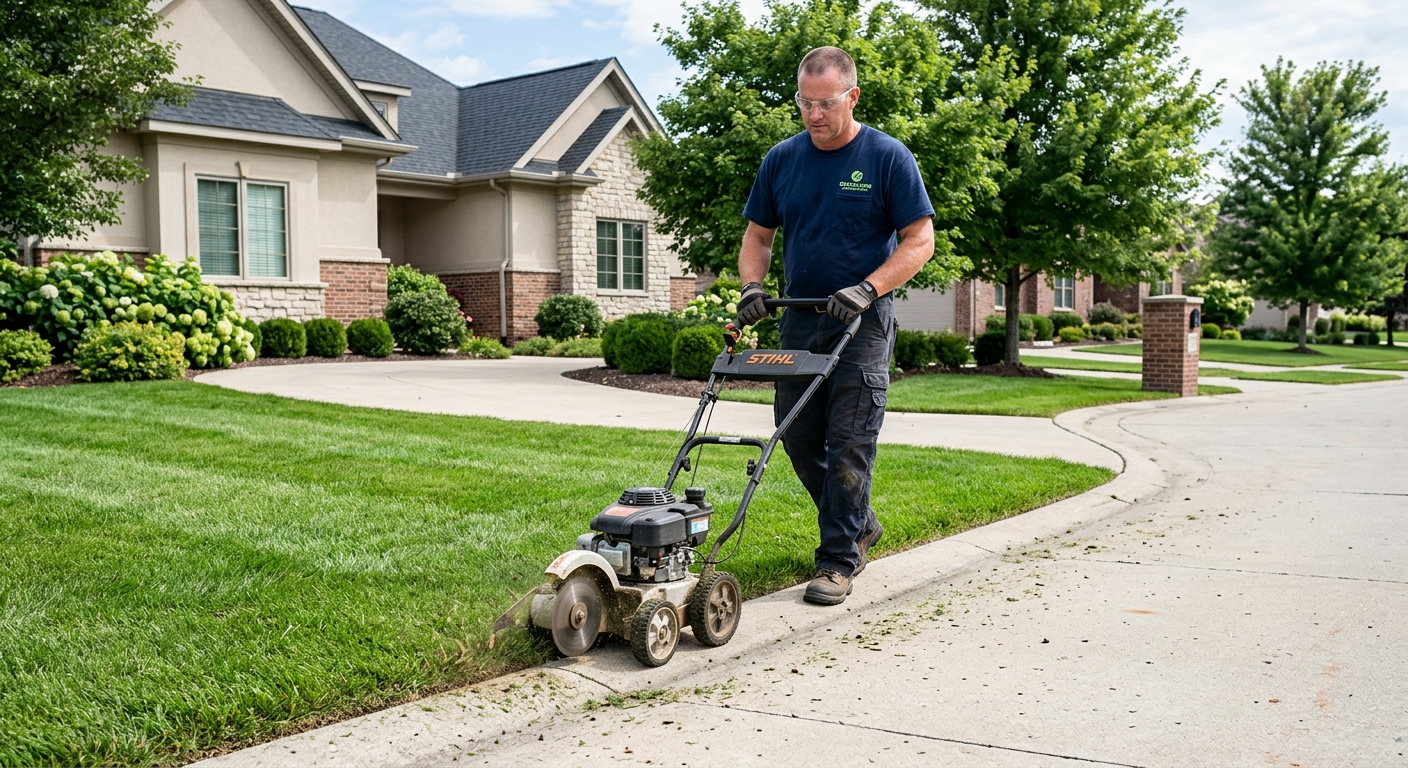
Landscaping options and costs in Squamish
In Squamish, landscaping decisions often start with the realities of a wet, cool coastal climate and the fact that many homes sit on smaller lots with big grade swings. With 23,819 residents and about 6,435 homeowner households (70.1% of households own), you’ll see consistent demand for curb appeal and yard upgrades that also protect property—especially where drainage matters. Roughly 40.6% of dwellings are single-detached homes, which typically means more usable outdoor space to work with, but also more surfaces to maintain or renovate when weather, roots, or slopes start causing issues.
In the Lower Mainland–Southwest, plant hardiness zones 7–8 and frost timing (generally early March to early April for last spring frost, and often not until November for first fall frost) support a long working and growing season. That can reduce downtime for planning and installation compared with faster-freeze regions, but labour and site-prep costs can still run high because contractors spend more effort on drainage, compaction, and freeze–thaw-safe bases. This is especially true in neighbourhoods like Valleycliffe and Garibaldi Highlands, where sloped lots and soil conditions create more grading and foundation protection work.
Below are typical price ranges homeowners in Squamish budget for common softscape and hardscape projects. Use the table as a starting point, then expect your final quote to tighten once a site visit confirms access, drainage needs, soil amendments, and material selections.
| Service |
Description |
Season |
Price Range |
| Full landscape design and installation |
Site assessment, concept-to-install design, grading/drainage plan (if needed), planting plan, and installation of softscape and/or hardscape |
Year-round (softscape peaks spring–fall; hardscape depends on weather) |
$10,000–$50,000 |
| Sod installation (supply, grade, lay, roll) |
Remove/level existing soil, base preparation, topsoil amendments, sod delivery/rolling, and first watering guidance |
Late spring–early fall (best before heavy wet spells) |
$3,000–$8,000 |
| Lawn seeding (grade, seed, starter fertilizer) |
Fine grading, seed selection, starter fertilizer, and light raking/rolling for seed-to-soil contact |
Spring (after thaw) and early fall |
$1,500–$4,500 |
| Interlocking patio or walkway |
Excavation, compacted base, edge restraints, bedding sand, pavers, and drainage adjustments |
Spring–fall (warmer temps for best compaction) |
$8,000–$35,000 |
| Retaining wall (interlocking block) |
Layout, excavation to depth, compacted granular base, drainage behind wall, block installation, and backfill |
Spring–fall |
$15,000–$60,000 |
| Tree and shrub planting |
Soil prep, planting holes, amendments, staking (if needed), and a watering plan suited to coastal BC conditions |
Spring–early winter (avoid frozen ground) |
$2,000–$12,000 |
Prices are estimates only and vary by project scope, site access and material selection.
What affects the price of landscaping in Squamish
In Squamish and across the Lower Mainland–Southwest, it’s normal to see quotes for the “same” landscape come in 30–50% apart once contractors price the real site conditions. Labour and material costs aren’t the only drivers—what matters most is how your slope, drainage, and frost-proofing requirements change the amount of earthwork, base prep, and irrigation design needed. Even though the region’s plant hardiness zones 7–8 support a lush planting palette and a longer growing window, the wet-season ground conditions and freeze–thaw cycles still demand careful installation to prevent settlement and pooling.
Compared with prairie regions (Zone 2–4), where homeowners often lean toward drought-tolerant, wind-hardy plants and shorter build windows, coastal BC typically allows more layering of shrubs and long-blooming perennials—but drainage design becomes non-negotiable. In the drier BC Interior and parts of Alberta, irrigation upgrades and water-efficiency hardware can raise costs, while southern Ontario (Zone 5–6) has a moderate season but more pronounced summer dry spells that also push irrigation needs. Coastal BC’s advantage is that the extended working and growing season can reduce schedule friction; however, heavy rain can slow compaction and foundation-safe base work, which affects labour allocation and equipment time.
Two concrete examples you’ll feel in Squamish: (1) a sloped yard needing regrading and corrected drainage can add enough granular base and labour to push a walkway/patio project from the lower end of typical hardscaping budgets toward the mid range of $10,000–$35,000; (2) a retaining wall that needs proper drainage behind it can’t be “value engineered” without consequences, often placing it in the $15,000–$60,000 band depending on length, height, and excavation depth.
Home age can also show up in quotes. With 33.8% of homes built before 1981, older yards may have legacy drainage issues, buried services, or compacted soils that require more topsoil amendments and rework—costly, but often worth it for long-term stability.
| Price Factor |
Why It Matters |
Cost Impact |
| Yard size in sq ft — the primary cost driver for softscape |
More area increases labour hours, soil amendments, and plant/lawn materials |
Often the biggest swing; can change totals by several thousand dollars |
| Grading and drainage work — slope corrections add significant cost |
Fixing runoff paths and correcting slope toward safe discharge points requires excavation and re-compaction |
Can add thousands, especially on steep or irregular lots |
| Drainage bed or French drain installation |
Reduces pooling around foundations and prevents water pressure behind walls |
Common add-on; materially increases base and material costs |
| Plant material tier — native shrubs vs. ornamental vs. mature specimen trees |
Smaller stock is cheaper and easier to plant; mature specimens cost more and may need staking/extra handling |
Mature trees can shift the plant budget significantly |
| Hardscape vs. softscape ratio — walls and patios cost more per sq ft than lawn |
Pavers, base rock, and excavation/compaction time are labour- and equipment-intensive |
Higher hardscape content increases total project cost faster than lawn-only work |
| Irrigation system design and installation |
Drip lines, zone controllers, and routing must match plant layout and drainage realities |
Adds cost, but prevents expensive plant losses and rework |
| Soil amendment and topsoil required |
Coastal soils may be heavy or compacted; correcting texture and drainage improves establishment |
Can range from modest adders to large expense on re-topsoil jobs |
| Tree removal or stump grinding before new planting |
Cleanup, disposal, and grinding depth affect access, schedule, and safety |
Often a noticeable add-on depending on size and debris volume |
Permits & regulations in British Columbia
In British Columbia, most planting and softscape work typically does not require a permit. This usually includes sod and seeding, mulch and shrub planting, and routine garden bed preparation. Many homeowners in Squamish can proceed with planting, sodding, and similar landscape upgrades without a building permit—especially when you’re not changing the structure or significantly altering engineered drainage patterns.
What does often require a permit is structural work like retaining walls above typical height thresholds—commonly around 1.0 m (3.3 ft) in many municipalities—because these can affect safety and require inspection. Engineered drawings may be requested depending on wall height, soil conditions, and how the wall is built. Also, changes to lot grading that affect how water drains toward neighbouring properties or storm sewer connections can trigger approval requirements; contractors should confirm the intended drainage outlet before digging.
Before you schedule excavation for planting holes or wall footings, call utility locates (BC 1 Call) to mark buried services. For water-related work, confirm local irrigation and water-use bylaws—while Squamish isn’t typically under the same harsh restriction cadence as the driest parts of the Interior, rules and conservation expectations still affect how irrigation is designed.
To verify a contractor’s coverage in BC: ask for (1) proof of relevant business licence/registration where applicable, (2) a current certificate of insurance showing liability coverage, and (3) proof of workers’ compensation coverage (WSIB/WCB equivalent) for their employees. Look for the clearance letter or account verification details referenced in their paperwork, and confirm the policy dates match your start and end dates.
Planning a landscape that thrives in Squamish's climate
Planning for Squamish means designing with the grain of coastal BC: generally mild winters, frequent rainfall, and a frost calendar that gives you a long season to establish plants. With Lower Mainland–Southwest hardiness zones 7–8, your best results come from choosing native and zone-appropriate species that tolerate wet periods but don’t stay waterlogged. That’s where many “pretty” gardens fail—heavy winter rain and compacted soil can overwhelm roots if drainage isn’t built into the plan.
Sod vs. seed is a frequent decision. Sod gives instant coverage and erosion control, but it typically costs about 3–4 times more per sq ft than seeding once you compare material and supply/installation. Seeding, on the other hand, is slower to look finished but can be the right choice for budget-conscious homeowners, especially for lawns that will be established during spring or early fall windows.
Drainage and grading are critical in this region. Even if winters are mild, freeze–thaw cycles still matter for patios and retaining walls. The right fix is not just “more gravel”—it’s correct slope, proper base compaction, and drainage provisions (like weeping tile or French drains where needed) so water can move away safely rather than pooling near foundations.
Hardscape base prep must reach depth and compaction levels designed to handle local frost heave risk. A properly built interlocking patio can be a long-term investment, but cutting corners on base depth or edge restraints can lead to shifting pavers after wet winters.
For low-maintenance design, lean on mulched shrub borders, groundcovers, and long-blooming perennials so you’re managing fewer weeds and fewer discrete watering events. Rain-garden style beds (with amended soil and overflow paths) are also a smart option in Squamish because they can absorb stormwater while staying attractive.
Example: if your lawn plan is 500 sq ft, seeding might fit your budget around the lower end of $1,500–$4,500, while sod installation often lands closer to $3,000–$8,000. The price difference is justified when you need immediate erosion control, have kids/pets needing a usable surface fast, or have time constraints where waiting for seed establishment isn’t practical.
| Element |
Climate Consideration |
Maintenance Level |
Price Band |
| Sod lawn installation |
Reliable establishment in zone 7–8; requires careful watering during early rooting and drainage to avoid soggy spots |
Medium (initial watering and mowing until stable) |
$3,000–$8,000 |
| Native perennial garden |
Designed for coastal rainfall patterns; deeper root systems handle wet periods and reduce replanting |
Low to medium (seasonal pruning and weed control) |
$2,000–$10,000 |
| Mulched shrub border |
Mulch buffers soil moisture swings and helps prevent soil splash and compaction during wet winters |
Low (mulch refresh and light trimming) |
$2,500–$9,000 |
| Interlocking stone patio |
Base preparation and drainage channels reduce heaving and washouts through wet seasons |
Low (occasional cleaning and joint sand top-ups) |
$8,000–$35,000 |
| Retaining wall (block) |
Drainage behind wall is crucial in heavy-rainfall conditions; correct base depth reduces movement |
Low after install (periodic inspection of drainage outlet) |
$15,000–$60,000 |
| Drip irrigation system |
More efficient than sprinklers for mixed planting; supports conservation expectations and reduces leaf disease from wet foliage |
Low (seasonal tune-up of zones and controller settings) |
$2,500–$9,000 |
How to choose a landscaping contractor in Squamish
Choosing the right contractor in Squamish is mostly about verifying competence and protecting yourself from avoidable rework. Start with licensing and insurance. In British Columbia, ask the company for proof of coverage and credentials before work begins: a certificate of liability insurance (showing their policy is active and adequate), and workers’ compensation coverage for their crew (WCB/WSIB equivalent documentation). If they can’t provide current certificates promptly, treat that as a red flag.
Then, get 2–3 itemised written quotes—not a single “lump sum” number. You want a breakdown of labour, equipment, and materials (including soil/topsoil, base rock, drainage rock, plants by size, and irrigation components if included). A good quote also lists what’s excluded: disposal/haul-away, tree removal, utility locates coordination, permit pulling (if required for a wall or grading changes), and whether protection of existing lawns or walkways is part of the scope.
Warranty matters. Ask for a workmanship warranty length (for installation and drainage) and separate product/manufacturer warranties for plants and any hardscape components where applicable. Confirm whether warranties are transferable to the next owner if you sell.
On payments, never pay more than 10–15% upfront. Hold back the remainder until key milestones are complete—especially after base prep, drainage tie-ins, and a final walkthrough. For timeline, require an actual start date and a completion estimate in writing, with weather contingencies noted for wet weeks.
- Request certificate of insurance and verify policy dates cover your project timeline
- Confirm workers’ compensation coverage for their employees (WCB/WSIB-equivalent documentation)
- Ask for references for similar Squamish slope/drainage projects
- Get itemised labour and materials (not just a final total)
- Ensure drainage scope is written (what drains where, and what outlet is used)
- Clarify soil amendments and topsoil quality (type, thickness, and quantity)
- Confirm disposal/haul-away is included or priced separately
- Ask whether utility locates are handled and who pays for any adjustments
- Verify permit responsibility for retaining walls that cross common height thresholds
- Require a written watering/maintenance plan for first-season plant establishment
- Review warranty terms in writing (workmanship vs. plant/product warranty)
- Use a milestone payment schedule with a final holdback until walkthrough completion
Concrete red flags to watch for in Squamish: vague scopes that don’t mention drainage or base prep; a quote that ignores access constraints on sloped yards; insisting on large upfront payments; no written warranty details; and contractors who cannot show current insurance/WCB documentation when you ask.
Frequently asked questions — landscaping in Squamish
How much does a retaining wall cost in Squamish?
In Squamish, retaining wall pricing usually depends on height, total length, excavation difficulty on sloped sites, and how much drainage work is required behind the wall. For interlocking block walls, many homeowners end up in the $15,000–$60,000 range depending on the block size, wall length, and whether drainage beds or French drains are included. If your yard needs significant regrading, base depth, or has foundation-protection concerns, expect higher labour and material costs. Because Squamish experiences wet winters plus freeze–thaw conditions, a properly built wall with drainage provisions typically costs more upfront—but it’s the difference between a wall that performs for years and one that shifts after heavy rain cycles. (Statistics Canada, 2021 Census)
When is the best time to landscape in Squamish?
The best window for planning and planting is generally spring through early fall, when soils are workable and plants can establish before winter wet conditions. Last spring frost is often in early March to early April near the coast, and first fall frost commonly arrives in November, so you have a longer season than many interior or prairie regions. Sod installation is usually best when temperatures are favourable and you can support early rooting—late spring into early fall tends to work well. Hardscape work like patios and retaining walls is best when weather supports proper excavation, drainage grading, and compaction. Even though Squamish allows year-round softscape activity during milder weeks, the wettest weeks can slow base prep and affect final schedules.
Do I need a permit for a retaining wall in British Columbia?
In British Columbia, a permit is commonly required for retaining walls above typical height thresholds—often around 1.0 m (3.3 ft), depending on the municipality—and in some cases engineered drawings are requested based on wall height, soil conditions, and design. Because Squamish projects can involve sloped lots and drainage tie-ins, it’s wise to ask your contractor to confirm the exact permit requirement for your wall size and location before work starts. Most planting, sodding, and routine softscape work generally doesn’t require a permit. Also consider that changes to lot grading that affect stormwater direction can trigger approval needs. A reputable contractor should explain who pulls the permit (often them, not you) and what drawings or documentation will be required.
How do I improve drainage in my yard?
In Squamish, drainage problems usually show up as pooling near foundations, soggy planting beds, or water that runs along pathways. The right solution starts with understanding where water goes during heavy rain and how your lot is sloped. Common fixes include regrading the yard to direct runoff toward an approved outlet, installing a drainage bed, or adding a French drain where water collects. For retaining walls, drainage behind the wall is critical—water pressure can build up quickly in wet seasons. Always confirm utility locations before digging, and verify that any drainage discharge won’t push water onto neighbouring property. A well-designed drainage plan may increase your budget compared with surface-only fixes, but it protects your landscaping investment and can prevent expensive settlement or plant failure.
What is xeriscaping and does it suit Squamish?
Xeriscaping is a landscaping approach that reduces water use by using drought-tolerant plants, efficient irrigation, and smart soil practices. It’s especially popular in drier parts of British Columbia where water restrictions are more common, but aspects of xeriscaping can still suit Squamish—just adjust expectations. In Lower Mainland–Southwest, you’re often managing excess moisture rather than only drought, so the goal becomes “water-wise” rather than “no-water.” For example, using well-draining amended soil, mulch, and plants that thrive in zones 7–8 can reduce maintenance and prevent root stress from soggy conditions. Pairing plants with a drip system can also help target irrigation and avoid constant wet foliage, which supports healthier gardens. If your area is prone to pooling, a rain-garden style bed can be more appropriate than traditional xeriscaping.
How do I plan a low-maintenance yard?
A low-maintenance yard in Squamish starts with plant choices and soil preparation, not just “fewer plants.” Build beds with mulch, select zone-appropriate and native species, and use layered planting so weeds have less opportunity to establish. Mulched shrub borders and native perennial gardens generally reduce ongoing upkeep because they’re resilient to coastal conditions and establish quickly with the right soil amendments. For lawns, consider whether you truly need sod coverage—seeding is often more budget-friendly, while sod can be worth it when you want immediate erosion control. For hardscape, proper base prep for patios and correct drainage for retaining walls reduces future repairs. If you’re budgeting, a lawn-only refresh may land around the lower end of common softscape work, while a full design and installation project often starts higher, commonly in the $5,000–$50,000 range depending on scope. (Statistics Canada, 2021 Census)