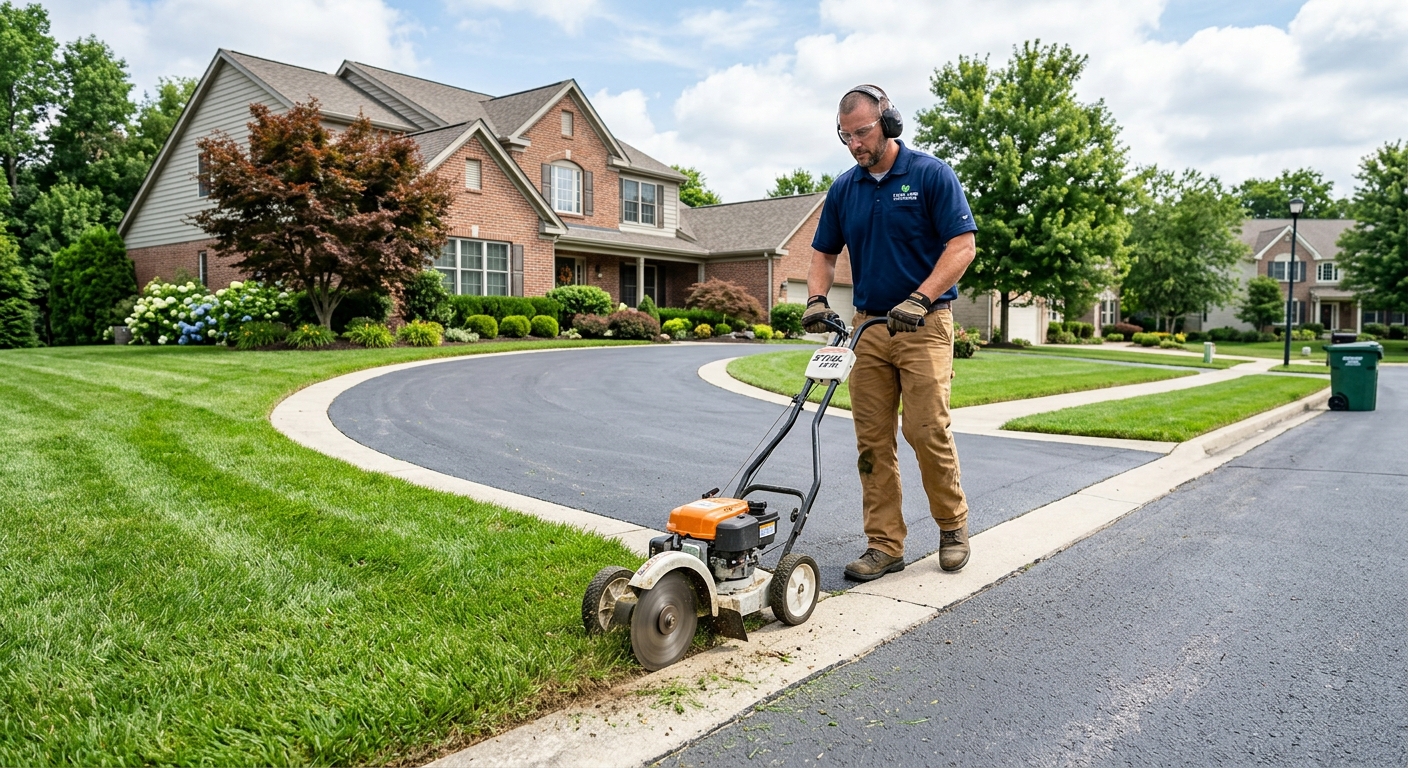
Landscaping options and costs in Oxford Heights
Oxford Heights homeowners typically have a lot to work with: in a community of 6,156 residents (Statistics Canada, 2021 Census), there’s steady demand for curb-appeal upgrades and backyard improvements. Many properties in this area are single-detached homes, which means larger lots, more plantable surface area, and more incentive to invest in upgrades that pay back in comfort, usability, and resale appeal. You’ll also notice that availability of experienced crews is fairly strong in the Lower Mainland–Southwest because the region’s mild, wet winters and long cool summers keep the work moving through more of the year than in colder parts of the province.
In Oxford Heights, landscaping pricing usually tracks two realities: (1) the Lower Mainland–Southwest climate (plant hardiness zones 7–8, with last spring frost often early March to early April) supports a lush palette, but (2) structural and hardscape projects still require careful freeze–thaw drainage and compaction to avoid movement and frost heave—especially on sloped sites. That combination is why the most affordable “top-up” jobs and the most complex drainage-and-retaining-wall projects often land far apart within the typical market bands.
Use the table below as a starting point when comparing quotes for common projects in Oxford Heights—then we’ll break down the price drivers that can swing your budget by 30–50% across the Lower Mainland–Southwest.
| Service |
Description |
Season |
Price Range |
| Full landscape design and installation |
Site visit, concept + plant plan, grading/drainage coordination, softscape + hardscape installation as specified |
Spring–Fall (often partial winter planning if weather delays) |
$8,000–$45,000 |
| Sod installation (supply, grade, lay, roll) |
Minor grading, soil prep, sod supply, lay/roll, starter fertilizer, cleanup |
Best: spring; also early fall |
$3,000–$7,500 |
| Lawn seeding (grade, seed, starter fertilizer) |
Light grading, seed selection, starter fertilizer, tack/cover as needed, initial watering guidance |
Spring–early summer; early fall for cool-season grasses |
$2,000–$5,000 |
| Interlocking patio or walkway |
Excavation, base (compacted), edging, interlocking stones, jointing sand, disposal (as scoped) |
Spring–Fall |
$7,000–$35,000 |
| Retaining wall (interlocking block) |
Layout, excavation, geotextile/base prep, wall block installation, drainage components |
Spring–Fall (weather-dependent) |
$12,000–$70,000 |
| Tree and shrub planting |
Soil amendment, planting, staking where needed, mulching, initial watering plan |
Spring–Fall |
$1,500–$14,000 |
Prices are estimates only and vary by project scope, site access and material selection.
What affects the price of landscaping in Oxford Heights
Even for the “same” job, quotes in Oxford Heights can swing by 30–50% across the Lower Mainland–Southwest and the rest of British Columbia. The main reason isn’t just labour—it’s that design choices, site conditions, and the length of the working season change what’s required. In coastal BC (zones 7–8), you can use a wider, more lush planting palette because winter damage risk is lower and soil rarely remains frozen for extended periods. That supports fuller, layered designs and often stretches the planting window. In contrast, Prairie regions (zones 2–4) typically rely on drought-tolerant, wind-hardy species and must compress construction into a shorter frost-free period; that can increase labour intensity and change how hardscapes and drainage are scheduled. Southern Ontario (zones 5–6) usually sits in the middle—moderate seasons, but with irrigation needs during summer dry spells—so watering and turf strategies still influence costs.
Two Oxford Heights examples where pricing rises quickly: (1) adding grading and drainage correction for a sloped yard—foundation drainage and surface runoff control become mandatory, not optional; (2) building a retaining wall that includes proper drainage components and deeper base prep for freeze–thaw resilience. Those items push a project toward the higher end of the price bands you’ll see (for instance, interlocking patios commonly land closer to $7,000–$35,000, while larger wall projects often approach the upper portion of $12,000–$70,000 when excavation and drainage are extensive).
Also, local housing stock matters. Many Oxford Heights homes were built years ago with settled soil and sometimes outdated drainage patterns. When contractors have to remove old lawn edges, fix ponding, or adjust soil depth by a few inches over larger areas, that increases material volume (topsoil/soil amendments) and labour time. In practical terms, a “small” front yard refresh can expand into a full softscape base rebuild—turning a mid-band lawn job into a design-and-install package.
| Price Factor |
Why It Matters |
Cost Impact |
| Yard size in sq ft — the primary cost driver for softscape |
More area means more soil prep, plants, mulch, sod/seed, and watering infrastructure |
Often the biggest swing: can change the total by several thousand dollars |
| Grading and drainage work — slope corrections add significant cost |
Pooling and foundation moisture control require re-shaping the grade and directing runoff |
Commonly adds substantial labour + equipment time (up to a major share of the budget) |
| Drainage bed or French drain installation |
Helps manage heavy rainfall pockets and subsurface water movement |
Can move a project from “mid-range” to “upper-range” depending on length/depth |
| Plant material tier — native shrubs vs. ornamental vs. mature specimen trees |
Mature stock costs more and may require heavier equipment and staking/support |
Material costs can vary widely and quickly add up |
| Hardscape vs. softscape ratio — walls and patios cost more per sq ft than lawn |
Base prep, compaction, and stone/block quantities increase with hardscape coverage |
Higher hardscape share generally increases total price per project |
| Irrigation system design and installation |
Efficient watering (drip/smart controllers) reduces future water cost and plant stress |
Can add meaningful cost, but prevents rework and dead spots |
| Soil amendment and topsoil required |
Improves rooting and reduces drainage/compaction issues |
Greater depths/volumes increase material and delivery/disposal costs |
| Tree removal or stump grinding before new planting |
Removal adds specialized labour and may include disposal and protection |
Often a “surprise” add-on if not included in the initial quote |
Permits & regulations in British Columbia
For most landscaping work in British Columbia, you typically do not need a permit for things like planting beds, sod installation, and the majority of softscape construction (for example, mulch installation, perennial planting, and normal grading for those planted areas). However, retaining walls can trigger permits depending on height and municipal requirements. A common threshold many municipalities use is around 1.0 m (3.3 ft)—walls at or above that height typically require a building permit and sometimes engineered drawings. Changes to lot grading that significantly affect drainage toward neighbouring properties or storm sewer connections may also require approval.
Before any digging—planting holes, French drain trenches, and wall footings—ask for utility locates to mark buried services. This is especially important if your project includes irrigation lines, downspout discharges, or any tie-in near the driveway and foundation.
To verify a contractor for Oxford Heights, follow a simple checklist: (1) confirm licensing/registration status via the appropriate provincial contractor registry (where applicable), (2) request a current certificate of liability insurance and confirm the coverage limits match the project size, and (3) verify their coverage for workplace safety requirements (WSIB/WCB coverage) by asking for the clearance letter or proof of account as applicable. Don’t accept a quote without seeing these documents—ask for them up front, ideally before work begins.
Planning a landscape that thrives in Oxford Heights's climate
To plan a landscape that thrives in Oxford Heights, you want to work with the yard conditions created by the Lower Mainland–Southwest climate: hardiness zone 7–8, mild wet winters, and a long window from last spring frost (often early March to early April near the coast) into fall (often November). That means you can choose more lush trees and flowering perennials than in colder zones, but you still must manage water movement and foundation moisture because freeze–thaw cycles can stress edges, bases, and wall systems.
Start with plant selection. Choose zone-appropriate, ideally native species and mix in plants with varied bloom times to avoid a single-season look. For turf decisions, weigh sod versus seed: sod gives instant results, but it usually costs 3–4x more per sq ft than seeding. For drainage and grading, plan for swales, proper slope away from foundations, and—when needed—drainage beds or French drains. On patios and retaining walls, base preparation must be designed for freeze–thaw performance: deeper excavation, proper compaction, and drainage layers to prevent water from freezing under slabs or within wall cores.
For low-maintenance design, consider groundcovers, mulched shrub borders, and long-blooming perennials to reduce weeding and watering. Rain-garden elements and xeriscape-adjacent planting (in practice, drought-tolerant “micro-zones” like perennials in dry pockets near driveways) can be useful—even in coastal BC—because water costs and watering efficiency are rising concerns. A $2,000–$5,000 seeded lawn approach can be a smart fit if you’re patient for establishment; if you need “usable yard” quickly before an event, spending closer to the sod band ($3,000–$7,500) can be justified.
| Element |
Climate Consideration |
Maintenance Level |
Price Band |
| Sod lawn installation |
Best installed in spring or early fall to help roots establish before colder, wetter weeks |
Low-to-medium (regular watering during establishment) |
$3,000–$7,500 |
| Native perennial garden |
Zone-appropriate plants handle coastal winter conditions with less winter protection |
Low (mulch + seasonal pruning/cleanup) |
$2,500–$10,000 |
| Mulched shrub border |
Helps manage moisture in heavy-rain periods and suppresses weed emergence |
Low (top up mulch and spot weeding) |
$1,500–$6,500 |
| Interlocking stone patio |
Requires correct base drainage and compaction for freeze–thaw stability |
Low (periodic joint sand refresh) |
$7,000–$35,000 |
| Retaining wall (block) |
Needs drainage core and proper footing depth to prevent wall movement |
Low (inspection and weep hole/drain checks) |
$12,000–$70,000 |
| Drip irrigation system |
Supports efficient watering during any municipal restrictions and reduces overwatering |
Medium initially (seasonal adjustment, controller setup) |
$2,000–$8,000 |
How to choose a landscaping contractor in Oxford Heights
Choosing the right contractor in British Columbia starts with verification. First, ask for proof of liability insurance (certificate of insurance), and confirm the coverage applies to the type of work you’re commissioning (excavation, hardscape, planting, irrigation). Next, verify their workplace coverage—request the WSIB/WCB clearance letter or equivalent proof of account coverage before work begins. Finally, confirm any relevant provincial licensing/registration required for the specific scope (especially if they’re handling specialized trades or engineered components).
For quotes, get 2–3 itemised written estimates rather than a single lump sum. You want separate line items for labour and materials (paving base, block/sand, plant list with sizes, soil amendments, disposal, and irrigation components). Read the scope carefully: what’s excluded? Is permit pulling included if required for a retaining wall? Is disposal and haul-away included for old sod, topsoil, or tree debris? If drainage is part of the plan, ensure French drains, geotextile, and catchbasin/connection details are specified.
Warranty matters. Ask for a written workmanship warranty length and whether product warranties (plants and materials like interlocking pavers/blocks) are passed through to you and whether they’re transferable. For payments, never pay more than 10–15% upfront; hold back the remainder until key milestones are complete (base inspected, drainage tested, stone/block laid, plants installed and watered-in). Get a timeline in writing with a start date and completion estimate, and understand that wettest winter periods can shift schedules.
- Provide liability insurance certificate before you sign
- Provide WSIB/WCB clearance or proof of coverage
- Use a detailed, line-by-line written quote (labour + materials)
- Include disposal/haul-away costs explicitly
- Specify whether permits are included (especially for retaining walls)
- Show the plant list with sizes, quantities, and substitutions rules
- Confirm irrigation type (drip vs spray) and controller/smart features if offered
- Ask who handles utility locates before digging
- Clarify warranty: workmanship length + how issues are corrected
- Confirm what’s excluded (tree removal, stump grinding, soil hauling, ledge removal)
- Require milestone-based payment scheduling, not large deposits
- Get a start date and completion target in writing
Red flags to watch in Oxford Heights: (1) a contractor who won’t share insurance or coverage details, (2) quotes that are “lump sum” with no plant list or material specifications, (3) vague wording like “and other duties” without defining exclusions, (4) requesting large upfront payments (well over 10–15%), and (5) skipping drainage/base details for patios or retaining walls while promising “quick installs.”
Frequently asked questions — landscaping in Oxford Heights
What is xeriscaping and does it suit Oxford Heights?
Xeriscaping is landscaping designed to reduce watering needs by using drought-tolerant plants, efficient irrigation (often drip), and smart grouping by sun and moisture. In Oxford Heights, it can suit your yard well, even though the Lower Mainland–Southwest is naturally wetter than the BC Interior. The reason is practical: water costs and occasional restriction periods still influence how homeowners want their systems to perform. A “xeriscape-style” approach might mean reserving higher-water plants for wetter zones near downspouts while using hardy perennials and mulched borders in drier corners. If you’re comparing turf options, note that sod installs can cost roughly $3,000–$7,500, while seeding is often closer to $2,000–$5,000—both can be paired with efficient irrigation planning to keep overall costs and water use under control.
How do I plan a low-maintenance yard?
In British Columbia (including Oxford Heights), low-maintenance yards usually combine three things: (1) zone-appropriate plants for hardiness zone 7–8, (2) drainage and grading that prevent pooling and stressed root zones, and (3) reduced weed pressure through mulch and durable groundcovers. Start by choosing fewer plant types but repeating them in masses—this simplifies seasonal cleanup and pruning. Add a drip irrigation zone plan where possible, and avoid overwatering; coastal conditions still benefit from efficient delivery. For turf, many homeowners decide between sod (instant coverage, but higher cost, often in the $3,000–$7,500 band) and seeding (more patient establishment, often $2,000–$5,000). Finally, keep hardscape edges well-built and maintainable so you don’t end up with constant re-edging or vegetation creep.
How deep should a retaining-wall base be for local frost?
Retaining-wall footing depth is not a “one size fits all” number—it depends on wall height, block system specifications, soil type, and drainage design. In Oxford Heights, you must account for freeze–thaw cycles even though winters are milder than inland BC. That typically means contractors excavate deeper than you’d expect for appearance-only landscaping and include proper compaction, geotextile, and a drainage core (often with weeps or designed drainage components). Because permit requirements may apply for walls around 1.0 m (3.3 ft) or more, base design is frequently handled using the wall system guidelines and engineering where required. The best next step: ask your contractor to show the cross-section they propose (base, geotextile, drainage aggregate, and weep/drain details) rather than relying on a single depth figure.
How much does professional landscape design cost?
Professional landscape design in the Lower Mainland–Southwest is commonly priced as part of a full design-and-install package or as a separate design fee depending on the scope. For budgeting, homeowners in Oxford Heights usually treat design + installation as one project band (often within $8,000–$45,000 for a full landscape plan and install). The higher end is typically justified when the plan includes grading/drainage coordination, an irrigation concept, and both softscape and hardscape. If you’re only doing planting revisions, you might spend more toward the “tree and shrub planting” side of the budget (often $1,500–$14,000 depending on sizes and quantities). Ask for a written breakdown so you can see whether the design fee is bundled, credited toward installation, or billed separately.
How do I compare landscaping quotes?
To compare quotes fairly in Oxford Heights, insist on itemised details. Look for: the plant list with sizes and quantities, sod/seed specifications, and whether soil amendment, topsoil, mulch, and disposal are included. For hardscape, verify the base preparation (excavation depth, compacted base materials, and drainage/slope away from structures). For retaining walls, confirm drainage core and whether permits are included when required. Compare warranty terms (workmanship coverage and duration) and how product warranties are handled for trees/shrubs and materials. Price alone can mislead: one contractor might be offering $7,000–$35,000 for a patio that includes drainage and proper base, while another’s similar number may exclude key preparation work—leading to rework costs later. Always confirm start dates, completion targets, and what’s excluded.
How long does a landscaping project take in Oxford Heights?
Project duration depends on scope and weather windows in the Lower Mainland–Southwest. For many Oxford Heights jobs, softscape planting and light grading can often be completed in a day or two once materials arrive, but full installs usually take longer because of preparation and curing timelines. A sod or seed lawn typically takes less time than a patio or retaining wall; patios and retaining systems require excavation, base builds, compaction, drainage layers, then stone/block installation—so they commonly take several days to a couple of weeks depending on size and site access. Start planning around spring through fall; the wettest winter weeks can slow equipment access and soil work. For a realistic schedule, ask for a written timeline with milestone dates (base ready, wall/patio complete, plants installed, irrigation tested) rather than a single “finish by” date.