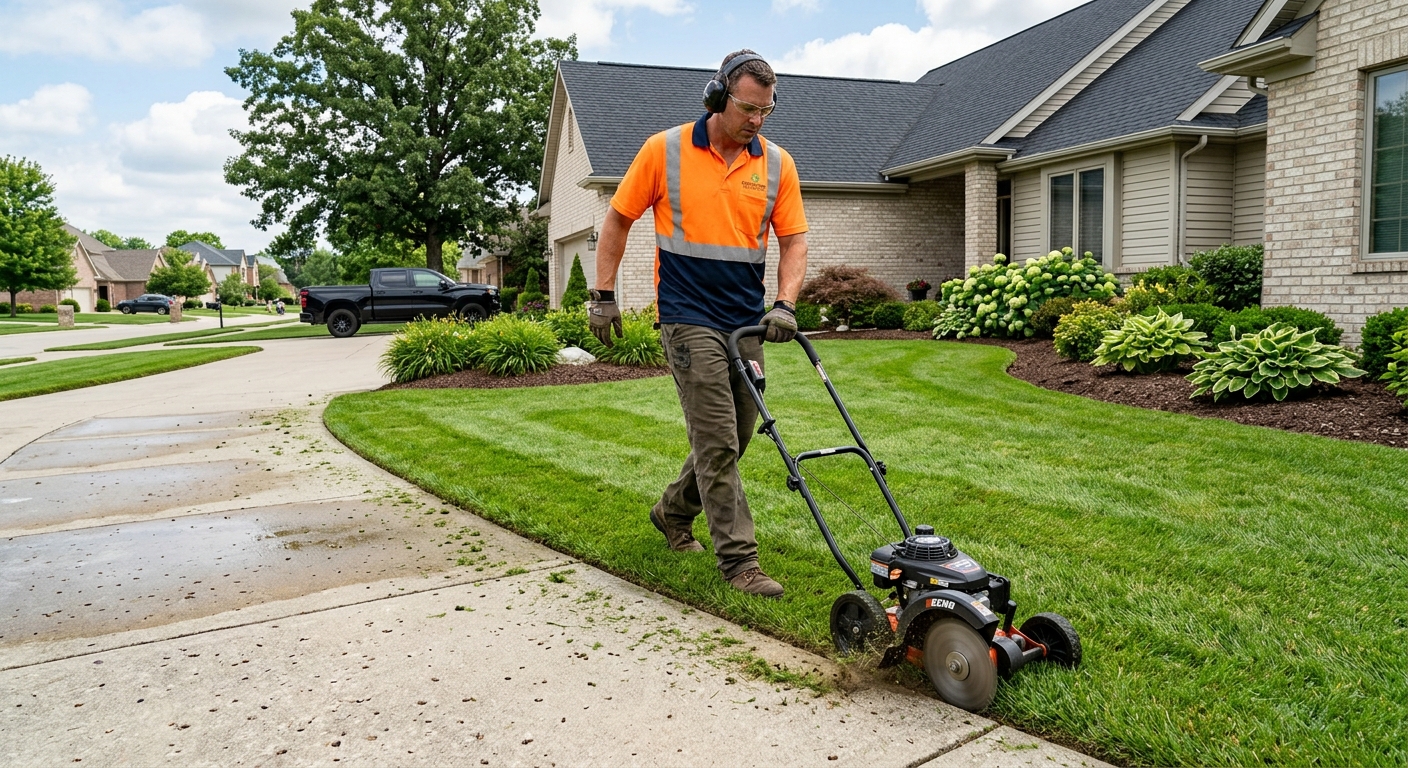
Landscaping options and costs in Vernon
In Vernon, British Columbia, landscaping decisions usually start with how you want your yard to look year-round while still handling hot, dry summers and cold winter snaps. With 44,519 residents and 13,065 homeowner households (Statistics Canada, 2021 Census), many detached property owners have both the motivation and the space to invest in upgrades that improve curb appeal and usability. That matters locally because Vernon’s stock includes a large share of older homes—43.4% built before 1981—where upgrades often include new drainage touches, fresh topsoil, and firmer bases under steps or patios.
In the Thompson–Okanagan (plant hardiness zones ~5–6), installation timing and material choices drive costs. Compared with coastal BC, your working window is more concentrated in spring and fall, so crews often bill higher when calendars are tight. Compared with the Prairies, Vernon can support a broader palette than strictly drought-hardy natives, but Interior water limits and dry spells still require efficient irrigation and heat-tolerant planting.
In neighbourhoods like the North Okanagan Highway corridor and around Okanagan Landing, we often see heavier demand for interlocking walkways, xeriscape-style borders, and tree/shrub refreshes—especially when properties have sloped yards where freeze–thaw and variable soils can stress foundations and flatwork.
Below is a practical look at typical service levels and what you should expect to pay, before we narrow it to your site access, yard size, and material tier.
| Service |
Description |
Season |
Price Range |
| Full landscape design and installation |
Site visit, layout, planting plan, hardscape/softscape build, soil prep, and irrigation where required |
Spring–Fall (peak: late spring, early fall) |
$8,000–$40,000 |
| Sod installation (supply, grade, lay, roll) |
Existing removal (if needed), grading, topsoil, sod delivery, lay and roll, and starter fertilizing |
Late April/May–June, and Sept–early Oct |
$6–$14 |
| Lawn seeding (grade, seed, starter fertilizer) |
Light grading, seed mix selection for zone ~5–6, starter fertilizer, and establishment care |
May–June and Sept (cooler nights) |
$2.50–$6 |
| Interlocking patio or walkway |
Base prep, compacted granular layers, edging, pavers/interlock, and jointing sand |
Spring–Fall (best after thaw for base work) |
$80–$220 |
| Retaining wall (interlocking block) |
Terraced or straight wall with proper drainage gravel, geotextile, and base excavation |
Spring–Fall (freeze-safe sequencing) |
$80–$220 |
| Tree and shrub planting |
Plant selection, soil amendments, digging, staking as needed, mulch, and first-season care guidance |
Spring or early fall |
$250–$8,000 |
Prices are estimates only and vary by project scope, site access and material selection.
What affects the price of landscaping in Vernon
The same landscaping job can come in 30–50% apart across the Thompson–Okanagan and other parts of British Columbia because labour availability, equipment mobilization, and how much “prep” the site needs vary so much. In Vernon, the plant hardiness zone (~5–6) and frost pattern define both what survives and how long crews have to build proper drainage and bases. Work is typically concentrated in the mid‑April/May to mid‑October period, so projects often cost more when a site needs detailed regrading or when materials must be staged quickly.
Regional climate also changes the design, not just the plant list. Prairie regions (Zone 2–4) usually require very wind-hardy, drought-tolerant choices and deeper, frost-protected bases; coastal BC (Zone 7–8) often supports a longer growing season and lush planting but demands strong drainage practices in heavy-rainfall areas. Southern Ontario (Zone 5–6) can be closer to Vernon’s season length, though summer dry spells still drive irrigation design. In the BC interior, water restrictions and metered use push homeowners toward drip irrigation, smart controllers, and plantings that handle heat and dryness.
Concrete examples from Vernon: (1) an older property built before 1981 may need extra soil replacement and regrading—an easy way for a “simple planting” to become a $8,000–$40,000 design-and-install project once excavation, disposal, and base layers are included; (2) a sloped yard with freeze–thaw issues may require a drainage bed or French drain, which can shift a patio from a straightforward interlock install into a higher-hardscape scope; and (3) choosing mature trees can raise the “tree and shrub planting” line dramatically because larger caliper stock, staking, and aftercare are labour- and material-intensive. If your plan includes both hardscape and softscape, the ratio can also swing your total because patios and retaining walls often price higher per square foot than lawn replacement.
| Price Factor |
Why It Matters |
Cost Impact |
| Yard size in sq ft — the primary cost driver for softscape |
More area means more soil, mulch, grading, and planting/seed/sod quantities |
Linear cost increase; doubling area can add significant equipment time |
| Grading and drainage work — slope corrections add significant cost |
Vernon freeze–thaw and pooling risk require correct pitch away from foundations |
Often the difference between a mid-range and higher-end quote |
| Drainage bed or French drain installation |
Controls groundwater movement and reduces frost heave under flatwork |
Can add a noticeable premium due to excavation and pipe/base layers |
| Plant material tier — native shrubs vs. ornamental vs. mature specimen trees |
Specimen sizes increase labour to plant, stake, and maintain through establishment |
Massive swing; upgrading trees can increase total by thousands |
| Hardscape vs. softscape ratio — walls and patios cost more per sq ft than lawn |
Hardscape needs deeper base prep, compaction, and materials |
Higher per-sq-ft pricing can shift totals into upper project bands |
| Irrigation system design and installation |
Drip and smart controllers improve water efficiency in dry summers |
Can add cost, but reduces long-term watering waste and plant loss |
| Soil amendment and topsoil required |
Interior soils vary; poor structure increases settling and weak root growth |
Improves longevity; skipping can lead to rework |
| Tree removal or stump grinding before new planting |
Impacts access, disposal, and base preparation near roots |
Can turn a “planting” job into a larger scope quickly |
Permits & regulations in British Columbia
In British Columbia, most planting and softscape work typically does not require a permit. That generally includes sod/sowing replacement, adding mulch and planting beds, and building common-level hardscape elements like walkways where there’s no major change to lot grading. However, retaining walls are the frequent exception: in many municipalities, retaining walls above a threshold—commonly around 1.0 m (3.3 ft)—may require a building permit and sometimes engineered drawings. Also be careful with drainage: if your project changes lot grading in a way that affects how water flows toward a neighbour, a ditch, or storm sewer connections, approval requirements can be triggered.
Before digging in Vernon, always confirm utility locates (BC One Call / utility-marking services) so contractor footings, trenches, and planting holes avoid buried services. For irrigation, review local and provincial water-use bylaws—especially during drought conditions in the BC interior—because watering schedules can affect establishment timelines.
To verify a Vernon contractor’s BC credentials, ask for: (1) a copy of their business licence details (where applicable) and trade/company registration info; (2) liability insurance certificate of insurance showing coverage amounts; and (3) WSIB/WCB coverage (or equivalent coverage documentation). Then confirm on the certificate that the insured name matches the contractor and that the coverage is current. Finally, ask for a clearance letter or equivalent proof if they provide one for their workers—your contractor should be able to supply documents promptly.
Planning a landscape that thrives in Vernon's climate
To plan a landscape that thrives in Vernon, you need to design around zone ~5–6 conditions and the Thompson–Okanagan pattern of hot, dry summers plus cold winters. The goal is not to “fight” frost, heat, and drought, but to use plant choices and construction details that reduce stress. Start with plant selection: prioritise zone-appropriate natives and cold-tolerant ornamentals, and include a mix of groundcovers, perennials, and shrubs that can handle summer dryness with less watering and better winter survival.
Sod vs. seed is a common decision point. Sod gives instant curb appeal and faster erosion control, but it’s typically more expensive: seeding is often the budget-friendly approach, while sod can cost roughly 3–4x more per sq ft depending on turf type and site prep. If you’re renovating a small front strip and want quick results before a sale, sod can be worth it; if you’re rebuilding a larger lawn area, seeding usually makes more sense.
Drainage and grading are critical in Thompson–Okanagan valleys and hillsides. We slope beds and lawn away from foundations, and we build compacted bases with correct pitch for patios and walkways. For hardscape, base preparation must account for Vernon frost action—if the base is too shallow or drainage is wrong, you’ll see heaving or movement. Low-maintenance design helps too: mulch rings, durable groundcovers, and perennial structure reduce annual upkeep without sacrificing appearance. Consider xeriscape layouts and rain-garden style beds where you can capture and slowly release stormwater.
As a dollar example, if a 300 sq ft lawn area is ready for seeding, choosing seeding instead of sod can keep you within a more modest “lawn seeding” spend, while sod for the same footprint can quickly push you higher—making sense only when quick, immediate appearance is a priority.
| Element |
Climate Consideration |
Maintenance Level |
Price Band |
| Sod lawn installation |
Establishes fast during mid‑April/May to June or Sept/early Oct; requires reliable watering early |
Medium (watering and monitoring during establishment) |
$6–$14 |
| Native perennial garden |
Better tolerance of summer heat and winter cold with less supplemental water once established |
Low to Medium (mulch refresh and seasonal pruning) |
$250–$8,000 |
| Mulched shrub border |
Mulch moderates soil temperature and moisture through freeze–thaw cycles |
Low (weed control and periodic top-ups) |
$250–$3,500 |
| Interlocking stone patio |
Needs proper base and drainage to resist frost heave |
Low (occasional joint sand/top dressing as needed) |
$80–$220 |
| Retaining wall (block) |
Drainage gravel and backfill prevent water pressure and movement during freeze cycles |
Low (inspection for movement after spring runoff) |
$80–$220 |
| Drip irrigation system |
Efficient water delivery for hot, dry Interior summers; helps meet water-use expectations |
Medium (seasonal checks, occasional head/line adjustments) |
$8,000–$40,000 |
How to choose a landscaping contractor in Vernon
Choosing the right landscaping contractor in Vernon starts with documentation and clarity. In British Columbia, verify licensing and insurance before any work begins: ask for a current liability insurance certificate (your name should appear as a client on the COI if they do that, or at least the policy should clearly list the insured contractor). For worker coverage, request proof of WSIB/WCB coverage (or equivalent coverage documentation they use in BC) so you’re not exposed if a worker is injured on your property. If they can’t provide clear, current certificates quickly, that’s a warning sign.
Next, get 2–3 itemised written quotes that break labour and materials out line-by-line (not just a lump sum). Itemization should show excavation quantities, drainage components, base layers, paver/turf pricing, plant counts and sizes, and whether irrigation parts are included. Read exclusions carefully: disposal/haul-away included or not, permit pull included or not (especially for taller retaining walls), and whether topsoil is “supplied and spread” or “surface-only.”
For warranty, confirm workmanship warranty length, product/manufacturer warranty terms (and whether it’s transferable to you), and what triggers a warranty claim. For payment, never pay more than about 10–15% upfront; use progress payments tied to milestones and hold back until the job is complete and graded correctly. Finally, require a timeline with a start date and estimated completion in writing—Interior weather can change work sequencing, so your contract should cover rescheduling expectations.
- Request COI for liability insurance and confirm policy dates are current.
- Ask for WSIB/WCB coverage proof and keep copies for your records.
- Get at least two itemised quotes with labour/material breakdown.
- Confirm whether utility locates are arranged before digging.
- Ensure drainage/grading details are described (pitch away from foundation).
- Check that excavation, disposal/haul-away, and clean-up are explicitly included or excluded.
- Confirm topsoil quality and depth (and whether amendments are included).
- For irrigation, verify controller model/coverage zone count and retrofit vs new install.
- Ask for irrigation winterization steps and who performs them (if applicable).
- Review plant sizes and quantities (e.g., caliper, # of gallon/size class), not just “shrubs.”
- Verify warranty terms in writing, including what happens if settlement or heaving occurs.
- Agree on a payment schedule that keeps you protected (10–15% max deposit).
Red flags we see in Vernon: (1) vague scopes like “do landscaping” without measurements or product specs; (2) refusing to provide insurance/coverage documentation; (3) insisting on a large upfront payment without milestones; (4) no mention of drainage or freeze–thaw base depth for patios/retaining walls; and (5) promising planting dates regardless of frost risk or irrigation constraints in the BC interior.
Frequently asked questions — landscaping in Vernon
How do I design a low-water yard in Vernon?
In Vernon, focus on plant zoning and irrigation efficiency rather than trying to eliminate water entirely. Use a hardy palette for zone ~5–6, with heat- and drought-tolerant shrubs, perennials, and groundcovers, then add 2–3 inches of mulch to reduce evaporation through summer. Where you want green turf, consider reducing lawn area and shifting to xeriscape-style borders or rain-garden planting beds. An efficient drip system with a smart controller is often the most practical investment because Interior water use is monitored and restrictions can tighten during dry periods. For budgeting, many low-water makeovers fall inside the “tree and shrub planting” or partial install ranges, while a full design-and-install package can land in the $8,000–$40,000 band depending on irrigation and hardscape needs. (Statistics Canada, 2021 Census)
How do I find a licensed landscaper in Vernon?
Start by asking prospective contractors in Vernon to provide proof of current liability insurance and WSIB/WCB coverage documentation before you sign anything. In British Columbia, licensing requirements can vary by business type, so don’t rely on word-of-mouth—ask directly what credentials apply and request copies of certificates. Next, look for online reviews plus a portfolio of projects in similar Thompson–Okanagan conditions (slopes, drainage challenges, and winter freeze–thaw). When you request quotes, confirm the contractor will do utility locates before digging planting holes or wall footings. Finally, verify the quote is itemised and that the scope includes key details: grading/drainage approach, disposal/haul-away, and whether irrigation is designed to meet water-use expectations. If a contractor won’t provide insurance and itemised scope, move on.
How much does landscaping cost in Vernon?
Landscaping in Vernon is usually priced by scope and site complexity. A full landscape design and installation commonly falls in the $8,000–$40,000 range, especially when you need drainage correction, new plant beds, and hardscape. For turf work, sod installation is often quoted as roughly $6–$14 per sq ft depending on prep and sod type, while lawn seeding can be much lower per area. Interlocking patios and retaining walls typically land in the $80–$220 range for the labour/material portion per relevant measurement unit as specified by the contractor’s estimate. Your costs can rise if your yard needs extra excavation to prevent pooling or heaving, which is common with older soil conditions and freeze–thaw cycles. (Statistics Canada, 2021 Census)
What plants thrive in Vernon's climate zone?
Vernon’s plant hardiness zone is around ~5–6, with dry summers and cold winter lows, so you want plants that handle both heat stress and winter cold. Many homeowners do well with drought-tolerant shrubs and perennials once established, plus well-chosen groundcovers to reduce bare soil and weeds. If you’re aiming for lower watering, blend natives and cold-tolerant ornamentals rather than a single “drought-only” species. Also plan for frost action by building healthy soil structure and using mulch—plants fail more often from stress and poor drainage than from cold alone. For a typical starting point, a tree and shrub planting project can be as low as $250–$8,000 depending on plant sizes and quantities. If your property was built before 1981, you may need more soil amendment or regrading to help plants establish reliably. (Statistics Canada, 2021 Census)
Sod vs seed — which is better for a Vernon lawn?
Sod and seed both work in Vernon’s frost window, but the “better” choice depends on how quickly you want results and how much prep your site needs. Sod gives instant visual coverage and faster erosion control; however, it typically costs about 3–4x more per sq ft than seeding, and it still needs consistent early watering to root. Seeding is more budget-friendly and can be excellent for larger areas, but it requires patience—germination and thickening depend on soil prep and early-season watering. On slopes or areas prone to runoff, sod can justify the premium because it stabilizes the soil right away. For cost planning, compare turf options against your total project: sod jobs often sit higher than seeding when you include grading and topsoil. Either way, don’t skip proper base prep, because freeze–thaw can loosen poorly graded lawns.
How much does a retaining wall cost in Vernon?
Retaining wall pricing in Vernon depends on height, length, base excavation depth, and how much drainage infrastructure is required behind the wall. Many estimates are guided by the $80–$220 range for retaining walls & hardscaping work, with final pricing moving up when you need extra excavation, geotextile/drainage gravel, or when access is limited. Walls above common thresholds—often around 1.0 m (3.3 ft) in many municipalities—may require a permit and sometimes engineered details, which can add time and cost. Planning for freeze–thaw is critical in the Thompson–Okanagan: a correct drainage backfill and proper base help prevent movement. If your home has older grading or poor runoff patterns, expect the contractor to recommend drainage improvements, which protects both the wall and nearby patios or steps.