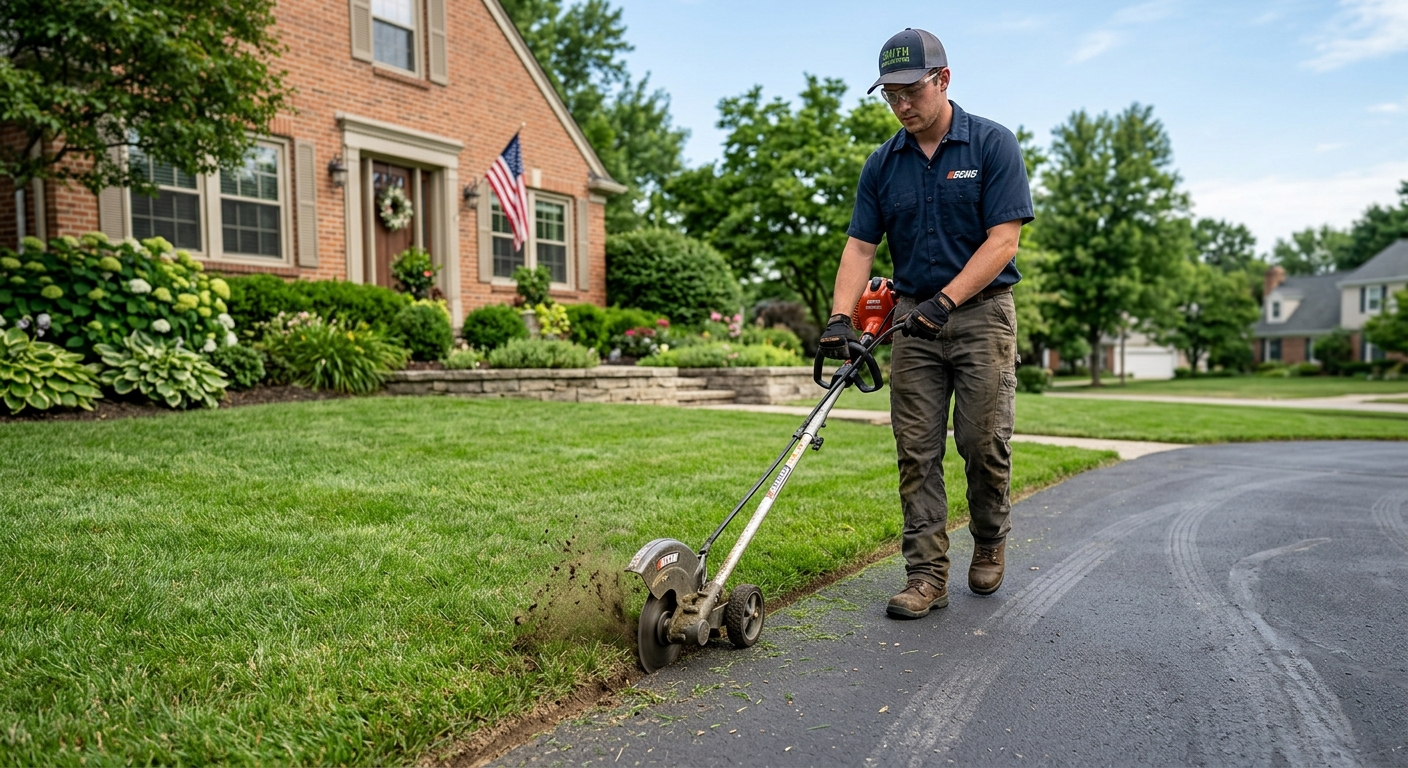
Landscaping options and costs in Uxbridge
Uxbridge is a homeowners’ market for landscaping: with 21,556 residents (Statistics Canada, 2021 Census) and 84.0% of households owning (Statistics Canada, 2021 Census), many properties have the space and incentive to upgrade both softscape (lawns, beds) and hardscape (patios, steps, retaining walls). That matters for pricing because single-detached homes make up 81.4% of dwellings, and most bids scale with yard size and access—driveways, walkways, and whether we can wheel materials in without damaging existing stone or turf.
In the Toronto-area market, landscaping costs are driven by climate realities: we’re typically working in hardiness zones 6a–7a, with winter lows near –23 to –18°C and frequent freeze–thaw cycles. Those cycles push hardscape costs upward—retaining walls, patios, and steps need deeper granular bases, proper geogrid, and well-managed drainage. Groundwork in local clay and fill often requires excavation and amendment, which adds labour before we even install sod or plant material. Contractor availability also tightens around peak install months (late spring to early fall), which can widen pricing even when two quotes look similar.
In Uxbridge, we see the strongest demand in family neighbourhoods around the main town area and along commuting corridors where curb appeal upgrades are common—especially where older homes (built before 1981: 42.3%, Statistics Canada, 2021 Census) need drainage fixes before planting or stonework goes in. With that context, the table below gives you a realistic range for common projects before we compare scope line-by-line.
| Service |
Description |
Season |
Price Range |
| Full landscape design and installation |
On-site assessment, grading/drainage plan (if needed), planting plan, softscape + hardscape install |
May–October |
$8,000–$40,000 |
| Sod installation (supply, grade, lay, roll) |
Topsoil/grade prep, base adjustment, sod delivery, lay and roll, initial watering plan |
Late April–June or August–September |
$2,500–$8,000 |
| Lawn seeding (grade, seed, starter fertilizer) |
Grade correction, seed mix, starter fertiliser, light topdressing, first-season care |
April–June or late August–early September |
$1,500–$5,500 |
| Interlocking patio or walkway |
Excavation, compacted base, edge restraints, interlock/stone placement, joint sand |
May–October |
$6,000–$25,000 |
| Retaining wall (interlocking block) |
Block system, excavation, compaction, base/gravel drainage layer, reinforcement/geogrid where required |
May–October |
$6,000–$30,000 |
| Tree and shrub planting |
Plant supply, soil amendment, staking/anchoring (if required), mulch, watering strategy |
May–October (with timing for species) |
$800–$6,000 |
Prices are estimates only and vary by project scope, site access and material selection.
What affects the price of landscaping in Uxbridge
You can get two quotes in the Toronto area for the “same” landscaping scope and still see a 30–50% difference. The reason is usually hidden in the details: how much excavation and drainage work is included, how premium the plant list is, and how deep the hardscape base is planned to be to survive our freeze–thaw cycle. In Southern Ontario, frost and spring thaw drive extra compaction/engineering considerations that don’t show up on a quick, lump-sum estimate.
Season and plant performance also matter. In our GTA zones (6a–7a), the frost-free period roughly May to October defines what’s reliable to install and how quickly sod and perennials establish. In Prairie regions (Zone 2–4), shorter seasons and frequent drought push designs toward drought-tolerant plants and simpler palettes, and crews can have fewer install weeks—so schedules and unit pricing often change. Coastal BC (Zone 7–8) generally supports a longer, greener planting window, but heavy rainfall makes drainage design critical. The dry BC interior faces water restrictions, which changes irrigation design toward drip and low-precipitation heads. In Southern Ontario, we see a moderate season with summer dry spells where irrigation may still be needed for establishing lawns and beds.
Here are a few real Uxbridge cost drivers: (1) If your yard has clay-heavy soil and ponding near a foundation, correcting slope and installing a proper drainage bed or French drain can shift a project by thousands—often turning a “planting job” into a redesign. (2) If you’re adding an interlocking patio with a retaining wall edge, deeper bases and drainage layers are mandatory; it’s why hardscaping tends to land in the retaining wall & hardscaping bands (for example, $6,000–$30,000) instead of lawn-only pricing. (3) Older homes built before 1981 (42.3%, Statistics Canada, 2021 Census) often have settled grading—meaning more excavation before we can properly set grade for sod or stone. That’s also where design & installation ranges (like $8,000–$40,000) become justified when drainage, soil amendment, and a coordinated plant layout are actually included.
| Price Factor |
Why It Matters |
Cost Impact |
| Yard size in sq ft — the primary cost driver for softscape |
More area increases labour hours, materials (seed/sod, mulch, soil), and install time |
Often the biggest swing; a 1,000 sq ft difference can change total by several thousand |
| Grading and drainage work — slope corrections add significant cost |
Fixing ponding and directing water away from foundations requires excavation and re-compaction |
Can add major costs; drainage-related line items commonly push projects toward higher end of design bands |
| Drainage bed or French drain installation |
Deep stone, perforated pipe, filter fabric and tie-ins protect hardscape and basement walls |
Material + labour can add thousands, especially on longer runs or tight access |
| Plant material tier — native shrubs vs. ornamental vs. mature specimen trees |
Size, root ball weight, and transplanting complexity vary widely |
Premium trees and designer shrubs can shift the budget even if the layout footprint is small |
| Hardscape vs. softscape ratio — walls and patios cost more per sq ft than lawn |
Hardscape needs deeper bases, edging, and careful bedding to handle freeze–thaw |
Higher hardscape share usually moves pricing into retaining wall & hardscaping ranges |
| Irrigation system design and installation |
Heads, zone sizing, backflow prevention planning, and trenching change the scope |
Adding irrigation often increases costs substantially but can reduce long-term lawn failures |
| Soil amendment and topsoil required |
Clay/fill often needs removal and replacement, plus compost/peat and proper blending |
Frequent in Ontario; can add meaningful costs when more than “light top-up” is needed |
| Tree removal or stump grinding before new planting |
Removal affects excavation, disposal, and sometimes re-routing drainage |
Can add a separate work package, especially where root systems are extensive |
Permits & regulations in Ontario
In Ontario, most routine landscape work—planting, sod installation, and the majority of softscape upgrades—typically does not require a permit. In Uxbridge specifically, the permit conversation usually starts with structures and with changes to how water moves across your lot. For example, a retaining wall above the common threshold of 1.0 m (3.3 ft) in many municipalities generally needs a building permit, and sometimes engineered drawings, because it’s considered a structural element under local rules.
Grading and drainage can also trigger approvals. If your plan changes lot grading in a way that redirects stormwater toward neighbouring properties or affects how water connects to a storm sewer system, you may need municipal review. Additionally, any work that involves excavation near utilities should be planned with care: before digging planting holes, trenching for drainage, or setting wall footings, you should call for utility locates so you don’t hit buried services.
To verify a contractor in Ontario, start by confirming their business and trade registration where applicable for landscaping and hardscape contracting, then check their liability insurance certificate (ask for the current COI showing your property address or minimum coverage limits). For worker coverage, ensure they carry WSIB (or the applicable coverage/clearance documentation where exemptions apply) and ask for the most recent clearance letter/statement. A reputable contractor will provide these documents promptly and match the company name on the quote and invoices.
Planning a landscape that thrives in Uxbridge's climate
Planning for Uxbridge means working with our hardiness zone realities (often 6a–7a), our seasonal frost, and the way Toronto-area soils behave during spring thaw. Start with plant selection: choose zone-appropriate, hardy perennials and shrubs that tolerate winter lows down around –23 to –18°C, and prioritize native species where practical. This reduces watering needs and winter protection labour compared with borderline ornamentals. For areas that must look full quickly, consider a staged approach—hardscape and drainage first, then planting and finishing—so roots settle before the summer heat.
On turf, sod vs. seed is mostly about timing and budget. Sod gives instant coverage and faster curb appeal, but it costs roughly 3–4× more per sq ft than seeding once you include prep. If your priority is immediate visual impact for a front yard, sod can be worth it—especially when your grade is already correct. If you’re happy waiting for gradual thickening, seeding and light topdressing are the smarter value.
Drainage and grading are critical in the GTA. Water pooling can kill new lawns and rot plants, and it can push moisture toward foundations. If you have clay or fill, we often recommend correcting slope away from the house, adding soil amendment, and creating a proper drainage path before installing stone or wall systems.
For hardscape such as patios and retaining walls, base preparation must be designed around freeze–thaw. Adequate granular depth, compaction, and drainage layers are non-negotiable for long-term stability. Low-maintenance strategies—mulched shrub borders, groundcovers, and repeatable perennial groupings—reduce annual upkeep without sacrificing curb appeal. Where water conservation is a concern, we can use rain gardens and strategically placed xeric plants, even in Ontario, to manage stormwater and reduce summer stress.
Dollar example: if a seeding plan fits a lawn budget near $1,500–$5,500 and your sod quote lands in the $2,500–$8,000 band, the difference can be justified when you need immediate access, a worn-out lawn is creating erosion, or you’re addressing grade issues while we’re already on site. If the yard is already stable and you can wait, seeding usually delivers better value.
| Element |
Climate Consideration |
Maintenance Level |
Price Band |
| Sod lawn installation |
Needs correct grade and reliable establishment during May–June or late-summer; protects soil during spring thaw |
Medium (watering during establishment, mowing and weed control) |
$2,500–$8,000 |
| Native perennial garden |
Hardy winter survival in zone 6a–7a; typically better coping with local rainfall swings |
Low to medium (mulch refresh, seasonal pruning) |
$800–$6,000 |
| Mulched shrub border |
Helps moderate soil temperature for winter roots and reduces moisture loss during summer dry spells |
Low (annual mulch top-up, light weeding) |
$1,500–$7,000 |
| Interlocking stone patio |
Requires deep base and proper drainage to handle freeze–thaw movement |
Low (occasional joint sand top-up, cleaning) |
$6,000–$25,000 |
| Retaining wall (block) |
Needs adequate base depth and drainage layer to resist hydrostatic pressure in spring |
Low (inspection for settlement, weed control at joints) |
$6,000–$30,000 |
| Drip irrigation system |
Better control during dry periods; supports targeted watering without over-wetting clay |
Medium (seasonal adjustments, winter blow-out/maintenance) |
$1,800–$7,500 |
How to choose a landscaping contractor in Uxbridge
Start with proof of competence—then move to pricing details. In Ontario, verify liability insurance and worker coverage (WSIB; or the contractor’s applicable clearance documentation where exemptions apply). Ask for the current certificate of insurance before work starts, and confirm the coverage reflects the scope (hardscape excavation and wall base work generally increases risk). For licensing, also confirm the business is in good standing for the type of work they’re offering and that the company name on your quote/invoice matches their insurance paperwork.
Next, get 2–3 itemised written quotes. You want labour and materials broken down (excavation, disposal, base materials, geotextile/geogrid, sod/seed and quantities, plant list with sizes, and any drainage components). A lump sum is risky because it can hide exclusions like soil testing, subdrains, or topsoil depth. Read the scope for “gotchas”: is permit handling included (where applicable), who supplies and disposes of excess soil, and are utility locates the homeowner’s responsibility? A firm schedule should also be included with start date and completion estimate, and changes should be in writing.
Warranty matters in Ontario winters. Ask for workmanship warranty length for installation and whether it covers labour if plants fail due to incorrect installation. Separate that from manufacturer warranty for plant quality—those are not the same. Also ask if the warranty is transferable if you sell your home.
Payment timing: never pay more than 10–15% upfront. Use progress milestones and hold back the remainder until the job is complete and cleaned up. For Uxbridge projects, a common failure point is paying early without confirming drainage and grading are correct—once sod is down or interlock is sealed, fixes cost more.
- Ask for certificate of insurance (COI) and WSIB clearance documentation before signing.
- Confirm the quote includes excavation depth and base materials for patios/walls.
- Require a plant list with quantities, species names, and pot/balled-and-burlapped sizes.
- Check whether topsoil/topdressing depth is specified (not just “topsoil provided”).
- Confirm disposal is included for excess soil and construction debris.
- Verify drainage scope: French drains, outlets, and tie-in points are stated.
- Make sure utility locates responsibility is assigned and scheduled before digging.
- Look for a written timeline with start date and weather contingencies.
- Ask about edging details for lawn boundaries and interlock transitions.
- Confirm whether geotextile/geogrid is included where needed for subgrade stability.
- Request a workmanship warranty in writing (length + what it covers).
- Set a payment schedule tied to completed, inspectable milestones.
Red flags in the Uxbridge market: contractors who won’t provide COI/WSIB documentation on request, quotes that omit drainage and base depth details, payment demands of more than 50% upfront, vague scopes like “we’ll fix grading” without measurements, and no written warranty or timeline. If anything feels rushed or undocumented, pause and get clarification before soil is moved.
Frequently asked questions — landscaping in Uxbridge
How long does a landscaping project take in Uxbridge?
In Uxbridge, most yard makeovers are planned around the May–October window because freeze–thaw and spring thaw affect ground conditions and installation reliability. A small sod job for a typical front lawn can be a one- to two-day install (plus grade prep), while a larger full landscape often takes longer because drainage, excavation, and base work must be completed before planting and turf go down. Interlocking patios and walkways frequently require several days for excavation, compaction, stone setting, and finishing, and retaining walls can take additional time depending on wall length and drainage details. The best way to estimate your timeline is to schedule an on-site measurement and grading review so the contractor can confirm access constraints and how much soil is being removed. (Statistics Canada, 2021 Census)
What is the best grass type for a Uxbridge lawn?
For Uxbridge lawns in Ontario, the “best” grass depends on sun exposure and how much maintenance you’re willing to do. In practice, we often recommend cool-season turf mixes because they handle our winters and the humid summers of the Toronto area well. If you want faster establishment and a thicker look from the start, sod can be the fastest path into a finished lawn, typically priced in the $2,500–$8,000 band depending on size and prep. If you’re seeding, choose a mix designed for Ontario climates and make sure you have correct grade and a light topdressing so seed-to-soil contact is consistent. Also plan weed control and proper mowing height—grass failures often come from uneven grading or poor establishment watering rather than the seed choice alone.
When should I aerate and overseed my lawn in Uxbridge?
In Uxbridge, the timing is mostly about temperature and moisture balance. Aerating is typically most effective in spring or early fall when the grass is actively growing but not stressed by extreme summer heat. Overseeding usually follows aeration so seed can reach soil contact, not just sit on thatch. If you overseed in the fall, you still need enough warm days for germination before cold snaps; spring overseeding works when the ground is workable after thaw. If your lawn has compacted areas (common on driveways-to-garden walk paths), aeration is especially helpful. If you’ve recently installed sod, wait until the lawn is fully established and mowing consistently before you aerate and add seed—otherwise you can disrupt roots and slow recovery. A local contractor can match timing to your soil moisture and the lawn’s condition.
What trees grow best in Uxbridge's climate zone?
Uxbridge sits in the broader Toronto hardiness band where many common Ontario trees thrive, but “best” depends on your yard’s soil and drainage. In our climate (winter lows near –23 to –18°C), many homeowners do well with hardy street and shade trees that tolerate seasonal temperature swings and periodic freeze–thaw. Trees that are reliable in Ontario landscapes include species like serviceberry, small to medium ornamental types where appropriate, and several deciduous shade options that handle cold winters. The bigger factor is site conditions: heavy clay or low spots can shorten a tree’s lifespan unless drainage is corrected. If your home is on older fill or you’ve had pooling near foundations, address drainage first, then plant. For budgets, tree planting is often handled in the $800–$6,000 planting band depending on how many trees, their sizes, and whether staking is needed.
How much does sodding a yard cost in Uxbridge?
Sodding costs in Uxbridge usually depend on yard size, how much grading/soil prep is required, and whether the ground needs topsoil amendment before we lay sod. For many typical residential lots, sod installs land in the $2,500–$8,000 range, matching the common Toronto-area pricing bands. If your lawn area is already well-graded and only needs minor prep, you’ll usually land closer to the lower end. If we need to re-grade, import topsoil, or fix drainage issues before we can lay sod, the project moves up quickly because prep is the expensive part—especially with clay and freeze–thaw. A detailed quote should list the prep steps (topsoil depth, compaction, and any base adjustments) so you can compare apples to apples.
How do I prevent weeds in my Uxbridge garden?
Weed prevention in Uxbridge starts before the first weed appears. In Ontario conditions, the best results come from good soil prep, proper mulch depth, and plant spacing that reduces bare soil. Use landscape fabric only when it’s appropriate for the plant system—otherwise it can trap moisture and make later removal harder. For shrub borders and beds, apply a consistent mulch layer and keep it topped up so weeds don’t get light. Also focus on edging—clean edges stop grass intrusion into beds, which is a common issue in single-detached properties with wide lawn-to-bed transitions. If you’ve got drainage problems, address them first: stressed plants are easier for weeds to overtake. If you’re building a new perennial area, choose denser groundcovers and hardy perennials so there’s less open ground for weeds to colonize.