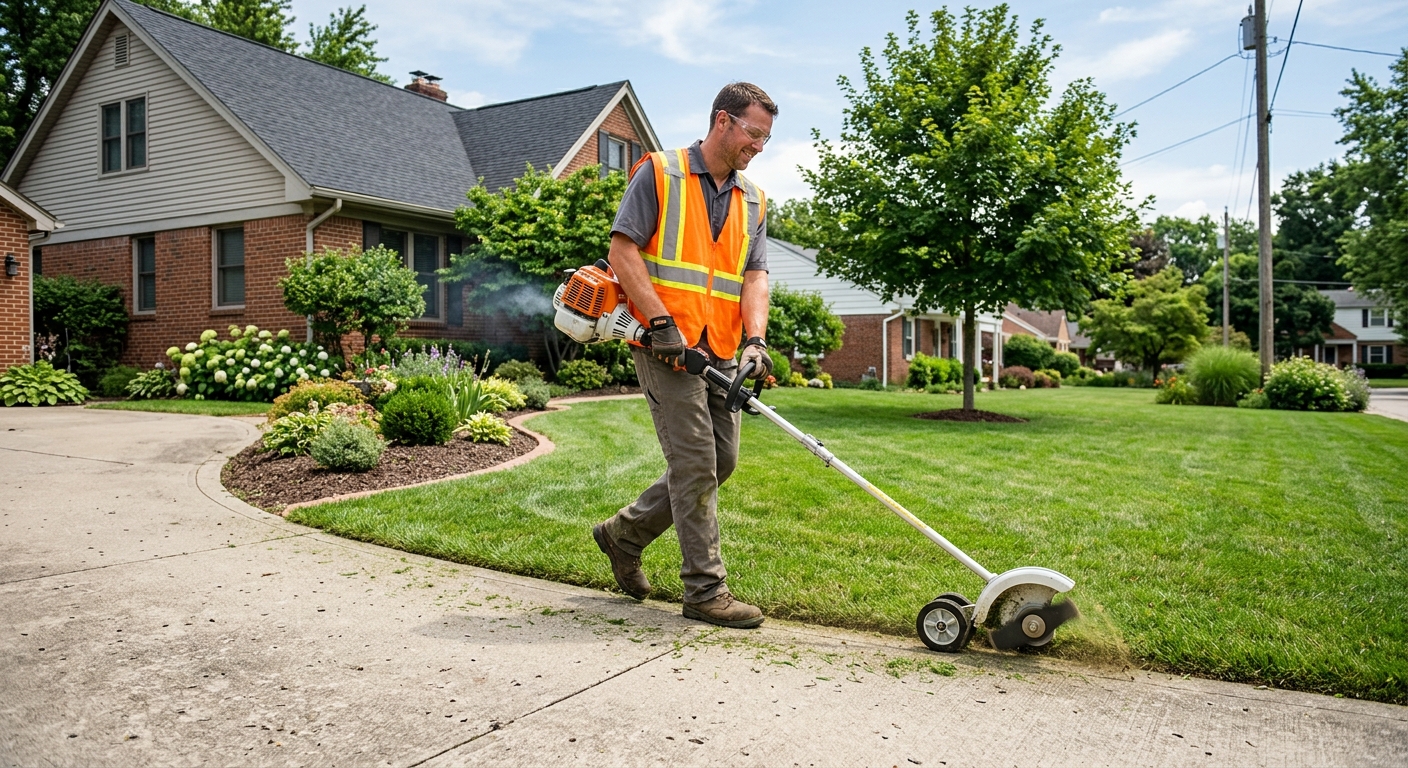
Landscaping options and costs in Woodbine Corridor
Woodbine Corridor, Ontario is a place where landscaping needs to look great and still stand up to real GTA weather—snow loads, freeze–thaw cycles, and humid summers. With a population of 12,541 (Statistics Canada, 2021 Census), the area’s many owner-occupied homes tend to attract steady demand for upgrades like patios, foundation-friendly grading, and new planting beds. In many pockets of the Toronto housing stock—especially detached and semi-detached neighbourhoods—homeowners have the yard space to invest, and the visual payoff is immediate when hardscape and softscape are installed together. That’s why you’ll often see full yard transformations rather than “one-off” fixes.
In Woodbine Corridor and the wider Toronto area, costs are shaped by soil and climate. Local clay and fill soils can require excavation and soil amendment, and the working season is driven by the roughly May-to-October frost-free window. Contractors who can schedule multiple crews efficiently can manage those time limits better, which helps explain why two quotes for similar work can land far apart. Demand is especially high around community nodes and busy corridors near e.g., the Woodbine Avenue / Highway 404 area, where busy households prioritize curb appeal and faster completion.
Below is a practical comparison of common landscape services and the typical price range homeowners budget for as planning starting points.
| Service |
Description |
Season |
Price Range |
| Full landscape design and installation |
On-site consult, grading/drainage planning, plant palette, hardscape layout, excavation, soil prep, planting, lawn/stone installation, cleanup |
Spring to early fall (weather-dependent) |
$8,000–$40,000 |
| Sod installation (supply, grade, lay, roll) |
Topsoil/grade correction, sod delivery, layout, rolling, initial watering plan |
Late spring to early fall |
$2,500–$8,000 |
| Lawn seeding (grade, seed, starter fertilizer) |
Grading touch-ups, seed selection, starter fertilizer, light raking, first watering instructions |
Spring or early fall |
$1,500–$5,500 |
| Interlocking patio or walkway |
Excavation, compacted base, edging, interlocking stone, jointing sand, finishing |
Spring to early fall |
$6,000–$28,000 |
| Retaining wall (interlocking block) |
Excavate, geogrid/stone base as required, drainage layer, block system, backfill and finishing |
Spring to early fall |
$8,000–$30,000 |
| Tree and shrub planting |
Soil amendment, staking where needed, container-to-bed layout, mulch ring, initial watering |
Spring and fall (with watering plan) |
$800–$6,000 |
Prices are estimates only and vary by project scope, site access and material selection.
What affects the price of landscaping in Woodbine Corridor
In Woodbine Corridor and across the Toronto region, it’s common to see quotes for the “same” job vary by 30–50% because landscaping scope isn’t standardized: one contractor may price only materials and installation, while another includes grading repairs, drainage fixes, soil amendment, permits (if applicable), and proper base preparation for freeze–thaw longevity. The biggest price drivers are climate and soil behaviour—especially in a GTA environment that’s typically in plant hardiness zones 6a–7a, with winter lows often in the –23°C to –18°C range. Those temperatures limit how we overwinter tender plants and also influence when crews can work reliably.
Working season affects scheduling and labour cost. The frost-free period (roughly May to October) defines when sod, interlocking stone, and most planting happen in a way that protects plant establishment and structural base integrity. Prairie regions (Zone 2–4) often need a more conservative planting palette and, for retaining work, base depth must reach below the frost line—similar principles apply in Ontario, but the Toronto freeze–thaw cycle can be punishing on poorly built bases. Coastal BC (Zone 7–8) usually supports a longer growing window and lush palettes, but heavy rainfall means drainage design is still critical; dry BC interior municipalities, on the other hand, push drip irrigation and xeric layouts. Southern Ontario sits in the middle: a moderate season, but summer dry spells can drive irrigation needs.
Concrete examples from Woodbine Corridor: (1) If excavation reveals clay fill that needs removal and re-compaction, a patio budget can shift within the $6,000–$30,000 retaining/hardscaping band. (2) If a drainage bed or French drain is required to stop pooling near a foundation, your project can move toward the upper end of a full installation budget, often within $8,000–$40,000. Even a tree-planting list can rise from basic planting costs when mature specimens are used and staking/watering is extended.
| Price Factor |
Why It Matters |
Cost Impact |
| Yard size in sq ft — the primary cost driver for softscape |
More square footage increases excavation, soil, seed/sod, labour hours, and material delivery |
Can change total cost by several thousand dollars |
| Grading and drainage work — slope corrections add significant cost |
Fixing low spots and redirecting water protects foundations and prevents long-term rework |
Often moves jobs from “mid” to “upper” price bands |
| Drainage bed or French drain installation |
Improves water movement in Toronto clay and fill soils |
Commonly adds substantial labour and pipe/gravel material cost |
| Plant material tier — native shrubs vs. ornamental vs. mature specimen trees |
Plant size and hardiness affect price, planting labour, and aftercare needs |
Can swing a planting scope by hundreds to thousands |
| Hardscape vs. softscape ratio — walls and patios cost more per sq ft than lawn |
Interlocking, base prep, and proper edging are labour- and material-intensive |
Shifts the project toward the retaining/hardscaping band |
| Irrigation system design and installation |
Zones, heads, backflow protection requirements, and trenching drive complexity |
Can add meaningful cost, especially for larger lawns |
| Soil amendment and topsoil required |
Improves rooting and reduces settlement issues under lawns and beds |
Often needed in older lots; adds hauling and labour |
| Tree removal or stump grinding before new planting |
Removal, disposal, and grinding are time-consuming and sometimes require extra equipment |
Can increase the overall budget quickly |
Permits & regulations in Ontario
In Ontario, most landscaping activities like planting beds, sodding, seeding, and standard softscape work typically do not require a permit. Homeowners can usually proceed without a permit for tasks such as lawn installation, mulching, shrub planting, and normal grading intended for landscaping surface drainage. The key exceptions are retaining walls and any grading changes that materially affect drainage pathways.
Work that commonly requires a permit: retaining walls above a height threshold—often around 1.0 m (3.3 ft) in many municipalities—may require a building permit and sometimes engineered drawings. Also, changes to lot grading that affect how water drains toward neighbouring properties or storm services may trigger approval requirements. One more practical rule: before digging planting holes, trenching for drainage, or installing wall footings, a contractor should arrange utility locates to prevent accidental service strikes.
How to verify a contractor in Woodbine Corridor: (1) Ask for their Ontario licence/registration details relevant to their scope, and confirm they operate as a legitimate business. (2) Request a current certificate of insurance (general liability) showing coverage for the work. (3) Confirm workers are covered—ask for evidence of WSIB/WCB coverage (as applicable) for employees and subcontractors. (4) If the contractor can’t provide documentation or claims it’s “not needed,” pause and request proof. Many conscientious Ontario firms will provide these documents before quoting final terms.
Planning a landscape that thrives in Woodbine Corridor's climate
Designing for Woodbine Corridor means working with the local hardiness zone (commonly 6a–7a), Toronto’s freeze–thaw reality, and the seasonal moisture swings. Start with plant selection: choose native and zone-appropriate shrubs and perennials that handle winter lows without excessive winter protection, and that won’t demand constant summer watering. For lawn establishment, decide early between sod and seed. Sod provides instant coverage but costs more, while seeding is more budget-friendly and better when you can protect the seed during establishment.
Drainage and grading are make-or-break in Toronto clay and fill soils. Even if your yard looks level, water can still move toward foundations or create pooling after heavy rains. Plan a gentle slope away from the house, and use drainage beds or French drains where needed—this reduces the chance of winter heaving and summer washouts. For hardscape such as patios and interlocking walkways, base preparation must respect local freeze conditions: excavate to appropriate depth, use compacted granular layers, and ensure proper edge restraints so the surface doesn’t shift over time.
To keep maintenance reasonable, use low-maintenance strategies: mulched shrub borders, groundcovers instead of bare soil, and a repeatable perennials framework. Where water context matters, consider rain-garden elements (designed depressions planted with moisture-tolerant species) and targeted irrigation for established areas rather than whole-lawn watering.
Dollar example: if a backyard is mostly lawn, sod can push your budget toward the $2,500–$8,000 sod band, while seeding can often keep you lower—especially if you’re also doing soil prep. But if you want immediate curb impact before a sale or event, paying for sod is often justified; just ensure grading/drainage is corrected first so the lawn doesn’t fail after installation.
| Element |
Climate Consideration |
Maintenance Level |
Price Band |
| Sod lawn installation |
Establishment depends on frost-free timing; proper soil prep helps resist heaving |
Low short-term, then moderate ongoing watering until rooted |
$2,500–$8,000 |
| Native perennial garden |
Choose hardy, zone-appropriate plants for winter lows and summer humidity |
Low to moderate (weeding first year, then easier) |
$1,500–$7,000 |
| Mulched shrub border |
Mulch moderates soil temperature and helps with moisture retention through freezes/thaws |
Low (annual mulch refresh, light pruning) |
$800–$4,500 |
| Interlocking stone patio |
Needs a well-compacted base to survive Toronto freeze–thaw movement |
Low ongoing (occasional cleaning and joint sand top-up) |
$6,000–$28,000 |
| Retaining wall (block) |
Requires proper base and drainage behind the wall for winter stability |
Low after build; periodic inspection |
$8,000–$30,000 |
| Drip irrigation system |
Targets watering during humid summers and supports water-efficient planting strategies |
Low ongoing (seasonal adjustments and occasional head checks) |
$1,800–$7,500 |
How to choose a landscaping contractor in Woodbine Corridor
Choosing a contractor in Woodbine Corridor is about verifying credentials, comparing apples-to-apples scopes, and protecting yourself with clear documentation. Start with Ontario requirements: ask for their business licence/registration details relevant to their landscaping scope (and confirm it matches the work being quoted). Next, request liability insurance—the certificate should name the coverage and show it’s current. For labour coverage, confirm WSIB/WCB (as applicable) for workers and subcontractors; reputable firms can provide documentation and clearance evidence before starting.
Then get 2–3 itemised written quotes that break costs into labour and materials (excavation, base materials, pavers, stone, plants, topsoil, disposal, drainage components). Avoid lump-sum quotes that hide scope gaps. Read what’s excluded: turf removal, disposal, utility locates, site protection, grading corrections, permit pulls (if needed), and ongoing watering/stabilization are common “missed items.” Confirm warranty details: workmanship warranty length, product/manufacturer warranty, and whether warranties transfer if you sell. For payment, follow a safe schedule—typically never more than 10–15% upfront, with a holdback until completion and any punch list items are resolved. Finally, insist on timeline terms: a start date and estimated completion window in writing, with weather contingencies acknowledged.
- Request insurance COI and verify dates before work begins.
- Confirm WSIB/WCB coverage evidence for employees/subcontractors.
- Get a detailed, itemised quote (labour vs materials, not just totals).
- Ask whether disposal is included (old sod, soil, debris, roots).
- Clarify who pulls permits if retaining walls exceed local thresholds.
- Confirm utility locates are included before digging.
- Require written base specs for patios/walkways (depth, compacted layers).
- Ask what geotextile/geogrid is used (and why) for walls and drainage.
- Verify plant quality guarantees (substitution policy, replacement terms).
- Check workmanship warranty length and what “start-up issues” are covered.
- Use a payment schedule with minimal upfront and a completion holdback.
- Get a punch list process and final inspection date in writing.
Red flags in Woodbine Corridor: (1) quotes that won’t specify drainage/grading or base depth details; (2) refusal to provide a certificate of insurance or WSIB/WCB evidence; (3) large upfront payments beyond 10–15% “to reserve materials”; (4) vague timelines like “spring/summer” with no dates; (5) no written warranty terms or substitutions policy.
Frequently asked questions — landscaping in Woodbine Corridor
What is xeriscaping and does it suit Woodbine Corridor?
Xeriscaping is a water-wise landscape approach that reduces irrigation demand using drought-tolerant plants, smart layout, efficient mulch, and targeted watering. In Woodbine Corridor and Ontario overall, it can suit many yards because winters still allow hardy plant establishment (zone-appropriate species) and because summer dry spells can increase watering costs. That said, “xeric” doesn’t mean zero water—especially during the first growing season after planting. A well-designed xeriscape often combines deep-rooted perennials, thicker mulch layers, and soil improvement to hold moisture better. If you’re comparing budgets, a basic design add-on for a shrub/perennial refresh might land within the $800–$6,000 planting band, while adding irrigation design could push the overall landscape budget toward $8,000–$40,000 depending on scope and hardscape changes.
How do I plan a low-maintenance yard?
For a low-maintenance yard in Woodbine Corridor, start by reducing “high effort” zones: limit mowing by converting some lawn to mulched borders, native perennial beds, or groundcovers. Next, focus on drainage and soil health—Toronto clay and fill can create pooling, which leads to stressed plants and more work. Install a grading plan that directs water away from the foundation, and use mulch to suppress weeds and moderate soil temperature through freeze–thaw cycles. Choose hardy, zone-appropriate plants so you’re not winter-protecting tender species every year. For establishment, plan watering support for the first season, then taper once plants root deeply. If you want quick visual change, sod is fast but typically costs more; seeding or planting beds can be more budget-stable depending on yard size. Many homeowners keep annual upkeep manageable with a smart mix of shrubs, perennials, and a simple patio/edging plan.
How deep should a retaining-wall base be for local frost?
For retaining walls in Ontario, the base depth is determined by design requirements, wall height, soil conditions, and drainage. Practically, you want the wall’s structural base and drainage layer to sit below the zone where frost heave and movement can undermine stability—this is why proper excavation depth and compacted granular layers matter so much. In Woodbine Corridor, we also emphasize drainage behind the wall (clean stone and weep/drainage provisions) because water pressure combined with freeze–thaw can cause shift over time. Since retaining walls often require permits at certain heights (commonly around 1.0 m in many municipalities), it’s best to follow the contractor’s engineered or code-appropriate details. If a quote doesn’t describe base preparation (excavation depth, compacted aggregate layers, and drainage components), ask for specifics before proceeding.
How much does professional landscape design cost?
Professional landscape design pricing can vary by how much concept work, drawings, and revisions you need, and whether design is bundled with installation. In Woodbine Corridor, design is often priced as part of a full landscape project rather than as a standalone item—especially when the design must integrate grading, drainage, and hardscape base planning. When you’re budgeting, a common approach is to treat design + installation together and expect the full package to land in the $8,000–$40,000 band, depending on scope (patios, retaining walls, drainage fixes, and planting quantity). If your goal is primarily softscape refresh, costs can be lower, often closer to the planting and border ranges. Ask for a written scope of what the “design” includes (site plan, plant list, hardscape layout, and construction-ready details) so you can compare quotes fairly.
How do I compare landscaping quotes?
To compare landscaping quotes in Ontario (and specifically for Woodbine Corridor yards), request itemised breakdowns that separate labour and materials. Ensure the scopes match: sod vs seeding type, patio stone thickness and base specs, retaining wall block system, and whether drainage work is included. Confirm whether disposal, utility locates, soil amendment, and grading corrections are part of the price—missing these items is a major reason costs can swing by 30–50%. Look at timelines and warranty terms too, not just totals. If one contractor’s patio number sits low but their quote excludes proper base preparation, you may pay later for repairs. A good quote will also outline what’s included for freeze–thaw resilience (compaction, edging restraint, drainage). If the project includes planting, compare plant size tiers and replacement terms. Use the provided price bands as sanity checks: sod often falls around $2,500–$8,000, while hardscape/retaining projects frequently run $6,000–$30,000.
How long does a landscaping project take in Woodbine Corridor?
Project duration in Woodbine Corridor depends on scope and the weather window. Spring and early fall are busiest, and Toronto’s freeze–thaw conditions can affect how long excavation and base work can proceed safely. A small planting job (shrubs and perennials) can be as quick as a day to a few days. Sod installation may take a day or two for many average-sized areas, but timing depends on grading readiness and the lawn establishment plan. Interlocking patios and walkways typically take longer because excavation, compacted base layers, edging, and curing/finishing steps require proper sequencing; retaining walls usually take additional time for excavation, drainage behind the wall, and backfilling. If your project is within the $8,000–$40,000 full design and installation range, it commonly runs longer than a one-week turnaround—often several weeks when multiple trades and drainage/hardscape elements are involved. Always ask for a written timeline with start date, completion estimate, and weather contingencies.