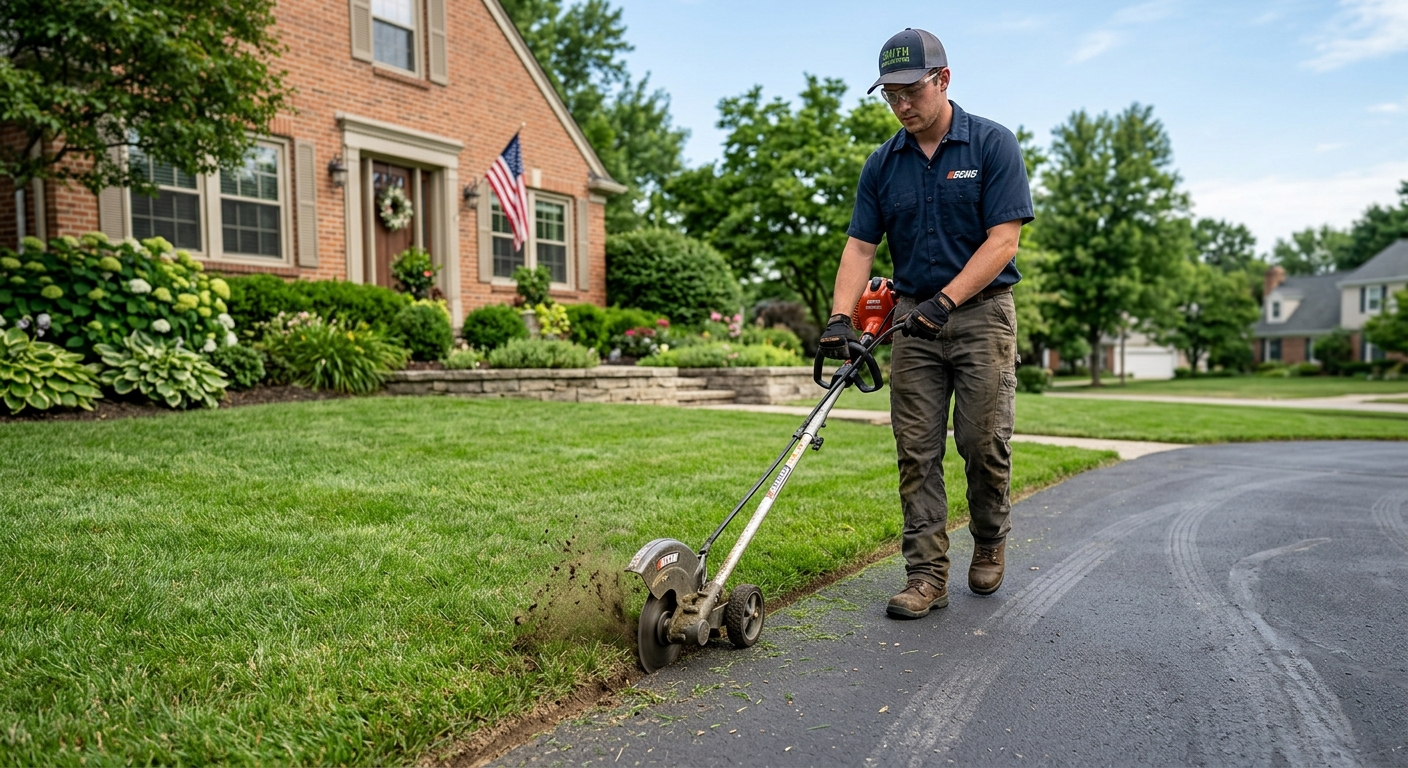
Landscaping options and costs in Brooks
In Brooks, Alberta, homeowners usually start planning landscaping around the yard realities that come with our housing mix: with single-detached homes making up 54.5% of dwellings, many properties have the space to invest in larger softscape areas, patios, or even a small retaining wall to manage slopes. Just as important, 64.8% of households are owner-occupied, so it’s common to see multi-year upgrades—lawn now, then planting beds and drainage next season. The local market follows a practical pattern because Brooks sits in a prairie-driven environment within hardiness zone 4b (average annual minimums roughly −31.7°C to −28.9°C). That means winter dieback risk is real and summer heat is often dry, so contractors price for hardy, drought-tolerant plants and efficient irrigation.
Costs also reflect how short the working window is in southern Alberta: late spring frosts and early fall frosts compress most installs into about May–September. In places like Evergreen Estates, where many lots have mature tree cover and established grading, demand is high for drainage fixes, curb-ready curbside plantings, and low-maintenance borders that can handle wind and freeze–thaw cycles. Those freeze–thaw cycles are a major structural cost driver: retaining walls, paving, and base aggregates often require deeper, well-compacted foundations and proper drainage to prevent heaving and movement—so “same size” projects can price very differently based on subgrade conditions and access.
Below is a realistic snapshot of typical service ranges in the Lethbridge–Medicine Hat region, which contractors use as their backbone for Brooks estimates.
| Service |
Description |
Season |
Price Range |
| Full landscape design and installation |
Site assessment, conceptual plan, material selection, grading/soil amendment, planting, and hardscape as specified |
May–September (spring/fall frost risk planning) |
$8,000–$35,000 |
| Sod installation (supply, grade, lay, roll) |
Minor grading, topsoil/base prep, turf supply, layout, rolling, and initial watering guidance |
Late May–August |
$4–$8 |
| Lawn seeding (grade, seed, starter fertilizer) |
Spot prep, seeding, lightweight covering, starter fertilizer, and early maintenance plan |
Late May–early July (weather dependent) |
$2–$4 |
| Interlocking patio or walkway |
Excavate, compacted base, edging, interlocking pavers, and jointing sand |
June–September |
$120–$300 |
| Retaining wall (interlocking block) |
Block wall install with drainage fabric, base course, and backfill for freeze–thaw resilience |
June–September |
$120–$300 |
| Tree and shrub planting |
Soil amendment, hardy plant selection, planting, staking (when needed), and initial care instructions |
May–June or late August–September |
$500–$8,000 |
Prices are estimates only and vary by project scope, site access and material selection.
What affects the price of landscaping in Brooks
Even when you request the “same” landscaping scope in Brooks, Alberta, quotes can still vary by 30–50% across the Lethbridge–Medicine Hat region and broader Alberta. The differences usually come down to (1) what it takes to make the site stable in freeze–thaw conditions, (2) how efficiently the contractor can work within the short May–September season, and (3) whether the plan uses prairie-hardy plants and water-efficient irrigation that will actually perform in zone 4b. In contrast, a coastal, longer-season climate like BC’s wetter interiors (often with different frost timing) or milder zones would allow different plant choices and more extended growth periods, but may introduce other drainage complexities. In southern Ontario (zone 5–6), the season is often more forgiving than ours, but dry spells still push irrigation planning costs.
In Brooks, prairie conditions raise costs in very specific places. For example, if your retaining wall needs a deeper, well-compacted base to perform through repeated freeze–thaw cycles, excavation and base aggregates can add thousands. Likewise, if grading needs rework to direct water away from foundations, you’re not just “moving soil”—you’re building a proper slope and drainage system so you don’t pay again later for soil settlement and pooled water. On the other hand, costs can stay closer to the lower end of the $8,000–$35,000 design-and-install range when the site is already well-draining and the scope is mostly planting and light hardscape.
Concrete examples: (1) an older home—especially those built before 1981—often has older drainage patterns and tougher existing subgrade, which can make base prep more expensive; (2) choosing native shrubs and a drip-led approach can keep your planting within the $500–$8,000 band while improving survival rates in hot, dry stretches; and (3) if you need major French drain work, excavation time and disposal can quickly shift a project toward the top half of the pricing bands.
| Price Factor |
Why It Matters |
Cost Impact |
| Yard size in sq ft — the primary cost driver for softscape |
More area means more soil, seed/sod, mulch, and labour time |
Small changes can move the job into the next pricing band |
| Grading and drainage work — slope corrections add significant cost |
Proper slopes prevent pooling and foundation moisture |
Often a top reason quotes differ by 30–50% |
| Drainage bed or French drain installation |
Requires excavation depth, perforated pipe, geotextile, and backfill |
Can add several thousand depending on footage and disposal |
| Plant material tier — native shrubs vs. ornamental vs. mature specimen trees |
Mature stock costs more and needs better rootball support |
Fastest way to move from a “budget” to “premium” planting plan |
| Hardscape vs. softscape ratio — walls and patios cost more per sq ft than lawn |
Excavation, base, and paver/block labour add cost |
Higher hardscape ratios increase total project price quickly |
| Irrigation system design and installation |
Zone planning, tubing, controllers, and efficient heads matter in dry summers |
Can add substantial cost if redesign is required |
| Soil amendment and topsoil required |
Prairie soils often need improvements for root establishment |
Costs rise when depth and import are required |
| Tree removal or stump grinding before new planting |
Impacts excavation, disposal, and regrading |
Often turns a simple planting job into a bigger prep scope |
Permits & regulations in Alberta
In Alberta, most landscaping work such as planting, sodding, and typical softscape installation generally does not require a permit. Where permits commonly come into play is with larger structural changes—especially retaining walls. In many municipalities, retaining walls above about 1.0 m (3.3 ft) usually require a building permit, and sometimes engineered drawings depending on height, soil conditions, and design. Also watch for permits when excavation or lot grading could change drainage patterns toward a neighbour’s property or toward storm sewer connections.
Regardless of permit needs, always arrange utility locates before digging for planting holes, drainage lines, or retaining wall footings. Hitting buried services is expensive and can delay the project.
To verify a Brooks contractor is set up properly, do it in this order:
- Check their Alberta business licence and whether they’re properly registered for their trade/activities (use the contractor’s official listing details from the relevant online registry pages).
- Request a certificate of liability insurance showing the policy is active and includes landscaping-related activities.
- Confirm WSIB/WCB coverage (worker coverage) for their employees; ask for documentation or a clearance letter if they provide one for client records.
- Make sure all proposed work and exclusions match the written scope—especially drainage and any structural components.
Finally, review local water-use rules for irrigation timing and efficiency. While Brooks restrictions may not mirror BC interior severity, efficient systems (drip, smart timers) still protect your investment through short growing seasons and dry stretches.
Planning a landscape that thrives in Brooks's climate
Designing for Brooks means working with zone 4b realities—winter cold, hot dry summers, wind, and a short growing period—rather than trying to force a “lush” look that depends on constant moisture. Start with plant selection: choose prairie-appropriate, native or zone-appropriate shrubs and perennials that can handle cold winters with minimal winter protection. Pair that with a practical turf strategy: sod delivers instant curb appeal, but it’s usually 3–4x more per sq ft than seeding once you factor in supply and install labour. In Brooks, seeding can be a smart cost choice, but it only works well if grading and soil prep are done correctly and seed is timed for late spring conditions.
Next, treat drainage and grading as the foundation of your landscape. In Lethbridge–Medicine Hat conditions, pooling and foundation moisture lead to premature plant failure and can destabilize beds. Ensure downspouts discharge properly and avoid low spots that collect snowmelt. For hardscape like patios and retaining walls, base preparation must consider the local freeze line and freeze–thaw cycles—meaning deeper, well-compacted base and proper drainage layers so pavers and blocks don’t heave.
For low-maintenance design, use mulched shrub borders, groundcovers that spread steadily, and perennial repeats so you’re not constantly replanting. Xeriscape-style beds (with mulch, rock where appropriate, and drip irrigation) can look sharp without high watering demands. If you’re comparing options, here’s a common justification: choosing sod on a small front “feature” area can be worth the higher cost because it creates an immediate visual payoff, while using seeded lawn and drought-tolerant plantings for the rest keeps your budget closer to the lower end of the design-and-install range.
| Element |
Climate Consideration |
Maintenance Level |
Price Band |
| Sod lawn installation |
Fast establishment during May–August; select turf blends suited to prairie heat and cold |
Medium (watering during establishment, then seasonal mowing) |
$4–$8 |
| Native perennial garden |
Hardy varieties for zone 4b with wind tolerance and drought resilience |
Low to medium (spring tidy, occasional weeding, mulch refresh) |
$2,000–$6,500 |
| Mulched shrub border |
Better winter coverage at crown level; reduces evaporation and wind desiccation |
Low (mulch top-ups and pruning) |
$1,500–$4,000 |
| Interlocking stone patio |
Requires deep, compacted base and drainage to resist freeze–thaw movement |
Low (sweeping/weed prevention) |
$120–$300 |
| Retaining wall (block) |
Drainage fabric/backfill is essential to avoid frost heave and block shifting |
Low (periodic inspection for minor settlement) |
$120–$300 |
| Drip irrigation system |
Efficient water delivery in dry summers and short season watering windows |
Low (seasonal checks and winter shut-down) |
$1,200–$6,000 |
How to choose a landscaping contractor in Brooks
Choosing the right contractor in Brooks starts with proof, not promises. For Alberta licensing, ask which business registration applies to their services and confirm their status through the relevant online registry resources (you can also request their business licence number on the estimate). For liability insurance, request a certificate showing active coverage and that landscaping activities are included. For WSIB/WCB, confirm they carry worker coverage for their employees (ask for a clearance letter or documentation of coverage). If they can’t provide these items quickly, keep looking—this is where projects get risky.
Then get 2–3 itemised written quotes that separate labour and materials. You should see line items for excavation, base materials, drainage components, disposal, plant material, and irrigation if included—rather than a single lump-sum number. Read the scope carefully: are permits included (where required), is disposal included, and who supplies topsoil or soil amendment? Clarify what happens if rock or unsuitable subgrade is encountered.
Warranty matters in freeze–thaw zones. Ask for (1) a workmanship warranty length in writing, (2) the product/manufacturer warranties for plants (where applicable) and hardscape components, and (3) whether warranties are transferable to you as the homeowner.
For payment, don’t do large upfront deposits—keep initial payments around 10–15%, and schedule a holdback until job completion and final walkthrough. Get a timeline with a start date and target completion in writing; Brooks projects often shift due to frost timing and site conditions, so the plan should state what triggers delays.
- Ask for their Alberta licence details and business registration information.
- Request and review their liability insurance certificate (active dates and coverage limits).
- Confirm WSIB/WCB coverage for employees (ask for clearance documentation).
- Use itemised quotes (labour vs. materials vs. disposal vs. equipment).
- Confirm whether utility locates are included and who schedules them.
- Check what’s excluded: stump removal, rock, over-excavation, topsoil depth, and haul-away.
- Verify drainage scope: slopes, drain bedding, geotextile, and outfall direction.
- Ask about base specs for pavers/blocks (compaction method and thickness allowances).
- Confirm plant source and guarantee expectations (species, sizes, and replacement policy).
- Review irrigation design details (zones, controller, drip vs. spray, timer settings).
- Get warranty terms in writing for workmanship and materials.
- Set a payment schedule with 10–15% maximum upfront and a holdback until completion.
In Brooks, common red flags include: contractors who won’t provide insurance/coverage documentation, quotes that don’t specify base preparation or drainage layers, “lump-sum” pricing without line items, aggressive upfront payment requests, and vague timelines that don’t account for prairie frost windows or weather delays.
Frequently asked questions — landscaping in Brooks
What plants thrive in Brooks's climate zone?
Brooks sits in hardiness zone 4b, so the best performers are prairie-hardy and built for wind, cold snaps, and dry spells. In practice, that means prioritizing native or well-adapted shrubs and perennials that can handle temperature swings and don’t rely on constant moisture. Common choices homeowners look for include hardy shrubs with good winter structure, drought-tolerant perennials, and ornamental grasses that stay attractive even when conditions are tough. If you’re planning a planting refresh, you can usually keep costs within the $500–$8,000 tree and garden planting band by balancing established shrubs with a few focal plants rather than using only premium mature specimens. Always match the plant to sun exposure (full sun vs. partial shade) and to your soil drainage—wet pockets are what most often cause failures in prairie yards.
Sod vs seed — which is better for a Brooks lawn?
For Brooks lawns, sod is the “instant results” option, but it costs more. If your goal is a quick curb appeal window during May–September, sod can be worth it—especially for front yards where you want the look immediately after install. Seeding is usually more budget-friendly, but it depends on proper grading, seed-to-soil contact, and timing around late spring conditions. As a reference, sod installation typically lands in the $4–$8 range (supply, grade, lay, roll) while seeding is often lower if the base is prepped well. If your yard has drainage issues, neither sod nor seed will solve the root problem; drainage fixes usually come first, then turf establishment. A good contractor will recommend the method based on slope, sunlight, and how much repair your subgrade needs.
How much does a retaining wall cost in Brooks?
In Brooks, retaining wall pricing is influenced heavily by excavation depth, base preparation, and the drainage layers required to prevent freeze–thaw movement. As a baseline, contractors commonly estimate interlocking block retaining work in the $120–$300 band depending on wall height, length, and site complexity (access, rock, and whether backfill and drainage are included). For a simple wall with good access, cost can stay near the low end; for walls requiring heavier base work and more drainage components, it pushes higher. If your property has older grading or you’re correcting a slope toward the house, expect more labour and material, which is why two quotes can differ. The safest approach is to get a written scope that specifies geotextile, drainage backfill, and compaction requirements—not just block supply and labour.
When is the best time to landscape in Brooks?
Most landscaping in Brooks is planned for the frost-compressed season, roughly May–September. Sod and active turf work are usually best once late spring frost risk has passed and the ground is workable. Planting often works in two windows: late spring (once soil is thawed and stable) and again in late summer/early fall when plants can establish before cold weather sets in. Hardscape—like patios, walkways, and retaining walls—typically fits best during warmer months when excavation and base compaction can be done reliably. If you want a full design-and-install, contractors also plan around weather and labour availability in southern Alberta, and schedule earlier for projects in neighbourhoods where demand is high. A good contractor will give you a timeline in writing and explain how they’ll protect plants if conditions shift.
Do I need a permit for a retaining wall in Alberta?
Often, softscape work such as planting and sodding does not require a permit in Alberta, but retaining walls are a different story. In many municipalities, retaining walls above about 1.0 m (3.3 ft) typically need a building permit and sometimes engineered drawings depending on conditions and design. Grading changes that affect drainage toward neighbouring properties or storm connections can also trigger approval requirements. In Brooks, the practical step is to ask your contractor whether your wall height and proposed grading fall under permit rules and to confirm what they include in the scope. Always ensure utility locates are completed before digging. If you’re budgeting, factor in any permit-related admin time so your project doesn’t stall mid-season.
How do I improve drainage in my yard?
Improving drainage in Brooks usually starts with identifying where water is coming from and where it should go. Common fixes include correcting grading so water flows away from foundations, installing a drainage bed or French drain where water collects, and ensuring downspouts discharge properly. Because freeze–thaw cycles are a major factor in southern Alberta, drainage design must include proper base preparation, geotextile separation, and correctly placed backfill so the system performs through winter. If your yard has low areas, a contractor should propose a plan that includes slopes and outlet direction—not just “dig and fill.” Sometimes the most cost-effective approach is to combine drainage work with a broader landscape refresh so excavation and re-grading are done once. Plan for drainage to be a key driver of project scope and cost, especially if your soil needs amendment or significant excavation.