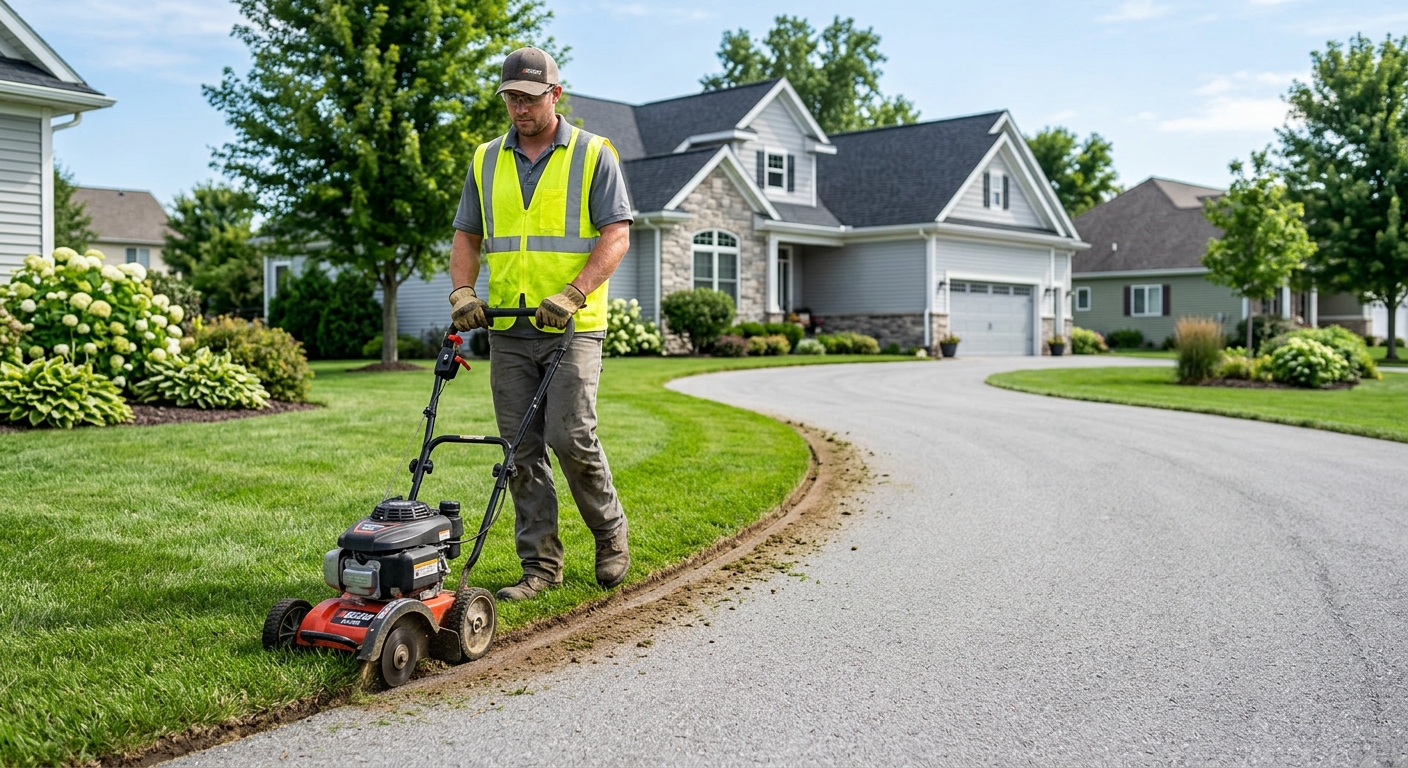
Landscaping options and costs in Legacy
Landscaping in Legacy, Alberta is a smart investment because many homes in the area sit in neighbourhoods where yards matter—private outdoor space is part of daily life, and detached properties often create the incentive to upgrade hardscape, irrigation, and planting over time. With Legacy’s population at about 8,000 residents (Statistics Canada, 2021 Census), the local contractor pool can be smaller than in larger metro pockets, so scheduling and material lead times can noticeably affect pricing. Most full-project builds also reflect homeowner expectations shaped by Calgary’s market pace: comprehensive work across the region often lands in the mid five-figure range once grading, hardscape, planting, and irrigation are bundled. That’s partly why you’ll see fewer “small add-ons” and more scoped packages.
Calgary’s Prairie plant hardiness zone 3–4, combined with late-spring frosts and early fall cold snaps, influences both what can be installed and how long crews can work on-site. Freeze–thaw cycles are severe, so patios, walkways, and retaining walls require deep, well-compacted bases and proper drainage to avoid heaving and failure. On the softscape side, the shorter season pushes homeowners toward cold-hardy, wind-tolerant and drought-tolerant species, and irrigation design typically needs zoned, efficient controls. If your project is in or near high-demand areas of Legacy where new infill and upgrades are common, contractor availability can be tighter—another pricing factor. Use the table below as a quick benchmark before you request itemised quotes.
| Service |
Description |
Season |
Price Range |
| Full landscape design and installation |
Site walk, concept + grading plan, base prep, hardscape, planting, soil improvement, and irrigation as needed |
Late spring to early fall (weather-dependent) |
$5,000–$50,000 |
| Sod installation (supply, grade, lay, roll) |
Regrade, topsoil/topdress where required, sod supply, lay and roll, light watering plan |
Mid-spring to late summer (avoid extreme heat) |
$1,500–$6,000 |
| Lawn seeding (grade, seed, starter fertilizer) |
Regrade, seed mix selection, starter fertiliser, light topdressing, establishment care |
Spring or early fall |
$1,500–$4,500 |
| Interlocking patio or walkway |
Excavation, deep compacted base, edge restraint, pavers, bedding sand, joint sand, compaction |
Late spring to fall |
$8,000–$35,000 |
| Retaining wall (interlocking block) |
Excavation, reinforced base, compacted drainage zone, fabric + gravel, block system, cap/pins |
Late spring to fall |
$12,000–$40,000 |
| Tree and shrub planting |
Soil amendment, tree staking when required, planting pits, mulch rings, initial watering guidance |
Spring or fall |
$800–$15,000 |
Prices are estimates only and vary by project scope, site access and material selection.
What affects the price of landscaping in Legacy
Even when you’re comparing the same “headline” job in Legacy, Alberta, quotes can swing by roughly 30–50% across Calgary and the broader region because the scope can’t be judged from photos alone. A contractor who includes deep base prep for frost protection, drainage improvements, soil amendments and irrigation design will price those details up-front—while a lower bid may assume “good ground” or exclude disposal, rock removal, or utility locate support. In Calgary-area pricing, labour often represents 40–60% of the total for full builds, so crew time lost to access constraints, excavation realities, and weather windows can move the number quickly. Materials also fluctuate, and turf and stone supply can become a timing bottleneck in peak season.
Legacy sits in plant hardiness zone 3–4, where late-spring frosts and early fall cold snaps reduce the planting window and make cold-tolerant, wind-hardy selections more important. For retaining walls, the base depth and drainage layer must reach well below the frost line to prevent freeze–thaw heaving. That’s different from coastal BC’s longer, mild growing season (zone 7–8), where lush palettes are possible—but heavy rainfall demands meticulous drainage in wet soils. Meanwhile, the dry BC interior and Alberta’s semi-arid conditions still push smart controllers, zoned systems and soil improvement over “high-water” turf. Southern Ontario’s moderate season typically reduces risk of frost timing conflicts, but summer dry spells still affect irrigation planning.
Two local cost examples: first, a patio on poor subgrade can climb toward the upper end of the interlocking hardscape band because crews must remove unsuitable material and rebuild a deep, compacted base. Second, planting that starts with significant soil amendment—especially on older lots with compacted or sandy fill—can shift a “tree and shrub” plan higher within the $800–$15,000 range. If you’re updating an older yard with older drainage patterns near the foundation, expect grading and drainage work to be a key driver, and it commonly nudges full landscape projects toward the mid five-figure band.
| Price Factor |
Why It Matters |
Cost Impact |
| Yard size in sq ft — the primary cost driver for softscape |
More area means more labour hours for prep and more materials for turf, seed, mulch, and plants |
Typically the largest variable; changes can move a job by tens of thousands on full builds |
| Grading and drainage work — slope corrections add significant cost |
Bad slope can cause pooling and foundation moisture; regrading needs excavation, hauling and re-compaction |
Commonly increases hardscape and softscape labour time; can add thousands even before materials |
| Drainage bed or French drain installation |
Necessary when water travels toward the home or low spots repeatedly stay wet |
Adds excavation, drain pipe, gravel and fabric; often raises costs noticeably on retaining wall jobs |
| Plant material tier — native shrubs vs. ornamental vs. mature specimen trees |
Mature trees cost more and require more labour for heavier stock and careful root-ball handling |
Small changes in plant sizes can shift the planting portion within the $800–$15,000 band |
| Hardscape vs. softscape ratio — walls and patios cost more per sq ft than lawn |
Pavers, base materials, edge restraint and compaction are more labour- and material-intensive than turf |
Higher hardscape content pushes total budgets toward the $8,000–$40,000 retaining/walkway range |
| Irrigation system design and installation |
Zoned coverage and efficient heads reduce water waste and protect lawns in Prairie dry spells |
Zoned drip or sprinkler design can add several thousand depending on controls and layout |
| Soil amendment and topsoil required |
Compacted or rocky ground needs improved texture, nutrients and drainage; turf and planting won’t thrive without it |
Can move the softscape budget up toward the higher end of lawn and planting estimates |
| Tree removal or stump grinding before new planting |
Roots, stumps and debris must be cleared to protect new beds and allow proper grading |
Often adds separate equipment time; can affect timelines and increase labour costs |
Permits & regulations in Alberta
In Alberta, many landscaping tasks don’t require a permit—planting beds, sod installation and most softscape work are typically treated as normal property improvements. For Legacy homeowners, the main permit-trigger usually comes with structural changes, especially retaining walls. In most municipalities, retaining walls above a height threshold—typically 1.0 m (3.3 ft)—require a building permit, and sometimes engineered drawings depending on the wall length, condition and site conditions. Another common approval point is changes to lot grading that affect drainage direction toward neighbouring properties or storm sewer connections; if your plan redirects water flow, you should confirm requirements before digging.
Regardless of permits, always call for utility locates before any excavation for planting holes, French drains, irrigation trenches or retaining wall footings. Alberta’s buried utility system is unforgiving—missing a line can create serious safety and repair costs.
To verify your contractor in Legacy, Alberta step-by-step: (1) confirm they are properly licensed for the work scope—many landscaping trades are contractor-regulated by professional/contractor obligations depending on activities, so ask for their credentials up-front; (2) request a current certificate of liability insurance and ensure it covers excavation and property damage; (3) if the contractor employs workers, verify WSIB/WCB coverage by requesting a clearance letter or proof of registration/coverage; (4) keep documentation with your contract and amendments. A reputable contractor should provide these items quickly and without hesitation.
Planning a landscape that thrives in Legacy's climate
Planning a landscape that thrives in Legacy means working with Calgary-area conditions—plant hardiness zone 3–4, freeze–thaw cycles, and a shorter growing season—rather than trying to push tender species or shallow bases that fail under Prairie expansion and contraction. Start with plant selection: choose native or zone-appropriate shrubs and perennials that handle cold winters and wind, and build winter resilience through proper spacing, mulch coverage and correct planting depth. For lawns, decide between sod and seeding based on your timeline and patience for establishment. Sod offers instant curb appeal, but in this market it typically costs about 3–4 times more per sq ft than seeding because you’re paying for living turf production plus delivery and handling. Seed can be more economical, especially for repairs or larger lawns, and it fits early fall conditions when temperatures cool.
Next, focus on drainage and grading. In Calgary winters, pooled water and poorly drained soils contribute to foundation moisture and heaving. For hardscape like patios and retaining walls, base preparation must account for frost depth: deep, well-compacted base layers and proper drainage layers reduce movement. Finally, reduce annual maintenance with a low-maintenance design: groundcovers, mulch rings, and hardy perennials limit weeding and watering. Xeriscape and rain-garden concepts can also fit Legacy when designed to manage runoff and reduce reliance on high-water turf.
Dollar reality check: if you’re tempted to sod a full front lawn for rapid results, a $1,500–$6,000 sod install may be justified for smaller areas or a quick curb-appeal upgrade. For the same budget on a larger footprint, seeding within typical lawn bands can stretch further—particularly if you’re comfortable waiting through establishment. Where you truly “pay for performance” is in the base and drainage under patios and walls; skipping it is what costs you later.
| Element |
Climate Consideration |
Maintenance Level |
Price Band |
| Sod lawn installation |
Needs soil preparation and timing that avoids late-spring frosts and extreme heat |
Medium (watering during establishment; mowing once rooted) |
$1,500–$6,000 |
| Native perennial garden |
Better survival through zone 3–4 winters; typically more drought-tolerant once established |
Low (mulch refresh, light weeding, spring tidy-up) |
$800–$10,000 |
| Mulched shrub border |
Mulch moderates freeze–thaw and helps control moisture swings; choose wind-hardy species |
Low to medium (pruning as needed; weed control early on) |
$1,000–$12,000 |
| Interlocking stone patio |
Requires deep, compacted base and proper drainage to prevent heaving in freeze–thaw cycles |
Low (occasional joint sand top-up; spot cleaning) |
$8,000–$35,000 |
| Retaining wall (block) |
Needs frost-aware footing depth and drainage backfill to keep soils stable |
Low (inspection after major freeze–thaw seasons) |
$12,000–$40,000 |
| Drip irrigation system |
Zoned drip improves efficiency for drought-tolerant planting and reduces watering stress in short seasons |
Medium (seasonal checks and winterisation) |
$2,000–$10,000 |
How to choose a landscaping contractor in Legacy
Choosing the right landscaping contractor in Legacy, Alberta is mostly about proof: credentials, insurance, and a clear scope. First, verify licensing and coverage. Ask for a certificate of liability insurance and confirm it’s active for the current year and covers work at your address (including property damage and excavation-related risks). If the contractor has employees, request proof of WSIB/WCB coverage—many will provide a clearance letter or a copy of registration documents. Also ask for their safety approach for digging and heavy materials handling; a professional crew treats the yard like a construction site, not a casual weekend project.
Second, get 2–3 itemised written quotes. You want a breakdown that separates labour from materials and clearly lists what’s included: grading volumes, base depth, compaction method, disposal, topsoil allowance, irrigation controller and zoning, and planting quantities. Avoid “lump sum” quotes with vague descriptions like “we’ll prep the ground”—that’s where 30–50% change orders often start. Confirm whether permits are included (for example, retaining wall work above typical thresholds), and whether utility locates and call-before-you-dig support are included or your responsibility.
Third, review warranty details. Ask for workmanship warranty length and whether the manufacturer warranty transfers if you sell the home. Finally, payment schedule matters: never pay more than 10–15% upfront; use a holdback until key milestones are complete. Get a start date and completion estimate in writing, with weather contingencies noted.
- Provide a site visit and measure yard dimensions accurately (not just “ballpark” from photos).
- Itemise base prep depth, drainage components, and disposal for any excavation.
- List exact materials: paver type, retaining block system, soil amendment spec, mulch type.
- Confirm irrigation scope: zone count, head/drip types, controller model and winterisation plan.
- State freeze–thaw handling: compacted base specs and drainage layer requirements.
- Include utility locate responsibility in writing before any trenching or footings.
- Ask for a workmanship warranty and how service calls are handled.
- Confirm if product warranties are transferable and what documentation you’ll receive.
- Use milestone-based payments with a retainage/holdback until completion.
- Verify insurance dates, WSIB/WCB clearance (if applicable), and keep copies.
- Ask how debris is removed and whether hauling/disposal fees are included.
- Get start date, estimated completion, and weather delay procedures in writing.
Red flags to watch for: (1) quotes that omit drainage and base compaction details for patios or walls; (2) contractors who won’t provide insurance/WSIB/WCB documentation up-front; (3) vague scopes that don’t list plant quantities or paver specifications; (4) demanding large upfront deposits (well over 10–15%); and (5) no written timeline or no discussion of freeze–thaw construction risks in Legacy’s zone 3–4 conditions.
Frequently asked questions — landscaping in Legacy
How much does professional landscape design cost?
In Legacy and across the Calgary region, landscape design is often priced as part of a full project, but you can also see it as a standalone line item depending on the contractor. For many homeowners, design is bundled into an overall scope that may fall within the $5,000–$50,000 range for full landscape design and installation, especially when grading, planting and irrigation are included. If you’re only doing a smaller planting refresh, design may be simpler, but you should still expect a site review, measurements, and a planting plan aligned to Alberta’s zone 3–4 freeze–thaw realities. (Legacy yards often need drainage and frost-aware base planning, which affects the design complexity.) Always ask for what the design includes: concept only, or concept plus a grading/installation plan.
How do I compare landscaping quotes?
To compare quotes fairly in Legacy, Alberta, focus on what’s included—not just the total. Ask each contractor for an itemised proposal that lists labour and materials separately for excavation, base prep depth, drainage elements, disposal/hauling, topsoil allowance, and irrigation components (if any). Make sure each quote addresses freeze–thaw conditions: patios and walkways should include deep, well-compacted bases and jointing details, and retaining walls should include drainage backfill layers. Also compare scope exclusions: some lower bids omit utility locates, soil amendment, or French drains. A good check is whether the quote lands similarly within known bands—e.g., an interlocking patio might sit within $8,000–$35,000 depending on size and base requirements, and planting plans should reflect the number and size of shrubs/trees. If two quotes are far apart, ask where the difference comes from in writing.
How long does a landscaping project take in Legacy?
Project length in Legacy depends on weather windows and how much excavation or hardscape work is included. In Prairie conditions (zone 3–4), crews usually plan installation from late spring through summer, with early fall being workable for planting but not always for major earthworks. Smaller jobs like a tree and shrub planting can be completed in days, while sod or seeding timelines include establishment care and sometimes scheduling for turf delivery. Full projects that include grading, patios and irrigation commonly take longer—often several weeks—because base prep, drainage installation, compaction, and curing/installation steps can’t be rushed safely. If a retaining wall is part of the plan, schedule can extend due to excavation, material staging and (if applicable) permitting timelines. Ask contractors for a written schedule, including how they’ll handle weather delays and frost-risk interruptions.
What is the best grass type for a Legacy lawn?
For Legacy, Alberta, the “best” grass type is typically a cold-hardy turfgrass that performs well in Prairie climates and tolerates freeze–thaw stress. Most homeowners choose seeding or sod with blends suited to Calgary-area conditions, and the selection is influenced by how much sun your yard gets and whether you’ll irrigate. Sod provides quicker establishment, often landing in the $1,500–$6,000 range depending on area and prep; seeding is commonly a lower-cost path for larger lawns when you can manage the establishment period. The key is proper grade and soil prep, not only the species name. If you’re building an irrigation plan, ask about zoned coverage to avoid dry patches that can invite weeds in the short growing season. A reputable installer should recommend a seed or sod blend matched to your sun exposure and maintenance habits.
When should I aerate and overseed my lawn in Legacy?
In Legacy, aeration and overseeding are best timed around periods when the lawn can recover quickly without being stressed by late frosts. Common practice in the region is early fall or spring—early enough for new growth to establish before cold snaps, and after the turf has started active growth (in spring) or when temperatures cool (in fall). Aeration helps relieve compaction and improves seed-to-soil contact, but timing matters because Alberta winters can be hard on fresh seedlings. If you’re using a seeding approach, many homeowners choose a combined plan: aerate first, then overseed with starter fertiliser, and keep watering consistent during establishment. If you’re also dealing with drainage issues, fix those first—otherwise even the best overseeding can struggle. Ask your contractor to align the schedule with typical zone 3–4 frost and your lawn’s current health.
What trees grow best in Legacy's climate zone?
Legacy is in Alberta’s Prairie climate zone 3–4, so you’ll want trees that tolerate cold winters, wind exposure and short growing seasons. In general, cold-hardy choices like certain conifers (for year-round structure) and resilient deciduous trees (for summer shade and long-term hardiness) perform best when planted at the right depth and with good soil amendment. Your best selection also depends on space, soil drainage and how close the tree will be to foundations or hardscape. If you’re adding a tree as part of a full refresh, planting budgets commonly fall within the $800–$15,000 band depending on whether you’re adding small ornamentals or larger specimens, and whether excavation requires extra base adjustments. A local contractor should recommend species that match your yard’s sun and wind conditions, and they should include staking guidance when needed—especially on newer soil where roots are still establishing.