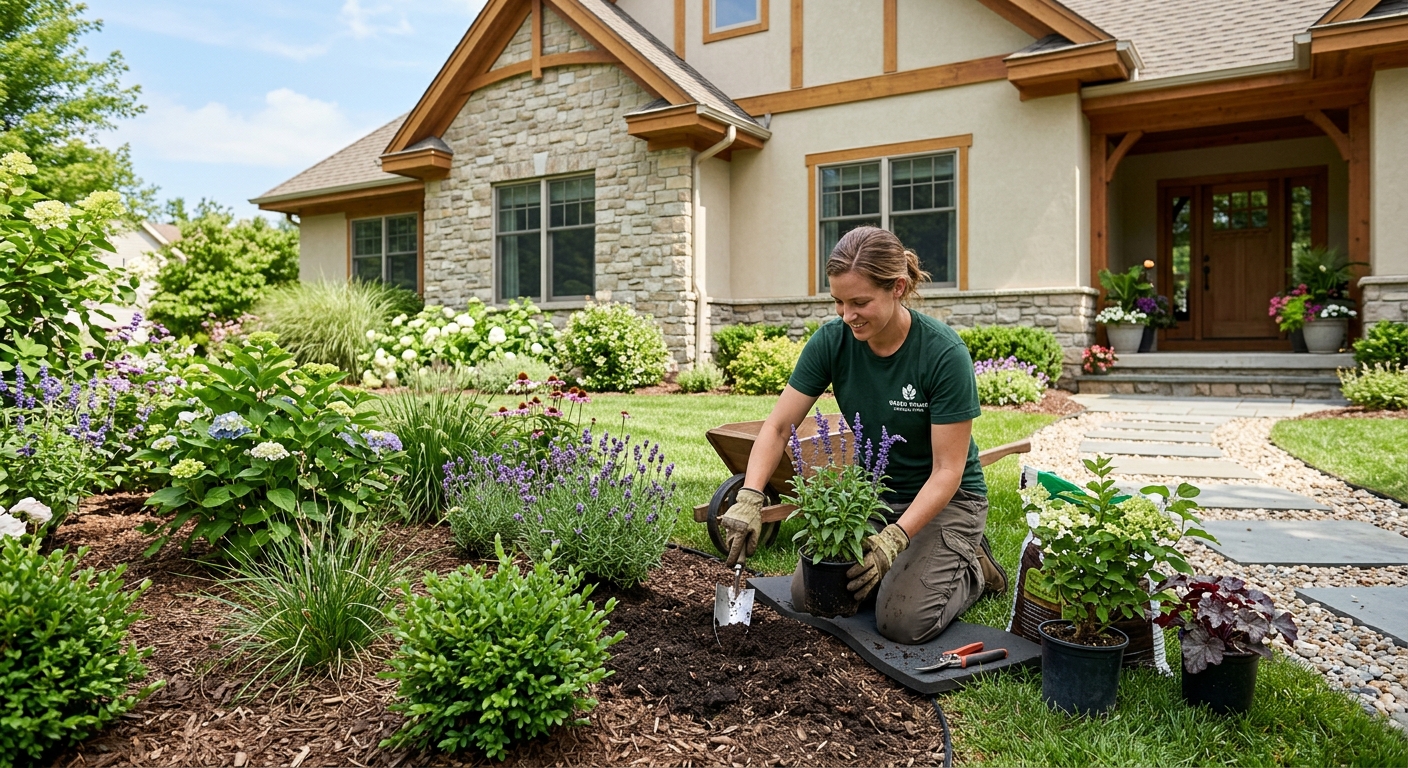
Landscaping options and costs in Clayburn
In Clayburn, landscaping projects tend to price out with a “full-scope” feel because many homeowners are working with established yards, mature trees, and driveways built to older lot layouts. Clayburn’s population is 11,755 (Statistics Canada, 2021 Census), and that steady local demand keeps crews busy—especially around the spring and early-fall planting windows. It’s also common to see single-detached homes with enough yard space to justify layered planting beds, patios, and small retaining features rather than just patchwork turf upgrades, which raises both the number of design consults and the average project size. Even with that, Lower Mainland–Southwest work is often more flexible than many other regions: plant hardiness zones 7–8 and mild, wet winters allow longer scheduling, while cool, consistent summers support lush growth without the same extreme heat stress you’d see farther inland. Costs still climb when sites have drainage challenges (heavy rain, clayey subsoils, or sloped backyards), when freeze–thaw cycles affect patios and wall bases, or when irrigation upgrades are added to protect new turf during occasional watering restrictions or higher utility costs.
Because of those factors, quotes for similar yards can land anywhere inside broad bands—especially if the scope shifts from “seed and tidy” to a full design with grading, drainage, and irrigation. The table below gives realistic starting points so you can compare estimates apples-to-apples before you book site visits, particularly if your project is near Abbotsford-style growth corridors where contractor demand is strong.
| Service |
Description |
Season |
Price Range |
| Full landscape design and installation |
Concept + layout, grading/soil prep, plantings, sod/seed, and hardscape coordination |
Mar–Nov (with winter prep possible) |
$5,000–$50,000 |
| Sod installation (supply, grade, lay, roll) |
Existing lawn strip/level as needed, soil amendments, sod delivery, lay, roll, starter watering setup |
Mar–Oct (best in shoulder seasons) |
$2,000–$8,000 |
| Lawn seeding (grade, seed, starter fertilizer) |
Light regrading, seed blend, starter fertilizer, topdressing as required |
Mar–May or Sep–Oct |
$1,500–$6,000 |
| Interlocking patio or walkway |
Excavation, compacted base, edging, interlocking pavers, leveling sand, joint sand |
Mar–Nov |
$10,000–$45,000 |
| Retaining wall (interlocking block) |
Wall layout, reinforced base where required, blocks, drainage gravel, geotextile, caps/finishes |
Mar–Nov |
$10,000–$80,000 |
| Tree and shrub planting |
Site prep, planting holes, amendment, staking as needed, mulching, first-season watering plan |
Mar–Nov |
$1,000–$15,000 |
Prices are estimates only and vary by project scope, site access and material selection.
What affects the price of landscaping in Clayburn
In the Lower Mainland–Southwest, the same landscaping job can come in 30–50% apart across quotes because the “hidden work” varies: grading depth, drainage correction, soil quality, irrigation complexity, and how much plant labour is required to get a layered, established look. British Columbia pricing also reflects a more extended working season than Prairie cities, so design-build crews can take on fuller scopes—but that doesn’t mean everything gets cheaper. In plant hardiness zones 7–8, you can plant more lush palettes and keep colour going longer, yet you still pay for proper drainage because heavy rainfall and clayey soils can hold water around foundations. By contrast, Prairie regions (Zone 2–4) typically need drought-tolerant, wind-hardy choices and compressed scheduling; retaining wall base depth must reach below the frost line, and shorter frost-free windows can raise labour rates per usable day. Coastal BC supports longer growing periods with less winter damage risk, but frost heave still matters for patios and wall footings due to freeze–thaw cycles.
Here are practical Clayburn examples that move budgets: (1) A backyard that needs drainage regrading or a swale correction often pushes the project toward the higher end of softscape and hardscape bands—e.g., a patio that’s “just pavers” can stretch closer to the $10,000–$45,000 range once a proper base and drainage are included. (2) If you’re converting patchy turf to sod, the cost climbs toward $2,000–$8,000 because sod supply, prep, and rolling are labour- and material-intensive; seeding may be lower but takes longer to look finished. (3) Older neighbourhood housing stock means many lots have mature trees and compacted subsoils—stiff, rockier ground can add excavation time, while stump removal or root pruning can add both disposal and planting delays. In Clayburn, those site realities commonly decide whether a “refresh” stays near the mid-range or escalates.
| Price Factor |
Why It Matters |
Cost Impact |
| Yard size in sq ft — the primary cost driver for softscape |
More area means more soil prep, seed/sod, amendments, mulch, labour hours, and time |
- Small yards: near the low end of lawn/planting bands
- Large yards: pushes toward higher totals in installation packages
|
| Grading and drainage work — slope corrections add significant cost |
Correct slopes prevent pooling and foundation moisture; sometimes requires rework of existing beds |
- Can increase total softscape/hardscape cost noticeably
- Often adds equipment time (mini excavator, hauling)
|
| Drainage bed or French drain installation |
Subsurface drainage (gravel, pipe, geotextile, clean-outs) is material- and labour-intensive |
- Generally increases project cost more than homeowners expect
- Reduces long-term damage risk when done correctly
|
| Plant material tier — native shrubs vs. ornamental vs. mature specimen trees |
Size, container type, and sourcing affect price; larger plants need more labour for handling |
- Native/naturalized: lower cost
- Mature specimens: higher cost with stronger “instant impact”
|
| Hardscape vs. softscape ratio — walls and patios cost more per sq ft than lawn |
Pavers and block work require excavation, base material, compaction, and finishing |
- Patios can dominate budgets quickly
- Walls are cost-sensitive to height and drainage complexity
|
| Irrigation system design and installation |
Drip lines, zones, controllers, and backflow protection add materials and plumbing labour |
- Smart controllers and zoning increase upfront cost
- Often pays off by protecting new turf and beds
|
| Soil amendment and topsoil required |
Clay-heavy soil may need compost, topsoil, and reconditioning to support roots |
- May require haul and re-spread
- Can be the difference between patchy growth and thriving beds
|
| Tree removal or stump grinding before new planting |
Root impacts, disposal, and site clearing time affect everything from access to final grade |
- Can add both equipment and scheduling time
- Delays planting until the ground is stable
|
Permits & regulations in British Columbia
In British Columbia, most typical yard work—planting, sodding, and most softscape activities—generally does not require a permit. That means tasks like laying sod, installing mulch, planting shrubs and trees, building small garden features, and typical walkway or patio upgrades are usually handled as private improvements. Where projects do trigger paperwork is mainly around retaining structures and major drainage or grade changes. In most municipalities, retaining walls above a threshold—commonly 1.0 m (3.3 ft)—typically require a building permit, and in some cases engineered drawings are needed. Also, if you’re changing lot grading in a way that affects drainage toward neighbouring properties or storm connections, approvals may be required, particularly because of potential impacts to runoff and existing drainage patterns.
Before any digging for planting holes, French drains, or wall footings, get utility locates—this is essential for BC’s underground services. For irrigation, confirm local water-use bylaws and rules for outdoor watering, especially when drought conditions appear in other parts of BC and when municipalities tighten enforcement. Even in Clayburn’s zone 7–8 climate, efficient irrigation (drip and smart controllers) supports healthier turf and helps you stay compliant when watering windows change.
For contractor checks: (1) verify licensing status via the appropriate BC online registry (often the contractor’s license number is referenced on the quote/invoices), (2) ask for a current Certificate of Insurance showing general liability coverage, (3) request proof of clearance where applicable for worker coverage (commonly WSIB/WCB-equivalent coverage depending on the contractor’s structure), and (4) keep copies in your project file—so you can document compliance before work starts.
Planning a landscape that thrives in Clayburn's climate
To plan a yard that thrives in Clayburn, you design around zone 7–8 growing conditions, cool-season moisture patterns, and the frost timeline that drives how we build bases. Start with plant selection: choose species that tolerate wet winters and cool summers, and favour native and zone-appropriate plants that don’t need constant winter protection. For turf, consider sod versus seed based on your timeline: sod gives instant curb appeal, while seeding is more forgiving on budget but takes longer to establish. Next, get drainage and grading right—Lower Mainland–Southwest yards can look fine for months and still hold water near foundations if slopes are off by even a small amount. For patios and retaining walls, base preparation must account for freeze–thaw cycles: deeper excavation, proper compaction, and correctly layered drainage prevent heave, settlement, and wall movement.
Low-maintenance design strategies work especially well here: mulched shrub borders, groundcovers to suppress weeds, and perennials for long blooms reduce annual upkeep without making the yard feel “temporary.” Rain-garden elements or bioswale-style planting in the lowest point of your lot can help manage runoff, while still giving you layered colour.
Budget-wise, the difference can be justified. For example, if sod costs in the $2,000–$8,000 range, paying more can be worthwhile when you need immediate appearance for a listing or family timeline. If your priority is long-term cost control and you can wait for establishment, lawn seeding is often the smarter move because it typically costs less while improving soil conditions during germination. Either way, pairing new turf with a simple drip setup for beds—and efficient irrigation overall—reduces waste and supports healthy growth through the season.
| Element |
Climate Consideration |
Maintenance Level |
Price Band |
| Sod lawn installation |
Instant coverage for cool, wet shoulder seasons; still needs proper grading and drainage to prevent sogginess |
Low to moderate (weekly check early on, mow once established) |
$2,000–$8,000 |
| Native perennial garden |
Zone-appropriate plants handle cool summers and wetter winters; deeper roots improve resilience |
Moderate (spring tidy-up, occasional watering first season) |
$1,500–$10,000 |
| Mulched shrub border |
Mulch buffers temperature swings and helps manage moisture in mixed wet/dry weeks |
Low (weed control, periodic mulch top-ups) |
$1,200–$7,500 |
| Interlocking stone patio |
Needs freeze–thaw-resilient base layers and drainage so pavers don’t heave |
Low (sweep, joint sand refresh as needed) |
$10,000–$45,000 |
| Retaining wall (block) |
Sloped Clayburn lots benefit from a well-draining reinforced base to limit movement during freeze–thaw |
Low to moderate (inspection after heavy winter storms) |
$10,000–$80,000 |
| Drip irrigation system |
Efficient water delivery supports plant health and helps you tolerate occasional watering restrictions |
Low (seasonal controller checks, quick head/line fixes) |
$1,800–$6,500 |
How to choose a landscaping contractor in Clayburn
Choosing the right landscaping contractor in Clayburn starts with proof, not promises. In British Columbia, confirm the contractor’s eligibility and coverage: ask for their current business/license details (and verify them using the relevant BC online registry), request a Certificate of Insurance with general liability, and ensure they have appropriate worker coverage so you’re not exposed if someone is injured on-site (commonly referenced as WSIB/WCB coverage depending on the contractor’s structure). If they can’t provide documents promptly, that’s a warning sign.
Next, insist on 2–3 itemised written quotes. You want a labour + materials breakdown—especially for excavation depth, base material type, drainage components, and irrigation components—rather than a single lump sum. Read the scope line-by-line: what’s excluded (tree removal, disposal, rock hauling, topsoil, hand-dug areas)? Is permit pulling included if required for a retaining wall above the typical threshold? Is waste disposal included? If it’s not stated, assume it might be extra. Also look for warranty terms: workmanship warranty length, whether product warranties apply to plants/materials, and whether warranties are transferable if you sell the home. Finally, protect your cash flow—never agree to pay more than about 10–15% upfront; use a holdback until the job is complete and cleaned.
Get your timeline in writing: proposed start date, sequencing (grading/drainage first, then base, then planting), and estimated completion date. A reliable crew in the Lower Mainland–Southwest will plan around wet weeks and allow drying time for bases and soil.
- Ask for a BC licence/business verification and confirm it yourself using the BC registry.
- Request a current Certificate of Insurance (general liability) and check dates.
- Verify worker coverage documentation (WSIB/WCB-equivalent, where applicable) before work begins.
- Get 2–3 itemised quotes with unit pricing or clear quantities (sq ft, lm, number of trees/shrubs).
- Confirm excavation depth and base build-up for patios and walkways.
- For retaining walls, ask how drainage gravel, geotextile, and weep provisions are handled.
- Ensure grading tie-ins and downspout direction are addressed to prevent pooling.
- Ask whether topsoil, compost/soil amendment, and mulch are included (and how much).
- Clarify disposal: soil/rock removal, stump grinding, and trailer/hauling fees.
- Check irrigation: confirm zones, controller type, and whether heads/drip lines are included.
- Review warranty: workmanship duration, product coverage, and what triggers a claim.
- Use a payment schedule with a holdback until completion and final walkthrough.
Concrete red flags in Clayburn: quotes that don’t specify excavation/base/drainage details, “too-good-to-be-true” pricing that omits French drains or compaction, no written scope or schedule, contractors unwilling to provide insurance/coverage documentation, and change-orders that quietly add costs without showing what was removed or replaced.
Frequently asked questions — landscaping in Clayburn
Sod vs seed — which is better for a Clayburn lawn?
In Clayburn, sod is usually the better choice when you want a finished-looking lawn quickly and you’re willing to invest in labour and turf supply. Typical sod installation estimates often fall in the $2,000–$8,000 band depending on sq ft and site prep. Seed can be the smarter option if you’re working with a tighter budget and can plan for a longer “green-up” timeline—seeding generally needs proper grading, good seed-to-soil contact, and starter fertilizer. Because Clayburn’s Lower Mainland–Southwest conditions support growth in the cool seasons, you can seed successfully, but the lawn’s early weeks still need consistent moisture. The biggest deciding factor isn’t just sod vs seed—it’s drainage and soil quality. If your yard holds water, fix grading first; otherwise even good seed or sod can struggle.
How much does a retaining wall cost in Clayburn?
Retaining wall costs in Clayburn typically range from $10,000–$80,000, and the spread comes from wall height, length, and drainage requirements. A taller wall often needs a more engineered approach, and freeze–thaw cycles make proper base construction critical so the wall doesn’t settle or bow. If the site is sloped or soils are difficult, contractors may need extra excavation, reinforcement, and a proper drainage gravel layer with geotextile. If drainage isn’t addressed, you can expect future maintenance costs—like re-grading or repairs—so it’s worth making sure your quote includes drainage detailing, not just blocks. If you’re near the common threshold where permits apply (often around 1.0 m), include permit and potential engineered drawing time in your budget.
When is the best time to landscape in Clayburn?
The best overall time for landscaping in Clayburn is usually late winter through fall, because the Lower Mainland–Southwest has a long growing window in plant hardiness zones 7–8. Planting and most softscape work can often happen from roughly March to November, aside from the wettest stretches. Sodding and seeding work best when temperatures are mild and the soil can stay evenly moist—often in spring and fall rather than the hottest parts of summer. Hardscape and retaining wall projects still need proper curing and base preparation, especially because freeze–thaw cycles can affect compaction and drainage performance. Practically, crews schedule grading and drainage first (when access is manageable), then wait for drying/compaction before pavers or block installation, and finally complete planting once finished surfaces are stable.
Do I need a permit for a retaining wall in British Columbia?
In British Columbia, many softscape improvements like planting and sodding typically do not require a permit, but retaining walls can. In many municipalities, walls above a threshold—commonly around 1.0 m (3.3 ft)—typically require a building permit, and sometimes engineered drawings. Also, permits may be triggered if your project changes lot grading in a way that affects drainage toward neighbouring properties or storm connections. Because rules can vary by municipality and by site conditions, the safest path is to ask the contractor to confirm whether your wall height and drainage scope require permits and to include that in your written quote. Before digging, ensure utility locates are done so you avoid service strikes during wall footing or French drain installation.
How do I improve drainage in my yard?
Improving drainage in a Clayburn yard starts with diagnosing where water goes. Look for pooling after rain, damp areas near foundations, and soggy zones that stay wet even after a few dry days. Often the fix is a combination of surface grading (so water flows away from the house), plus subsurface drainage like a drainage bed or French drain with a properly placed outlet. Your contractor should explain how they’ll manage slope corrections and what materials they’ll use (geotextile, washed gravel, and pipe where needed). Because Lower Mainland–Southwest winters can be wet, drainage done right protects both your plants and your foundation. If you’re also planning a patio or wall, drainage design becomes even more important due to freeze–thaw cycles—poor base drainage can lead to heave. A well-built drainage plan may raise upfront cost, but it typically prevents repeated patchwork repairs.
What is xeriscaping and does it suit Clayburn?
Xeriscaping is landscaping that reduces water use by selecting drought-tolerant plants, using efficient irrigation (like drip), and designing for soil retention with mulch and groundcovers. In Clayburn, it can absolutely work, but it needs to be “balanced” for Lower Mainland–Southwest conditions. You’re not in an extreme drought climate like parts of the BC Interior, so the goal isn’t only to eliminate water—it’s to use it efficiently and avoid wasted irrigation. Xeriscape-friendly options include native drought-tolerant grasses, layered shrubs, mulch-based borders, and rain-garden elements that capture and filter runoff. If you’re currently overwatering turf, combining drip irrigation with targeted planting beds can reduce long-term maintenance. If you want a lawn, keep in mind that sod seeding still needs establishment moisture; xeriscaping often works best alongside a reduced turf footprint rather than replacing everything at once.