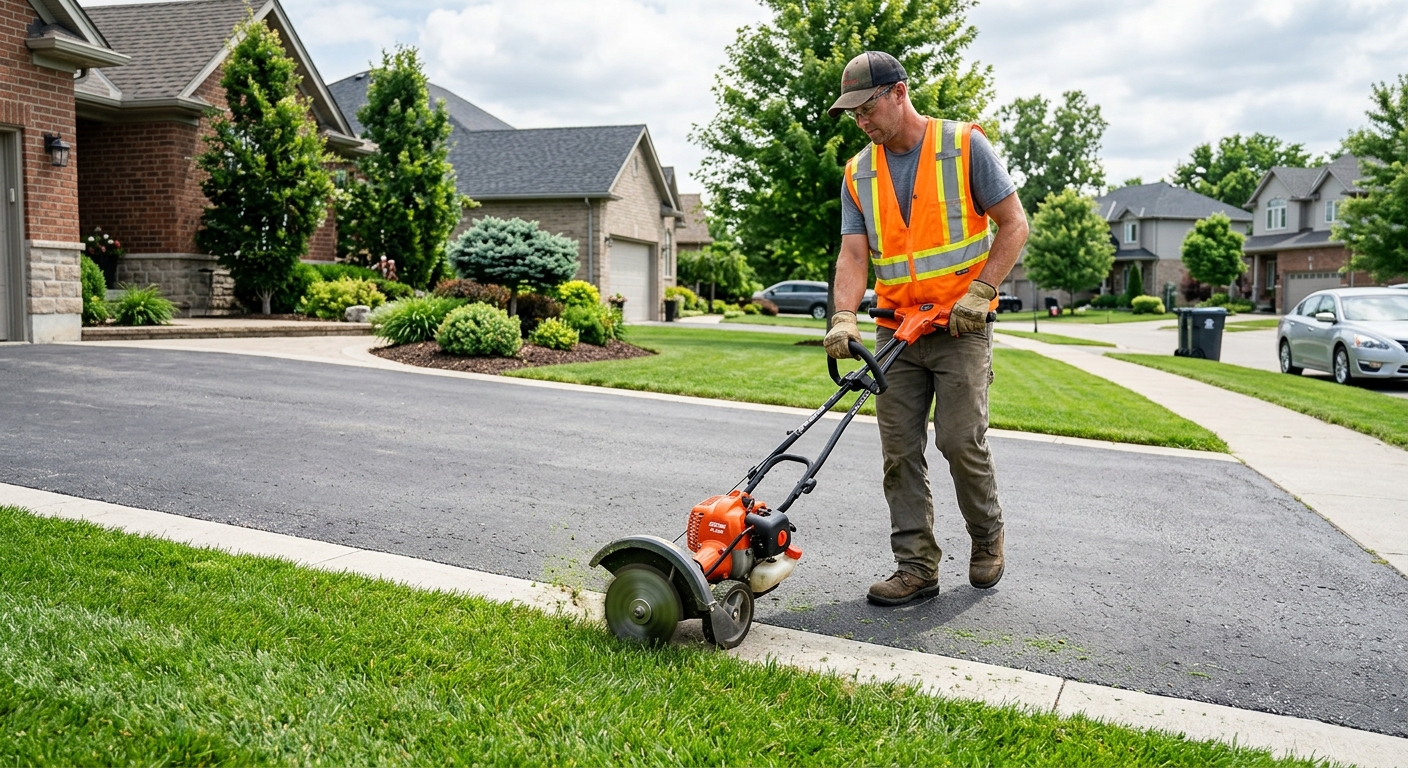
Landscaping options and costs in Oakridge
In Oakridge, landscaping is a big part of making a home feel “finished,” and it’s especially common in neighbourhoods like South Cambie where many yards are visible from sidewalks and laneways. With Oakridge’s population of 13,030 (Statistics Canada, 2021 Census), there’s a steady flow of residential renovations, new builds and backyard upgrades—enough work to keep crews available for both spring installs and late-summer touch-ups. Lower Mainland–Southwest also means contractors often have a longer working season than in much of the rest of Canada, thanks to frost arriving later in the fall and typically thawed ground outside the wettest winter windows. That extended window can reduce “rush pricing” on design and softscape, but heavy-rain weeks can still shift labour schedules and impact soil work.
At the same time, Oakridge homeowners can expect climate-driven choices to affect cost: the region sits in plant hardiness zones 7–8, so you can use lush, layered planting palettes and broadleaf evergreens with lower winter-damage risk than in colder zones. However, you still pay for correct drainage and proper freeze–thaw-proof base preparation—particularly for retaining walls, patios and walkways where foundations and slopes are common. Because of this, two similar-looking yards can land far apart on budget: one might be mostly softscape, while another adds drainage beds, footing excavation and irrigation control.
To help you compare like-for-like, here are typical cost bands for common landscaping services in Oakridge.
| Service |
Description |
Season |
Price Range |
| Full landscape design and installation |
Site visit, concept + layout, plant list, grading plan, hardscape/softscape install, final cleanup |
Mar–Nov (best volumes), weather-dependent in wet winter weeks |
$5,000–$50,000 |
| Sod installation (supply, grade, lay, roll) |
Minor grading, soil prep, sod supply, rolling, starter fertiliser, first-care guidance |
Mar–Oct (avoid waterlogged ground) |
$2,000–$8,000 |
| Lawn seeding (grade, seed, starter fertilizer) |
Grade and rake, seed + starter fertiliser, light topdressing, mulching as needed |
Mar–May or Aug–Sep (cooler germination) |
$800–$3,500 |
| Interlocking patio or walkway |
Excavation, base (crushed stone), compaction, edging, interlocking units, sweeping sand |
Apr–Nov (weather windows for base) |
$10,000–$45,000 |
| Retaining wall (interlocking block) |
Drainage behind wall, proper footing depth, block install, caps/finishing |
Apr–Nov (freeze–thaw safety on bases) |
$10,000–$80,000 |
| Tree and shrub planting |
Plant supply, hole prep, amendments, mulch ring, staking, watering plan |
Mar–Oct (and select fall planting depending on weather) |
$1,000–$15,000 |
Prices are estimates only and vary by project scope, site access and material selection.
What affects the price of landscaping in Oakridge
In the Lower Mainland–Southwest, the same “standard” landscaping idea can come in 30–50% apart from one quote to the next, even when you’re comparing contractors who seem similar. The difference is rarely the labour crew alone—it’s the hidden scope: how much grading is needed, whether drainage is included, what soil amendments are proposed, and which plant sizes/material tiers you choose. In most of British Columbia, jobs are priced with a strong understanding of zones 7–8 and the extended growing season, but coastal conditions still mean you can’t ignore wet-site logistics. That’s why your quote may look higher than a Prairie-style example.
Here’s how regional climate actually shifts costs. In Prairie regions (Zone 2–4), short frost-free windows and harsher winters typically compress scheduling, and clients often choose drought-tolerant species; retaining wall bases also must reach below the frost line, increasing excavation and footing cost. In coastal BC, zone 7–8 allows a longer planting and softscape window and supports more lush palettes, but you pay for drainage solutions in heavy-rain areas to prevent pooling. In the drier BC Interior, water restriction pressure influences irrigation design choices (often raising system complexity). Southern Ontario (Zone 5–6) has a moderate season but can still require irrigation during summer dry spells, which affects watering infrastructure and turf upkeep.
Locally in Oakridge, two concrete examples explain budget swings. First, if your yard is sloped or near a foundation, adding proper grading and drainage can shift a simple planting plan into a larger project—often moving a job from a $1,000–$15,000 planting-range expectation toward the $5,000–$50,000 territory when you add drainage beds and structural prep. Second, older homes and yards that haven’t been regraded in decades may have compacted soil—so soil amendment and re-compaction become a must, not a “nice to have,” which can raise costs quickly in wet months.
| Price Factor |
Why It Matters |
Cost Impact |
| Yard size in sq ft — the primary cost driver for softscape |
More square footage increases material (seed/sod/mulch) and labour hours |
Often the largest swing; can change totals by thousands on turf and borders |
| Grading and drainage work — slope corrections add significant cost |
Prevents water from pooling and reduces foundation moisture risk |
Can add several thousand dollars depending on excavation and recontouring |
| Drainage bed or French drain installation |
Captures subsurface water and routes it correctly |
Common add-on; frequently pushes projects into higher design/installation bands |
| Plant material tier — native shrubs vs. ornamental vs. mature specimen trees |
Size, provenance and ball size affect transplant success and cost |
Mature specimens can multiply plant budget compared with smaller stock |
| Hardscape vs. softscape ratio — walls and patios cost more per sq ft than lawn |
Base build-up, excavation, compacted stone and pavers/blocks require more labour and materials |
Shifts total toward retaining wall and hardscaping bands quickly |
| Irrigation system design and installation |
Zone-appropriate watering reduces plant stress and manages runoff |
Complex designs (multiple zones/drip/smart controller) raise both labour and materials |
| Soil amendment and topsoil required |
Improves rooting and compaction performance in wet coastal soils |
Can add hauling, testing, and bulk material costs—especially for full turf resets |
| Tree removal or stump grinding before new planting |
Clears the site so planting and drainage can be installed properly |
Often a notable add-on; equipment and disposal impact the final number |
Permits & regulations in British Columbia
In British Columbia, most routine landscaping work—such as planting, sodding and the majority of softscape installations—typically does not require a permit. That includes things like seed/sod replacement, mulch and shrub borders, and normal irrigation tie-ins within your property lines (assuming you’re not altering drainage patterns in a way that affects neighbours or municipal systems).
Where permits commonly come into play is structural and drainage-altering work. Retaining walls that are above a height threshold—often around 1.0 m (3.3 ft) in many municipalities—may require a building permit and sometimes engineered documentation. Also, if you change lot grading in a way that redirects runoff toward a neighbouring property or toward a storm sewer connection, you may trigger approval requirements. Before digging any planting holes or wall footings, confirm utility locates so you don’t hit buried services.
For homeowners in Oakridge, a practical verification process goes like this:
- Ask for the contractor’s company licence/registration relevant to their trade (check on the province’s public online registry for active status).
- Request a certificate of liability insurance and confirm it covers landscape construction activities; verify the policy is current and not expired.
- Confirm coverage for workers (WSIB/WCB coverage depending on the employer’s status) and ask for a clearance letter when applicable.
- Make sure their quote clearly states who handles debris/disposal and whether any permit pulls are included (if needed).
Finally, even though water restrictions in Oakridge are not usually as strict as the dry BC Interior, it’s still worth confirming municipal water-use bylaws and planning efficient irrigation so your yard tolerates occasional restrictions without lawn die-off.
Planning a landscape that thrives in Oakridge's climate
To plan a landscape that thrives in Oakridge, design around the reality that you’re in plant hardiness zone 7–8 with long, cool growing seasons and wet winters. The goal is to avoid “fighting the site” with poor drainage or plants that need constant correction. Start with (1) plant selection: choose zone-appropriate natives and reliable broadleaf evergreens to reduce watering and winter protection needs, and group plants by sun and moisture so you’re not overwatering some areas while others struggle. (2) Decide between sod and seeding: sod gives instant curb appeal and quicker weed suppression, but it typically costs 3–4× more per sq ft than seeding because you’re paying for turf supply, delivery and installation. (3) Prioritise drainage and grading: in the Lower Mainland–Southwest, pooling and foundation moisture are the silent killers of healthy turf and shrubs, so you need a slope away from the home, proper base prep and—when required—drainage beds. (4) For hardscape like patios and retaining walls, base preparation must account for freeze–thaw cycles even though winters are mild; bases are dug deeper, compacted properly and built with correct drainage to prevent frost heave and wall movement on sloped lots. (5) Use low-maintenance design strategies: mulch, groundcovers, perennials and efficient drip systems can cut annual upkeep without giving up the layered look people want in Oakridge.
If you’re aiming for lower-water landscaping, consider rain gardens or a xeriscape-inspired planting palette in the drier pockets, but keep it honest: in coastal BC, “water-smart” often means targeting irrigation only where it’s needed and letting plants handle normal rainfall patterns. For a concrete cost example, replacing a small lawn section with sod can be a practical upgrade for immediate use—yet if your budget is tight and you can wait for establishment, seeding is often the better value path. The choice usually comes down to how fast you need the lawn to look finished versus how much you want to invest up front.
| Element |
Climate Consideration |
Maintenance Level |
Price Band |
| Sod lawn installation |
Performs well in zone 7–8; avoid installation during waterlogged weeks to reduce turf failure |
Low to moderate (mowing + early watering until established) |
$2,000–$8,000 |
| Native perennial garden |
Native species tolerate the coastal cool season and help stabilize soil in wet winters |
Low (seasonal pruning and mulching) |
$3,000–$12,000 |
| Mulched shrub border |
Mulch buffers moisture swings and suppresses weeds during the wet spring window |
Low (weed control early, refresh mulch periodically) |
$2,000–$10,000 |
| Interlocking stone patio |
Base and drainage must be built for freeze–thaw effects and coastal moisture |
Low (occasional joint sand and cleaning) |
$10,000–$45,000 |
| Retaining wall (block) |
Requires proper footing depth and drainage behind the wall to handle heavy-rain periods |
Low (inspection after extreme weather) |
$10,000–$80,000 |
| Drip irrigation system |
Efficient watering for mixed plantings; reduces runoff in rainy seasons and helps through dry spells |
Moderate (seasonal checks, filter maintenance) |
$1,500–$8,000 |
How to choose a landscaping contractor in Oakridge
Choosing the right landscaping contractor in Oakridge is mostly about verifying credentials and making sure the quote is buildable. Start with licensing and insurance. In British Columbia, confirm the contractor’s trade registration/licence via the province’s online registry, and ask for proof of current liability insurance (certificate of insurance). Next, verify worker coverage—ask whether they carry WSIB/WCB coverage depending on their employer structure, and request the clearance letter where applicable. If they can’t provide documentation quickly, that’s often a sign the project will be harder to manage if something goes wrong.
Then, request 2–3 itemised written quotes. Itemised means you can see labour and material breakdowns, not just a single lump-sum figure. Ask whether the quote includes base preparation, compaction, drainage work, disposal, and whether any permits are required for your retaining wall or grading changes. Make sure exclusions are spelled out (for example: does the price include tree removal and stump grinding, or is that billed separately?).
For warranty, ask for a written statement of workmanship warranty length and what it covers (settlement, uneven pavers, drainage performance, plant replacement terms if applicable). Also ask about product/manufacturer warranties and whether they’re transferable if you sell the home.
Finally, payment schedules should protect you. Never pay more than about 10–15% upfront; hold back the remainder until the work is complete and deficiencies are corrected. Get a start date and completion estimate in writing, with weather-related contingencies noted—this matters in Oakridge because wet spells can stall grading and base installs.
- Verify licence/registration status online and confirm the business address.
- Request a certificate of liability insurance and confirm coverage is current.
- Ask for proof of worker coverage (WSIB/WCB clearance letter where applicable).
- Get itemised quotes (labour + materials + equipment).
- Confirm who handles utility locates before digging.
- Check scope for grading, drainage, and topsoil depth—these are common cost gaps.
- Ask whether disposal and hauling are included for excavated soil/old turf.
- Review the base build spec for patios/walkways (stone type, depth, compaction steps).
- Ask how retaining wall drainage is handled (weep materials, drain outlet, filter fabric).
- Confirm irrigation scope: controller type, number of zones, and coverage map.
- Require a workmanship warranty in writing before signing.
- Use staged payments and set a holdback for final inspection/cleanup.
Red flags I commonly see in Oakridge include: quotes that don’t mention drainage/grading at all, vague “allowance” lines that hide real costs, refusing to provide insurance/coverage documents, rushing you into large deposits, and workmanship timelines that ignore weather dependencies for base and soil prep.
Frequently asked questions — landscaping in Oakridge
What is the best grass type for a Oakridge lawn?
For Oakridge (Lower Mainland–Southwest, zone 7–8), homeowners typically do best with cool-season turf grasses suited to cool summers and moist winters. In practice, that often means a perennial ryegrass blend for quicker establishment and a fine fescue component for colour and resilience in shaded or less intensively watered areas. If your yard gets regular rainfall and you’re using efficient irrigation, a mixed blend usually handles the “wet spring/periodic dry stretch” pattern better than one single grass type. If you’re comparing quotes, ask what seed blend or sod species is proposed and whether fertiliser and topdressing are included. As a budget reference, a sod installation is commonly in the $2,000–$8,000 band depending on turf area and prep.
When should I aerate and overseed my lawn in Oakridge?
In Oakridge, plan aeration and overseeding for the periods when the lawn can recover quickly: early spring (typically March into May) and again in late summer into early fall (often August to September). Aeration is most effective when soil isn’t waterlogged but is still moist enough for roots to respond—avoid doing it right after the wettest stretches when compaction is highest and the ground stays slick. Overseed works best when you can keep the top layer consistently lightly moist for germination (your irrigation design matters here). Many homeowners skip the “seed + starter fertiliser + light topdressing” details, and then wonder why patches thin out. If you’re doing a bigger reset, lawn seeding projects often fall under the $800–$3,500 range depending on grading and area.
What trees grow best in Oakridge's climate zone?
Because Oakridge sits in zone 7–8, you have a strong selection of broadleaf trees and hardy ornamentals compared with colder Canadian regions. Homeowners commonly succeed with species that handle coastal moisture and cool-season growth, such as Japanese maple (in suitable light/shade positions), serviceberry, and disease-tolerant ornamental cherries, as well as larger shade trees chosen for your yard’s mature size and soil conditions. The “best” tree also depends on your site: whether you have full sun, partial shade, overhead lines, and whether your soil drains well after rain. If your yard is near foundation walls or on a slope, drainage correction may be needed before planting—this can move costs into the tree planting band of $1,000–$15,000. A good contractor will confirm mature height/width and water needs rather than selling you the most expensive specimen first.
How much does sodding a yard cost in Oakridge?
In Oakridge, sodding cost typically depends on turf area, how much grading is required, and whether the topsoil/base needs rebuilding. For many backyard projects, sod installation falls into the $2,000–$8,000 band. If your lawn needs significant regrading, drainage correction, or removal of compacted layers, that can push the budget higher because you’re effectively paying for prep plus turf installation. Wet conditions can also affect timing, and contractors may recommend postponing sod until the site is workable to prevent shrinkage and uneven seams. When you get quotes, ask whether the number includes supply, grading, laying, rolling, starter fertiliser and cleanup—these details often explain differences between “similar” bids.
How do I prevent weeds in my Oakridge garden?
Weed prevention in Oakridge is mostly about early control, soil preparation and the right mulch strategy. Start by clearing existing weeds and their root systems, then install a weed barrier only where it makes sense (often around shrubs with mulch over top), because poor barrier selection can complicate future planting. Mulch depth is key: a consistent layer (commonly several centimetres) reduces light to weed seeds and helps keep soil moisture steadier through seasonal swings. Choose plant spacing thoughtfully so you avoid bare soil gaps that invite weeds. Also, group plants by moisture needs—overwatering one area can keep weeds comfortable. If your contractor proposes a “cheap” mulch but skips edging or proper bed definition, expect more weeding time. Many homeowners roll weed control into broader planting projects, often within the $1,000–$15,000 tree and garden planting range.
How do I design a low-water yard in Oakridge?
Even in Oakridge’s coastal climate, low-water design usually means using smart irrigation and planting choices that handle rainfall, cool-season growth and occasional dry stretches efficiently. Start with drainage and grading so water doesn’t run off or pool—then use drip irrigation with a smart controller or timed zones so you’re watering only where plants need it. For plant selection, choose natives and zone-appropriate shrubs and perennials that establish well without heavy supplemental watering once mature. Replace some lawn with mulched shrub borders, groundcovers, and perennial beds to reduce evaporative turf demand. If you want to go further, a rain garden or swales can capture and absorb runoff, supporting healthier growth with less irrigation. For budget context, drip irrigation and garden changes can vary, but it’s commonly a meaningful add-on within the broader landscape design and installation range of $5,000–$50,000.