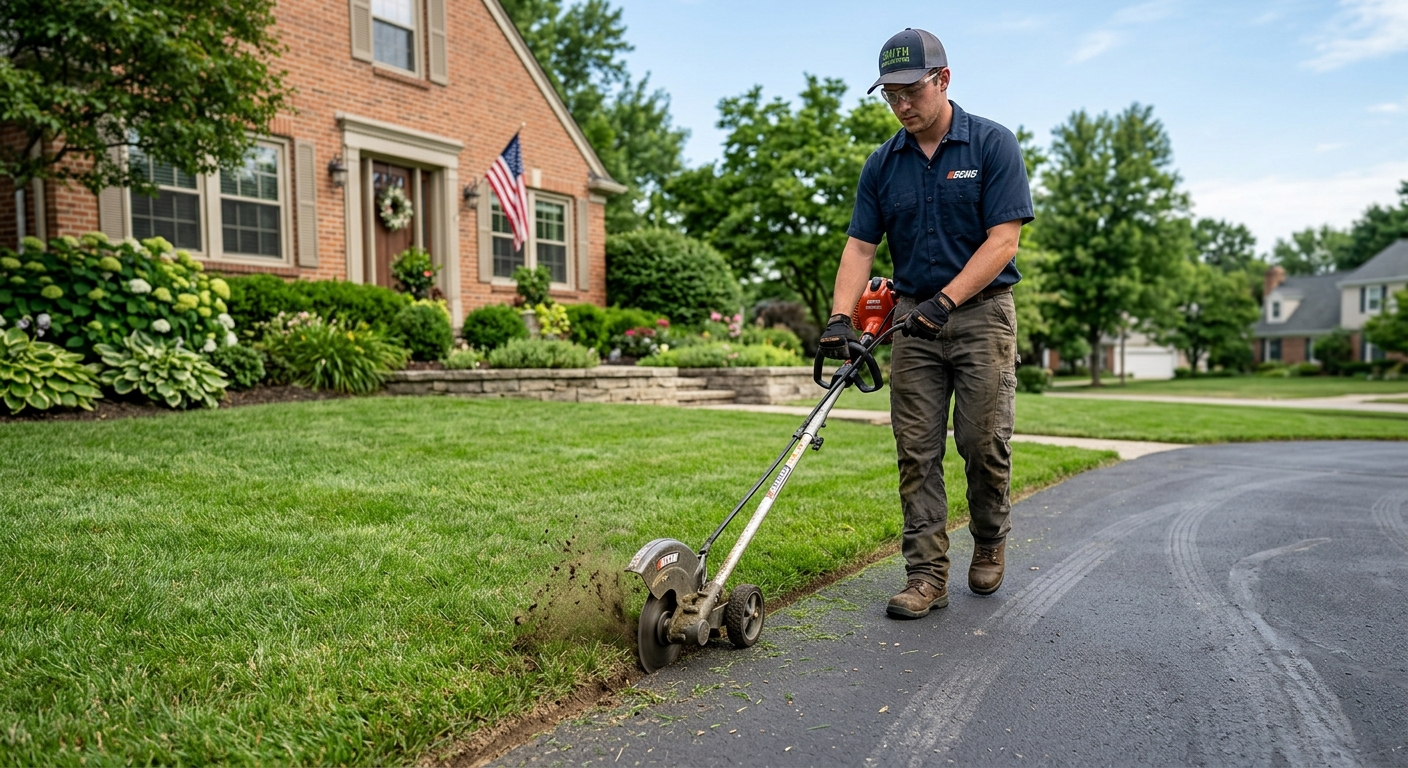
Landscaping options and costs in Six Mile
In Six Mile, landscaping decisions are strongly tied to the realities of a small community with active home upgrades. With a population of 1,031 (Statistics Canada, 2021 Census), local projects often revolve around repeat homeowners—especially in detached, yard-forward neighbourhoods—so contractor capacity and scheduling can tighten around peak spring and early fall planting windows. The Lower Mainland–Southwest context matters too: most of the area sits in plant hardiness zones 7–8, meaning you can grow a broader palette of broadleaf evergreens and long-blooming perennials, but you still pay close attention to drainage and freeze–thaw behaviour during winter wet spells.
Cost also reflects local competition and labour availability. In coastal BC, the longer working and growing season (often from early spring through late fall) can reduce schedule premiums compared with frost-prone regions—yet structural items like patios and retaining walls can still push costs because proper base depth, compaction, and drainage are required to prevent frost heave and future wall movement on sloped lots common throughout the area.
Where this trade is especially in demand tends to be around higher-turnover family home areas near major commuting routes and older, established properties where owners want curb appeal refreshes without risky drainage problems. If you’re comparing quotes, the fastest way to align expectations is to look at typical project bands by service type—so below is a practical comparison table to guide your next conversations.
| Service |
Description |
Season |
Price Range |
| Full landscape design and installation |
Site visit, layout + planting plan, grading/drainage coordination, soil prep, plants, and installation of hardscape/softscape as selected |
Spring–Fall (most common); select winter work for drainage planning |
$10,000–$45,000 |
| Sod installation (supply, grade, lay, roll) |
Remove debris, grade to remove low spots, topsoil/compost amendments as needed, install sod, roll and first watering schedule |
Late March–November (weather permitting) |
$3,000–$7,500 |
| Lawn seeding (grade, seed, starter fertilizer) |
Minor grading, seed + starter fertilizer, light raking/rolling, and establishment watering guidance |
Early spring to early fall |
$2,000–$5,000 |
| Interlocking patio or walkway |
Excavate, base prep (compaction + drainage), sand bedding, pavers/edgers, and jointing; optional steps |
Spring–Fall (best for compaction and curing) |
$8,000–$35,000 |
| Retaining wall (interlocking block) |
Excavation, engineered-style base build (as required), drainage gravel/weep components, block wall and backfill |
Spring–Fall; rain management important |
$12,000–$60,000 |
| Tree and shrub planting |
Soil amendments, planting holes, staking (where needed), mulch rings, and initial watering plan |
Spring–Fall (protect during cold snaps and wet weeks) |
$1,500–$12,000 |
Prices are estimates only and vary by project scope, site access and material selection.
What affects the price of landscaping in Six Mile
In Six Mile and the wider Lower Mainland–Southwest, quotes for the “same” landscaping project can differ by 30–50% across BC and other parts of Canada because labour rates, material costs, and seasonal scheduling change what contractors can realistically deliver. In Ontario’s zone 5–6 and many Prairie areas, contractors often face shorter frost-free windows and higher constraints, so the same scope may be compressed into fewer workable days. That can drive up daily labour cost and push homeowners toward low-maintenance drought-tolerant planting. In Southern Ontario you may also see higher summer irrigation costs during dry spells, while in Prairie cities winter protection and short working seasons can extend lead times.
Back in the Lower Mainland–Southwest (zones 7–8), the working season is longer, which usually helps keep softscape planning efficient. However, coastal conditions still require drainage discipline because wet winters and heavy rainfall can saturate soils. That influences your cost in two ways: (1) drainage/grading work gets priced carefully, and (2) soil stays workable longer, but you must still manage compaction and runoff paths to protect foundations.
Two concrete examples that commonly move budgets in Six Mile: if your backyard slopes toward the house, correcting grading and adding a drainage bed or French drain can add thousands of dollars to a project that might otherwise sit in a $5,000–$15,000 softscape band. If you’re replacing lawn with sod on a 500–800 sq ft area with high-quality topsoil and edging, the lawn line item can quickly jump into the $3,000–$7,500 range. With many older homes in established neighbourhoods, mature shrubs may be larger and require more labour to transplant or remove—often adding cost before new planting begins.
| Price Factor |
Why It Matters |
Cost Impact |
| Yard size in sq ft — the primary cost driver for softscape |
More area means more labour hours for prep, planting, and topsoil/seed/sod coverage |
Major; often the biggest driver |
| Grading and drainage work — slope corrections add significant cost |
Lower Mainland–Southwest soils can stay wet; fixing low spots protects foundations and prevents pooling |
Medium-to-major (+$2,000 to $15,000 typical) |
| Drainage bed or French drain installation |
Requires excavation depth, proper perforated pipe placement, gravel, and routing to an approved discharge area |
Major (+$3,000 to $20,000 typical) |
| Plant material tier — native shrubs vs. ornamental vs. mature specimen trees |
Mature trees cost more, take longer to handle, and may need larger planting pits and extra soil amendments |
Medium to major |
| Hardscape vs. softscape ratio — walls and patios cost more per sq ft than lawn |
Hardscape needs deeper base prep, compaction, and heavier materials |
Major if adding pavers/retaining |
| Irrigation system design and installation |
Efficient coverage (especially drip and smart controllers) reduces waste but requires layout, pressure checks, and programming |
Medium (+$1,500 to $8,000 typical) |
| Soil amendment and topsoil required |
Heavy clay or compacted soils may need compost, aeration, and correct soil depth to support roots |
Medium |
| Tree removal or stump grinding before new planting |
Permits may not be needed, but access, stump size, and disposal time affect labour and equipment costs |
Medium (+$500 to $6,000 typical) |
Permits & regulations in British Columbia
In British Columbia, most homeowners are surprised by how much landscaping can be done without permits. Typically, planting, sodding, and the majority of “softscape” work (soil topdressing, planting holes, mulch, and standard walkway/patio build-outs under local thresholds) generally does not require a permit. Where permits commonly enter the picture is structural work—especially retaining walls above the local threshold (often 1.0 m or about 3.3 ft in many municipalities), and projects that change drainage patterns. If you alter lot grading in a way that affects how water flows toward neighbouring properties or into storm connections, you may need municipal approval and you should discuss that during the quoting stage.
Before any digging, always arrange utility locates. That applies to planting beds and tree holes just as much as it does to wall footings or drain lines—hitting buried services is a costly mistake.
For Six Mile homeowners verifying a contractor in British Columbia, check three things step-by-step: (1) licensing/registration where applicable for the scope (use the appropriate online registry for the contractor’s business information), (2) liability insurance certificate—request a COI showing the address/project name if possible, and confirm coverage limits are appropriate for hardscape excavation and wall work, and (3) coverage for workplace injury—BC-specific workplace coverage proof should be provided as a clearance letter or equivalent documentation. If a contractor can’t supply these documents promptly, treat it as a major red flag before signing any agreement.
Planning a landscape that thrives in Six Mile's climate
To plan a landscape that thrives in Six Mile, you design for the zone and season you actually have—not an imagined “dry summer” yard. With Lower Mainland–Southwest conditions largely in plant hardiness zones 7–8, you can use a richer mix of broadleaf evergreens and long-blooming perennials, but wet winters make drainage non-negotiable. I recommend working from the frost calendar: late winter wet weeks can saturate soils, so grading for runoff and foundation protection should be handled first, before you spend on plants.
Plant selection should favour zone-appropriate and native-forward species that can handle cooler winters with minimal winter protection. For turf, decide between sod and seeding: sod gives instant curb appeal and erosion control, but it typically costs about 3–4x more per square foot than seeding once you include prep and materials. If you need a fast, clean lawn for a visible front yard, sod can be worth it; if you can wait a little longer for establishment, seeding is usually the better value.
Drainage and grading matter especially near foundations and on sloped lots, and hardscape base prep must be built for freeze–thaw conditions. Even in coastal BC, bases still need proper depth, compaction, and drainage layers so patios and wall footings don’t shift.
For low-maintenance design, lean into groundcovers, mulched shrub borders, and perennial structure rather than thin, high-maintenance annuals. Many yards also benefit from rain-garden elements or xeriscape-style planting beds where you can route downspout runoff—this can reduce routine watering needs while keeping the landscape lush. A practical example: if a 600 sq ft sod install budget is about four times a seeding approach, you might not “save” money—but you can justify the premium when instant coverage prevents muddy traffic and improves curb appeal during listing season.
| Element |
Climate Consideration |
Maintenance Level |
Price Band |
| Sod lawn installation |
Works well in the long season of zones 7–8; avoid heavy rain days to prevent displacement |
Low-to-medium (initial watering and establishment care) |
$3,000–$7,500 |
| Native perennial garden |
Designed for local rainfall and winter wet; less stress in mild coastal winters |
Low (seasonal cleanup, occasional divide/replenish) |
$1,500–$6,500 |
| Mulched shrub border |
Mulch buffers winter moisture swings and suppresses weeds through wet periods |
Low (re-mulch and targeted pruning) |
$2,000–$7,500 |
| Interlocking stone patio |
Needs proper base drainage to handle wet winters and freeze–thaw cycles |
Low (wash/joint maintenance if needed) |
$8,000–$35,000 |
| Retaining wall (block) |
Requires drainage gravel/weep strategy for heavy-rainfall saturation |
Low (periodic inspection of drainage outlets) |
$12,000–$60,000 |
| Drip irrigation system |
Better water efficiency during any tightening of municipal water-use rules |
Medium (seasonal check, controller updates) |
$1,500–$8,000 |
How to choose a landscaping contractor in Six Mile
Choosing the right contractor in Six Mile means verifying the basics before you compare pricing. First, confirm British Columbia licensing/registration for the scope being quoted (and ensure the company’s name matches the documents you receive). Next, request liability insurance and review the certificate of insurance for active coverage and adequate limits—this matters most for excavation, paver base work, and retaining wall builds. For workplace injury coverage, ask for proof of workplace coverage documentation (often provided as a clearance letter or coverage confirmation). If they can’t supply these documents quickly, it’s usually a sign they don’t manage risk properly on site.
Then get 2–3 itemised written quotes. A good quote breaks labour and materials down clearly: excavation and haul/disposal, base layers, drainage components, soil amendments, plant material grades, and irrigation supplies (if included). Avoid lump sums without scope detail—two contractors can quote the same “$20,000 patio” but one may include the correct base depth and compaction checks while the other does not.
Read exclusions carefully: is permit pulling included (if required), is disposal/haul-away included, and are site protections included? Ask about warranty—both workmanship (how many months or years) and product/manufacturer warranty, and whether the warranty transfers to you. Payment schedule should be conservative: never pay more than 10–15% upfront, and ask to hold back a portion until the final walkthrough and punch-list items are complete. Finally, insist on timeline details in writing: start date, weather contingencies, and a target completion estimate.
- Verify licensing/registration for the exact scope being quoted
- Request COI for liability insurance before signing
- Confirm workplace coverage proof/clearance for the crew
- Demand itemised labour + materials (not just a total)
- Ask what’s included for drainage/grading and base compaction
- Confirm topsoil/soil amendment type and minimum depth
- Clarify disposal/haul-away of sod, debris, and over-excavation
- Get written details on erosion control during wet weeks
- Ask who supplies plants (native/local sourcing options)
- Confirm warranty length for workmanship and products
- Use a staged payment schedule with a holdback for completion
- Get a written start date, completion window, and weather plan
Concrete red flags I see in Six Mile: vague “allowance” pricing with no quantities, refusal to provide insurance/work coverage documents, no mention of drainage/base preparation details, unrealistic schedules that ignore wet winter weeks and site curing needs, and quotes that don’t clearly state what happens if frost heave or settlement reveals gaps after installation.
Frequently asked questions — landscaping in Six Mile
What trees grow best in Six Mile's climate zone?
In Six Mile and the broader Lower Mainland–Southwest (zones 7–8), many homeowners do well with broadleaf options that tolerate mild winters and wet seasons. Typical “safe bets” include serviceberry (Amelanchier) for multi-season interest, Japanese maple cultivars for filtered shade yards, and evergreen structure such as hemlock or suitable native-style evergreens depending on light conditions. If your soil stays wet in winter, choose trees that handle moisture but also ensure proper drainage around the root zone—this is where costs and success often hinge. When planning, also consider mature size so roots won’t conflict with foundations. Ask your contractor to match tree spacing to your final footprint and to specify how they’ll stake and protect young trees during spring wind and winter wet weeks. (Statistics Canada, 2021 Census)
How much does sodding a yard cost in Six Mile?
In Six Mile, sod pricing depends mainly on yard size, grade corrections, and how much topsoil or compost you need before the rolls go down. For typical residential front or side-yard areas, you’ll usually see totals in the $3,000–$7,500 range for supply, grading, and installation (not counting major drainage reconstruction). Sod is usually pricier than seeding because prep must be tight for roots to knit and because you’re paying for the sod itself plus labour to lay and roll it. If your yard has low spots or needs drainage work, that can move the project budget upward quickly—sometimes into the broader hardscape/softscape planning band depending on what else is corrected. Plan for weather: sod installation is best when you can manage runoff and avoid long heavy-rain periods common in coastal BC winters.
How do I prevent weeds in my Six Mile garden?
Weed prevention in Six Mile starts with the foundation: soil prep and a proper mulch layer. Before planting, ask your contractor to remove persistent weeds and loosen compacted soil, then add compost/topsoil so plants establish quickly and shade out weed seedlings. A mulched shrub border typically works best when you keep mulch depth consistent and avoid piling it against stems. Landscape fabric can be useful in limited situations, but in many gardens it traps moisture and complicates long-term plant health—so a better approach is often deeper mulch, correct spacing, and targeted pre-emergent strategy where appropriate. Drainage also affects weeds: pooling areas tend to attract more aggressive growth. If your property has downspout runoff or low spots, fix grading first so you’re not fighting weeds and water at the same time. For recurring maintenance, budget for spring spot-weeding and an autumn mulch refresh.
How do I design a low-water yard in Six Mile?
Even though Six Mile is in coastal BC where lawns can remain greener than in dry interior regions, low-water design still helps with efficiency and future water-use tightening. Start by reducing lawn area and replacing it with mulched shrub borders, native perennial beds, and groundcovers that stay consistent through wet winters and cool summers. Use drip irrigation with a smart controller rather than sprinklers—this improves coverage accuracy and avoids wasting water in non-plant areas. Consider a rain-garden or bioswale approach where downspouts can be routed; it captures rain during heavy weeks and reduces runoff-driven erosion. For turf choices, seeding is often more water-efficient long-term than repeated sod renewals, provided you establish correctly. If your quote includes irrigation, make sure the design is zone-specific and matches soil type so you’re not overwatering clay patches. You can still keep curb appeal lush while cutting routine watering demands.
How do I find a licensed landscaper in Six Mile?
To find a licensed landscaper in Six Mile, start by requesting documentation before you compare prices. Ask for proof of the contractor’s business licensing/registration relevant to your scope, along with a current certificate of liability insurance (COI) and workplace injury coverage proof/clearance documentation. Then verify details: confirm the names on the paperwork match the contractor you’re hiring and that coverage is active for the project duration. Next, ask for 2–3 itemised quotes that separate labour and materials; a reputable contractor will clearly state excavation, base preparation, drainage components, disposal, and plant grades. Finally, check references for similar work—patios and retaining walls should show examples of drainage and base build quality, not just surface finish. If a contractor can’t provide insurance/work coverage proof or provides only a lump-sum estimate without scope detail, treat that as a serious risk.
How much does landscaping cost in Six Mile?
Landscaping costs in Six Mile vary widely based on what you’re changing—softscape upgrades are generally more predictable than structural hardscape. For a typical range, many homeowners land somewhere within the design-and-install spectrum of $10,000–$45,000 for full projects that combine planting, grading/drainage coordination, and at least one major feature (like a patio or a retaining wall). For simpler lawn work, sod projects often fall into roughly $3,000–$7,500, while interlocking patios and walkways commonly run higher due to base prep and compaction. If you’re adding a retaining wall, costs commonly move toward the $12,000–$60,000 range depending on height, drainage requirements, and site access. In coastal BC, long seasons can help with scheduling, but wet soils and freeze–thaw cycles still mean drainage and base work must be done correctly. Get itemised quotes so you can compare like-for-like scope.