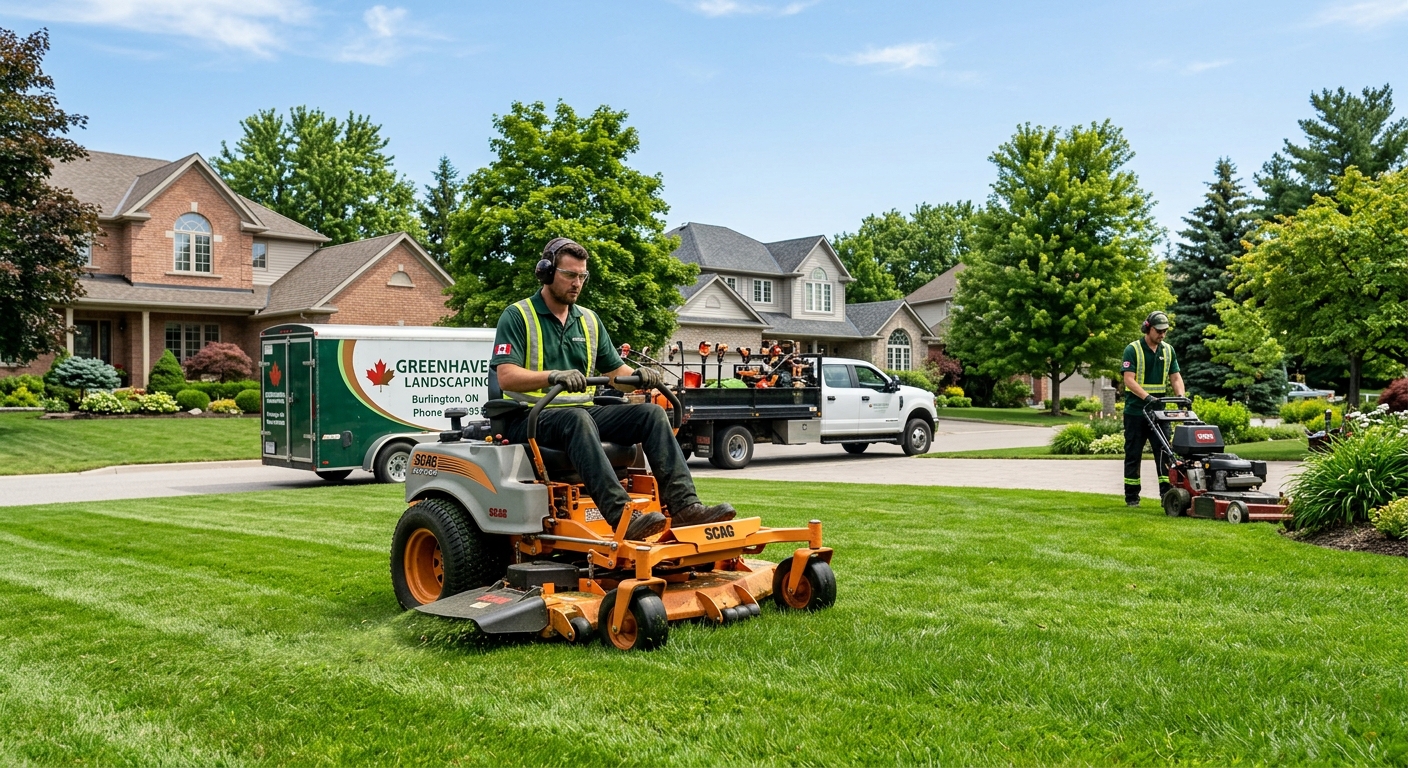
Landscaping options and costs in Tofino
Tofino is where people invest in their yards for comfort, privacy, and that “arrives-at-the-cabin” feel—especially because many neighbourhoods are dominated by detached homes (50.8% of dwellings are single-detached) and a strong share of households are owner-occupied (52.9% of households own). With that kind of stability, you’ll typically see homeowners updating landscaping in waves rather than quick “flip” makeovers. On Vancouver Island and the Coast, mild coastal hardiness zones (7–9) and a longer working season help contractors plan year-round, so costs often reflect thoughtful planting and multiple project phases instead of rushing in a short window. That said, coastal wet winters and freeze–thaw comfort do not remove the need for proper drainage and base prep—soggy subgrades and pooling can drive up labour and material costs during a project.
In Tofino, demand is especially strong around the North Chesterman’s / Cedar Street area, where properties tend to have limited access for equipment and yards are often close to walkways and fences—meaning crews spend more time protecting surfaces and moving materials. If your home is older (25.9% of homes built before 1981), existing grades and landscaping may need correction, which can add to grading, drainage, and topsoil costs.
Below are typical, itemised price bands you’ll see when comparing quotes for common landscaping scopes in Tofino. Use these ranges to sanity-check what you’re being offered, then align your scope details (access, drainage requirements, plant quality, and irrigation) before signing.
| Service |
Description |
Season |
Price Range |
| Full landscape design and installation |
Site assessment, planting plan, grading/drainage approach, and full build (hardscape + softscape + irrigation where needed) |
Early spring to late fall |
$5,000–$40,000 |
| Sod installation (supply, grade, lay, roll) |
Minor grading, soil prep, sod supply and installation with rolling and starter topdressing if specified |
Late spring to early fall |
$1,500–$8,000 |
| Lawn seeding (grade, seed, starter fertilizer) |
Final grading, seed mix, starter fertiliser, and initial watering schedule guidance |
Spring to early fall |
$1,500–$6,500 |
| Interlocking patio or walkway |
Excavation, compaction, base layers, edging, and interlocking stone installation |
May to October |
$4,000–$18,000 |
| Retaining wall (interlocking block) |
Wall layout, base prep and compaction, block installation, drainage provision behind wall |
May to October |
$4,000–$60,000 |
| Tree and shrub planting |
Soil amendment, planting, staking as required, mulching, and watering plan setup |
Spring to fall (best establishment in mild months) |
$800–$15,000 |
Prices are estimates only and vary by project scope, site access and material selection.
What affects the price of landscaping in Tofino
In Vancouver Island and the Coast, you can see the same “look” of a yard quoted 30–50% apart because Tofino landscaping is really a blend of design decisions, excavation realities, and how well drainage and soil conditions are handled. The coastal plant hardiness zones (7–9) and relatively mild frost help crews work longer, but what grows still depends on proper soil prep and correct species selection. Across BC and beyond, plant selection and the working season shift: Prairie regions (Zone 2–4) have short growing seasons and drought/wind stress, so contractors lean into hardy, drought-tolerant choices and may need different timing; retaining wall base depth must reach below the frost line in colder areas. Coastal BC (Zone 7–8) supports lush, mixed palettes with broadleaf evergreens, ornamental grasses, and four-season structure, yet wet winters mean drainage design becomes a cost driver instead of an afterthought. Water restrictions in the dry BC interior can shape irrigation design with drip systems and smart controllers, and even in wetter coastal climates, exposed or south-facing pockets still benefit from efficient irrigation.
Concrete examples that raise or lower cost in Tofino: (1) a sloped front yard or shoreline-adjacent grade often requires more excavation for drainage—adding to the “retaining walls & hardscaping” band that can run up toward $4,000–$60,000 when structural work is involved; (2) if your home was built before 1981 (25.9% of stock), older landscaping frequently has compacted soils or mismatched grades, which can mean additional topsoil and re-grading before planting or sod goes in. On the other hand, a smaller, accessible, flat site with a simple planting palette may fit closer to the $5,000–$40,000 mid-range “design & installation” budget because labour is lower and fewer drainage corrections are required.
| Price Factor |
Why It Matters |
Cost Impact |
| Yard size in sq ft — the primary cost driver for softscape |
More area means more soil preparation, more planting material, and more labour hours |
Low to high; often the biggest variable between quotes |
| Grading and drainage work — slope corrections add significant cost |
Pooling and uneven grades require cut/fill, hauling, and re-compaction for stability |
Can push projects up by 10%–30% depending on access and slope |
| Drainage bed or French drain installation |
Collects and redirects subsurface water to prevent foundation moisture and soft soils |
Medium to high; material + excavation depth drive pricing |
| Plant material tier — native shrubs vs. ornamental vs. mature specimen trees |
Size at installation changes both cost and establishment requirements (and sometimes staking) |
Low to high; mature specimens are the biggest swing factor |
| Hardscape vs. softscape ratio — walls and patios cost more per sq ft than lawn |
Stone, base layers, edging, and structural elements increase material and labour intensity |
Medium to very high on wall-and-patio-heavy projects |
| Irrigation system design and installation |
Drip lines, valves, backflow prevention (where required), and controller programming add cost |
Medium; typically higher on complex, multi-zone layouts |
| Soil amendment and topsoil required |
Poor native soils often need compost, amendments, and imported topsoil for rooting |
Low to high; depends on excavation findings |
| Tree removal or stump grinding before new planting |
Removals add equipment time, disposal, and surface restoration before new beds |
Medium to high; can also affect drainage and layout |
Permits & regulations in British Columbia
In British Columbia, most typical home landscaping—planting beds, sodding, and most softscape work—usually does not require a permit. Where permits commonly come into play is in retaining walls above the local height threshold (often around 1.0 m / 3.3 ft in many municipalities), and in situations that alter drainage patterns. If your retaining wall requires a permit, you may also see requests for engineering or engineered drawings depending on height, soil conditions, and loading. Similarly, major lot grading changes that redirect runoff toward neighbouring properties or connect to storm systems may trigger approval requirements.
Practical “before you dig” steps matter in Tofino: call for utility locates before digging planting holes, trenches for drains, or wall footings. Even if your yard looks clear, services can be routed under lawns, along edges, or near older infrastructure.
To verify your contractor in BC, use a step-by-step approach: (1) confirm they hold the appropriate British Columbia licence(s) for their trade scope and that the business name matches the quote; (2) ask for a certificate of insurance and check that it includes general liability for your work site; (3) for worker coverage, request proof of WSIB/WCB coverage (the contractor should provide documentation showing coverage is active); and (4) if required for your specific scope, ask whether they can provide a clearance letter. If a contractor can’t provide these items quickly, treat it as a project-risk signal.
Planning a landscape that thrives in Tofino's climate
To plan a landscape that thrives in Tofino, aim for designs that cooperate with the coastal hardiness zone (7–9), the region’s frequent precipitation, and a frost calendar that supports steady establishment. Start with plant selection: use native and zone-appropriate species so they handle winter wet without excessive watering or special protection. For lawns, decide between sod and seed based on timelines and budget. Sod gives instant visual results and stabilises soil quickly, but it typically costs about 3–4x more per sq ft than seeding once you include grade prep and labour. Seeding can be a great value if you’re willing to manage early growth and watering during germination.
Next, protect your property with drainage and grading. On Vancouver Island and the Coast, pooling can lead to foundation moisture and plant failure, so grading that directs water away from structures, plus drainage beds or French drains where needed, should be treated as part of the landscape—not separate maintenance. If you’re adding hardscape like patios or retaining walls, pay close attention to base preparation. Even with gentler coastal frost, proper excavation depth, compaction, and drainage behind walls reduce settlement and heaving risk.
Finally, choose low-maintenance strategies: mulched shrub borders, groundcovers, and perennial structure keep the yard attractive with fewer seasonal chores. Where water context matters (exposed sites and south-facing pockets), consider rain-garden elements and efficient drip irrigation zones.
Dollar example: swapping a sod lawn installation for a seeded lawn can move a project from the higher $1,500–$8,000 sod band down toward a lower seeding budget (often within $1,500–$6,500 depending on site prep). That difference can be justified when you reinvest in drainage correction or a better planting palette.
| Element |
Climate Consideration |
Maintenance Level |
Price Band |
| Sod lawn installation |
Quick establishment on wet/coastal soils; still needs grade control to prevent pooling |
Medium in year one (watering/roller checks), lower after rooting |
$1,500–$8,000 |
| Native perennial garden |
Zone-appropriate plants handle coastal winters and reduce risk of transplant shock |
Low to medium (mulch refresh and seasonal cleanup) |
$800–$15,000 |
| Mulched shrub border |
Mulch buffers heavy rainfall impacts and supports stable soil moisture in winter/spring |
Low (weed suppression and periodic edging/refresh) |
$800–$12,000 |
| Interlocking stone patio |
Base preparation and drainage slope help prevent settlement during wet months |
Low (occasional joint/edge maintenance) |
$4,000–$18,000 |
| Retaining wall (block) |
Drainage behind wall and stable base reduce winter water pressure and movement |
Low once built correctly |
$4,000–$60,000 |
| Drip irrigation system |
Efficient watering for exposed areas; supports smart scheduling in mixed coastal conditions |
Medium (seasonal checks, controller updates) |
$1,500–$7,500 |
How to choose a landscaping contractor in Tofino
Choosing the right contractor in Tofino is less about flashy photos and more about proof. Start by verifying British Columbia licensing that matches the scope they’ll perform. Ask for their certificate of insurance and confirm the policy is active and covers your project for liability. Then request proof of WSIB/WCB coverage for workers—this matters because even small landscaping jobs involve excavation, lifting, and working around hard surfaces.
Next, get 2–3 itemised written quotes that break labour and materials out separately (not just one lump sum). A good quote spells out what’s included: site protection, excavation limits, base prep thicknesses, disposal, soil/topsoil quantities, edging, and whether irrigation is part of the scope. Pay attention to exclusions like “tree removal not included,” “drainage by others,” or “rock disposal extra.” Also confirm whether a permit (if required for a retaining wall above the local threshold or major drainage-related grading changes) is included or the homeowner is responsible for pulling it.
For warranty, ask for workmanship warranty length, product/manufacturer warranty details, and whether warranties transfer if you sell. Keep payments controlled: never pay more than 10–15% upfront and hold back a portion until the job is complete and cleaned up. Finally, get a written start date and a realistic completion estimate—coastal seasonality is real, and crews often plan around weather windows.
- Provide BC licence information that matches the work in the quote.
- Show active general liability insurance certificate for your project address.
- Provide WSIB/WCB coverage documentation for workers.
- Quote is itemised: labour, materials, and equipment/rental line items.
- Scope includes disposal/haul-away (or states it clearly as an add-on).
- Drainage plan is described (catch basins, French drains, grading slopes) when relevant.
- Hardscape includes base preparation and compaction requirements (not just “stone laid”).
- Plant list includes sizes (e.g., container size) and quantity, not vague “assorted shrubs.”
- Confirm irrigation scope: supply, install, zoning, and controller programming.
- Warranty: workmanship duration, what it covers, and how to request service.
- Payment schedule aligns with your risk comfort (≤10–15% upfront; holdback at completion).
- Written start date and completion timeline, with weather contingencies noted.
Concrete red flags in Tofino: (1) no licence/insurance proof when requested; (2) quotes that omit drainage grading details yet price retaining walls or large patios; (3) lump-sum pricing with no itemisation of materials and base preparation; (4) requesting large upfront payments; and (5) vague “we’ll deal with it later” language around permits or disposal.
Frequently asked questions — landscaping in Tofino
Do I need a permit for a retaining wall in British Columbia?
In British Columbia, many typical landscaping tasks (planting and most softscape) generally don’t require a permit, but retaining walls often do when they exceed the local height threshold—commonly around 1.0 m (3.3 ft) in many municipalities. The exact threshold and requirements depend on your locality and the wall’s design. If your wall changes drainage patterns, affects runoff direction, or involves soil/structural considerations, you may also need additional review or engineered input. For Tofino homeowners, the practical step is to ask your contractor to clearly state whether the wall height and design trigger permitting and who will handle it. Before digging, confirm utility locates for wall footings and drainage provisions.
As a budgeting reference, many interlocking block walls fall within $4,000–$60,000 depending on height, drainage complexity, and site access.
How do I improve drainage in my yard?
Improving drainage starts with understanding where water goes when it rains—especially in Tofino, where wet winters can reveal weak grades and compacted soils. A contractor should assess the slope relative to your house, look for pooling areas, and evaluate whether water is coming from surface runoff or subsurface seepage. Common solutions include regrading the lawn so runoff moves away from foundations, installing a drainage bed or French drain, and adding controlled outlets that don’t dump onto neighbouring properties. You may also need soil amendment and proper compaction so the base doesn’t stay soft. If you’re doing hardscape, drainage slope under patios and base layer design are critical.
If irrigation is part of your plan, ensure drainage and irrigation aren’t fighting each other—drip zones should be scheduled so they don’t keep soils overly saturated.
What is xeriscaping and does it suit Tofino?
Xeriscaping is landscaping designed to reduce water use by selecting drought-tolerant plants, improving soil structure, and using efficient watering methods like drip irrigation. It can suit parts of Tofino, particularly exposed areas or south-facing pockets where drying can still happen despite the coastal climate. However, xeriscaping isn’t only “no-water landscaping”—it’s the smarter use of water, often paired with mulch, groundcovers, and soil amendments that hold moisture evenly. For many Tofino yards, a “coastal xeriscape-lite” approach works well: native perennials, ornamental grasses, and rain-garden elements that capture and slow water rather than fight it. This keeps the yard resilient through both wet periods and any drier stretches.
When you’re replacing sod, seeding vs sod can shift costs too; sod projects typically sit in the $1,500–$8,000 band, while seeding may be lower depending on prep.
How do I plan a low-maintenance yard?
A low-maintenance yard in Tofino starts with selecting plants that match the coastal hardiness zone (7–9) and your site’s sun and moisture patterns. Build the “structure” first—mulched shrub borders, native perennial beds, and groundcovers that shade soil to reduce weeds. Use edging and a consistent mulch layer to cut annual weeding. Plan irrigation only where it’s needed and consider drip systems with smart controllers to avoid overwatering in wet seasons. For lawns, if you want the cleanest look with less rework, sod gives instant coverage but can cost more; seeded lawns can be a value move if you’re comfortable with early establishment care. Also, design drainage so beds aren’t constantly soggy or stressed—healthy plants reduce maintenance.
If you’re budgeting for a full refresh, many homeowners look at overall landscape design and installation in the $5,000–$40,000 range depending on hardscape and drainage complexity.
How deep should a retaining-wall base be for local frost?
In coastal BC like Tofino, freeze–thaw cycles are typically gentler than interior regions, but frost is still a consideration. The base depth requirement depends on the wall design, block system, soil type, and whether drainage is properly installed behind the wall. Contractors generally follow system guidelines and local engineering/engineering-not-required practice where applicable, ensuring the foundation and base are compacted and that drainage reduces frost heave risk. The key is that retaining walls need a stable, well-compacted base and proper drainage behind the wall—not just “more concrete” or guesswork. If you’re building near structures or on a slope, get specific guidance from your contractor and confirm whether a permit or engineering involvement is triggered.
Budget-wise, retaining walls can range widely; interlocking block wall projects commonly fall within $4,000–$60,000 depending on height and site conditions.
How much does professional landscape design cost?
Professional landscape design in Tofino is usually priced as part of a broader design-and-install package, or as a standalone design fee depending on the contractor and whether you’re building immediately. In many typical homeowner projects, the “full design & installation” budget ranges around $5,000–$40,000, and that overall number reflects both design work and the build itself (grading, planting, and often hardscape and irrigation where needed). If you only want a planting plan, costs can be lower, but your quote should clearly state what the design includes (site visit, measurements, planting palette, irrigation notes, and revisions). Because Tofino properties can have tricky drainage, a good design is worth it when it helps avoid expensive rework later—especially on yards with older grading or sloped access.