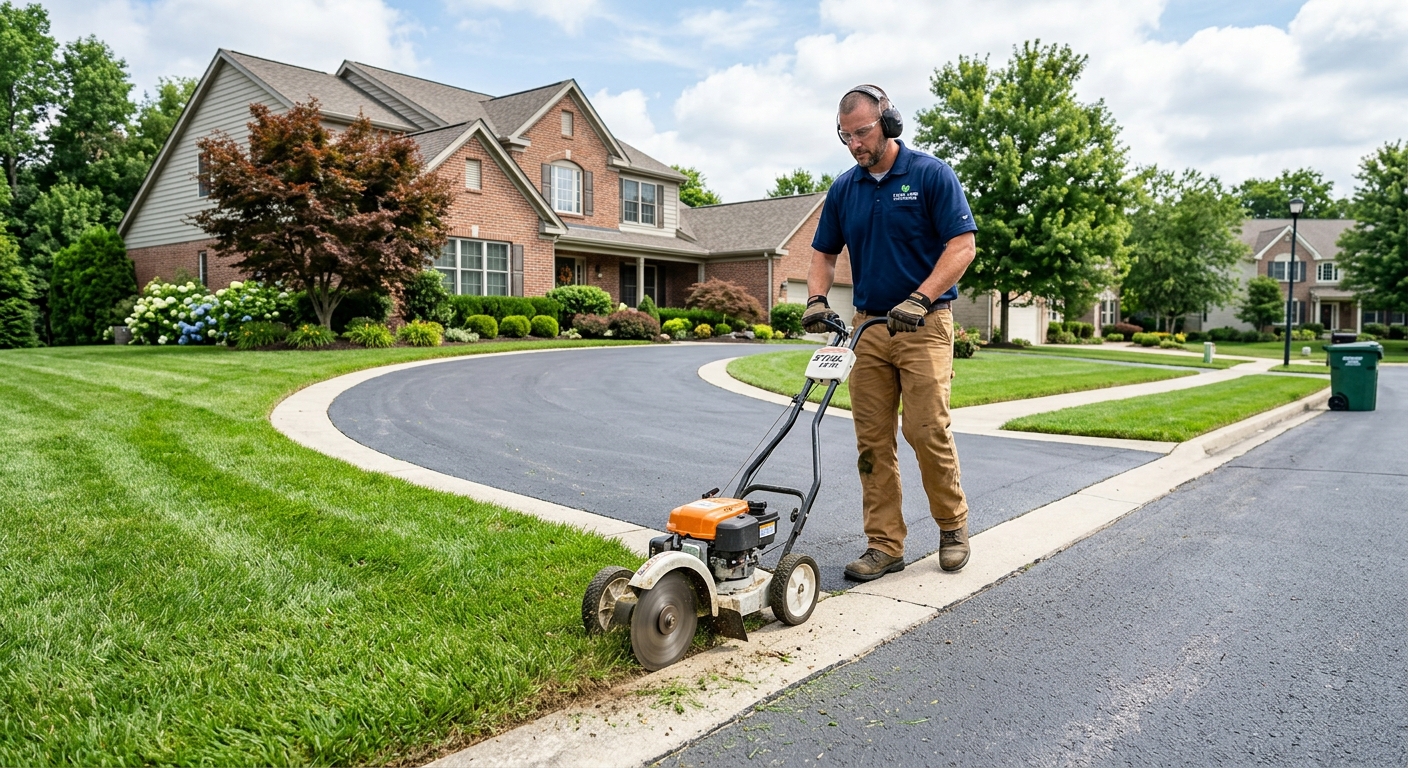
Landscaping options and costs in Walpole Island
Walpole Island, Ontario is a small community (1,878 residents as of the 2021 Census, Statistics Canada) where many homeowners invest in their yards because detached properties typically have the space to do it—and the landscape quickly affects day-to-day comfort and curb appeal. In a community this size, contractor capacity can be tighter than the GTA core, so scheduling (especially spring) can influence the final price even when the scope is the same. Toronto-area landscaping costs are also shaped by local soil and climate: hard freezes and repeated freeze–thaw cycles drive up the need for deeper bases, proper drainage, and stable granular layers for any concrete/stone work.
In Walpole Island, trade demand tends to rise around the main residential corridors where homeowners want reliable results before winter—most often for driveway tie-ins, patio upgrades, and fresh garden beds near entrances. The Toronto regional market usually plans around a roughly May-to-October install window, and that reality affects labour availability and the amount of onsite work that can be completed in-season. If your project depends on excavation, subdrains, or soil amendment (common with heavier clay/fill soils), that can add both time and hauling/disposal costs. For a quick sense of typical budgets, many projects fall within the broader Toronto-area bands for design/installation, lawn work, and hardscaping. Use the table below to compare service lines and seasonal timing before you collect itemised quotes.
| Service |
Description |
Season |
Price Range |
| Full landscape design and installation |
Onsite measurement, concept + layout, grading plan (if needed), plant list, materials take-off, softscape and hardscape build-out |
Spring to early fall (May–October) |
$8,000–$40,000 |
| Sod installation (supply, grade, lay, roll) |
Minor grading, topsoil/compost if needed, sod delivery, laying pattern, rolling and watering plan |
Late spring to early fall (best May–June, then August–September) |
$2,500–$8,000 |
| Lawn seeding (grade, seed, starter fertilizer) |
Light grading/seed bed prep, seed selection, starter fertilizer, protection/watering guidance |
Spring or early fall |
$1,800–$6,000 |
| Interlocking patio or walkway |
Excavation, base and compaction, bedding sand, pavers, edging and joint sand |
Spring to fall |
$6,000–$22,000 |
| Retaining wall (interlocking block) |
Block wall layout, excavation and compacted base, geogrid/footings as required, drainage consideration |
Spring to early fall |
$6,000–$30,000 |
| Tree and shrub planting |
Soil prep, planting holes, amendments, staking (as needed), mulch ring and initial watering plan |
Spring and fall |
$800–$6,000 |
Prices are estimates only and vary by project scope, site access and material selection.
What affects the price of landscaping in Walpole Island
In Walpole Island and the wider Toronto area, two homeowners can receive very different quotes for what sounds like the same job—and it’s common to see swings in the 30–50% range. The main driver isn’t the “idea” of landscaping; it’s the realities of site conditions (soil, drainage, and access), the amount of excavation, and how much work is needed to build something that survives Ontario’s freeze–thaw cycles. In southern Ontario (roughly plant hardiness zones 6a–7a), we’re planning around the May-to-October growing window, so labour productivity and staging matter. Contractors also price risk: clay and fill soils may require extra soil amendment, deeper bases, and sometimes subdrains to prevent softscape settling and hardscape movement.
Climate matters across Canada, and that’s why pricing approaches differ. Prairie regions (zone 2–4) often need ultra-hard y, drought-tolerant species and simpler designs, plus the shorter season can limit installation time. Coastal BC (zone 7–8) supports longer growth and lush palettes, but drainage is still critical in heavy-rain pockets. Meanwhile, dry BC interior municipalities often push homeowners toward drip irrigation and xeric planting to meet water limits.
In Walpole Island, a few practical examples show how costs change: (1) If your property has low spots near foundations, we may add regrading and drainage bed work, which can add to your overall budget within the broader retaining wall/hardscaping band (often overlapping the $6,000–$30,000 range for walls). (2) If you’re choosing sod over seeding to get a faster green look, sod typically costs more per square foot—so a lawn project may shift from the lower end of softscape budgets toward the $2,500–$8,000 sod range. (3) Older housing lots sometimes have buried fill or compromised topsoil, increasing excavation and topsoil/top dressing requirements. Even with the same planting list, soil preparation can move labour time and hauling costs.
| Price Factor |
Why It Matters |
Cost Impact |
| Yard size in sq ft — the primary cost driver for softscape |
More area means more labour for prep, materials (soil/compost/seed or sod) and irrigation coverage |
Large swings, often the biggest variable (softscape per sq ft accumulates quickly) |
| Grading and drainage work — slope corrections add significant cost |
Pooling and foundation moisture issues require regrading and attention to outlet locations |
Can add a noticeable premium to the base landscape budget |
| Drainage bed or French drain installation |
Freeze–thaw performance depends on managing water below surfaces |
Moderate to high cost increase due to excavation, rock and piping |
| Plant material tier — native shrubs vs. ornamental vs. mature specimen trees |
Hardiness and size influence both plant cost and planting labour |
Low-tier upgrades can be budget-friendly; mature specimens raise totals quickly |
| Hardscape vs. softscape ratio — walls and patios cost more per sq ft than lawn |
Concrete/stone work demands deeper excavation, base materials and more skilled labour |
Higher ratio pushes projects toward the upper hardscaping design bands |
| Irrigation system design and installation |
Proper head placement avoids overwatering and supports lawn establishment in Ontario summers |
Typically increases project cost, but can reduce long-term failures |
| Soil amendment and topsoil required |
Clay and disturbed fill may need compost, topsoil lift and proper compaction |
Can materially change hauling/delivery and labour time |
| Tree removal or stump grinding before new planting |
Access, disposal and root interruption affect schedule and equipment needs |
Often a significant add-on if unexpected |
Permits & regulations in Ontario
For most typical yard improvements in Ontario, planting and softscape work does not require a permit. That generally includes sodding, lawn seeding, installing mulch beds, and planting trees/shrubs, because these are landscaping tasks that don’t usually involve structural retaining support. However, retaining walls can trigger permitting depending on height—commonly walls above about 1.0 m (3.3 ft) in many municipalities require a building permit, and engineered drawings may be requested for certain conditions.
Also, changes to lot grading that meaningfully alter how stormwater drains—especially if it redirects water toward a neighbouring property or toward a storm sewer connection—can require approval. Before anyone digs, you should also ensure utility locates are done. In practical terms: confirm locates before wall footings, drainage runs, or planting hole excavation. If your yard includes irrigation, check Ontario and local water-use rules and any watering restrictions that may apply during dry stretches (even though those restrictions are most strongly discussed in other provinces, Toronto-area municipalities commonly tighten watering during summer dry periods).
How to verify your contractor’s coverage and legitimacy in Walpole Island: (1) request their Ontario contractor information and check their standing via the appropriate online registry; (2) ask for a certificate of insurance showing liability coverage; (3) ask for proof of WSIB/WCB coverage (or a clearance letter where applicable); and (4) verify the certificate is active for the project dates. A reputable landscaper will provide these without pressure and will match their insurance details to the company name on the quote.
Planning a landscape that thrives in Walpole Island's climate
Designing a yard that performs in Walpole Island starts with working with Ontario’s plant hardiness expectations and the reality of frost. For the Toronto-area climate (roughly zones 6a–7a), your goal is winter survivability, drainage, and structure that won’t heave after freeze–thaw cycles. I recommend choosing native, zone-appropriate shrubs and perennials that tolerate cold lows and the humidity swings common in southern Ontario; this reduces the need for winter protection and helps keep maintenance manageable.
For lawn establishment, sod gives instant curb appeal, but it costs more than seeding. In practice, sod can be about 3–4x the cost per square foot compared with seeding, and it can push a modest lawn refresh into the $2,500–$8,000 sod band more quickly. Seeding is the smarter choice when you can plan for a slower green-up and you’re okay with a bit more early-season care. Where drainage is poor, either approach may struggle unless we fix grade first—otherwise you’ll pay for seed/sod twice.
Drainage and grading are critical around foundations in Toronto-area soils; pooling water leads to soft lawns, plant decline, and foundation moisture problems. For patios, walkways, and retaining walls, base preparation (proper excavation depth, compaction, and drainage consideration) protects against movement. Finally, keep it low-maintenance: use mulch, repeat hardy perennials, add groundcovers for weed suppression, and keep turf concentrated where you truly need it. If you want to reduce annual watering, consider a rain garden in a downspout catchment area or a targeted low-water planting zone with deeper-rooted species—this is especially useful during Ontario’s summer dry spells.
Dollar example: If you’re choosing between interlocking and seeded garden expansion, spending toward hardscape (often within a $6,000–$22,000 patio/walkway scope) can be justified for a front entry where foot traffic and curb appeal matter daily. But for low-traffic side yards, investing in grading fixes plus native perennial planting is usually a better value than expanding stone surface area.
| Element |
Climate Consideration |
Maintenance Level |
Price Band |
| Sod lawn installation |
Establishes fastest during the frost-free window; needs consistent watering through heat/humidity |
Medium (watering, mowing once established) |
$2,500–$8,000 |
| Native perennial garden |
Zone-appropriate plants tolerate winter lows; deeper roots handle summer dry spells better than many ornamentals |
Low to medium (weeding in year one, mulch refresh) |
$800–$6,000 |
| Mulched shrub border |
Mulch buffers soil temperature and helps reduce freeze–thaw stress around root zones |
Low (occasional pruning, top-up mulch) |
$800–$5,000 |
| Interlocking stone patio |
Requires correct base and drainage to resist heaving from freeze–thaw cycles |
Low (periodic joint sand refresh) |
$6,000–$22,000 |
| Retaining wall (block) |
Needs proper base depth, compaction and drainage to perform through winter cycles |
Low (inspection for settling after heavy weather) |
$6,000–$30,000 |
| Drip irrigation system |
Delivers water efficiently during hot, humid summers; helps when you’re building targeted low-water beds |
Medium (seasonal adjustments, winterisation) |
$1,500–$6,500 |
How to choose a landscaping contractor in Walpole Island
Choosing the right contractor in Walpole Island (and ensuring they’re legitimate for work across Ontario) can protect both your wallet and your home. First, verify Ontario licensing and coverage. Ask for their Ontario contractor information and check it on the appropriate online registry. Next, request a certificate of liability insurance that matches the legal business name on the quote. For work involving labour on your property, ensure they carry WSIB/WCB coverage; a clearance letter may be provided in certain circumstances. Don’t accept “we’re covered” answers—ask to see documents before signing.
When you get quotes, insist on 2–3 itemised, written proposals that separate labour and materials. A responsible quote should list key inclusions such as soil excavation depth, topsoil/compost volumes, base material, and whether disposal is included. Clarify exclusions: what happens if rock is encountered, if additional excavation is required, or if the drainage plan changes after we uncover existing site conditions. Also confirm whether permits (when required for retaining walls) are pulled and who handles them.
Warranty matters: ask for the workmanship warranty length and whether it is transferable to a new homeowner. For payments, never pay more than 10–15% upfront; hold a portion until the job is substantially complete and clean-up/disposal is done. Finally, get a start date and completion estimate in writing—landscape schedules in southern Ontario depend heavily on weather and the May-to-October install window.
- Request proof of Ontario licensing/registration before work begins
- Confirm liability insurance is current and covers landscaping activities on your address
- Verify WSIB/WCB clearance or coverage documentation
- Get itemised quotes (labour + materials) rather than a lump sum
- Ask what’s included for excavation, base depth and compaction
- Confirm grading/drainage direction and outlet plan in writing
- Check whether disposal/hauling is included and where materials are taken
- Review allowance items (topsoil quantities, plant sizes) and how price changes are handled
- Ask who supplies and applies bedding sand, joint sand and edging
- Clarify watering plan and whether irrigation components include winterisation guidance
- Ask for warranty terms for workmanship and product/manufacturer coverage
- Use a payment schedule with a holdback until completion and final grading/clean-up
Red flags to watch for in Walpole Island: (1) they won’t show a current insurance certificate or provide it with missing details; (2) they request large deposits (well beyond 10–15%) before any work starts; (3) they give a single “no-details” price without excavation/base/grading assumptions; (4) they avoid discussing drainage and freeze–thaw base prep; and (5) they can’t explain warranty coverage or the steps they take for utility locates before digging.
Frequently asked questions — landscaping in Walpole Island
How much does sodding a yard cost in Walpole Island?
Sodding in Walpole Island typically lands in the same southern Ontario pricing bands you’ll see across the Toronto area, depending mainly on square footage and site prep. In many projects, sod supply, grading, laying, and rolling fall within about $2,500–$8,000. If your lawn area requires extra topsoil lift, removal of poor-quality fill, or regrading to fix drainage, the cost can move toward the upper end. For best results in Ontario’s climate, sod installation is usually planned for late spring or early fall so the roots establish before colder weather. Before purchasing sod, ask your contractor to include a written plan for soil amendment and watering guidance for the first 2–4 weeks.
How do I prevent weeds in my Walpole Island garden?
Weed control is mostly about blocking light, improving soil conditions, and limiting the “bare soil” window after installation. For gardens in Walpole Island, start with clean bed prep: remove existing weeds and grass roots, then loosen and amend soil so mulch sits evenly. Use a thick layer of quality mulch (commonly 2–3 in depth) and refresh it annually—mulch insulates soil through winter and helps reduce germination after spring thaw. For perennial beds, planting densely with zone-appropriate natives reduces open space where weeds thrive. If you’re adding edging, install it properly so grass runners can’t creep into planting zones. Avoid the temptation to skimp on topsoil/compost—patchy, thin soil layers often lead to uneven growth and more weed pressure.
How do I design a low-water yard in Walpole Island?
A low-water yard in Walpole Island works best when you combine smarter layout with drought-tolerant (zone-appropriate) planting and efficient irrigation. Start by dividing the yard into “water zones”: keep lawn where you truly need it (often smaller than people expect), and shift the rest to native perennial beds and mulched shrub borders that retain moisture longer. Consider a rain garden or a focused downspout catchment area where water naturally collects—this helps manage moisture instead of spraying it everywhere. If you do install irrigation, drip irrigation for beds is usually more efficient than sprinklers and can be winterised seasonally. In a Toronto-area context, planning around humid summers and occasional dry spells matters most. Your design can stay attractive without overwatering if you match plants to sun exposure and soil drainage conditions.
How do I find a licensed landscaper in Walpole Island?
In Walpole Island, the safest approach is to verify three things up front: licensing/registration where applicable in Ontario, liability insurance, and WSIB/WCB coverage (or a clearance letter if applicable). Ask the contractor for documents before signing, not after. You can check their Ontario information using the appropriate online registry, then compare the registered name against the certificate of insurance. For insurance, request an up-to-date certificate showing liability coverage tied to the business. For WSIB/WCB, ask for proof of coverage or clearance documentation. Then compare itemised quotes from 2–3 contractors, making sure they address grading/drainage and base preparation for patios and walls—those details are crucial in southern Ontario’s freeze–thaw environment.
How much does landscaping cost in Walpole Island?
Landscaping cost in Walpole Island depends on scope: are you mostly updating softscape (planting/lawn) or also building hardscape (patio, walkway, retaining wall)? As a planning guide for the Toronto-area tier, full landscape design and installation often falls around $8,000–$40,000, especially when excavation, drainage adjustments, and multiple trades are involved. Lawn work alone can range widely, with sod installations commonly in the $2,500–$8,000 band based on area and soil prep. Tree and shrub planting is usually lower per project, often around $800–$6,000. If you’re dealing with drainage fixes or hardscape, costs shift upward quickly because deeper bases and proper compaction are required for winter durability. Ask for itemised quotes so you can see what’s included—especially disposal and drainage/grading.
What plants thrive in Walpole Island's climate zone?
For Walpole Island and the Toronto area, you’ll typically plan around plant hardiness zones roughly 6a–7a, meaning many cold-tolerant shrubs and perennials do well if their roots aren’t sitting in water. Thriving options often include hardy native shrubs, strong deciduous trees, and perennials that handle both winter cold and the humid summer stretch. The best “thrivers” also depend on your microclimate: sun vs. shade, wind exposure near entrances, and whether the site drains quickly or stays wet after rain. A good contractor will tailor a list to your conditions rather than sending a generic catalogue. If you’re installing new beds, prioritize zone-appropriate varieties and use mulch to buffer freeze–thaw stress. In year one, focus on watering accuracy while plants establish; after that, low-maintenance native plantings usually require less effort.