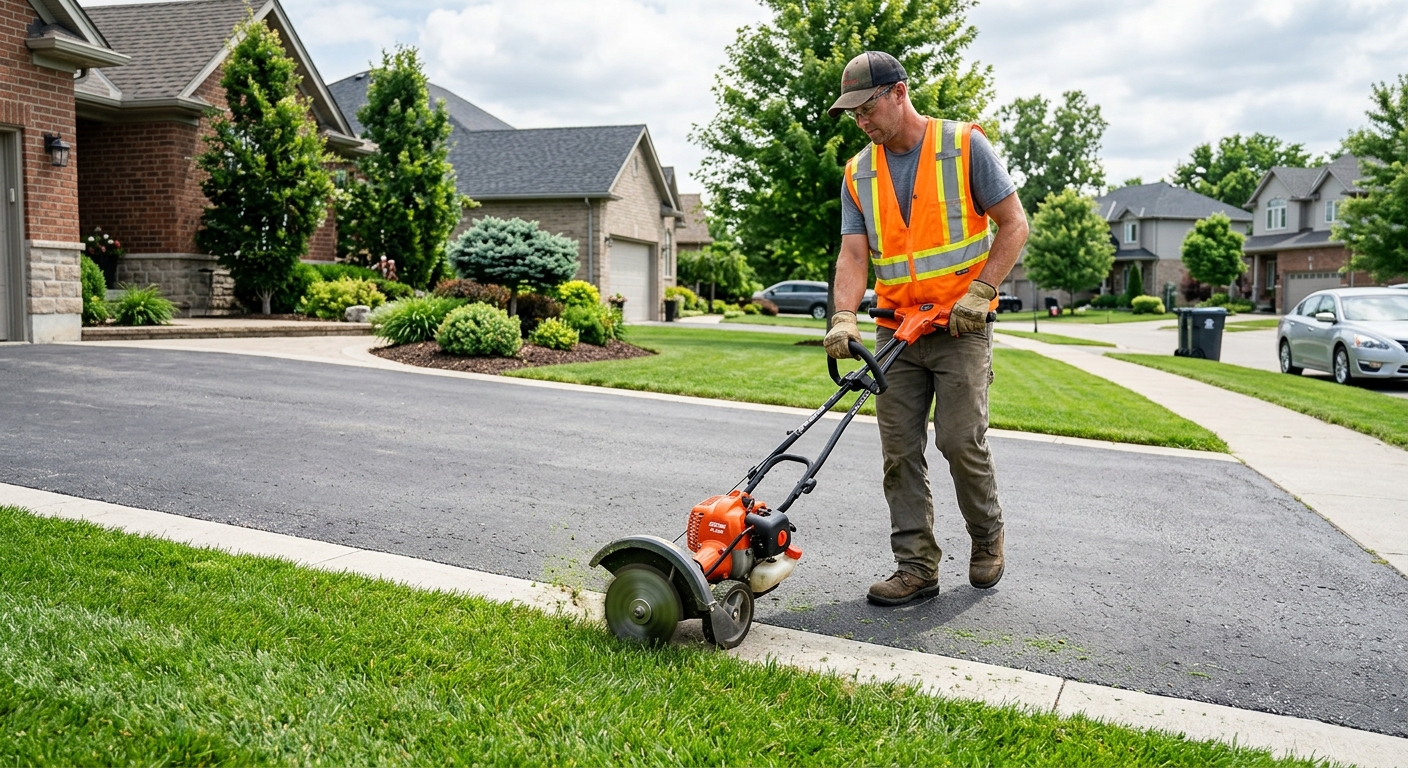
Landscaping options and costs in Yonge-Eglinton
Landscaping in Yonge-Eglinton is all about building curb appeal that can handle Toronto’s freeze–thaw winters and humid summers, and the costs can change a lot from one block to the next. In this area of Toronto, the local housing stock and yard ownership incentive matters—Toronto’s neighbourhoods include a large base of detached and semi-detached homes where homeowners are more likely to invest in upgrades that improve privacy, drainage, and outdoor usability. With a local population of 11,817 in the Yonge-Eglinton profile area (Statistics Canada, 2021 Census), you also see steady demand for established contractors, which affects scheduling and labour availability.
Because Yonge-Eglinton sits in plant hardiness zones 6a–7a, we select woody plants and perennials that tolerate winter lows around –23 to –18°C and summer heat. That helps reduce “replace-after-winter” mistakes, but it doesn’t remove the big structural cost drivers: deeper granular bases, proper geogrid or footing depth, and drainage work to manage local clay and fill soils. Freeze–thaw cycles can shift patios, step edges, and even retaining wall caps if the base isn’t built right, so contractors spend time (and you pay) upfront for the foundation layers.
This trade is especially in demand around the commercial stretch and side-streets near Eglinton Avenue West, where front-yard renovations and modern walkways are common. Below is a practical price comparison to help you align expectations before you request itemised quotes for your site.
| Service |
Description |
Season |
Price Range |
| Full landscape design and installation |
Site measure, concept + layout, plant list, grading/drainage plan, softscape + hardscape build (labour and materials) |
May to October (design can start earlier) |
$8,000–$40,000 |
| Sod installation (supply, grade, lay, roll) |
Topsoil import/redistribution as needed, grading, sod rolls, starter fertilizer, first watering plan |
Late April to early July; re-lay risk in midsummer heat |
$2,500–$8,000 |
| Lawn seeding (grade, seed, starter fertilizer) |
Light grading, seed selection for shade/sun, starter fertilizer, rake-in, and protective maintenance guidance |
April to June; some late-August reseeding |
$1,800–$6,000 |
| Interlocking patio or walkway |
Excavation, base (granular + compaction), edging, interlocking stone, leveling adjustments |
May to October |
$6,000–$30,000 |
| Retaining wall (interlocking block) |
Wall layout, excavation, compacted base, block installation, drainage gravel/geotextile, cap/finishing |
May to October |
$6,000–$30,000 |
| Tree and shrub planting |
Planting holes, amendment, mulch ring/bed finishing, staking as needed, and watering plan |
Spring and early fall planting windows |
$800–$6,000 |
Prices are estimates only and vary by project scope, site access and material selection.
What affects the price of landscaping in Yonge-Eglinton
In Toronto and across Ontario, the same “typical” landscaping idea can land 30–50% apart between bids because contractors price risk differently—especially around soil conditions, drainage, and how much excavation is required. In Yonge-Eglinton, winter damage potential is high: freeze–thaw cycles force builders to create deeper, well-compacted granular bases and reliable drainage, rather than patching problems with surface-level materials. That’s a key reason your quote can vary even if the visible scope looks similar.
Climate and plant hardiness drive both labour and materials. In the GTA (zones 6a–7a), we can plant a wider range of perennials and hardy shrubs, but we still design for winter lows near –23 to –18°C and thawed soil access in spring. Prairie regions (zones 2–4) need ultra-hardy, drought-tolerant species and often face shorter growing seasons; they also tend to simplify palettes, while frost depth and compaction requirements can raise excavation intensity. Coastal BC (zones 7–8) supports lush planting palettes and a longer growing season, which can reduce plant-loss risk, while dry BC interior municipalities often shape irrigation design with water constraints. Southern Ontario sits in the middle—moderate season length with irrigation needs during summer dry spells.
Two local examples that raise cost in Yonge-Eglinton: clay/fill soils may require excavation plus soil amendment to prevent poor drainage, and any slope corrections can add substantial grading time. On the other hand, a straightforward front walk replacement without heavy grading may fit within interlocking patio/step budgets around the mid-band, while a drainage-heavy project can push full landscape design installs toward the upper end of $8,000–$40,000.
Housing age also matters. Older properties often have settled fill, older drainage patterns, and tighter service access, so excavation and base prep become more labour-intensive—meaning “cosmetic” work can quickly overlap with foundational work. That’s how you end up with bids that feel inconsistent until you compare base depth, drainage provisions, and disposal volumes side-by-side.
| Price Factor |
Why It Matters |
Cost Impact |
| Yard size in sq ft — the primary cost driver for softscape |
More area means more excavation, topsoil, material coverage, and labour hours |
Can swing budgets by thousands, especially for sod vs seeding |
| Grading and drainage work — slope corrections add significant cost |
Prevents pooling and foundation moisture; requires careful elevations |
Often adds major labour and disposal costs; can push full-scope jobs toward higher bands |
| Drainage bed or French drain installation |
Captures and redirects water during heavy rains and spring melt |
Material + trenching + geotextile typically increases project cost noticeably |
| Plant material tier — native shrubs vs. ornamental vs. mature specimen trees |
Mature plants cost more and require larger holes, stronger staking, and better soil prep |
Tree/shrub planting can stay near $800–$6,000, but upgrades move toward the top end |
| Hardscape vs. softscape ratio — walls and patios cost more per sq ft than lawn |
Stone, base materials, and compaction are more expensive than seed/soil coverage |
Shifts totals quickly into retaining/hardscaping bands like $6,000–$30,000 |
| Irrigation system design and installation |
Sprinklers/drip heads, layout, and trenching change with lawn layout and slopes |
Can add significant cost, especially where new piping and zoning are required |
| Soil amendment and topsoil required |
Toronto clays/fill often need organic amendment to support root growth and drainage |
Can add trucking and material handling; commonly increases labour hours |
| Tree removal or stump grinding before new planting |
Impacts disposal, equipment time, and re-grade/soil rehab |
Often adds a noticeable lump to planting projects due to equipment and haul-away |
Permits & regulations in Ontario
In Ontario, most routine landscaping work—like planting shrubs and trees, sodding, seeding, and general softscape installs—typically does not require a permit. However, two common exceptions in Yonge-Eglinton are retaining wall builds above a height threshold and certain grading changes that affect drainage. In many Ontario municipalities, a building permit is commonly required for retaining walls above roughly 1.0 m (3.3 ft), and some sites may need engineered drawings depending on height, soil conditions, and wall design.
Also treat these as “confirm first” items: any project that changes lot grading in a way that alters stormwater direction toward neighbouring properties or into connections to storm sewer infrastructure; and work that may affect established drainage patterns around foundations. Before any digging—whether for tree holes, drainage beds, or wall footings—have utility locates completed so crews avoid hitting buried services. Finally, confirm local irrigation and water-use bylaws; drought doesn’t just happen in other provinces—restrictions can affect watering schedules and establish enforcement during hot, dry periods.
To verify your contractor, do three steps in writing before work starts: (1) Licensing and business details: confirm they are properly registered for the work they’re selling and can provide a clear business profile; (2) Liability insurance: request a current certificate of insurance showing coverage relevant to landscaping and naming you if applicable; and (3) WSIB/WCB status: ask for clearance letters or proof of coverage (or an accepted status letter if they’re exempt). A reputable Yonge-Eglinton contractor won’t hesitate to provide these documents.
Planning a landscape that thrives in Yonge-Eglinton's climate
Planning for Yonge-Eglinton means working with Toronto’s hardiness zone range (zones 6a–7a), managing moisture during spring melt and summer humidity, and building for freeze–thaw movement instead of pretending winters won’t affect your investment. Start with plant selection: favour zone-appropriate, hardy options and use natives where they fit your site conditions. Native and well-adapted species often require less watering and less winter protection, especially when planted in amended soil and mulched correctly.
For lawn establishment, choose sod when you want immediate function and curb appeal—especially when you need a usable outdoor space before the main growing season. But be realistic: sod installation commonly costs about 3–4 times per sq ft more than seeding once you include the grading and base preparation needed to avoid uneven settlement. If your budget is tighter, seeding (and doing it at the right time) can be a strong value.
Drainage and grading are non-negotiable in Toronto. Pooling water can undermine both roots and the bases under patios and steps. For hardscape, plan base preparation that accounts for winter frost: proper excavation depth, compacted granular layers, and correct drainage paths under patios and walkways reduce heaving and movement.
Low-maintenance strategies help you enjoy the yard without constant upkeep. Use groundcovers under shrubs, apply mulch with consistent depth, and group perennials by watering needs. For water-wise options, consider rain gardens or bioswales where you have natural runoff paths—these can reduce reliance on supplementary watering in dry spells.
Dollar example: if sod-only installation is pushing you into the $2,500–$8,000 band for a typical yard section, switching part of the area to seeding can keep the project closer to the lower end—freeing budget for better drainage grading or stronger base prep under a walkway, where failures cost more later.
| Element |
Climate Consideration |
Maintenance Level |
Price Band |
| Sod lawn installation |
Needs good contact with soil to prevent lift during early spring thaw and late-summer heat stress |
Low to moderate (watering establishment period) |
$2,500–$8,000 |
| Native perennial garden |
Better resilience through winter lows near –23 to –18°C and humid summer conditions |
Low (mulch refresh and light pruning) |
$800–$6,000 |
| Mulched shrub border |
Mulch moderates soil temperature swings and helps roots handle freeze–thaw |
Low |
$1,500–$5,500 |
| Interlocking stone patio |
Requires proper base depth and drainage to resist heaving from frost and movement |
Low (occasional joint stone top-up) |
$6,000–$30,000 |
| Retaining wall (block) |
Drainage gravel and correct backfill prevent pressure and moisture-related shifts |
Low (periodic inspection) |
$6,000–$30,000 |
| Drip irrigation system |
Helps target water during hot, humid stretches while supporting hardy plant health |
Moderate (seasonal adjustments) |
$2,500–$9,500 |
How to choose a landscaping contractor in Yonge-Eglinton
Choosing the right contractor in Yonge-Eglinton starts with proof, not promises. For Ontario work, verify liability insurance first—request a current certificate of insurance and confirm the coverage matches landscaping tasks like excavation and hardscape installation. Next, check WSIB/WCB coverage: ask for clearance letters or proof of coverage/status. If a contractor uses subcontractors, insist the subcontractors are covered as well.
Then get 2–3 itemised written quotes. You want a breakdown of labour and materials, not just a lump-sum number. Good quotes separate excavation/disposal, base materials (including compaction/granular layers), edging, stone or block costs, and plant counts/sizes. Also confirm what’s excluded: tree removal, stump grinding, additional topsoil, permitted haul routes, and any regrading needed after utilities are located.
Read the scope for timing and responsibility. Is permit pull included (when required for walls)? Is disposal of excess soil included? Who confirms utility locates and who verifies locations before digging?
Warranty matters too. Ask for a workmanship warranty length and what it covers (for example, base settling or joint washout). Product warranties depend on the manufacturer and may not cover installation errors—also ask whether any transferable warranty documentation is provided to you.
For payment, never pay more than 10–15% upfront, and use a holdback until completion verification. Ask for a start date and a realistic completion estimate in writing; Toronto’s spring weather and freeze–thaw can affect schedules, so a clear plan protects both sides.
- Request WSIB/WCB proof or clearance letter before work begins.
- Confirm liability insurance and ask for the current certificate.
- Get an itemised quote with labour, materials, and equipment listed separately.
- Ask for a detailed scope: grading, drainage, disposal, and topsoil/amendment amounts.
- Confirm whether utility locates are included or your responsibility.
- Check base prep specs for patio/walkway/steps (depth and compaction approach).
- For retaining walls, require a drainage plan: geotextile and drainage gravel/backfill details.
- Verify plant lists include species, sizes, and quantities (not “assorted shrubs”).
- Ask about irrigation: controller, zones, head types, and whether coverage is tested.
- Review warranty in writing: workmanship duration and exclusions.
- Use a payment schedule with a holdback until final grading and clean-up are complete.
- Confirm schedule constraints: what happens if the frost period delays planting or sod.
Red flags in Yonge-Eglinton include: refusing to provide insurance/WSIB proof; quoting only a lump sum without excavation/base/drainage detail; promising sod or planting “anytime” regardless of frost and soil conditions; starting without utility locates; and offering vague warranties like “covered if needed” rather than a written workmanship period and scope.
Frequently asked questions — landscaping in Yonge-Eglinton
How much does landscaping cost in Yonge-Eglinton?
Landscaping costs in Yonge-Eglinton typically land within regional Toronto price bands, depending on whether you’re doing softscape only or adding hardscape and drainage. For example, a full landscape design and installation is commonly estimated in the $8,000–$40,000 range because grading, drainage and proper base preparation are labour-heavy in freeze–thaw winters. If your project is more limited, sod installation is often budgeted around $2,500–$8,000, while a smaller planting project can fit closer to $800–$6,000 depending on plant sizes and quantities. Retaining walls and interlocking walkways often overlap in budgeting because they require deep base work. Exact pricing will vary based on yard size, access, soil conditions, and how much disposal and topsoil/amendment is needed.
What plants thrive in Yonge-Eglinton's climate zone?
Yonge-Eglinton is generally in plant hardiness zones 6a–7a, so choose woody plants and perennials that handle winter lows near –23 to –18°C and humid summer conditions. In practice, that means hardy shrubs, ornamental grasses, and perennials that tolerate cold, plus trees known for reliable performance in southern Ontario. If your goal is lower-maintenance landscaping, we typically recommend native and zone-appropriate species and avoid “borderline” plants that look great but struggle after repeated freeze–thaw and winter drying winds. Your local microclimate matters too—front yards near sidewalks can be warmer, but they can dry out faster, while shaded sides stay damp longer. A good contractor will match plant spacing and mulch coverage to your soil and sun exposure instead of relying on a one-size list.
Sod vs seed — which is better for a Yonge-Eglinton lawn?
Sod is best when you want instant results and faster curb appeal in Yonge-Eglinton, especially on front lawns where you want coverage before summer. It also helps stabilize soil after grading, reducing erosion risk. The trade-off is cost: sod typically runs about 3–4 times more per sq ft than seeding once grading and prep are accounted for, which is why many sod projects sit in the $2,500–$8,000 range depending on area. Seeding is a strong budget option when you have time for establishment and can follow watering and maintenance instructions during germination. For both approaches, Toronto’s spring thaw and early heat waves matter—install too late or water inconsistently and you’ll see thin spots. The “better” choice usually comes down to your timeline, budget, and how much regrading you’re doing.
How much does a retaining wall cost in Yonge-Eglinton?
Retaining wall costs in Yonge-Eglinton commonly fall within the $6,000–$30,000 band because block walls are base- and drainage-intensive. You’re not just paying for the block itself—excavation, compacted base layers, geotextile, drainage gravel, and backfill are what keep the wall stable through freeze–thaw cycles. Prices also change with wall height, length, and whether the project requires significant grading correction or additional soil trucking/disposal. If your wall is above the typical Ontario permit threshold in many municipalities (often around 1.0 m / 3.3 ft), you may also face permit/engineering-related steps. A well-prepared quote should list wall length and estimated wall height, the drainage approach behind the wall, and disposal/topsoil assumptions.
When is the best time to landscape in Yonge-Eglinton?
In Ontario, the safest planting and sod window for Yonge-Eglinton is generally late spring through early fall, when soil conditions support root establishment. Sod and lawn work are typically done from late April to early July, then again in more limited late-season conditions depending on weather. Planting shrubs and trees usually performs best in spring and fall, avoiding the stress of extreme heat and the challenge of working frozen or waterlogged ground. For patios, walkways, and retaining walls, the main construction season is May to October because compaction and base preparation need workable ground conditions. Always align your timeline with freeze–thaw realities—Toronto can swing quickly, and rushing can cause settlement or poor establishment. If your project depends on a specific plant, ask your contractor to specify the planting window and whether substitutions are available.
Do I need a permit for a retaining wall in Ontario?
Often, yes—retaining walls may require a permit in Ontario depending on height and site conditions. In many municipalities, walls above roughly 1.0 m (3.3 ft) commonly trigger permit requirements, and some projects need engineered drawings based on soil, wall design, and drainage conditions. Additionally, if your landscaping changes lot grading in a way that affects stormwater direction or connections, approvals may be required. For any digging work in Yonge-Eglinton, ensure utility locates are completed before trenches or wall footings are installed. When getting quotes, ask whether the permit process is included, and confirm what documentation the contractor provides versus what you must submit. A reliable contractor will be transparent about what requires municipal approval and how they manage timelines around inspection schedules.