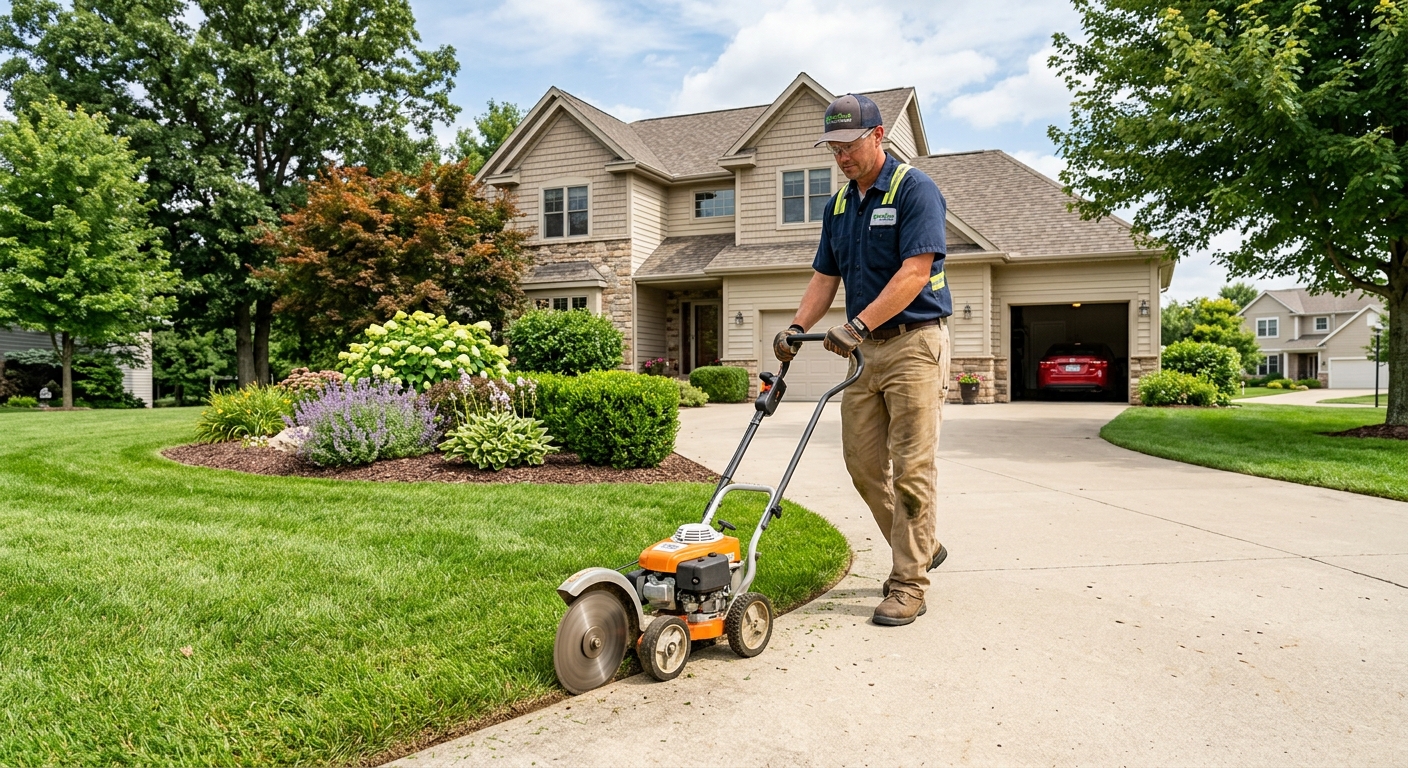
Landscaping options and costs in Lakeview
In Lakeview, Alberta, homeowners typically look for curb appeal, usable outdoor space, and winter-ready durability—so the most common projects blend hardscape (patios, walkways, retaining walls) with planting and smart irrigation. Lakeview’s population was 5,640 in the 2021 Census (Statistics Canada, 2021 Census), and that steadier base of owner-occupied homes supports ongoing contractor demand for repeatable upgrades like fence lines, garden refreshes, and yard drainage fixes. Just as important, Lakeview sits within Calgary’s broader market where most detached properties have the room to improve grading, install deeper bases, and add trees and shrubs that need wind protection over our harsher freeze–thaw cycles.
Pricing in Calgary-area communities is shaped by the Prairie hardiness zones 3–4, meaning many plants must be cold-hardy and drought-tolerant—not just “pretty.” The late spring and early fall shoulder seasons reduce the days contractors can excavate, compact, and seed or sod. Meanwhile, freeze–thaw is severe here: walkways and patios need deep, well-compacted bases and proper drainage to avoid heaving, and retaining wall footings generally must be built for frost depth and soil conditions. Labour also factors heavily—local crews often represent 40–60% of a full project once grading, hardscape, planting, and irrigation are combined.
In Lakeview, work is especially in demand around the established residential pockets and infill neighbourhoods where yards are graded tighter to sidewalks and foundations, such as the areas near Lakeview’s main residential streets (often with narrow access and more careful equipment planning). Below is a practical cost comparison to help you align design intent with budget before you book site visits.
| Service |
Description |
Season |
Price Range |
| Full landscape design and installation |
Site visit, design, grading plan, plant selection, hardscape and softscape installation, and basic irrigation coordination |
May–Oct (peak June–Aug) |
$7,500–$35,000 |
| Sod installation (supply, grade, lay, roll) |
Topsoil/grade correction, soil prep, sod supply and laying, rolling, starter fertilizer, light watering guidance |
Late Apr–Jun or early Sep–mid Oct |
$2,500–$6,000 |
| Lawn seeding (grade, seed, starter fertilizer) |
Light regrade, seed, starter fertilizer, seed-to-soil contact prep, mulching where needed |
Apr–Jun or early Sep |
$1,500–$3,500 |
| Interlocking patio or walkway |
Excavation, base/sub-base, edging, interlocking stone installation, compaction, jointing sand |
May–Oct |
$8,000–$28,000 |
| Retaining wall (interlocking block) |
Block wall build with proper base, drainage rock/weep system, geotextile, and tie-in to grade |
May–Oct |
$10,000–$40,000 |
| Tree and shrub planting |
Soil prep, planting holes, amendments, staking where needed, mulch ring, initial watering plan |
May–Jun and Sep |
$1,000–$12,500 |
Prices are estimates only and vary by project scope, site access and material selection.
What affects the price of landscaping in Lakeview
In Lakeview and the wider Calgary region, quotes for the “same” landscaping idea can swing by 30–50% because the biggest cost drivers aren’t the visible plants—they’re what happens under them: excavation volume, base preparation depth, drainage design, and how long the crew can safely work before cold snaps or site constraints slow progress. That spread shows up even within Calgary’s similar prairie conditions, because two backyards can look identical while differing sharply in yard size, soil type, and how far contractors must haul material off-site or around the house.
Our Prairie hardiness zone 3–4 conditions also change both plant outcomes and working windows. Short growing seasons mean contractors can’t always “fix it later,” so they build more robust bases from the start. Retaining walls, patios, and walkways require base depth that reaches well below the frost influence, and drainage must manage freeze–thaw water so you don’t get heaving. In the same way, southern Alberta demands cold-hardy, wind-tolerant, drought-smart planting—often achieved through soil amendment and better irrigation zoning rather than water-hungry turf.
Two examples that commonly raise costs in Lakeview: (1) heavy clay or compacted soils that need deeper excavation and more rework to achieve compaction—this can push retaining wall and patio projects toward the higher end of the $8,000–$40,000 range; and (2) yards with poor downspout discharge or grading that slopes toward foundations, where grading plus drainage beds or French drains adds material and labour.
Costs can also be lowered. A straightforward lawn refresh with seeding, for instance, may land closer to the $1,500–$6,000 band depending on regrade needs. In contrast, a “full rebuild” that includes a patio plus planting and irrigation zoning typically falls into the mid five-figure territory once grading, hardscape, and irrigation are included—consistent with the way Calgary-area projects are priced when multiple trades and robust materials are required.
| Price Factor |
Why It Matters |
Cost Impact |
| Yard size in sq ft — the primary cost driver for softscape |
More area means more topsoil/seed/sod and more labour hours for prep and finishing |
Often the largest variable; commonly 10–30%+ swing |
| Grading and drainage work — slope corrections add significant cost |
Small slope changes can require significant excavation and relocation of material |
Can add 15–40% depending on soil and access |
| Drainage bed or French drain installation |
Freeze–thaw control depends on removing water away from foundations and slabs |
Frequently adds a substantial materials + labour line item |
| Plant material tier — native shrubs vs. ornamental vs. mature specimen trees |
Mature stock costs more and may require equipment, staking, and longer installation time |
Can shift planting budgets by several thousand dollars |
| Hardscape vs. softscape ratio — walls and patios cost more per sq ft than lawn |
Walls and patios require excavation, base layers, and compaction to spec |
Higher when patios/walls dominate the scope |
| Irrigation system design and installation |
Zoning, backflow prevention planning, and proper head spacing reduce plant stress |
Often increases cost but improves plant survival |
| Soil amendment and topsoil required |
Improving structure and drainage helps roots establish in short seasons |
Can add meaningful haul and material costs |
| Tree removal or stump grinding before new planting |
Removal changes soil condition and opens space for bases and drainage repairs |
Typically adds both equipment and disposal costs |
Permits & regulations in Alberta
In Alberta, most landscaping work—such as planting, sodding, lawn seeding, and general softscape installation—typically does not require a permit. For Lakeview homeowners, the key exception is retaining walls that exceed the local height threshold (commonly 1.0 m or about 3.3 ft in many municipalities). Those walls may require a building permit and, in some cases, engineered drawings depending on height, soil conditions, and how the wall supports grade changes near a property line or driveway.
Also watch the “grading and drainage” rule. If you’re changing lot grading in a way that affects drainage toward neighbouring properties or toward storm sewer connections, approval requirements can come into play. Before you dig, always confirm utility locates—digging for planting holes, French drains, and wall footings can strike gas, power, or communications lines if they’re not marked.
Before hiring, verify three contractor items step-by-step. First, check their Alberta business and trades credentials through appropriate online registries, then request your contractor’s clearance or proof of active status. Second, ask for a current certificate of insurance showing general liability coverage with you listed as applicable per the contract. Third, confirm Workers’ Compensation Board (WCB/WSIB) coverage where required; request the clearance letter and keep it with your quote package. Finally, ensure the contractor’s plan reflects local climate realities—freeze–thaw means drainage and proper base depth aren’t optional, even if a permit isn’t.
Planning a landscape that thrives in Lakeview's climate
To plan a landscape that thrives in Lakeview, Alberta, design around Prairie hardiness zone 3–4 reality: cold winters, periodic chinook warmth followed by freeze–thaw, and a growing season that’s shorter than coastal areas. Start with plant selection—choose native and zone-appropriate trees and shrubs that tolerate cold and wind, then layer in drought-tolerant perennials that don’t demand heavy summer watering. For turf, pick sod when you want instant coverage, but seed can be the better budget move when you can maintain consistent moisture during germination.
Drainage and grading are the foundation of success here. In Calgary-area yards, pooling water near foundations is a common trigger for future cracking, settlement, and landscaping failure. Ensure downspout discharge is directed properly and plan drainage beds or French drains when the yard can’t naturally shed water away from the house. For hardscape—patios, steps, and especially retaining walls—base preparation must be built for frost. That means deep, well-compacted layers and correct slope away from the building.
For low-maintenance design, use groundcovers, mulched shrub borders, and perennials that return reliably. Xeriscape-style strategies suit Lakeview well: think efficient irrigation zoning, soil amendment to improve moisture retention, and rain-garden elements where you can slow and absorb stormwater instead of forcing it into the foundation area.
Here’s where cost differences can be justified. If you’re redoing a small lawn patch, seeding at roughly $1,500–$3,500 can be money-smart—provided you can keep the seed bed moist and protect from foot traffic. But if you need instant coverage before a gathering or to stabilise erosion quickly, sod can be worth it at about $2,500–$6,000, even though it typically costs more per square foot than seeding because of supply and labour intensity.
| Element |
Climate Consideration |
Maintenance Level |
Price Band |
| Sod lawn installation |
Needs timely placement around frost windows and steady early watering for roots |
Medium (initial watering and monitoring) |
$2,500–$6,000 |
| Native perennial garden |
Cold-hardy selection supports survival through zone-3/4 winters |
Low (mulch refresh and spring cutback) |
$1,200–$4,500 |
| Mulched shrub border |
Wind-tolerant shrubs reduce dieback; mulch buffers temperature swings |
Low to medium (weed control and pruning) |
$800–$3,500 |
| Interlocking stone patio |
Freeze–thaw demands deep base and proper drainage slope away from the home |
Low (occasional joint sand top-up) |
$8,000–$28,000 |
| Retaining wall (block) |
Base depth and drainage rock control water behind the wall to prevent movement |
Low (visual inspection after spring melt) |
$10,000–$40,000 |
| Drip irrigation system |
Zoned, drought-efficient watering suits semi-arid conditions and short seasons |
Low (seasonal adjustments and controller checks) |
$2,000–$8,000 |
How to choose a landscaping contractor in Lakeview
Choosing the right contractor in Lakeview means verifying the basics before you discuss aesthetics. In Alberta, confirm licensing/credentials through the appropriate online registry for the trade(s) involved (especially for any work that could fall under regulated classifications). Then request proof of liability insurance (a current certificate of insurance) so you’re covered if equipment damages property or a worker is injured. For coverage, ask for WCB/WCB clearance documentation—don’t rely on verbal assurances; request the clearance letter and file it with your contract.
Next, insist on 2–3 itemised written quotes instead of lump sums. The quote should break out labour and materials for site prep (excavation/compaction), base layers, hardscape materials, plant quantities, soil amendments, and irrigation components if included. Carefully read what’s excluded: disposal of excess soil, rock delivery, stump grinding, and permit handling (if applicable for a retaining wall). If a permit is required for a wall above the municipal threshold, confirm whether the contractor pulls it or you handle it—either way, it should be stated in writing.
Warranty matters in freeze–thaw climates. Ask for workmanship warranty length (e.g., how long the contractor stands behind base compaction and settling), plus manufacturer warranties for products like interlocking stone, plant material guarantees, and irrigation components. Confirm whether warranties are transferable if you sell your home. For payment, never pay more than 10–15% upfront; hold back a portion until the job is complete and final grade is accepted. Finally, get the timeline—including start date and estimated completion—in writing so you can plan around spring frost and the short fall window.
- Ask for a site visit and a grading/drainage plan, not just a “plant list.”
- Confirm equipment access for your yard (tight side gates, driveway slopes, and neighbour clearances).
- Get unit quantities listed (sq ft of sod/patio, linear feet of edging, number of trees/shrubs).
- Ensure base build-up is described (sub-base depth, compaction approach, and slopes).
- Request disposal/haul clarification: where excess soil and packaging goes.
- Verify irrigation details: zoning, controller/controller location, and whether backflow protection is included if required.
- Confirm plant hardiness suitability for zone 3–4 (no “maybe” species).
- Ask who manages utility locates and marks before digging.
- Check warranty terms in writing for both labour and materials.
- Set payment milestones tied to inspections (base complete, hardscape complete, final planting).
- Require a clear start and finish date estimate and what weather delays policy applies.
- Request references for recent Calgary-area projects with similar soil/drainage conditions.
Red flags I see in Lakeview include: quotes that don’t address drainage or frost-depth base preparation; “too-good-to-be-true” pricing that skips soil amendments or compaction; vague scopes that omit disposal and define no warranty; contractors asking for large upfront payments (more than 10–15%); and insurance clearance paperwork that can’t be produced on request.
Frequently asked questions — landscaping in Lakeview
How much does a retaining wall cost in Lakeview?
In Lakeview, a block retaining wall typically lands in the $10,000–$40,000 range depending on height, length, and how much excavation and drainage work is required. The biggest swing factor is often below-ground: base depth, drainage rock, geotextile, and whether we need regrading to prevent water from backing up toward the foundation. In Alberta’s freeze–thaw climate (zone 3–4), properly built drainage is what keeps walls from shifting after spring melt. If your yard has poor runoff or heavy clay, expect higher costs because more material and compaction work are needed. Always ask for a wall section detail and drainage notes in the contract, not just a block price.
When is the best time to landscape in Lakeview?
The best time for most landscaping in Lakeview is generally late spring through early fall. For sod, late April through June is ideal, and early September through mid-October can work for fall installs. Seeding often performs best in spring and early fall when soil temperatures support germination. Planting shrubs and trees is usually strongest in May–June and September, when roots can establish before winter. Hardscape work (patios, walkways, and walls) is typically done May–October to allow proper base compaction and curing. Alberta weather can swing quickly, so good contractors schedule around frost and wind, and they’ll protect fresh surfaces when cold snaps hit.
Do I need a permit for a retaining wall in Alberta?
In Alberta, permits are commonly triggered for retaining walls above the local height threshold—often around 1.0 m (about 3.3 ft) in many municipalities. In Lakeview, the exact requirement can depend on the wall height, how it’s supporting grade changes, and site conditions near property lines and foundations. Many softscape activities like planting and sodding typically do not need permits, but wall work is where homeowners most often run into permitting requirements. The safest approach is to ask your contractor to confirm whether a permit is needed and who is responsible for pulling it. If a permit is required, your quote should state it explicitly.
How do I improve drainage in my yard?
Improving drainage in an Alberta backyard usually starts with correcting the slope away from the foundation and managing stormwater before it soaks back into the soil. In Lakeview, that can mean grading changes plus a drainage bed or French drain where water naturally collects. We also look at downspout discharge directions and whether eavestrough extensions are properly routed. Because freeze–thaw cycles are severe, drainage improvements must include correct pipe slope, gravel/rock gradation, and geotextile separation so the system stays functional through winter. If you’re adding hardscape, ensure the base is built with the right drainage slope. A contractor should provide a clear drainage plan, not just “add more rock.”
What is xeriscaping and does it suit Lakeview?
Xeriscaping is a water-smart approach that reduces irrigation demand using drought-tolerant plants, efficient irrigation design, improved soil, and landscape layouts that slow or absorb stormwater. In Lakeview, it suits our semi-arid Prairie conditions well, especially when paired with zone-appropriate and cold-hardy species for Alberta’s zone 3–4 winters. It doesn’t mean “no beauty”—it means better plant matching and smarter watering, often with mulched shrub borders, native perennials, and groundcovers. If water restrictions are in effect seasonally, zoned drip irrigation with a controller helps maintain plant health without overwatering. For homeowners, xeriscape design can be cost-effective long-term even if the upfront plan includes irrigation zoning and soil amendment.
How do I plan a low-maintenance yard?
A low-maintenance yard in Lakeview is usually planned around three things: durable plant choices, weed suppression through mulch and proper spacing, and hardscape/drainage details that prevent soil shifting. Choose hardy shrubs and native perennials that return each year and don’t require constant reseeding in short seasons. Mulching shrub borders reduces weed pressure and buffers temperature swings through winter. For turf, seeding can be a lower initial investment, often in the $1,500–$3,500 range depending on area and grade prep, but it still needs early-season moisture management. If you want instant coverage, sod at $2,500–$6,000 may make sense—just ensure base and drainage are right. Finally, consider drip irrigation to reduce daily watering work and improve survival after transplanting.