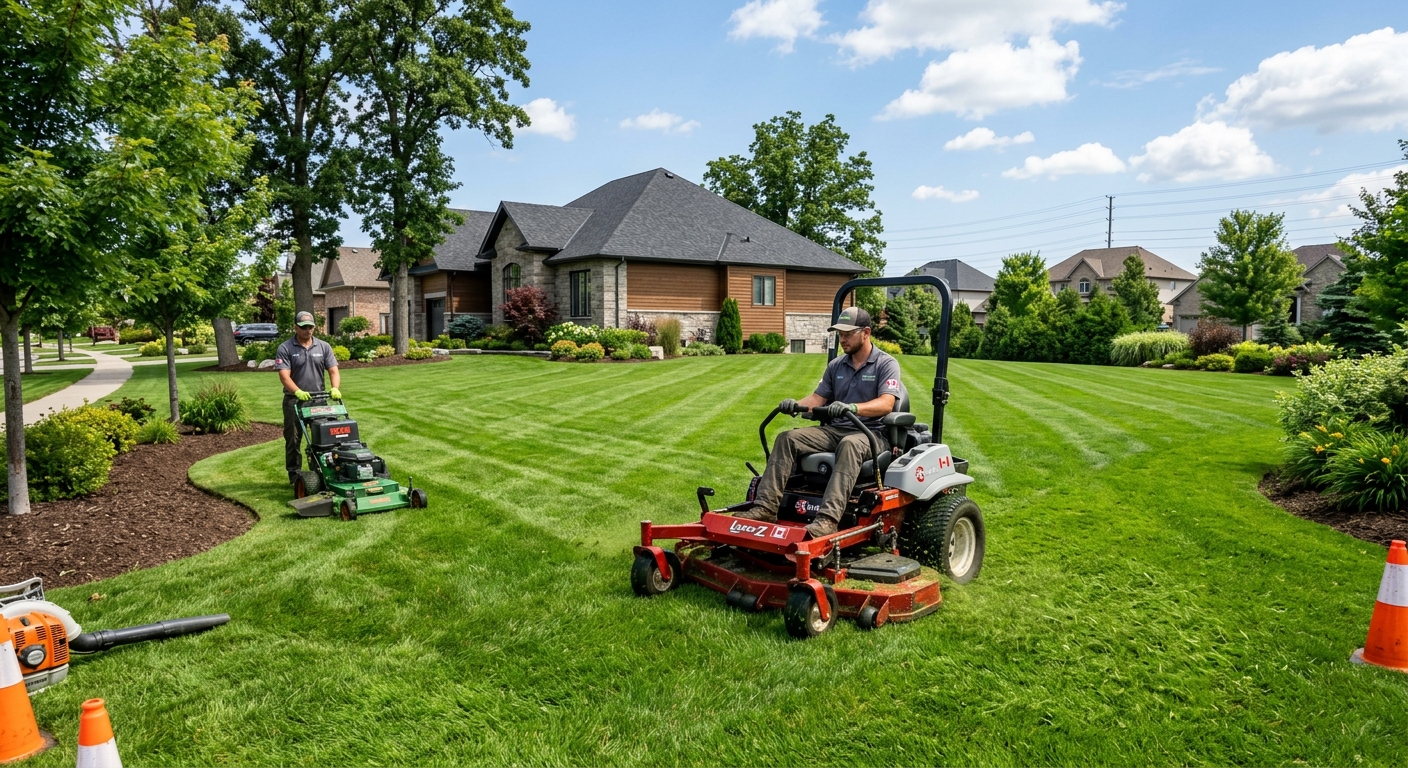
Landscaping options and costs in Kilkenny
Landscaping in Kilkenny, Alberta is shaped by practical realities: shorter working seasons, hard freeze–thaw cycles, and the need for cold-hardy, drought-tolerant choices that can handle chinooks, hail, and wind. With Kilkenny’s population at 5,699 (Statistics Canada, 2021 Census), contractor availability can tighten slightly during peak spring and fall installs, especially for crews that also do hardscaping and grading. Just like neighbouring Calgary communities, much of the local housing stock includes detached properties that tend to have yard space and budget intent—often meaning more homeowners invest in layered upgrades rather than a single “quick refresh.”
In the Calgary economic region, Prairie plant hardiness zones 3–4 and late-spring frosts to early fall cold snaps define what can be planted when, and how soon sod or seed will establish. Severe freeze–thaw also increases the importance of deep, well-compacted bases under patios and walkways, plus proper drainage to reduce heaving and settlement. Because labour commonly represents 40–60% of the full project cost across Calgary-area jobs, scopes that require more excavation, base prep depth, or extra haul/disposal typically land in the mid five-figure range once grading, hardscape, planting, and irrigation are combined.
If you’re comparing options, the table below gives a realistic starting point for common project types in Kilkenny—so you can evaluate quotes on apples-to-apples scope.
| Service |
Description |
Season |
Price Range |
| Full landscape design and installation |
Site assessment, layout, soil grading plan, planting + hardscape package, and on-site supervision |
May–Oct (best scheduling: Apr–May prep and late Aug–Sep planting) |
$5,000–$50,000 |
| Sod installation (supply, grade, lay, roll) |
Existing turf removal (if required), bring in/reshape topsoil, grade for drainage, sod supply and installation, rolling |
Late Apr–Jun and early Sep (short window for strong rooting) |
$1,500–$6,000 |
| Lawn seeding (grade, seed, starter fertilizer) |
Light regrading, seed selection for prairie conditions, starter fertiliser, raking, light mulch where needed |
Apr–May or early Aug–Sep |
$900–$3,800 |
| Interlocking patio or walkway |
Excavation, compacted base, edging, interlocking stone, jointing sand, final levelling |
May–Sep (freeze protection for base work) |
$3,200–$18,000 |
| Retaining wall (interlocking block) |
Footings where needed, base/gravel layers, drainage fabric + weeping (if required), block and cap |
May–Sep (engineered design when applicable) |
$8,000–$40,000 |
| Tree and shrub planting |
Soil prep, planting holes, amendment, staking (as required), mulch rings, watering setup |
Apr–Jun and Sep (avoid late hard frost risk for tender stock) |
$800–$15,000 |
Prices are estimates only and vary by project scope, site access and material selection.
What affects the price of landscaping in Kilkenny
For the same general “lawn + planting + tidy hardscape” idea, landscaping quotes in Kilkenny can vary by 30–50% across Calgary-area contractors—and that’s before you even choose premium materials. The main drivers are scope clarity (what’s included), how deep and how well the base is built for patios and walks, and whether drainage is treated as a system rather than an afterthought. In Prairie zone 3–4 conditions, the working season is shorter due to late-spring frosts and early fall cold snaps, so scheduling pressure can raise labour costs during peak weeks.
Local climate also shapes what grows and when. Southern Alberta’s shorter season demands cold-hardy, drought-tolerant species, plus efficient irrigation design. Just as important, retaining wall and hardscape bases need to reach below the frost-susceptible zone and be well compacted to reduce heaving and failure risk. Prairie regions like Calgary also tend to require more soil improvement than coastal areas because growth depends heavily on topsoil quality and moisture management, not just rainfall.
Concrete examples from Kilkenny: (1) If your grade is sloped toward your foundation or neighbour’s edge, grading and drainage corrections can add thousands—often pushing a “simple” patio from the lower end of interlocking pricing toward mid five-figure total projects when French drains or daylighting are included. (2) Choosing sod for instant curb appeal typically costs more than seeding; many homeowners see sticker shock when comparing sod packages in the $1,500–$6,000 band versus seeding, which usually costs less but takes longer to thicken. (3) A mature tree or ornamental shrub tier increases material cost and can require extra labour for transport, staking, and careful planting timing within the frost calendar.
Finally, housing age matters. Older properties sometimes have compacted, poor-quality soil or buried debris—so soil amendment and topsoil hauling can become a significant add-on rather than a small line item.
| Price Factor |
Why It Matters |
Cost Impact |
| Yard size in sq ft — the primary cost driver for softscape |
More area means more base prep, seed/sod, labour hours, and materials |
Low-to-high spread; can shift a job from low $1,500–$6,000 lawns into multi-phase projects |
| Grading and drainage work — slope corrections add significant cost |
Fixing pooling and directing water away from foundations reduces long-term failures |
Often adds thousands; influences both excavation and labour time |
| Drainage bed or French drain installation |
Freeze–thaw breaks down poorly drained layers; drains prevent heaving |
Moderate-to-high add; can be the difference between “one-and-done” vs repeat repairs |
| Plant material tier — native shrubs vs. ornamental vs. mature specimen trees |
Hardy natives establish faster in prairie conditions; mature stock costs more to source and plant |
Can move planting work from the lower end near $800–$15,000 toward upper pricing |
| Hardscape vs. softscape ratio — walls and patios cost more per sq ft than lawn |
Hardscape requires deeper excavation, compacted base layers, and stone edging |
Shifts the total project quickly into mid five figures |
| Irrigation system design and installation |
Zoned, smart controls reduce water waste and improve establishment in a semi-arid climate |
Can materially increase the budget, especially with multiple zones and controller upgrades |
| Soil amendment and topsoil required |
Calgary-area soils often need improvement for root growth, especially after construction compaction |
Varies with test results and hauling distance; commonly a meaningful add-on |
| Tree removal or stump grinding before new planting |
Stumps and old roots affect planting space and can cause uneven settling |
Generally adds cost and can delay planting if timelines are tight |
Permits & regulations in Alberta
In Alberta, most routine landscape work—like planting beds, sodding, and the majority of softscape installs—typically doesn’t require a permit. For Kilkenny homeowners, the important exception is retaining walls. Retaining walls above a height threshold—often 1.0 m (3.3 ft) in many municipalities—commonly require a building permit and sometimes engineered drawings, depending on height, proximity to property lines, and site conditions.
Another area that can trigger approval is major grading that affects drainage. If your proposed changes redirect stormwater toward neighbouring property, a storm sewer connection, or change how runoff flows off your lot, you may need municipal review. Before any digging for planting holes or wall footings, always call for utility locates so you don’t hit buried services.
When verifying a Kilkenny contractor in Alberta, use a practical checklist: (1) confirm their Alberta licensing status through the appropriate online registry for their trade category (availability depends on business type), (2) request a current certificate of liability insurance showing adequate coverage for landscaping/hardscaping work, and (3) verify WSIB/WCB coverage (clearance letter or account confirmation) so you’re not exposed if a worker is injured on your property. A professional crew should provide these documents promptly, before they schedule excavation.
Also confirm irrigation and water-use rules in your planning window. While Alberta typically allows landscaping irrigation with compliant scheduling, drought conditions and seasonal restrictions may still influence how and when systems can run.
Planning a landscape that thrives in Kilkenny's climate
To plan a yard that thrives in Kilkenny, aim to work with Alberta’s zone 3–4 realities rather than fighting them. Start with plant selection: choose cold-hardy, wind-tolerant species that can handle late-spring frosts and early fall cold snaps. Natives and proven prairie performers usually need less watering once established, and they’re more forgiving if your irrigation schedule shifts around restrictions or travel.
Next, decide whether you want sod or seeding. Sod gives instant results but costs more—often 3–4 times per sq ft compared with seeding—so it’s best when you need fast curb appeal for a sale or a specific event. For drainage and grading, treat the yard like a system. In Calgary-area conditions, proper slope away from the foundation and well-compacted base under hardscape are non-negotiable to avoid pooling and winter heaving.
For hardscape, patios and walkways need deep, well-compacted bases. That’s not a “nice to have”; severe freeze–thaw makes base preparation and correct drainage layers the difference between a patio that stays level and one that shifts.
Finally, build for low maintenance. Use mulch, groundcovers, and perennials to reduce bare soil that invites weeds. Consider a rain-garden or smart drainage plan where you can safely manage runoff and infiltrate stormwater rather than sending it toward foundations.
Dollar example: if you’re considering a quick lawn upgrade, a sod installation in the $1,500–$6,000 band might be justified if you’re replacing thin turf and need results this season. If your priority is long-term value, seeding (usually less expensive than sod) can be the smarter move—especially when paired with soil amendment and better drainage so grass establishes thickly instead of patching out.
| Element |
Climate Consideration |
Maintenance Level |
Price Band |
| Sod lawn installation |
Needs strong rooting in a short window; protect from late frosts and drought |
Medium (watering schedule first season) |
$1,500–$6,000 |
| Native perennial garden |
Zone-appropriate plants handle cold snaps; deeper roots improve drought resilience |
Low (spring cleanup, occasional division) |
$2,200–$9,500 |
| Mulched shrub border |
Mulch moderates freeze–thaw and conserves moisture; choose hardy shrubs for wind |
Low-to-medium (weed control, periodic pruning) |
$1,400–$7,200 |
| Interlocking stone patio |
Requires deep base and drainage to reduce heaving during freeze–thaw |
Low (sweeping, occasional joint sand) |
$3,200–$18,000 |
| Retaining wall (block) |
Base depth and drainage layers are critical in prairie soils |
Low (seasonal inspection for drainage/settlement) |
$8,000–$40,000 |
| Drip irrigation system |
Zoned drip reduces water waste and supports establishment in semi-arid conditions |
Low (seasonal checks and winter blowout if required) |
$1,200–$7,500 |
How to choose a landscaping contractor in Kilkenny
Choosing the right landscaping contractor in Kilkenny starts with proof, not promises. In Alberta, verify licensing for the contractor’s trade category (and confirm they’re set up to do the work being quoted), then request liability insurance documentation before anything is excavated. For worker protection, confirm WSIB/WCB coverage—look for either a current clearance letter or account confirmation that matches the company name on the quote. If they can’t produce these items promptly, that’s a process red flag.
Next, get 2–3 itemised written quotes. You want labour + materials broken down, not just a single lump sum. Ask whether base materials, compaction testing, disposal/haul-away, irrigation components, and topsoil/subsoil amendments are included. For permits, clarify what’s in scope: is the permit pull included (when required for retaining walls), and who is responsible for drawings if engineering is needed? Also confirm whether work includes winter protection steps and how they’ll handle late frosts affecting planting timelines.
Warranty should be specific. Ask about workmanship warranty length (for grading, drainage, and hardscape), product/manufacturer warranty on plants (where offered), and whether warranties are transferable to you as the homeowner. For payment, never pay more than 10–15% upfront; use a holdback until the final walk-through and completion punch list are done.
Finally, demand a written timeline: proposed start date, estimated completion window, and what weather conditions would cause schedule shifts.
- Request Alberta licence/trade confirmation and document it on the contract
- Verify liability insurance certificate is current and matches the job scope
- Confirm WSIB/WCB coverage via clearance letter or account verification
- Use itemised quotes: labour, materials, equipment, and disposal/haul-away separated
- Ask for base build details (depths/layers) for patios, walks, and retaining walls
- Confirm drainage approach (slope plan, drainage bed/French drain where needed)
- Check whether irrigation design is included or if it’s a separate add-on
- Clarify what “existing turf removal” means and whether stump grinding is included
- Ask about soil amendments/topsoil source and whether it’s screened
- Review warranty terms in writing: workmanship and materials
- Confirm payment schedule: 10–15% upfront max, holdback until completion
- Get a written schedule with start/completion estimates and weather contingencies
Red flags in Kilkenny include: quotes with no clear drainage/base specs for patios or walls, contractors who won’t provide insurance/WSIB proof, “one price for everything” without itemisation, asking for large deposits upfront, and starting excavation before utility locates have been completed.
Frequently asked questions — landscaping in Kilkenny
How much does sodding a yard cost in Kilkenny?
Sodding in Kilkenny typically falls into the $1,500–$6,000 band depending on yard size, whether topsoil grading is included, and how much existing turf has to be removed. In Calgary-area zone 3–4 conditions, timing matters: the strongest rooting window is usually late April to June and again in early September before early cold snaps. If your grade needs correction for drainage away from the foundation, labour and materials rise quickly because more excavation and soil preparation are required. A good quote also explains the watering plan for the first season so the sod can root before the summer dry spells and winter cold return.
How do I prevent weeds in my Kilkenny garden?
Weed prevention in Kilkenny starts with removing the source: patchy turf and bare soil where seeds can land. For garden beds, contractors usually prep the area thoroughly, remove established weeds, and install a proper mulch layer—typically thick enough to block light after settling. Using a soil amendment strategy helps plants establish faster, which crowds out weeds naturally. If your quote includes fabric/ground barrier, ask what type and how they’ll manage drainage around it so water doesn’t pond. If you’re redoing a border near a walkway, weed control is also about edge detailing so grasses and weeds don’t creep into stone joints. In Alberta’s freeze–thaw, poorly graded beds can stay wet, which encourages weeds—so drainage is part of weed control.
How do I design a low-water yard in Kilkenny?
A low-water yard in Kilkenny should be built around zone-appropriate, drought-tolerant plants and smart irrigation—not just “less watering.” In Calgary’s semi-arid climate with periodic restrictions, a zoned system (often with a smart controller) helps you water only where it’s needed and at the right times for establishment. Consider xeriscape-style design: group plants by water needs, use mulch to reduce evaporation, and replace thirsty turf areas with perennial beds or groundcovers where practical. If you include hardscape, keep drainage correct so runoff doesn’t concentrate where plants can’t tolerate it. A drip irrigation system is usually more efficient than overhead sprinklers, particularly for shrubs and perennial gardens. When quotes include irrigation design and soil improvement, it’s easier to justify the cost because establishment improves and water use drops after the first season.
How do I find a licensed landscaper in Kilkenny?
To find a licensed landscaper in Kilkenny, start by asking the contractor for documentation before you sign. In Alberta, request proof of their relevant licensing/trade status for the work they’ll perform, a current certificate of liability insurance, and confirmation of WSIB/WCB coverage (often provided as a clearance letter or account verification). You can also verify company details online and match them to what’s on your quote and contract. A licensed, insured contractor should provide these items readily and include them in the paperwork you receive. Don’t rely on a verbal “we’re covered”—ask for copies. If you’re booking work like a retaining wall above the typical 1.0 m threshold, ensure they understand permit expectations and can outline who pulls permits and whether engineering is required.
How much does landscaping cost in Kilkenny?
Landscaping costs in Kilkenny vary widely by scope, but a realistic way to budget is to think in bands. For example, full landscape design and installation commonly lands somewhere in the $5,000–$50,000 range when grading, planting, irrigation, and hardscape are included. If you’re focused on softscape only, lawn projects often sit in smaller bands—sod typically falls in the $1,500–$6,000 range depending on area and site prep. Retaining walls and substantial hardscaping can push budgets up quickly because base depth, compaction, drainage layers, and stone supply drive costs. Always ask for itemised estimates so you can compare contractor methods, not just total numbers. In Alberta’s freeze–thaw climate, properly built drainage and base prep are also what protect your investment.
What plants thrive in Kilkenny's climate zone?
In Kilkenny and the Calgary area, you’ll generally have better success with plants rated for Prairie hardiness zones 3–4 that tolerate cold snaps, wind, and semi-arid summers. Look for hardy shrubs and perennials that establish well with less summer water once roots are in. Native and zone-appropriate options usually perform better because they’re adapted to local temperature swings and shorter growing seasons. When choosing plants, also consider microclimates: a sheltered bed by a fence may survive harsher conditions than an exposed front yard. If a contractor includes soil amendment and a mulch strategy, it often boosts establishment for trees, shrubs, and perennial gardens. For sod alternatives, select grasses or groundcovers proven locally rather than assuming a “green” variety will overwinter reliably.