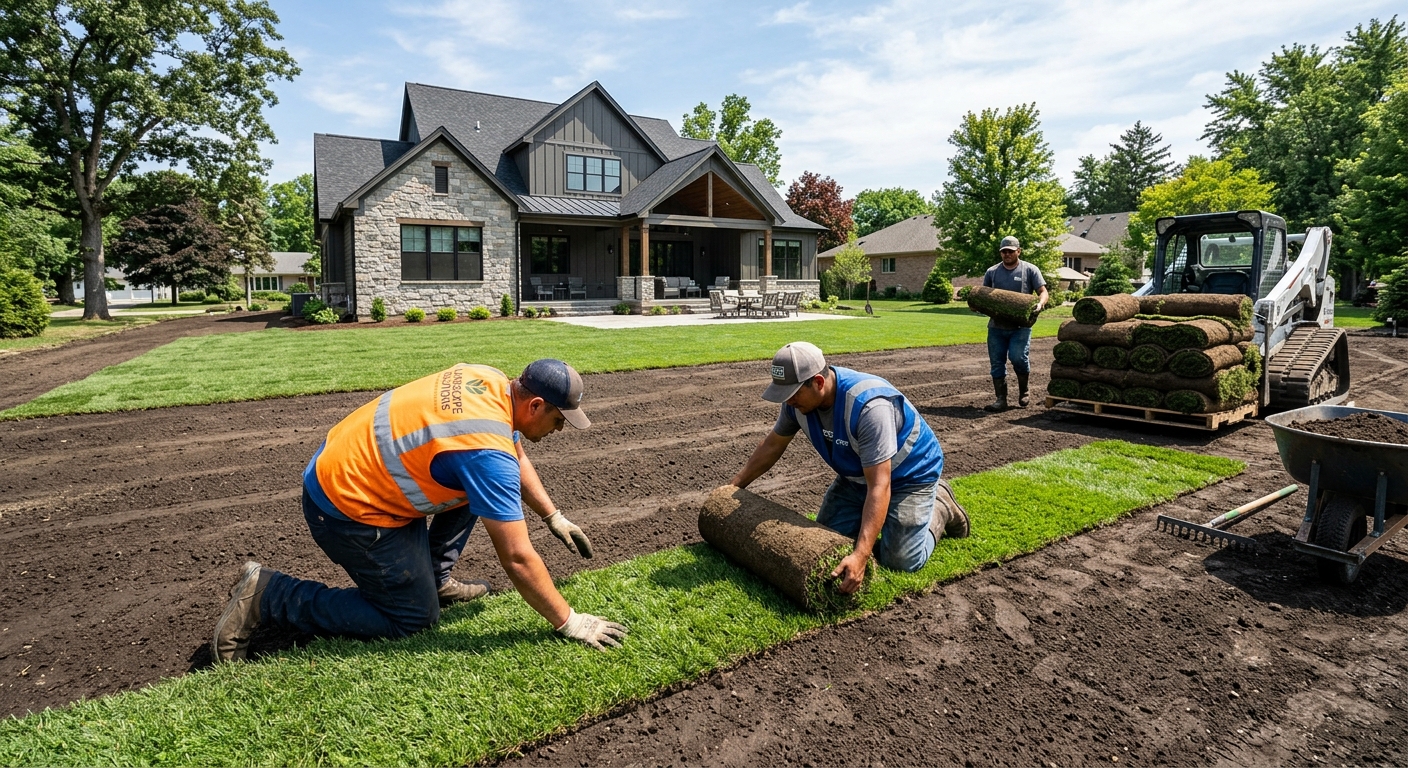
Landscaping options and costs in Huntingdon
In Huntingdon, landscaping upgrades tend to start with what homeowners want to see every day—clean walkways, workable lawns, and plantings that handle our wet winters and cool, long growing season. With a small local population of 1,224 residents (Statistics Canada, 2021 Census), the market can feel “closer-knit,” and scheduling often concentrates around the drier windows for foundation-adjacent work and drainage corrections. That said, Huntingdon homes with yard space typically encourage investment in softscape and curb appeal, especially when the broader Lower Mainland–Southwest market supports a steady stream of landscape crews.
Because we sit in plant hardiness zones 7–8, contractors can build lush, layered designs using broadleaf evergreens, longer-blooming perennials, and ornamental shrubs with lower winter-damage risk than colder parts of British Columbia. The trade-off is that costs are still shaped by how much site prep is needed: even on mild coasts, freeze–thaw cycles and heavy rainfall mean more attention to drainage, compaction, and base preparation for patios and retaining walls. In practice, retaining walls and interlocking hardscaping often require deeper excavation and more engineered drainage detailing on sloped or clay-leaning lots, which can push budgets toward the upper end of the region’s hardscape band.
In Huntingdon’s older, established neighbourhood pockets near the core, demand is especially high for patio replacements, drainage fixes, and “upgrade-the-entry” designs—projects where homeowners want fast visual results but also need water to run away from foundations. Use the comparison table below as a starting point for what your scope may realistically cost.
| Service |
Description |
Season |
Price Range |
| Full landscape design and installation |
On-site consult, concept + planting plan, grading/drainage coordination, planting, lawn prep/installation, and finishing |
Mar–Dec (softscape most responsive; wet weeks may shift timeline) |
$7,500–$45,000 |
| Sod installation (supply, grade, lay, roll) |
Soil testing (as needed), remove/prepare existing grade, compacted base, sod lay and roll |
Apr–Oct (best availability and root establishment) |
$2,500–$7,500 |
| Lawn seeding (grade, seed, starter fertilizer) |
Fine grading, seed selection, starter fertilizer, light topdress where required |
Mar–May or Aug–Sep |
$1,800–$4,500 |
| Interlocking patio or walkway |
Excavate, compacted base, geotextile, sand setting bed, edging, clean joints |
Mar–Nov (avoid the wettest stretches when possible) |
$10,000–$35,000 |
| Retaining wall (interlocking block) |
Layout, excavation to proper depth, drainage stone + weeping/weep paths as needed, block installation, backfill |
Mar–Nov |
$14,000–$65,000 |
| Tree and shrub planting |
Soil amendments, planting holes, staking where needed, mulch rings, post-plant watering plan |
Mar–Jun and Sep–Nov |
$1,200–$14,000 |
Prices are estimates only and vary by project scope, site access and material selection.
What affects the price of landscaping in Huntingdon
Two contractors can quote the “same” yard upgrade in Huntingdon and still land 30–50% apart, even when you think the scope is comparable. In the Lower Mainland–Southwest, that spread usually comes down to how much site prep is included (grading, compaction, drainage), the plant sizes/tier chosen, and whether the design is built to be resilient during rain-heavy weeks and freeze–thaw cycles. In other BC regions, the hardiness zone and frost timing can shrink the safe working window, while in Prairie areas (Zone 2–4) homeowners often pay less for softscape labour time but more attention is needed for wind-durable, drought-tolerant planting and deeper base preparation. Coastal British Columbia (zones 7–8) allows a long growing season, but the soil and drainage details can still drive costs upward.
Here are a few concrete Huntingdon examples that move budgets: (1) If your slope runs toward the foundation, correcting drainage can add significant labour and disposal, and that’s often what pushes a walkway or patio toward the higher end of the interlocking band—where many projects fall around 10,000–$35,000 depending on excavation depth and edging complexity. (2) Choosing sod for quick curb appeal can also jump costs; compared with seeding, sod projects commonly land nearer the top end of the lawn band, while seeding may stay closer to the mid-range of $1,800–$4,500. (3) Plant selection matters: replacing “good enough” shrubs with mature specimen trees increases both material cost and labour time for delivery, proper staking, and aftercare.
Local housing stock also plays a role. Older lots frequently have lingering drainage issues or compacted soil, meaning additional topsoil and amendments may be required—sometimes costing the difference between a straightforward planting install and a full “design + installation” scope that can run from $5,000–$50,000 depending on how much of the yard you’re rebuilding.
| Price Factor |
Why It Matters |
Cost Impact |
| Yard size in sq ft — the primary cost driver for softscape |
More area means more soil prep, more seed/sod, more edging and more labour hours |
Can swing the total by 20–60% on the same “style” of lawn |
| Grading and drainage work — slope corrections add significant cost |
Fixing ponding and redirecting runoff requires excavation, re-compaction, and accurate grading |
Often adds thousands, especially on sloped or clay-leaning sites |
| Drainage bed or French drain installation |
Subsurface drainage reduces foundation moisture and future plant failure |
Commonly a major add-on for wet lots |
| Plant material tier — native shrubs vs. ornamental vs. mature specimen trees |
Material tier affects size, delivery cost, and labour for planting/staking |
Can double plant-line items if mature specimens are requested |
| Hardscape vs. softscape ratio — walls and patios cost more per sq ft than lawn |
Excavation depth, base layers, and materials drive hardscape cost |
Shifts budgets quickly toward retaining wall/patio bands |
| Irrigation system design and installation |
Better coverage and efficient controllers reduce future watering costs and plant stress |
Can add meaningful cost, but lowers maintenance and replacement |
| Soil amendment and topsoil required |
Healthy soil supports root growth in cool, wet seasons and steadier establishment |
Unexpected topsoil requirements are a frequent budget surprise |
| Tree removal or stump grinding before new planting |
Access, disposal, and grinding time affect the schedule and cost |
Often adds a “hidden” line item if not included in scope |
Permits & regulations in British Columbia
In British Columbia, most day-to-day landscape work—planting trees and shrubs, sowing seed, sodding, and installing typical softscape (mulch, groundcovers, garden beds)—generally does not require a permit. Where permits do come into play is usually tied to structural risk and drainage changes. For example, retaining walls above a height threshold—often around 1.0 m (3.3 ft) in many municipalities—commonly require a building permit and sometimes engineered drawings depending on the design and site conditions. In addition, if your project involves changing lot grading so runoff moves toward a neighbouring property, or toward storm-sewer connections in a way that alters existing drainage patterns, approval requirements may apply.
Before anyone digs post-holes or wall footings in Huntingdon, the homeowner should arrange utility locates to mark underground services. Even for planting holes, this reduces the risk of costly utility strikes and delays.
To verify a contractor’s credentials in BC, ask for three things and check them in writing: (1) BC licence: look up their business/contractor information on provincial registry resources available online; ensure the correct business name matches the quote and invoice. (2) Liability insurance: request a certificate of insurance showing active coverage and job-site limits. (3) Workplace coverage: confirm how they cover workers under the applicable workers’ compensation system (or provide the clearance letter/reference they use). A legitimate contractor won’t hesitate to email certificates before work starts.
Planning a landscape that thrives in Huntingdon's climate
To plan a landscape that thrives in Huntingdon, it helps to work with our zone 7–8 conditions—cool summers, mild wet winters, and frost that’s typically early in spring and not usually late into fall. In Lower Mainland–Southwest, the goal isn’t just “what plants look good,” but what survives wet periods, drains well around foundations, and still looks tidy through spring growth flushes. Start with plant selection: choose zone-appropriate and preferably native species that tolerate winter wet and are easier to support through occasional irrigation restrictions. That reduces winter protection labour and lowers the odds of spring dieback.
Sod vs. seed is the next big decision. Sod gives instant coverage, but in this region it commonly costs 3–4x per sq ft versus seeding, because you’re paying for harvested product and faster installation time. Seeding saves money but takes longer to knit in—so it’s best when you can accept a “finish later” lawn look.
Drainage and grading matter in Huntingdon. Pooling water leads to foundation moisture and root stress, so grading must shed water away from the house, and any drainage bed or French drain should be designed around the downspout flow. For hardscape, build on proper base preparation: freeze–thaw cycles still require adequate base depth, compaction, and correct drainage below patios and around retaining walls.
For low-maintenance design, rely on mulch, groundcovers, and long-blooming perennials layered with shrubs. Consider rain-garden pockets or a xeriscape-style zone only where appropriate—Lower Mainland lawns don’t face the same water bans as the drier Interior, but efficient drip irrigation and smart controllers still help you avoid waste.
Example: if you’re comparing lawn options for a similar yard area, choosing sod may land near $2,500–$7,500 for supply and install, while seeding may start closer to $1,800–$4,500. That extra investment is justified if you need quick curb appeal for a sale, heavy foot traffic, or you want faster erosion control, but it’s often not necessary if you can wait through one growing cycle.
| Element |
Climate Consideration |
Maintenance Level |
Price Band |
| Sod lawn installation |
Best establishment in spring/summer; needs consistent watering until roots knit in through our cool, moist conditions |
Moderate during establishment, lower afterward if drainage is correct |
$2,500–$7,500 |
| Native perennial garden |
Zone-appropriate plants handle winter wet and rebound in spring without heavy winter cover |
Low to moderate (weed control first year, then light spring tidy) |
$3,000–$12,000 |
| Mulched shrub border |
Mulch buffers soil temperature swings and reduces splash erosion during heavy rain |
Low (annual mulch refresh and seasonal pruning) |
$2,500–$9,500 |
| Interlocking stone patio |
Base prep and drainage are critical to prevent settling through wet freeze–thaw cycles |
Low (occasional joint sand top-up, simple cleaning) |
$10,000–$35,000 |
| Retaining wall (block) |
Requires drainage stone and proper weep pathing to manage perched water in wet winters |
Low once installed; higher maintenance only if drainage details were skipped |
$14,000–$65,000 |
| Drip irrigation system |
Improves efficiency during any restriction periods and supports deep, resilient roots in cool seasons |
Low (filter checks and seasonal adjustment) |
$2,000–$8,000 |
How to choose a landscaping contractor in Huntingdon
Choosing the right contractor in Huntingdon starts with verifying the basics—then forcing clarity into the quote. In British Columbia, confirm: (1) their licensing details match the business name you see on the proposal, (2) liability insurance is current and covers your property and the scope you’re hiring for, and (3) they have the appropriate workers’ compensation coverage. The practical way to check is simple: request certificate documents by email before scheduling, review the effective dates and named insured, and ensure the coverage aligns with the work being performed (excavation, hardscape base, and wall builds involve higher risk than planting-only jobs).
Next, get 2–3 itemised written quotes—not one lump sum. You want to see labour and material breakdowns where it matters: excavation depth, base material type, drainage bed/French drain components, edging, disposal, and the plant list with sizes. Read the scope carefully for exclusions: is demolition included, is disposal included, are topsoil and amendments included, and is a permit pull included if the project triggers one (for example, taller retaining walls)? Warranty should be spelled out: workmanship warranty length, product/manufacturer warranty details, and whether warranties transfer to you if you sell the home.
Payment schedule: never agree to pay more than about 10–15% upfront. Hold back the remainder until the job is complete and walk the site for deficiencies. Timing should also be written—get the start date, expected sequencing, and a completion estimate, especially for interlock and wall work that can’t proceed during the wettest weeks.
- Ask for a written scope and a line-item quote (labour + materials).
- Confirm the plant list includes cultivar names and nursery sizes (e.g., 5-gallon vs. 15-gallon).
- Require drainage details in writing for any slope, downspout routing, or wet spots.
- Check that interlocking/hardscape includes base layers, geotextile where needed, and compaction specs.
- Ask who handles utility locates and whether they’re booked before digging.
- Make sure topsoil/amendment type and quantity are stated (not “allowance” only).
- Confirm disposal/recycling is included for sod removal, concrete, soil, and stumps (if applicable).
- Verify warranty terms for both workmanship and plants/materials, in plain language.
- Get a start date and a realistic timeline that accounts for weather delays.
- Set a payment schedule with a defined holdback until a final walkthrough is done.
- Request proof of liability insurance and workers’ compensation coverage before the first day on site.
- Ask how they’ll protect lawns, shrubs, and foundations during excavation and compaction.
Red flags I see in Huntingdon include: (1) quoting without a site visit and refusing to explain drainage/grading assumptions, (2) lump-sum pricing with no disposal or base-layer details for patios/walls, (3) insisting on large upfront payments beyond 10–15%, (4) no written warranty terms, and (5) inability to provide insurance/certificates quickly.
Frequently asked questions — landscaping in Huntingdon
How do I compare landscaping quotes?
Start by ensuring the scope matches across all bids. Ask each contractor for a line-item breakdown: excavation and disposal, base materials (for interlock/patios), drainage bed or French drain components if included, edging type, and the exact plant list with container sizes. For lawns, compare sod versus seeding assumptions—sod instalments in Huntingdon commonly land around the $2,500–$7,500 band, while seeding is often closer to $1,800–$4,500 depending on prep. Also confirm what’s excluded (grading corrections, topsoil quantity, irrigation tie-in, permit work for taller retaining walls). Finally, compare timelines and warranty: workmanship coverage length and how plant warranties are handled in British Columbia weather.
How long does a landscaping project take in Huntingdon?
Project length depends on how much site prep is needed and what’s being installed. In Huntingdon’s Lower Mainland–Southwest climate (zone 7–8), planting work can often be scheduled across spring and fall, while wet winter weeks can pause groundwork. Small planting refreshes may take 1–3 days on site, while a backyard refresh that includes grading, drainage work, and new borders can take 1–2 weeks. Interlocking patios and retaining walls typically require longer because excavation, compaction, base build-up, and curing/drainage setup must be done correctly—often pushing timelines to multiple weeks. If a contractor can’t provide start and completion dates in writing, treat that as a scheduling risk, especially when foundation-adjacent drainage is involved.
What is the best grass type for a Huntingdon lawn?
For Huntingdon, homeowners usually do well with cool-season lawn grasses that handle our cool, moist shoulder seasons and regrow in spring after winter. The best “type” also depends on your usage: shady yards generally need mixes suited for lower light, while sunny yards can handle varieties that tolerate periodic drying. The most important factor in British Columbia is establishment—consistent watering right after install and correct grading so the lawn doesn’t sit in puddles. If drainage is off, even the best seed can struggle. A good contractor will match seed/turf to sun exposure and tell you what irrigation adjustments you may need during establishment.
When should I aerate and overseed my lawn in Huntingdon?
In Huntingdon, the most reliable window is typically early spring (when the lawn starts actively growing) and/or early fall before growth slows down—aim for conditions that give seed time to germinate and roots to knit before colder, wetter weeks dominate. Aerate first (if you have compaction), then overseed and apply starter fertilizer. If your lawn had thin coverage, spot-dressing can work, but it’s important not to overseed in standing-water areas—drainage issues can sabotage results in Lower Mainland yards. If you’re doing both aeration and overseeding, plan for light watering during germination and expect full thickness to take weeks, not days. Your contractor should be able to suggest a date range based on current spring/fall conditions.
What trees grow best in Huntingdon's climate zone?
In Huntingdon’s zone 7–8 conditions, many broadleaf trees and evergreens can perform well, especially when planted with correct soil amendments and drainage. Popular choices often include ornamental crabapples, serviceberry, and certain hardy ornamental cherries for spring interest, alongside evergreens like yew or other shade-tolerant conifers depending on sun and space. The “best tree” depends heavily on your yard conditions: slope, soil moisture, wind exposure, and how close the tree is to the house or drainage pattern. Because freeze–thaw cycles still occur, choose stock that matches your site’s moisture level and allow room for mature canopy spread. A reputable landscaper will suggest a mix of structure and understory plants so the garden stays attractive without constant replanting.
How much does sodding a yard cost in Huntingdon?
Sodding cost in Huntingdon usually depends on how much preparation is needed: removing old lawn, fixing grade, compacting base, and ensuring drainage is correct. If your yard is already fairly level and accessible, pricing may fall near the lower part of the sod band. For many homeowners, total sod installation (supply, grade, lay, roll) commonly lands in the $2,500–$7,500 range, with larger or more complex yards moving higher. If drainage corrections or significant soil amendments are required first, expect the lawn line item to increase or to shift the project into a broader “design + installation” budget. Ask for an itemised quote that clearly states the sod area in sq ft, topsoil/amendment allowances, and whether edging is included.