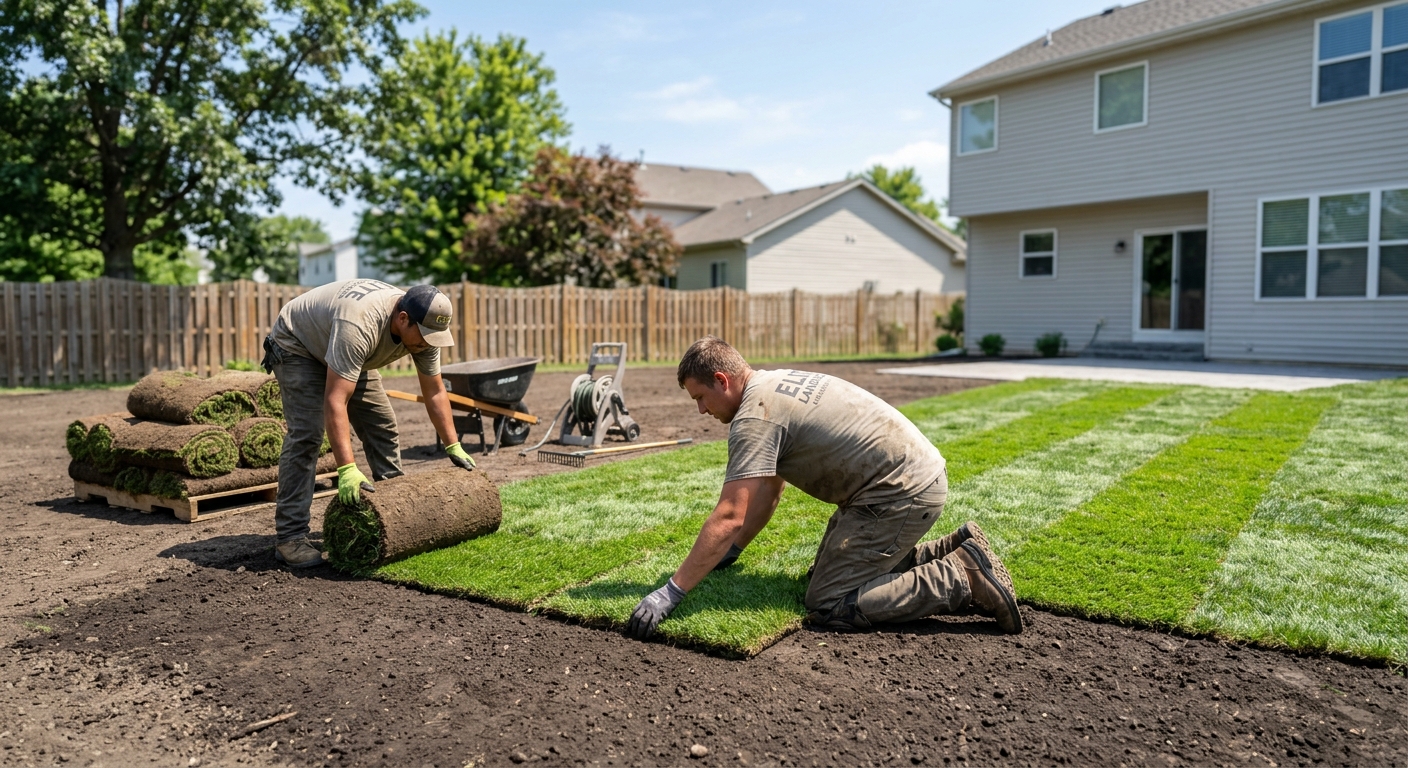
Landscaping options and costs in Prince Rupert
Prince Rupert homeowners often have the yard space to invest in improvements—56.7% of area dwellings are single-detached homes—and with 62.3% of households owning their homes, landscaping tends to move from “nice to have” to a real property upgrade. The North Coast market also has a big supply-and-demand effect: around 75.3% of homes in the area were built before 1981, so many properties need renewed grading, thicker soil build-ups, and drainage touch-ups before sod or hardscape will hold up.
In Prince Rupert, costs are shaped by our cool, coastal, high-rainfall conditions, plus heavy, wet soils and freeze–thaw cycles. That combination means crews spend more time on deep, well-compacted bases, wider frost-protected footings for patios, and corrected slopes to keep water away from foundations. Contractors are also scheduling around late spring/early fall frosts, which can shorten how long planting and paving tasks can be safely completed. If you’re near the waterfront or in wind-exposed neighbourhood pockets like downtown/harbour-adjacent areas, you’ll often see higher labour demand for wind-tolerant landscaping and more robust soil preparation.
Below are realistic starting price bands for common projects in Prince Rupert, so you can compare quotes apples-to-apples before you pick a design or a contractor.
| Service |
Description |
Season |
Price Range |
| Full landscape design and installation |
Site walk, concept and plant palette, grading/drainage where needed, sod/seed or planting, basic lighting/walkway options as included |
Apr–Oct (best planting windows: late spring through early fall) |
$8,000–$40,000 |
| Sod installation (supply, grade, lay, roll) |
Regrade to target slope, soil prep, sod supply and installation, rolling, starter fertilizer |
Apr–Sep (weather-dependent) |
$4–$7 |
| Lawn seeding (grade, seed, starter fertilizer) |
Light regrading, seed blend for cool coastal conditions, starter fertilizer, light mulch as needed |
Apr–Sep (avoid heavy rain washouts) |
$4–$7 |
| Interlocking patio or walkway |
Excavation, base (often deeper for freeze–thaw), compacting, bedding sand, interlocking stone and edging |
May–Sep |
$120–$220 |
| Retaining wall (interlocking block) |
Layout, excavation, block system installation, proper drainage layer and base build-up |
May–Sep |
$120–$220 |
| Tree and shrub planting |
Soil amendment, planting labour, staking as required, mulch ring, initial watering plan |
May–Oct (weather permitting) |
$600–$8,000 |
Prices are estimates only and vary by project scope, site access and material selection.
What affects the price of landscaping in Prince Rupert
In Prince Rupert and the broader North Coast, you can see the same “landscape refresh” quote swing by roughly 30–50% depending on how much groundwork is included and what the contractor has to solve on-site. That’s partly climate and partly building stock: most local homes are older (75.3% pre-1981), and many yards were built without today’s drainage expectations, so contractors often price different amounts of grading, soil replacement, and base thickness.
Our coastal climate is relatively mild in winter, but freeze–thaw still does damage—so bases and drainage beds need to be built deeper than you’d do in drier regions. Plant hardiness zone considerations (around 5–6 locally) and frost timing also shape costs: late frosts can delay planting, while cold winds and salt exposure near the coast can push you toward tougher selections that sometimes cost more upfront. In Prairie-like zones (2–4), a short growing season and drought often increase the emphasis on watering systems and xeriscape plants; in coastal BC, the long moisture-rich season supports fuller planting palettes, but heavy rainfall demands excellent drainage design. In Southern Ontario (zone 5–6), you can get growth with moderate seasons, yet summer dry spells still often require more irrigation planning.
Two common Prince Rupert examples:
- If your interlocking walkway needs thicker base preparation to avoid frost heave, the project can move from “surface work” into “earthworks,” which is where costs rise toward the higher end of $120–$220-band hardscaping.
- If you need a drainage bed or French drain before sod, you may spend additional labour and excavation, but the payoff is fewer “soggy patches” and fewer lawn failures—often keeping the lawn budget closer to the $4–$7 band rather than repeated rework.
When you compare quotes, look for whether they included soil amendment/topsoil, compaction, and drainage corrections—those are the biggest reasons one bid lands while another comes in significantly higher.
| Price Factor |
Why It Matters |
Cost Impact |
| Yard size in sq ft — the primary cost driver for softscape |
More area means more excavation, soil, materials and labour-hours; softscapes scale linearly |
Low to very high depending on whether you’re doing partial repairs or full-area work |
| Grading and drainage work — slope corrections add significant cost |
Freeze–thaw and saturated subgrades demand correct fall away from house and correct elevations at edges |
Can add major cost beyond the “planting” line items |
| Drainage bed or French drain installation |
Captures and moves excess water so lawns and foundations don’t stay wet |
Moderate to high; depends on depth, outlet location and trench length |
| Plant material tier — native shrubs vs. ornamental vs. mature specimen trees |
Mature material costs more, needs heavier handling and may require staking, guying and bigger root preparation |
Low to very high; specimen trees can swing the budget dramatically |
| Hardscape vs. softscape ratio — walls and patios cost more per sq ft than lawn |
Hardscape needs deeper excavation, base materials, compaction and edging |
High if you’re doing patios/walls plus drainage; lawn-only budgets stay comparatively lower |
| Irrigation system design and installation |
Design must consider cool coastal rainfall and wind exposure; in some yards it’s still necessary for establishment |
Moderate; varies by zones, controller type and routing |
| Soil amendment and topsoil required |
Heavy wet soils often need specific amendments to improve structure and drainage performance |
Moderate; depends on depth of replacement and haul/disposal costs |
| Tree removal or stump grinding before new planting |
Root mass, access and debris handling can be labour-intensive and sometimes require larger equipment |
Moderate to high; can also affect timing of planting and base work |
Permits & regulations in British Columbia
In British Columbia, most landscaping work—like planting, sodding, seeding, and typical softscape installs—typically does not require a permit. Where permits often come into play is for retaining walls (especially those above the local height threshold, commonly 1.0 m / 3.3 ft in many municipalities) and certain changes to lot grading that can affect drainage toward neighbouring properties or storm systems. Because requirements can vary by municipality and by how the wall and grading are engineered, you should confirm with the local permitting office before work starts.
Step one: call for utility locates before any digging. That applies to planting holes, trenching for French drains, and footing work for blocks or edging. Step two: verify your contractor’s credentials. Ask for their certificate of insurance (liability coverage) and proof they’re properly set up to work (worker coverage as applicable—many contractors in BC manage this through their worker protection arrangements). You should also confirm any relevant business registration/licensing through publicly available provincial or business registries that list contractors. Step three: request a clearance letter or an up-to-date COI—ensure the policy name matches the contractor you’re hiring and that it’s effective on your job dates.
Finally, confirm irrigation and water-use rules for your situation. BC interior regions can face drought-driven restrictions, and even in the Prince Rupert area, your contractor should design for efficient establishment watering rather than unnecessary run times.
Planning a landscape that thrives in Prince Rupert's climate
Planning in Prince Rupert starts with working with our hardiness range (around zone 5–6), our precipitation pattern, and frost timing—rather than trying to force plants to behave like they do in a drier or longer-summer climate. First, choose plants that tolerate cool, wet winters and wind exposure: native and zone-appropriate shrubs, hardy perennials, and groundcovers reduce winter dieback and generally need less fuss than tender ornamentals.
Second, decide between sod and seeding. Sod gives near-immediate coverage, but in Prince Rupert it costs about 3–4x more per sq ft than seeding once you factor in prep and turf supply. Seeding can be more cost-effective, especially if drainage is corrected and the grade is right; however, rain events can wash seed if the soil surface isn’t properly prepared. Third, drainage and grading are critical. In North Coast yards, pooling is often the real reason lawns fail—so we aim for slopes away from foundations and install drainage beds where needed before any topsoil goes down.
Fourth, for hardscape like patios and retaining walls, base preparation matters as much as the stone. With freeze–thaw, deeper, wider bases and compacted layers help prevent lifting and edge settlement. Fifth, aim for low-maintenance design: mulch, perennials, and layered groundcovers can reduce annual upkeep while still looking full.
Rain-garden concepts and moisture-tolerant planting pockets are especially suitable here because they manage runoff naturally. For a concrete pricing example: if you’re tempted to spend on sod purely for instant curb appeal, you might keep the budget closer to $4–$7 by seeding in a drainage-corrected area—then upgrade to sod only for the highest-visibility front stripe where you’ll notice the difference.
| Element |
Climate Consideration |
Maintenance Level |
Price Band |
| Sod lawn installation |
Needs excellent base prep and drainage so turf roots don’t stay saturated through freeze–thaw |
Low after establishment; initial watering/monitoring required |
$4–$7 |
| Native perennial garden |
Zone-appropriate plants handle cool winters and wet seasons better; wind-tolerant choices reduce wind burn |
Medium (spring clean-up, occasional weed control) |
$600–$8,000 |
| Mulched shrub border |
Mulch buffers soil temperature swings and helps prevent mud splash in heavy rain |
Low to medium (top up mulch annually) |
$600–$8,000 |
| Interlocking stone patio |
Base depth and compaction must resist frost heave and edge movement |
Low (periodic joint sand checks) |
$120–$220 |
| Retaining wall (block) |
Needs a drainage layer behind the wall to manage water pressure from wet soils |
Low (watch for drainage performance and settling) |
$120–$220 |
| Drip irrigation system |
Used mainly for establishment; must account for cool, rainy periods to avoid overwatering |
Medium (winter shut-down, occasional head checks) |
$8,000–$40,000 |
How to choose a landscaping contractor in Prince Rupert
Choosing the right contractor matters in Prince Rupert because our projects are won or lost in the groundwork: grading, compaction, drainage, and frost-safe base prep. Start by verifying British Columbia coverage and legitimacy. Ask for (1) liability insurance—request the certificate of insurance and confirm the contractor is named correctly and the coverage is active during your job dates; (2) worker protection coverage where applicable, and be prepared to see documentation showing they are set up to protect workers; and (3) licensing/registry confirmation through publicly available provincial business contractor directories or registry pages, where you can match the company name to the person quoting you.
Get 2–3 itemised written quotes—not one lump sum. A strong quote breaks out labour versus materials (stone/blocks, soil amendments, sod/seed, plant material, excavation, base layers) and lists assumptions and exclusions. Read the scope carefully: does disposal of excess soil and debris cost extra? Is permit pulling included if a retaining wall triggers approval requirements? Are utility locates included or handled by you?
Warranty should be in writing. Ask for the workmanship warranty length (often for settlement or installation issues) and whether manufacturer warranties on plants/materials apply directly to you or are handled through the contractor. Confirm if warranties are transferable in case you sell your property.
On payment schedule, never pay more than 10–15% upfront. Keep a holdback until the job is complete and you’ve confirmed final grade, drainage performance, and cleanup.
Finally, insist on a written timeline: start date, key milestones (grading/drainage, base, planting/sodding), and a realistic completion estimate that accounts for late frost and rain delays.
- Request proof of liability insurance (effective dates and job-site coverage).
- Verify worker protection coverage documentation (ask what applies to your project).
- Confirm contractor registration/business name matches the quote and invoices.
- Use a written, itemised quote with labour and material lines.
- Ask what’s included for grading, compaction, and drainage—many failures come from omissions.
- Confirm topsoil/soil amendment type and depth, not just “soil prep.”
- Confirm base build-up thickness for patios/walkways and wall footings.
- Ask how they protect plants/sod during rainy spells and windy coastal conditions.
- Check disposal: where does removed soil/rock go and what’s included?
- Make sure utility locates are included before digging (or clearly assigned).
- Get warranty details in writing: duration, what’s covered, and exclusions.
- Agree on payment schedule with a holdback until final acceptance.
Red flags in Prince Rupert: (1) quotes that skip drainage/grading despite a wet yard or low spots; (2) “we’ll just lay sod” promises without confirming grade and soil structure; (3) no written scope for base depth/compaction on patios and stairs; (4) asking for large upfront payments beyond 10–15%; (5) refusing to provide insurance/coverage documents or giving vague warranty language.
Frequently asked questions — landscaping in Prince Rupert
Sod vs seed — which is better for a Prince Rupert lawn?
In Prince Rupert, sod is best when you need fast, reliable coverage and you’ve already corrected grade and drainage. Our coastal rainfall and freeze–thaw cycles can turn “weak subgrades” into recurring problems, so sod only performs if the base is right and the lawn isn’t staying saturated. Seeding is often the smarter choice for cost control and flexibility—especially for areas that can’t be fully reworked—because you’re not paying turf supply premiums. In practice, many homeowners seed to establish coverage at a lower cost band (often aligned with $4–$7 per-sq-ft estimates in quotes) and then thicken or stripe the front area with sod where it’s most visible.
How much does a retaining wall cost in Prince Rupert?
Retaining wall pricing in Prince Rupert depends heavily on length, wall height, and—most importantly—the required base and drainage layer for wet coastal soils. Freeze–thaw means the wall base and footings often must be built deeper and wider than people expect, especially if the ground is saturated or if you’re retaining soil near a foundation. In typical North Coast bids, you’ll often see blocks-and-install pricing fall within the hardscaping range of $120–$220 (with total project cost rising when excavation, drainage, and access are complex). If your yard includes poor drainage or longer trenches, the “real” cost driver becomes earthworks and outlet planning, not just the block material.
When is the best time to landscape in Prince Rupert?
The best window is late spring through early fall, when crews can safely grade, excavate, install base materials, and establish plants before frost pushes again. For lawn work, sod and seeding are most reliable when soil temperatures support germination and when the forecast reduces washout risk during heavy rain. Planting often goes in from May onward, but you still need weather flexibility because wind and soaking rain can slow establishment. If you’re planning hardscape like patios or walkways, May–September tends to be the practical range due to ground stability and curing times. For older properties (many built pre-1981 in the area), planning a step for drainage correction early in the season helps avoid rework later.
Do I need a permit for a retaining wall in British Columbia?
In British Columbia, retaining wall permits are commonly required when walls exceed a local height threshold—often around 1.0 m (3.3 ft) in many municipalities. However, approval can also be triggered by how the wall is built and how it changes lot grading and drainage. Because Prince Rupert rules follow municipal practice, the best approach is to ask your contractor whether your wall height and location likely fall above the threshold and to confirm whether engineered drawings or other documentation are needed. Softscape like planting and most sodding generally does not require a permit. Regardless of permit needs, confirm utility locates before any digging for wall footings or drainage trenching.
How do I improve drainage in my yard?
Start with surface grading: even small “low points” can hold water through rain cycles and then freeze–thaw, damaging turf and stressing foundations. A professional drainage plan usually includes correcting slope away from the house, then addressing where the water goes—often with a drainage bed or French drain tied to an appropriate outlet. In Prince Rupert, yards with heavy wet soils may require additional soil amendment or topsoil replacement so water can move downward rather than pooling at the surface. If drainage work is skipped, you’ll see repeating lawn failure that costs more than doing it correctly once. That’s why many full landscape design-and-install budgets move toward the higher end of the $8,000–$40,000 band when drainage is part of the solution, not an add-on.
What is xeriscaping and does it suit Prince Rupert?
Xeriscaping is a landscaping approach designed to reduce irrigation needs—commonly associated with dry regions (like parts of the BC interior or Alberta) where water restrictions make drought-tolerant planting essential. In Prince Rupert’s coastal climate, rainfall is frequent, so the “water-saving” driver is less intense than in dry-zone cities. That said, xeriscaping principles can still help with low-maintenance design and weed suppression (mulch, groundcovers, and smart plant placement), but you generally wouldn’t build a classic, rock-heavy xeriscape that requires little soil moisture when the yard stays naturally wet. A more region-correct approach is rain-garden style planting pockets, moisture-tolerant perennials, and improved drainage so the yard stays healthy through freeze–thaw without excessive watering.