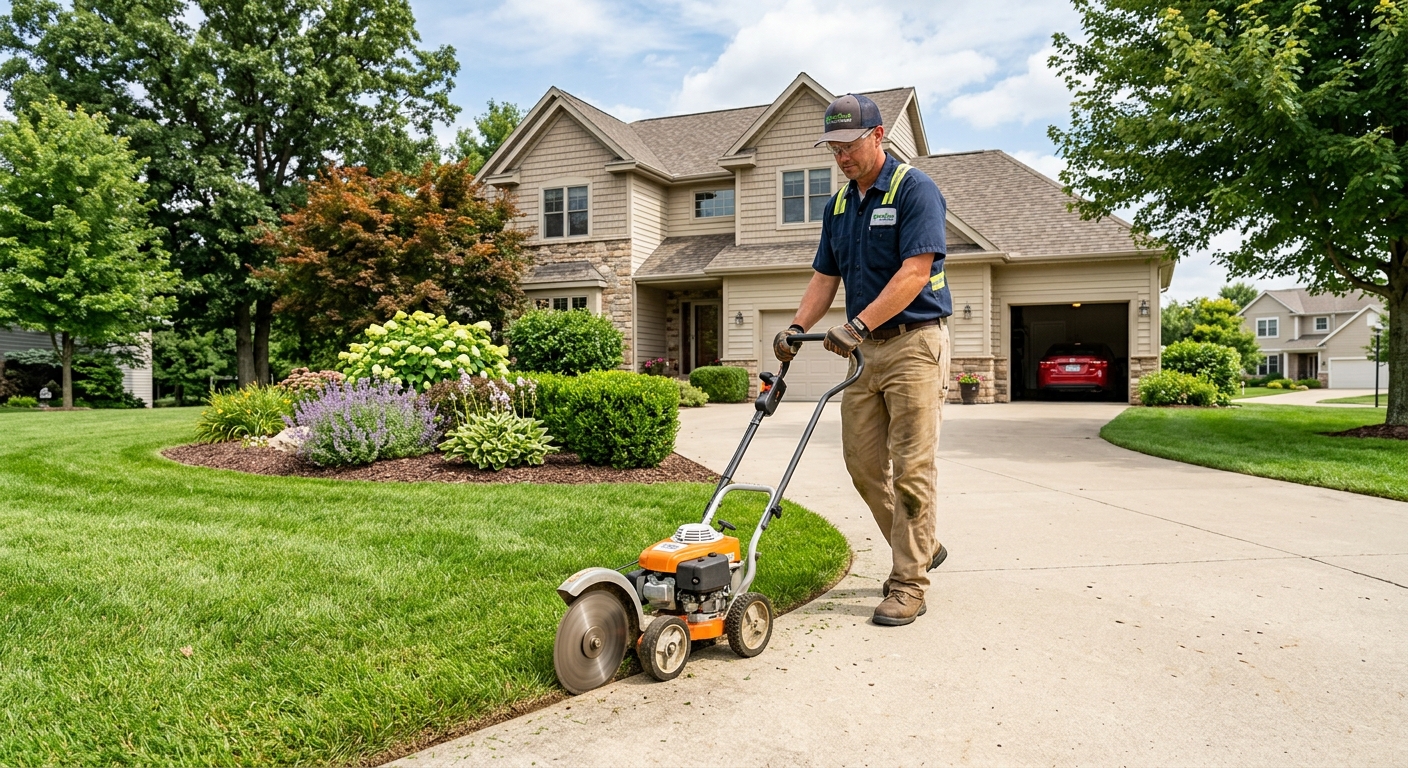
Landscaping options and costs in Crescent Beach
Crescent Beach, British Columbia is a small coastal community on the Lower Mainland–Southwest, and that matters for your landscaping budget. With a population of 1,200 (Statistics Canada, 2021 Census), there’s plenty of demand from year-round homeowners who want their yards to look great without constant upkeep—and detached homes make it practical to invest in visible front-and-back improvements with real curb-appeal payoff. In the Lower Mainland–Southwest, we typically work in plant hardiness zones 7–8, so you can use broader palettes of broadleaf evergreens and long-blooming perennials compared with colder regions. Mild, wet winters and a longer working/growing season often help keep scheduling flexible, which can reduce labour pressure when compared with places that freeze hard for months.
That said, coastal BC still has costs you can’t ignore. Structural work on slopes or near foundations must handle freeze–thaw cycles with proper drainage and deeper base prep to prevent frost heave and movement. Also, while municipal restrictions in the dry BC Interior are less common here, water costs and efficient irrigation design are still increasingly expected—especially if you want layered, lush planting without wasting water. For many Crescent Beach properties, the highest-value projects are in the Beach Avenue–to–waterfront stretches, where homeowners tend to prioritize showy garden beds, pathways, and tidy drainage around older foundations.
Below is a practical comparison of common landscape services you’ll see in Crescent Beach quotes, so you can match scope to price before you book a site visit.
| Service |
Description |
Season |
Price Range |
| Full landscape design and installation |
Walkway/bed layout, grading & drainage plan, plant selection, soil prep, irrigation-ready install, labour and materials |
Mar–Nov (softscape), with structural work planned around wet weeks |
$8,500–$35,000 |
| Sod installation (supply, grade, lay, roll) |
Remove old turf (if needed), minor grading, topsoil/soil amendment, install sod, roll and initial watering guidance |
Best late spring to early fall; avoid the coldest wet snaps |
$2,500–$7,500 |
| Lawn seeding (grade, seed, starter fertilizer) |
Light grading, seed blend, starter fertiliser, top-dress (if required), initial maintenance guidance |
Early spring and early fall |
$1,200–$4,500 |
| Interlocking patio or walkway |
Excavation, base compaction, bedding sand, pavers/stone, edging, slope adjustments |
Apr–Oct (best for drying/base work) |
$6,500–$28,000 |
| Retaining wall (interlocking block) |
Excavate and build wall blocks, base/gravel drainage layer, geogrid where needed, backfill and finish |
Apr–Oct; plan for drainage inspections where applicable |
$12,000–$65,000 |
| Tree and shrub planting |
Soil amendments, planting, staking (if needed), mulch rings, initial watering schedule and pruning clean-up |
Mar–Nov, with priority around shoulder months for better establishment |
$1,500–$12,000 |
Prices are estimates only and vary by project scope, site access and material selection.
What affects the price of landscaping in Crescent Beach
In Crescent Beach, British Columbia, you can see the same “yard refresh” land 30–50% apart between quotes, even when the headline service sounds identical. The biggest reason is scope interpretation: one contractor includes grading, soil amendments, drainage corrections, and topsoil haul-off, while another quotes only the visible planting or pavers. Labour availability also plays a role during our longer working season (zone 7–8), when many crews are simultaneously booked for patios, planting, and softscape prep. On top of that, material choices swing costs quickly—especially when you upgrade from standard shrubs to mature specimens or you move from simple lawning to layered, irrigation-ready beds.
Local climate and labour timing affect costs in very practical ways. In coastal BC, frost typically arrives in late fall rather than deep winter, so planting and seeding can happen for a longer window than prairie cities. That helps keep plant installation timelines more predictable, but structural work must still respect freeze–thaw cycles: retaining wall bases often need deeper excavation and proper drainage to reduce frost heave risk. As a result, a “retaining wall” can move between budget-friendly and premium depending on whether you need added base depth, drainage rock, and geogrid. For example, an interlocking walkway might price in the mid-range of the hardscape band (around the lower end of the $6,500–$28,000 range), while a wall project can jump toward the higher end (within the $12,000–$65,000 range) if the site is sloped and needs engineered-level stability.
Two Crescent Beach examples that commonly raise or lower cost: (1) heavy foundation splashback zones or downspout discharge that causes soggy soil means more drainage work (French drains, swales, regrading), not just “planting.” (2) Older yards often have compacted fill or buried debris; once a crew discovers this, soil amendment and topsoil volume increase—often by thousands of dollars—because proper rooting depth is non-negotiable in damp coastal conditions.
| Price Factor |
Why It Matters |
Cost Impact |
| Yard size in sq ft — the primary cost driver for softscape |
More area means more topsoil/seed/sod, more labour hours, and more material delivery |
Large lawns can add several thousand dollars to the total |
| Grading and drainage work — slope corrections add significant cost |
Lower spots cause pooling; slope tweaks prevent water from migrating to foundations |
Often increases the quote by a noticeable percentage (commonly $3,000+ on many jobs) |
| Drainage bed or French drain installation |
Under heavy-rain periods, drains protect planting and reduce foundation moisture |
Can add thousands, especially if new outlets are needed |
| Plant material tier — native shrubs vs. ornamental vs. mature specimen trees |
Size and sourcing cost grow quickly with container size and transplant success rates |
Mature specimens can swing costs by $1,000–$5,000+ per plant |
| Hardscape vs. softscape ratio — walls and patios cost more per sq ft than lawn |
Pavers and block walls require excavation, base compaction and proper bedding |
More hardscape typically shifts you toward the upper end of the hardscape bands |
| Irrigation system design and installation |
Even with mild winters, efficient watering improves survival of layered beds |
Adding drip + timers can add a mid-project cost increment |
| Soil amendment and topsoil required |
Coastal soils can be inconsistent; amendments improve rooting and drainage |
Commonly increases delivery/production costs substantially on older lots |
| Tree removal or stump grinding before new planting |
Can uncover roots, debris and require extra hauling and site protection |
May add several hundred to over a thousand depending on size and access |
Permits & regulations in British Columbia
In British Columbia, most planting and softscape work typically does not require a permit. That usually includes tasks like sod installation, lawn seeding, shrub and tree planting, and installing mulch or decorative groundcovers. In Crescent Beach and similar Lower Mainland municipalities, retaining walls are the main area where rules often tighten: a permit is commonly required when the wall exceeds a height threshold—often around 1.0 m (3.3 ft) depending on local standards—and engineered drawings may be requested for larger or more complex walls.
Grading is another common trigger. If your project changes lot grading in a way that affects drainage patterns toward neighbouring properties or storm sewer connections, you may need approval. Also, before any digging (planting holes or wall footings), request utility locates—damaging buried services can stop a job and create major liability.
To verify a contractor in British Columbia, homeowners should: (1) confirm licensing/registration status through the relevant provincial contractor search tools where applicable for your contractor type; (2) request a current certificate of insurance showing general liability; and (3) ensure workers are properly covered (WSIB/WCB coverage appropriate to the contractor’s work status). Ask for documentation before work starts. Lastly, if permits are needed, confirm who pulls them, what inspections are expected, and that the plan matches the approved drawings.
Planning a landscape that thrives in Crescent Beach's climate
To plan a landscape that thrives in Crescent Beach, British Columbia, work with our typical zone 7–8 conditions and the Lower Mainland–Southwest rainfall pattern—not against it. Start with plant selection: choose zone-appropriate and, where possible, native species that tolerate cool, wet winters and summer dry spells. This reduces winter protection needs and improves survival without constantly babysitting beds. Next, decide whether you want sod or seeding. Sod gives instant curb appeal and helps control erosion quickly on slopes, but it’s expensive upfront and requires consistent initial watering to establish. Seeding takes longer to fully knit in, but it’s often more budget-friendly for restoring lawn coverage.
Drainage and grading are critical here. Coastal yards can stay saturated longer, so regrading to move water away from foundations and toward intended drainage paths is often the difference between “healthy greenery” and recurring damp patches. For hardscape like patios and retaining walls, base preparation matters because freeze–thaw cycles can still occur: adequate base depth, compaction, and weeping/drainage layers reduce frost heave and wall movement on sloped sites.
For low maintenance, lean on mulch, groundcovers, and long-blooming perennials to suppress weeds and moderate soil moisture. Rain gardens are also a strong option in the Lower Mainland–Southwest where you want beauty plus function: they capture runoff and can reduce water pooling issues. Xeriscaping can work when it’s framed correctly—use it for areas that naturally dry out or receive controlled irrigation, and pair it with drought-tolerant plants while still keeping the overall design lush and balanced.
Where price differences are justified: If you want instant lawn for a small front yard, sod can be worth the premium. For example, going from lawn seeding (often around the $1,200–$4,500 range) to sod installation (commonly $2,500–$7,500 in Crescent Beach) is reasonable when you need quick coverage or slope control, and when the contractor includes proper grade and topsoil prep (otherwise you pay twice).
| Element |
Climate Consideration |
Maintenance Level |
Price Band |
| Sod lawn installation |
Establishes well in cool, moist shoulder seasons; avoid coldest wet weeks |
Low after establishment, higher in the first 2–6 weeks |
$2,500–$7,500 |
| Native perennial garden |
Handles wet winters and adjusts better to coastal temperature swings |
Low–moderate (seasonal pruning and mulch refresh) |
$1,800–$9,000 |
| Mulched shrub border |
Mulch buffers moisture and helps prevent weed pressure in damp conditions |
Low (weed control early, then periodic topping) |
$1,500–$6,500 |
| Interlocking stone patio |
Base prep must accommodate freeze–thaw cycles and drainage |
Low (occasional cleaning and joint sand top-ups) |
$6,500–$28,000 |
| Retaining wall (block) |
Requires proper base depth and drainage behind the wall |
Low after built correctly; maintenance is mainly minor repairs |
$12,000–$65,000 |
| Drip irrigation system |
Efficient watering supports layered beds and reduces waste |
Low ongoing time (seasonal checks and controller settings) |
$1,200–$8,000 |
How to choose a landscaping contractor in Crescent Beach
Choosing the right landscaping contractor in Crescent Beach, British Columbia starts with paperwork and then moves to scope clarity. First, verify contractor coverage: ask for their certificate of general liability insurance and confirm it’s current. Next, ensure workers are covered under the appropriate WSIB/WCB arrangements for the work being performed. If the contractor subcontracts specialized tasks (like stump grinding, drainage work, or certain hardscape production), ask who is responsible for coverage on those scopes. For licensing, confirm they’re authorized for the type of work they’re offering and that any required registrations are in good standing—use the public provincial registry tools available online, and match the legal name on their quotes to what you find.
Then, get 2–3 itemised written quotes. You want a breakdown that separates labour and materials: excavation vs. base rock, sod/seed quantities, retaining wall blocks, drainage components, disposal/haul-away, and any irrigation parts. Be strict about exclusions: does the quote include permits if needed, soil disposal, utility locates, compaction testing, or only “best-effort” cleanup? For warranty, ask for both workmanship and product/manufacturer warranty terms, how long they last, and whether warranty transfers if you sell your home.
Payment schedule matters. Don’t pay more than 10–15% upfront. Hold back a portion until key milestones are complete (base ready, inspection-ready drainage, final grading, and plant establishment steps). Finally, insist on a start date and a completion estimate in writing—Crescent Beach schedules can shift around heavy rain weeks, and you want a realistic plan, not verbal promises.
- Request itemised quotes (labour + materials + quantities), not a single lump sum.
- Confirm who pulls permits (if required) and who pays for inspections.
- Verify general liability insurance and confirm coverage amounts are appropriate for your job size.
- Verify WSIB/WCB coverage (and ask about subcontractor coverage too).
- Ask for a drainage plan in writing for any slope, foundation-adjacent planting, or wall project.
- Confirm topsoil/soil amendment specs (type, depth/coverage, and whether “fill” is acceptable).
- Require disposal/haul-away clarity: included or additional cost by ton/load.
- Get details on compaction steps for pavers/patios and wall bases (not just “we compact”).
- Ask about irrigation: controller type, zones, and whether drip is designed for plant grouping.
- Confirm warranty length for workmanship and what it covers (settling, replacement policy, labour vs. materials).
- Use a realistic payment schedule: 10–15% max upfront and holdback until close-out.
- Get a written timeline with rain-weather contingencies for Lower Mainland–Southwest conditions.
Concrete red flags to watch for: (1) a contractor who won’t provide insurance certificates or coverage documentation; (2) quotes that ignore drainage/grading problems but still propose planting and sod; (3) “too-good-to-be-true” hardscape pricing that omits base depth/compaction details; (4) no written scope—especially no disposal, no permit responsibility, and unclear warranty terms; and (5) pushing for large upfront payments or refusing a milestone-based schedule.
Frequently asked questions — landscaping in Crescent Beach
Sod vs seed — which is better for a Crescent Beach lawn?
In Crescent Beach and the Lower Mainland–Southwest, both sod and seeding can work well because we generally have a longer growing season than the prairies. Sod is the fastest route to a usable lawn and helps control erosion on sloped spots right away. It also gives more immediate curb appeal, which is why many homeowners choose it for front yards near the waterfront. The downside is cost and the need for consistent establishment watering. Seeding is usually more budget-friendly and can be great for larger areas where you can wait a bit longer for full coverage. As a reference point, sod installation is often around $2,500–$7,500, while lawn seeding commonly lands around $1,200–$4,500 depending on prep and area. If your lawn is patchy from drainage issues, fix grading/drainage first—otherwise new turf struggles regardless of sod or seed.
How much does a retaining wall cost in Crescent Beach?
Retaining wall pricing in Crescent Beach depends heavily on height, length, site access, and—most importantly—base depth and drainage requirements tied to freeze–thaw behaviour. Walls need proper excavation, compaction, and a drainage layer behind the block system to prevent water pressure and reduce movement. On typical Crescent Beach projects, interlocking block retaining walls often fall in the $12,000–$65,000 range, with higher costs on sloped yards, longer walls, or when there’s significant grading and drainage work included. If you’re comparing quotes, look for what’s inside the price: base/gravel depth, geogrid (if required), weeping/drain rock, backfill type, and whether excavation and disposal are included. A quote that feels low can actually be missing drainage details—those omissions are where problems (and extra costs) show up later.
When is the best time to landscape in Crescent Beach?
The best time to landscape in Crescent Beach is usually from spring through early fall, because Lower Mainland–Southwest conditions support plant establishment and contractor scheduling. Spring (after the coldest wet weeks) and early fall are popular for planting and soil work. Softscape projects like planting and seeding often get better results when the soil is workable and temperatures support root growth, while hardscape like patios and retaining wall bases are typically scheduled for drier stretches to support compaction and material placement. Winter can still be workable for planning and ordering, but heavy rain can slow down excavation and base preparation. Practically, many homeowners target a main installation window roughly March to November, with adjustments around the wettest weeks. If you’re planning drainage corrections or walls, confirm your preferred start date in writing so changes from weather don’t become delays without a new timeline.
Do I need a permit for a retaining wall in British Columbia?
Often, yes—depending on the retaining wall height and local requirements in British Columbia. In many municipalities, retaining walls above a height threshold (commonly around 1.0 m / 3.3 ft) require a building permit, and larger or more complex walls may need engineered drawings. Even when the wall height is near the threshold, the deciding factor can be wall design, site conditions, and how the municipality interprets safety and stability. Also, if your project involves lot grading changes that affect drainage toward neighbouring properties or storm sewer connections, you may need approval. For your Crescent Beach project, the safest approach is to ask your contractor to confirm permit requirements in writing during the site assessment. A reputable contractor should be willing to tell you upfront whether the scope includes permits and inspections, and who handles that process.
How do I improve drainage in my yard?
Improving drainage in a Crescent Beach yard usually starts with identifying where water is coming from and where it should go. Many problems are caused by low spots, poor downspout discharge placement, or grading that unintentionally directs water toward foundations. A contractor should assess surface flow after rainfall and check soil conditions before recommending changes. Common solutions include regrading, adding a drainage bed, and installing a French drain system where water collects. If the yard slopes, a properly built swale or catch point can reduce pooling and protect plant roots. The key is that drainage work isn’t “one-off” maintenance—it must be integrated with the rest of the landscape so you don’t just move the water somewhere else. When you compare quotes in British Columbia, confirm whether the pricing includes drainage rock, pipe/gravel components, and tie-in/outlet work, not just “some excavation.”
What is xeriscaping and does it suit Crescent Beach?
Xeriscaping is a design approach that reduces water use by using drought-tolerant plants, efficient irrigation methods, mulch, and smart soil preparation. In Crescent Beach, xeriscaping can absolutely suit parts of your yard—especially areas that dry out quickly (like sunny slopes) or where you want a clean, low-maintenance garden bed that doesn’t rely on frequent watering. However, because coastal BC landscapes also experience cool, wet periods, the best results come from combining xeriscape ideas with coastal-appropriate plants and proper drainage. In practice, many Crescent Beach homeowners use a hybrid approach: lush, layered planting where soil stays consistently moist enough, and xeriscape-style zones where water savings matter. If you’re budgeting, compare the cost of establishing beds and mulch against the long-term irrigation reductions. For many projects, irrigation refinements and drip systems can be a cost-effective add-on compared with repeated lawn repair.